
Synulox for dogs
Sinulox for dogs is a broad-spectrum antibiotic that is more resistant to stomach acids than natural penicillin. The drug is considered safe for animals due to its low toxicity. It can even be given to newborn puppies. In most animals, all symptoms will disappear within a few hours after the first dose. A few days are sufficient for the disease to be completely cured.
Content
Price
The price of Sinulox for dogs depends on the dosage form and the number of active ingredients. Tablets with 50 mg of active ingredients cost 250 rubles, 250 mg cost 370-410 rubles, and 500 mg cost 600 rubles. A bottle of injection solution will cost approximately 1,150-1,300 rubles.
Release form
The drug is available as an injectable solution and tablets. Veterinarians typically prescribe antibiotic injections because it's very difficult to get dogs to swallow the bitter pill.
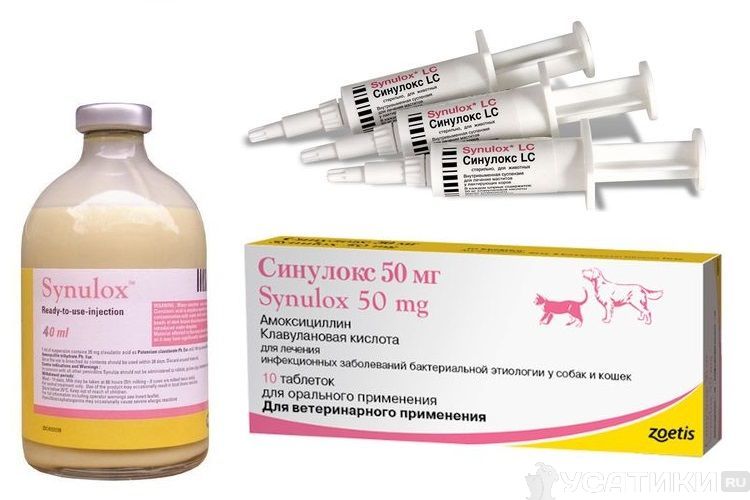
Sinulox is prescribed for the treatment of diseases caused by gram-positive and gram-negative bacteria, including infections:
- urinary tract;
- respiratory tract;
- soft tissues;
- sinus passages;
- oral cavity.
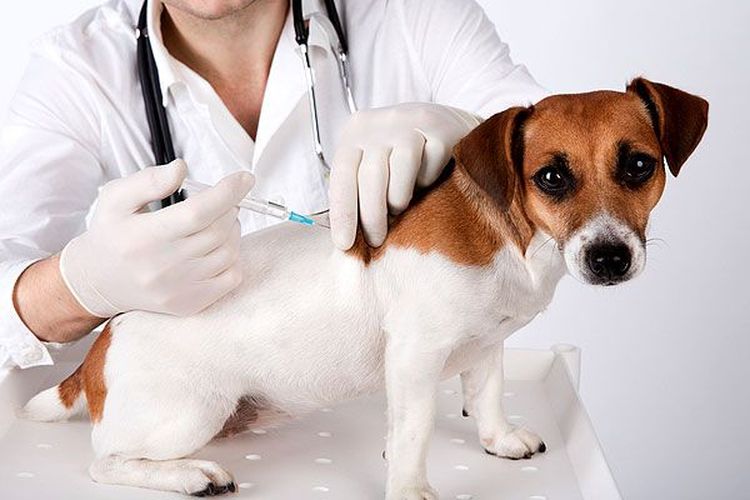
Injections may also be prescribed if the animal is undergoing surgery. However, prophylactic antibiotics are only necessary in extremely rare cases, as otherwise the animal's body may develop a specific resistance to the main components of the medication.
Important! Sinulox is intended for the treatment of bacterial infections only. It should not be used to treat viruses (such as colds and flu). Unjustified or incorrect use of this antibiotic may reduce its effectiveness in the future.
There are only four types of pathogens that can cause disease in dogs:
- mushrooms;
- viruses;
- bacteria;
- parasites.
For treatment to be successful, the veterinarian must determine the specific microorganisms causing the dog's illness. It's virtually impossible to determine the correct type of pathogen at home (without testing). At a veterinary clinic, to make a correct diagnosis, the doctor takes a blood sample for testing. Only after receiving the test results will the appropriate antibiotic be prescribed.
Instructions for use
The drug kills bacteria by disrupting their cell walls. Its main components are amoxicillin and clavulanic acid. This combination works synergistically and has proven effectiveness against amoxicillin-resistant bacteria. Amoxicillin It fights bacteria, and clavulanic acid acts as an inhibitor of a specific enzyme, beta-lactamase. This enzyme usually makes amoxicillin inactive against certain bacteria.
According to the instructions, tablets are administered at a dose of 12 mg per 1 kg of body weight. The injectable suspension is administered at a dose of 9 mg per 1 kg of body weight. The number of applications is determined by the veterinarian based on the animal's health.
Since the tablet is bitter, it is recommended to crush it into a powder, mix it with a small amount of water, and inject it directly into the dog's throat using a pipette or syringe without a needle. Shake the injection suspension vial thoroughly before administering it. Draw the required amount of solution into the syringe (before the sediment settles). Injections are administered subcutaneously or intramuscularly. It is best not to self-administer the injections. The suspension is available in 100 and 40 ml vials, so the antibiotic will last for several applications. After first opening, store the suspension tightly capped in a dark place at room temperature.
The instructions for Synulox tablets and suspension for dogs recommend administering the medication for no longer than 7 consecutive days. However, in some severe cases, the course of treatment may be extended to 14 days. Injections and tablets should be administered 12 hours apart, or 8 hours apart in severe cases.
Important tip! When administering the powder, do not dilute it with large amounts of water. 5-10 ml is sufficient. Otherwise, the dosage may be inaccurate.
Side effects
Synulox is not recommended for dogs that have experienced severe intolerance to other medications or allergic reactions. A minor overdose (or prolonged use of the antibiotic) may cause the following unpleasant side effects:
- digestive upset (vomiting, diarrhea, or loss of appetite);
- lethargic changes in behavior (lethargy, drowsiness);
- salivation;
- ulcerative lesions of the mucous membranes.
An allergic reaction may manifest as digestive upset, as well as skin redness, swelling, or lumps. If your dog is diagnosed with a blistering rash, consult your veterinarian for a prescription ointment. This will help prevent further infection. Antihistamines and corticosteroids are prescribed if overdose symptoms persist for more than 24 hours.
Long-term treatment can lead to pseudomembranous colitis and, less commonly, cholestatic jaundice. The danger is that such side effects can develop even several weeks after completing antibiotic therapy. During treatment, vitamin C can be given to provide additional support. However, it's best to avoid multivitamins, as they can damage the immune system.
It's important to ensure your dog receives the full dose of the prescribed medication. Owners concerned about severe side effects in their pets often discontinue antibiotic therapy immediately after the symptoms subside. This is not recommended, as it could lead to a relapse of the bacterial infection.
In rare cases, a life-threatening allergic reaction called anaphylactic shock can develop. The main signs of anaphylaxis in dogs include:
- difficulty breathing;
- sharp dilation of veins and capillaries;
- convulsions;
- foam at the mouth
The appearance of the above symptoms requires emergency medical attention and immediate discontinuation of the medication. If symptoms of anaphylaxis develop, an epinephrine injection should be administered immediately. At the veterinary clinic, the dog may be placed on an oxygen mask and given a blood transfusion. In rare cases, the animal may be kept under veterinary observation for two to three days until all vital systems are functioning normally. To further combat the underlying infection, the veterinarian will prescribe a different antibiotic.
Resistance to treatment with Sinulox
Although the main component of the drug is amoxicillin, it belongs to the penicillin family. The drug's formula has been significantly improved compared to standard penicillin, making Sinulox more resistant to stomach acid. However, as with medications used in humans, frequent use of amoxicillin can allow bacteria to develop resistance.
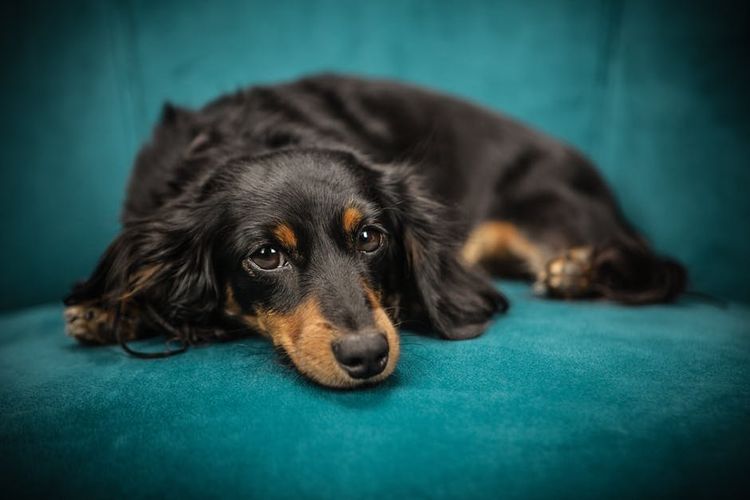
In addition to excessive and unnecessary antibiotic use, there are several other factors that can influence antibiotic resistance. For example, unauthorized administration of Synulox to a dog, including for prophylactic purposes, ultimately results in the drug having no effect when aggressive infections enter the body. Dogs can also develop an immunity to the drug if they regularly drink contaminated water or consume antimicrobial food additives. Antibiotic resistance is dangerous because re-introduction of pathogenic bacteria can cause greater damage to the animal's health, which can even lead to death.
Reviews of Synulox for dogs
Nina, 30 years old:
"My Pekingese constantly suffered from ear infections. Especially in the winter (after walks), pus would often appear. The vet prescribed Sinulox. There were no side effects, but the problem wasn't resolved. So, either the medication was counterfeit or the prescription was incorrect. I read reviews online: it turns out it's only prescribed for bacterial infections. My dog, however, apparently has a viral infection, which the medication is ineffective against."
Daria, 38 years old:
“I used it several times for treatment of tracheitis "It works for both mixed-breed dogs and German shepherds. No complaints! The medication is truly safe (no side effects were observed), but I still recommend using it only as directed by a veterinarian. The more frequently Sinulox is used, the less effective it will be."
Diana, 25 years old:
"My Persian kitten's eyes were constantly sore. At first, I tried herbal infusions, but these folk remedies didn't help. I didn't know what to do, as the kitten wasn't even six weeks old, meaning most medications weren't allowed. Luckily, the vet approved giving the kitten a few Synulox tablets. There were no problems administering them. I simply ground the tablets into a fine powder and mixed them with warm water. The kitten kicked, of course, but I was able to squeeze out every last drop using a dispenser. The eye problems resolved within a couple of days."
Read also:


1 comment
Angelina
Sinulox tablets are sweet-tasting. Both dogs and cats chew them easily, without any fuss or gimmicks.
Add a comment