
Synulox for cats
Sinulox for cats is a modern medication belonging to the penicillin antibiotic class. It has a wide range of uses and is prescribed for many bacterial infections. The medication is available as tablets or a suspension for intramuscular administration. The tablets are flavored for ease of use. The tablets are pink in color and have a score line for easy breaking. The medication name is printed on one side of the tablet.
Content
Sinulox tablets for cats: indications for use
The active ingredient in tablets and solution is amoxicillinThis substance can destroy a number of bacteria and their strains, and also quickly accumulate in the body's tissues, resulting in a positive effect within a few days of treatment.
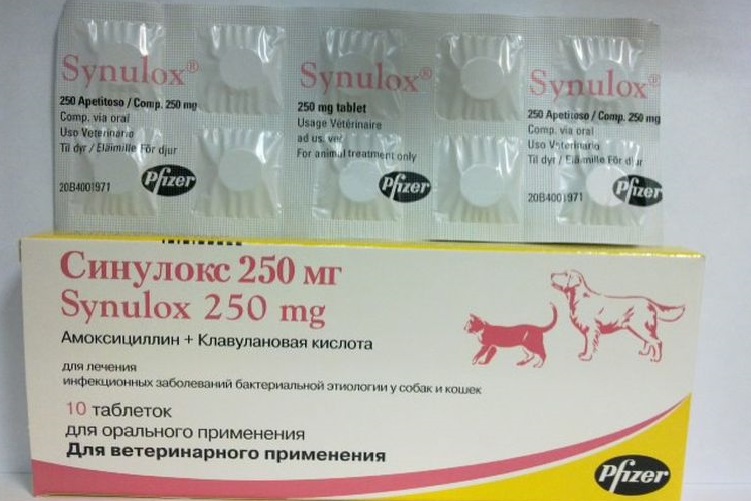
Below is the scope of application of the drug:
- Skin diseases that are bacterial in nature.
- Soft tissue pathologies (eg, stomatitis, gingivitis, abscesses).
- Respiratory pathologies (bronchopneumonia).
- Inflammatory processes in the genitourinary organs (cystitis).
- Respiratory infections.
- Umbilical infectious processes.
- Arthritis.
- As a preventative measure after surgical interventions to prevent possible complications.
Thus, with this cat medication, you can treat virtually any infectious or bacterial disease: the medication will quickly eliminate the cause of the infection and improve your pet's well-being.
Synulox for cats: instructions for use
To avoid harming your pet, it's important to strictly follow the instructions and prescribed dosage for antibiotic administration. If you're unsure of the dosage, it's recommended to consult a veterinarian who can administer the injection according to all the instructions.
If you purchased the medication in tablet form, you should administer it directly to your pet. Another option is to mix it with their usual food. However, in this case, ensure your cat eats the entire meal, otherwise the effective dosage will be reduced.
When calculating the required dosage, adhere to the following formula: 12.5 mg of medication per kilogram of cat weight. This is why it is recommended to weigh the animal before prescribing the drug. The course of therapy lasts 7 days (the course can be extended as prescribed by a doctor). The tablets are taken twice daily. If the disease is severe and difficult to treat (usually respiratory diseases, such as pneumonia), the dosage is increased to 25 mg per kilogram of the animal's weight. If the disease has become chronic, the course of therapy may be extended to one month (as prescribed by a veterinarian).
The medication is also taken in the form of a suspension, in which case it is administered to the cat subcutaneously or intramuscularly, and it is recommended to administer it in the withers area (this is the most painless option).
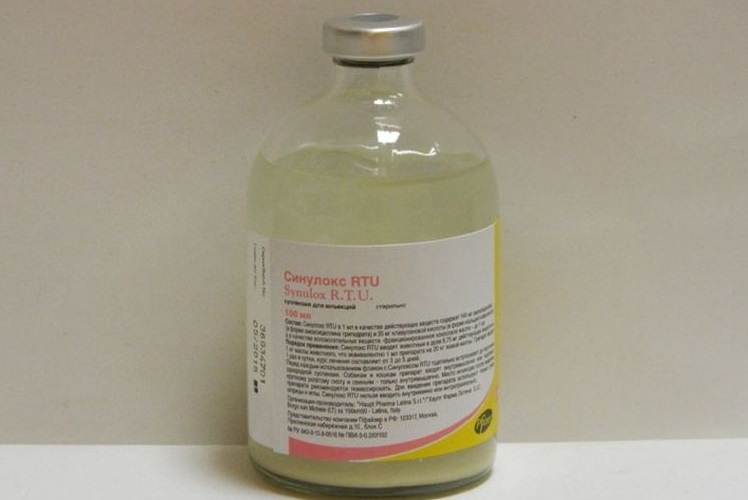
The dosage is calculated in a similar manner. Be sure to shake the bottle before use; this will ensure the active ingredients are evenly distributed and the product is more effective. Remember to store the suspension in a cool, dark place. It is not recommended to keep the bottle open for more than a month.
Side effects and contraindications
Sinulox is a safe and proven medication, but in some cases, side effects such as allergic reactions may occur. A rash may develop on the cat's skin, along with watery eyes and swelling. In this case, discontinue use and consult your healthcare professional for a dosage adjustment or prescription. another antibiotic.
After a few days of antibiotic use, your cat may experience digestive upset, including diarrhea or constipation. These symptoms resolve on their own after some time, as the body adjusts to the new medication.
Contraindications include only individual intolerance to the components of the drug, allergy to antibacterial agents.
Features of therapy
When treating your cat with this antibacterial drug, it's important to maintain strict hygiene. After administering the antibiotic, wash your hands thoroughly with soap.
Below, we'll explain how to administer and inject Sinulox to your cat. If you're administering the drug intramuscularly, especially over a long period of time, gently massage the animal's withers after the injection to reduce pain and prevent the formation of hardened skin. Please note: administer the suspension evenly and slowly. Excessive rapid movements can cause hemorrhaging and severe discomfort. If your pet doesn't tolerate injections well, it's a good idea to consult a professional veterinarian who knows how to administer the injection as painlessly as possible while ensuring your cat's psychological comfort.
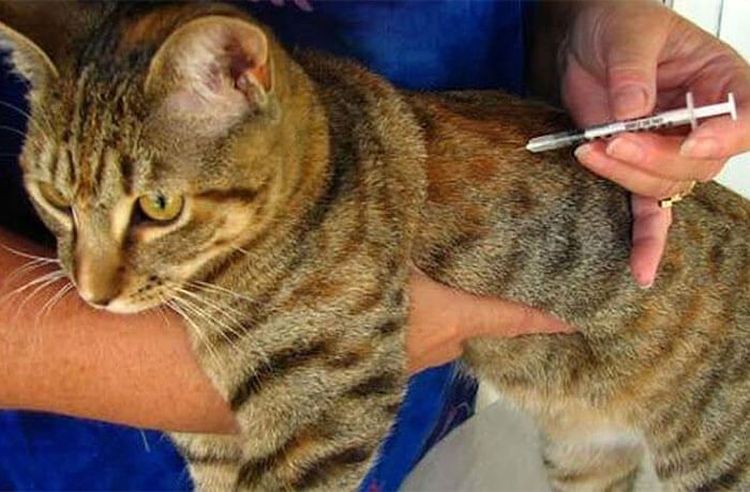
If you decide to administer the injections yourself, try to speak to your cat in a calm and quiet voice during this traumatic procedure, and avoid any sudden movements. During the procedure, have a second person present to gently but firmly support the cat's body and paws. The medication should be injected using the entire length of the needle.
Synulox and its advantages
This antibacterial drug has the following positive aspects:
- Versatility of application. The medication can be used for virtually all bacterial diseases.
- It can be taken in tablet form, which significantly simplifies treatment (not all animals tolerate injections well).
- Synulox for cats is inexpensive and readily available. You can purchase vials or tablets at an affordable price at almost any veterinary pharmacy.
- No contraindications for use, minimal number of side effects.
- The product can be given to animals of any age, including kittens.
- This antibiotic is highly effective. Even in severe cases, with regular use, the animal's condition improves within a few days of starting therapy. Moreover, the medication only targets pathogens, and if all instructions are followed, the animal's immunity is not compromised.
- Easy to use. For injections, simply shake the bottle; no need to prepare the solution yourself.
Reviews of the drug
Reviews of this antibacterial medication are overwhelmingly positive. Customers note the active ingredient's effectiveness in treating various conditions, especially genitourinary disorders, which cats often suffer from.
Moreover, most user reviews claim that unpleasant symptoms disappear within three days of starting treatment. Online, you can find reviews claiming that even the most severe form of pneumonia in cats can be cured within five days.
Some negative reviews relate to cats' intolerance to the injections and minor side effects such as diarrhea. It can be concluded that such complaints are due to individual intolerance to the drug's components, as well as incorrectly calculated dosages.
Another positive aspect noted by customers was the pleasant aroma of the tablets, which attracted cats, so most animals had no problems voluntarily taking the medication.
Which is better – Sinulox tablets or injections?
The treating specialist determines the dosage form based on the animal's health, including its psychological state. If the disease is in its early stages and has not yet reached its peak, tablets may be sufficient. Tablets are also prescribed to young kittens whose bodies are not yet ready for regular injections.
Please note: in severe cases of pneumonia or urolithiasis, the drug is prescribed exclusively by injection, as this allows the active ingredient to be absorbed into the blood more quickly and is considered more effective.
What is prescribed simultaneously with Sinulox?
In most cases, the drug is prescribed as a stand-alone therapy, but prolonged antibiotic treatment can inevitably worsen the immune system. In this case, a specialist may also prescribe multivitamin supplements or specialized immunomodulators to improve the cat's well-being and prevent further relapses.
In cases of inflammatory processes in the genitourinary system (for example, cystitis), along with antibiotics, the veterinarian may prescribe herbal remedies that help clear the urinary tract of infection.
Thus, Sinulox is an effective antibacterial medication designed to treat cats of all ages. Its price is quite reasonable, making it affordable for any pet owner. However, it should not be administered without medical supervision: the medication should only be prescribed by a veterinarian after a complete examination and an accurate diagnosis and stage of the disease.
Read also:


2 comments
Dmitry
What about Sinulox's side effects in older cats with impaired liver function? For example, if a 9-year-8-month-old cat is initially misdiagnosed with nephritis, prescribed Sinulox (by injection, as the pills caused vomiting on the first dose), and given for three days, tests show liver lipidosis (with no sign of nephritis) and no need for Sinulox. Could this three-day use of the useless Sinulox have significantly worsened the cat's condition?
Daria is a veterinarian
Hello! If the dosage of the drug wasn't exceeded or the frequency of administration wasn't increased, then no serious liver problems could have developed. But how was the diagnosis of nephritis made without biochemical blood test results and an ultrasound?
Add a comment