
Siberian Husky
Siberian Huskies are northern sled dogs, their proportions and appearance perfectly reflecting the balance of speed, strength, and endurance. They are designed to haul light loads over short distances at moderate speeds. A distinctive feature of the husky is its very thick, odorless coat. Northern dogs were historically kept free, living in packs and feeding primarily on their own, following their hunting instincts. The lead dog always had the right to his own opinion and was able to make decisions without human intervention.
Content
History of origin
No one knows for sure when exactly humans began using dogs as sled dogs. It is certain that northern peoples have been harnessing dogs for over 1,500 years. The Siberian Husky is believed to have been developed by the Chukchi, but some believe the breed developed independently, and its isolated existence for many centuries allowed it to maintain its purity.
In the early 20th century, a Russian fur trader brought several dogs from Siberia to Alaska to compete in sled racing. On the peninsula, they were nicknamed "Siberian mice" due to their small size and ordinary coloring, but they were beloved for their strength, endurance, and intelligence.
In the 1930s, the first breed club was established in America and a breed standard was adopted. To improve the racing qualities of Siberian Huskies, they began crossing them with the best specimens of native Alaskan breeds. The resulting dogs excelled in sled dog racing, but had no other working qualities. Today, they are classified as a separate mixed-breed group—Alaskan Huskies—which are not recognized by the FCI due to the extreme heterogeneity of their breeds.
An excellent, accessible, and concise video about the breed from AnimalPlanet's 101Dogs series—but the translator lets things down a bit when it translates "Siberian Husky" as "Laika." Such quirks are common, and since everything else is translated correctly, you can ignore this one.
Appearance and standard
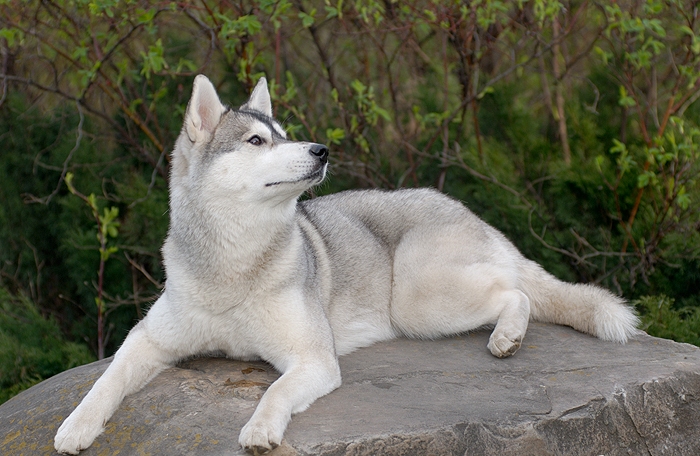
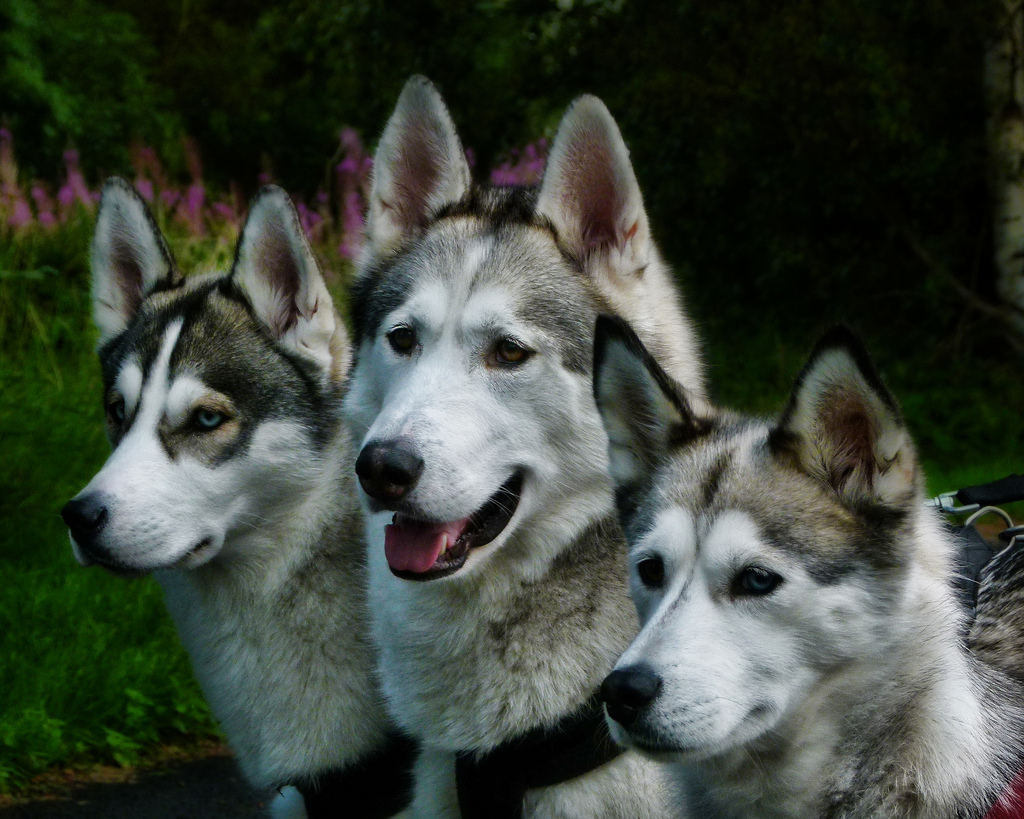
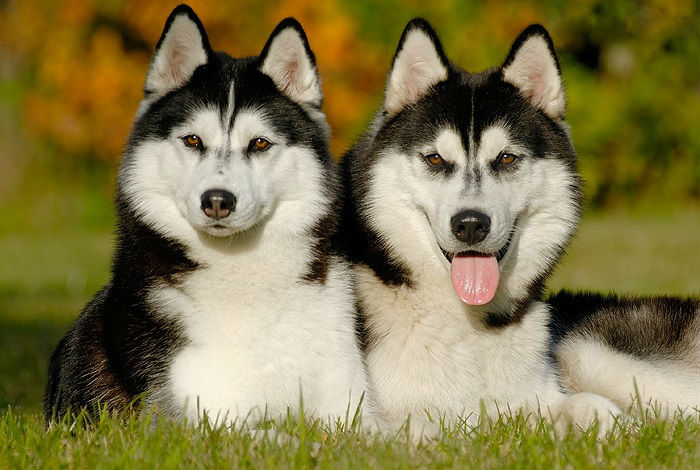
Siberian Huskies are medium-sized, compact dogs. They stand 50-60 cm at the withers and weigh up to 30 kg. The head is medium in length, tapering toward the tip of the nose. The stop is well defined. The ears are triangular, set high, medium in size, and erect, with slightly rounded tips. The eyes are almond-shaped and can be any color; heterochromia (eyes of different colors) is common. The neck is medium in length and slightly arched. The shoulder blades are angled 45 degrees to the horizontal. The chest is strong, deep, but not very wide. The hind and forelegs are set moderately wide apart, straight, and parallel. The front paws have dewclaws, but they are not vestigial and are usually not removed. The tail is well-furred, reminiscent of a fox's. Set just below the line of the back, carried down, not curled or lying on the back.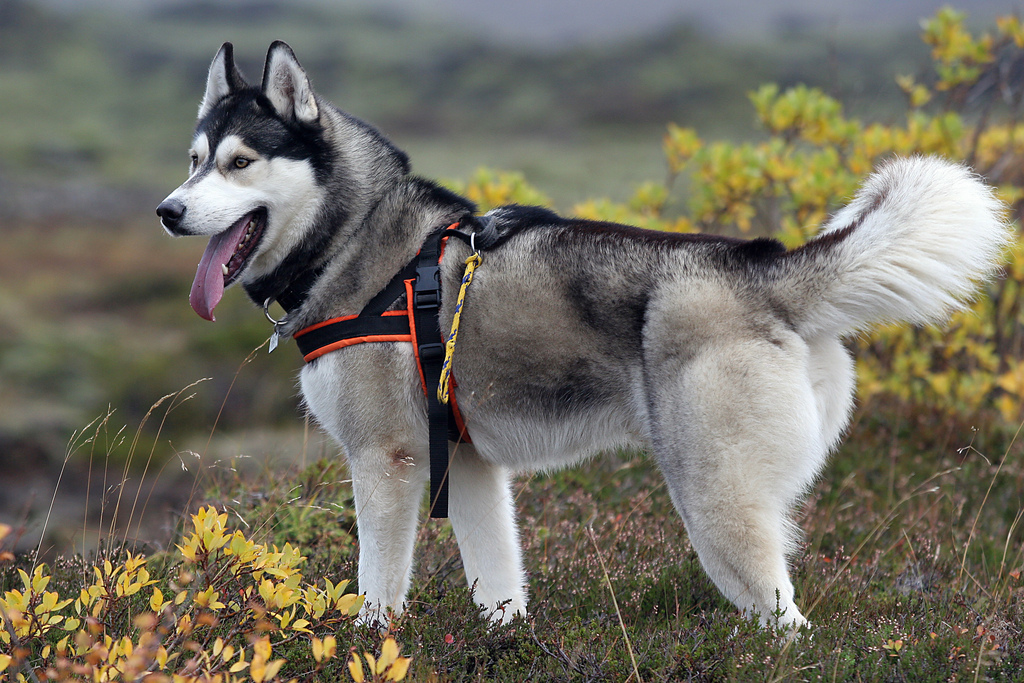
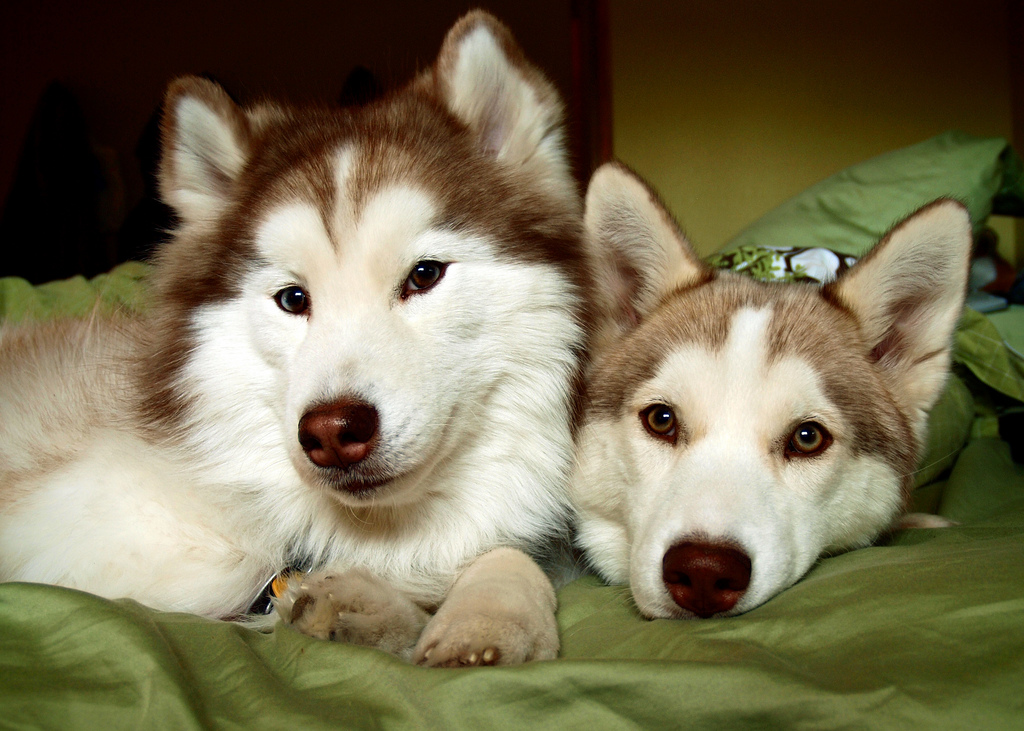
According to the breed standard, Siberian Huskies can come in virtually any color. Black and white is considered the most popular. Brown and white, fawn, all-black or white, silver, and black and tan are also common. A mask around the head and a vertical stripe on the forehead are typical, but not required.
The Husky's coat is short and very dense, with a thick, soft undercoat. The outer coat lies smooth. Trimming between the toes and on the sides is permitted. Their gait is smooth and effortless, and the breed is characterized by a gait.
Training
Siberian Huskies are intelligent and smart dogs, but they are also very independent and self-reliant. To teach them anything, you need to not only train them, but also engage them in learning. Furthermore, a dog will never obey its owner's commands if it doesn't consider them the leader of the "pack." This is probably the reason for the misconception that they are untrainable.
Huskies begin training at an early age. For a long time, they will be reluctant to obey commands, but as they mature, they improve. They only reach full physical and psychological development at 2-3 years of age. Huskies always strive for independence, displaying all their stubbornness. Obedience can be achieved in two ways: either by purposefully becoming the pack leader, or by using physical control, specifically by not letting the dog off the leash.
Unlike working breeds, huskies cannot be coerced or demanded to be extremely obedient, so they are rarely seen competing in obedience competitions. To maintain good condition, Siberian Huskies require regular, long walks, vigorous play, and intensive training, such as obstacle course racing. They enjoy jogging or cycling, but they also require free roaming. Most huskies pull very hard on a leash, a natural instinct honed over centuries. Prong collars or choke collars will not stop the dog and are potentially dangerous, especially for puppies. Owners are advised to purchase a special harness and correct this behavior with proper training.
Character and psychological portrait
Siberian Huskies have a strong, even temperament. They are intelligent and very friendly. They are sometimes even called big cats: these dogs are independent and self-sufficient, never clingy, and love being the center of attention. They are also very clean and responsive to affection. They bark very rarely and quietly, but they are usually happy to sing along to a favorite tune or howl when the mood strikes.
Huskies are unlikely to protect their owners, much less their property, so there's no point in hoping they'll develop guard qualities.
Maintenance and care
Although Siberian Huskies are primarily strong and courageous northern dogs, they adapt well to any environment, and this applies not only to climate. Huskies easily live in a small apartment if their owner provides them with adequate exercise and will thrive in a kennel with an insulated kennel.
The only thing they absolutely shouldn't be chained to is a chain. Active and inquisitive, they love to dig holes, chew on everything they come across, and cause a lot of other destruction if they're not given something useful to occupy them with.
Huskies get along well with other dogs, but don't get along well with smaller animals. This is due to their very strong hunting instinct. If a puppy isn't trained from puppyhood to handle small pets—rodents, birds, and sometimes even cats—it's likely to kill them one day. Huskies get along well with children; they won't harm even the smallest child and will allow them to get into any mischief.
Siberian Huskies are easy to care for. To keep their coat looking beautiful, they need to be brushed regularly. Wire brushes with rounded teeth or metal combs are suitable for this. They shed seasonally. Bathing is infrequent, no more than once or twice a year. Only snow-white pets may require more frequent bathing.It is very important to accustom your puppy to hygiene procedures from an early age.Otherwise, an adult, independent pet may simply not allow you to do anything with it. A husky's coat is virtually odorless; it can only develop if the dog frequently bathes in the shower or water during warmer months.
Diet and health
Siberian Huskies are very sensitive to any changes in the type or quality of food. They can be fed natural food or commercially prepared foods. Meat should make up at least 60% of their diet, with the remainder consisting of grains and vegetables. Fruit and fermented milk products can be added in small quantities, provided they are digestible. Commercially prepared foods should be selected individually, after consultation with the breeder or veterinarian. Adult dogs, especially males, who detect a female in heat may experience temporary loss of appetite, which usually resolves within 1-2 days.
Dogs quickly adapt to a specific feeding schedule, which must be strictly adhered to. It's also important not to overfeed your pet. If you prefer to feed your dog commercial food, it's definitely worth using high-quality holistic dog food or at least super premium dog food.
Siberian Huskies are generally healthy. If they get enough exercise and eat a balanced diet, owners only need to visit the veterinarian for preventative care. Catrophagia, or fecal ingestion, is common among Siberian Huskies, which increases the risk of helminth infestation. In adulthood, they are prone to eye diseases (cataracts, corneal dystrophy, glaucoma). Life expectancy is 12-15 years.
Choosing a puppy and prices
Siberian Huskies have, in a sense, become victims of their attractive appearance. Most people choose this breed based solely on their appearance, cheerful disposition, good nature, and intelligence, but these dogs aren't for everyone. Huskies are completely unsuitable for busy, sedentary people with a gentle disposition. This breed requires an owner who can lead it and provide the necessary exercise.
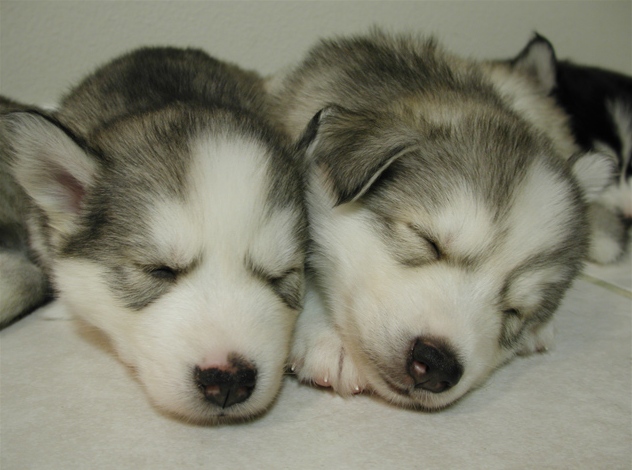
Before purchasing a puppy, it's worth inspecting the entire litter at 4-6 weeks of age. At this age, dogs are already starting to play, explore their surroundings, and show their temperament. It's important to pay attention to the living conditions and the parents. The puppies should be reasonably well-fed, clean, and active, with an excellent appetite. Carefully inspect their eyes, ears, and nose for any discharge or dirt. Puppy adoption is possible at 1.5-2 months.
A Siberian Husky puppy without a pedigree can be purchased for $500-$800, Sometimes it's cheaper to buy from someone else, but no one can guarantee the purity of the breed.Dogs with excellent breeding will cost from $800 and up, but, as a rule, the price of a husky does not exceed $1,500.
Photos
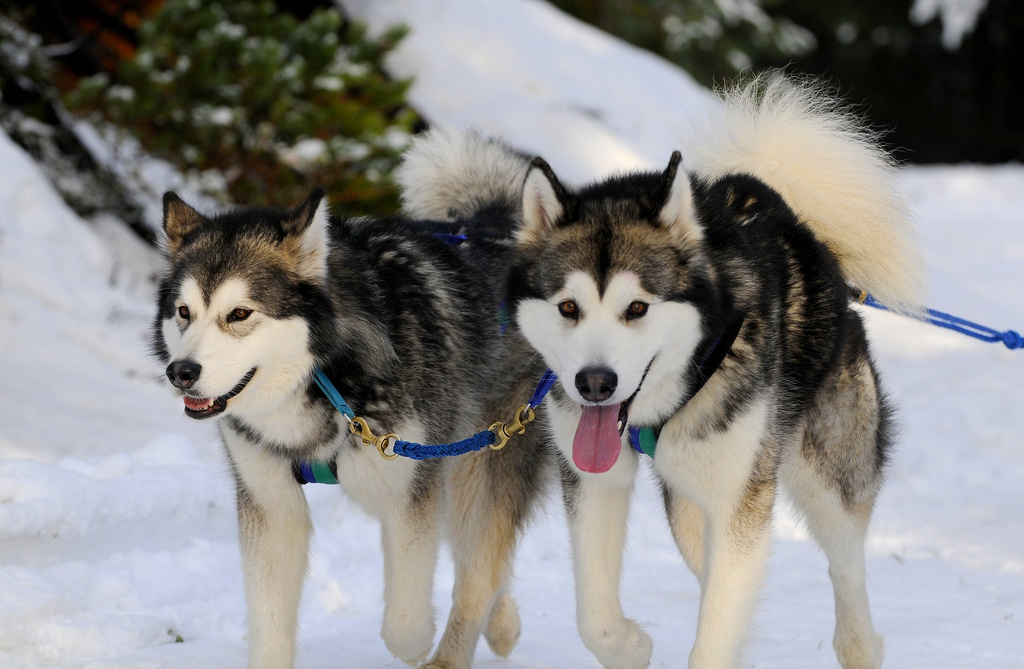
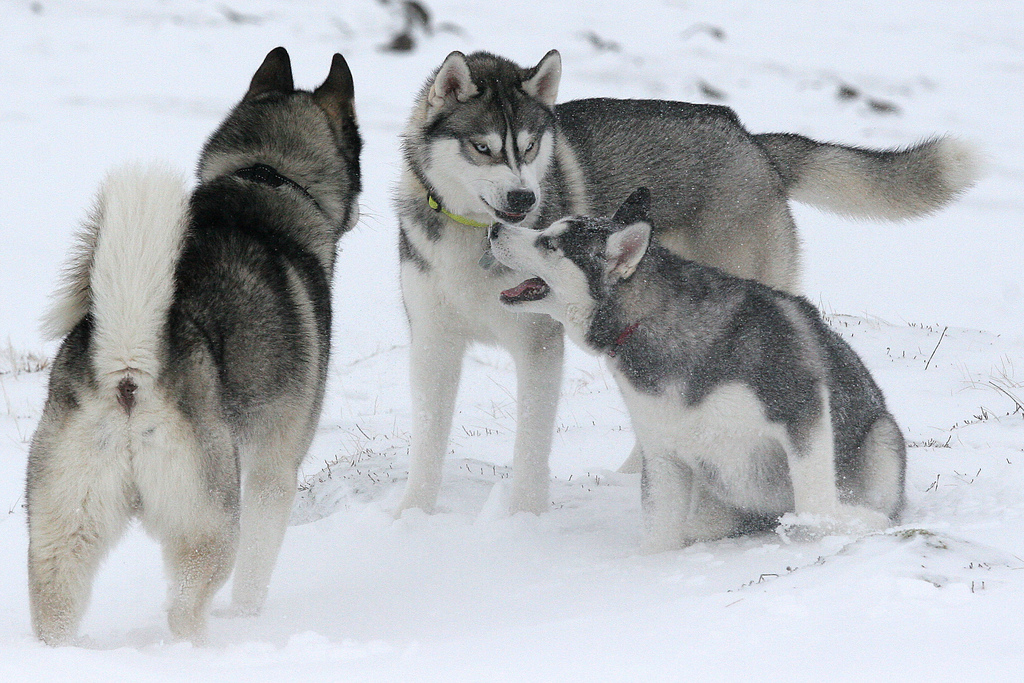
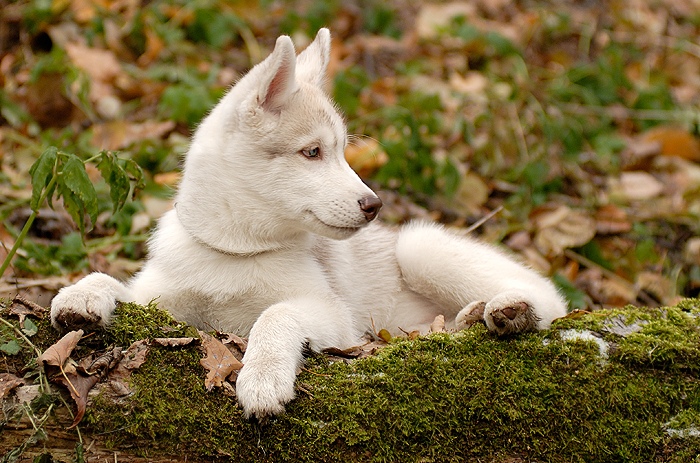
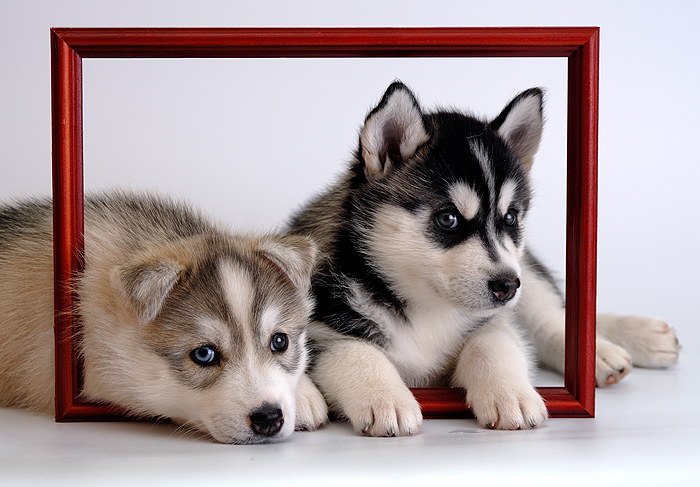
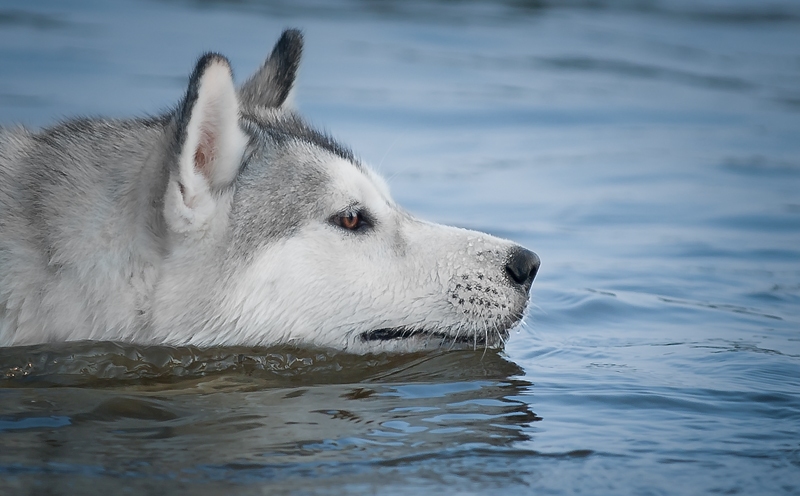
Photos of Siberian Huskies:
Read also:


Add a comment