
Siberian cat (Siberian cat)
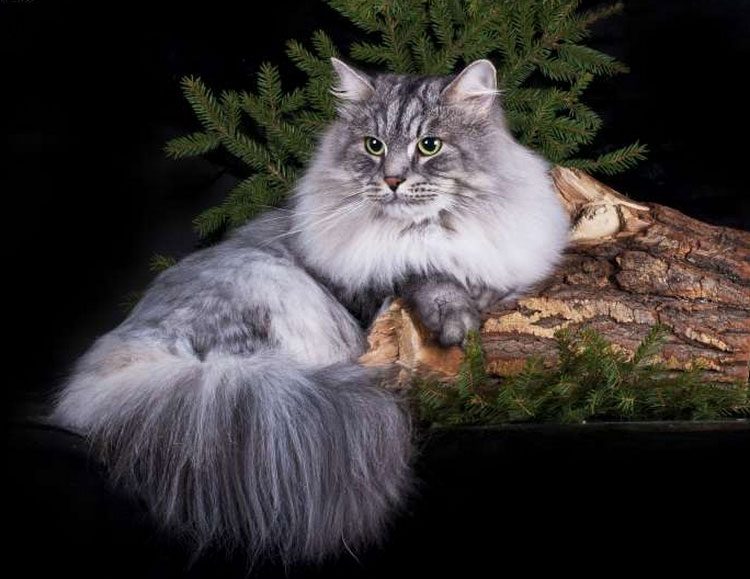
Siberian cat The Siberian cat is rightfully considered the crown jewel of Russian felinology. It has earned worldwide recognition, embodying the ideal image of a truly Russian cat. The mere mention of a Siberian cat evokes images of a fluffy, graceful animal, a favorite of many cat lovers. Cats of this breed are distinguished by their gentle nature, unpretentiousness, and the majestic appearance of "masters of the forest."
Content
History of origin
It's difficult to say for sure where the Siberian cat originated, but many scientists believe its ancestors were wild cats living in the Trans-Ural region. Very similar cats were first mentioned in 16th-century chronicles. At that time, they were called Bukhara cats. They were found throughout the Russian Empire. Some suggest that the Siberian div developed from matings between settlers' domestic cats and wild cats. In Siberia at that time, the indigenous people were predominantly nomadic. However, there were also large settlements where the population kept livestock, dogs, and cats. Bukhara cats could have arrived in Siberia with merchants from Central Asian countries. It's quite possible that Siberian, Persian, and Angora cats share common ancestors.
The Siberian cat is an aboriginal breed. Its unique characteristics were shaped by harsh weather conditions, which contributed to the development of long, dense fur and a thick undercoat.Video review of Siberian cats:
Appearance
Siberian male and female cats are distinguished by their robust build, well-muscled. They are excellent fighters, adept at defending themselves. Siberian cats weigh between 4 and 9 kilograms. As we can see, they are certainly not small animals. Despite their size, Siberian cats have a rather elegant appearance, thanks to their slender build, playful nature, and stunningly thick, long fur. They make quite an impression. tassels at the ends of the ears, which are sometimes found in Siberian cats. Externally, the Siberian cat is very similar Norwegian Forest Cat, it can be difficult to distinguish them in photos.
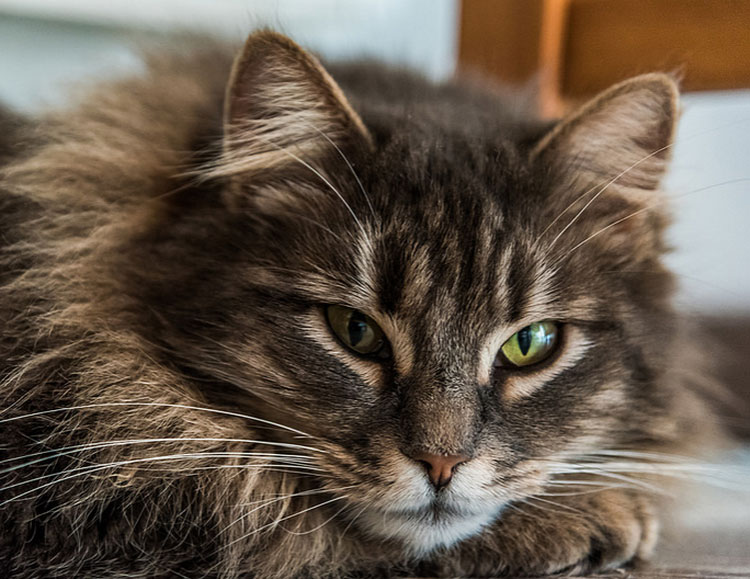
The head is small but broad, with low-set cheekbones, a rounded muzzle, and a matching chin. It is proportionate to the body size. The forehead is slightly convex with smooth, rounded features and a slight transition in profile. The eyes are oval, medium in size, and slightly slanted. The nose is wide, with no protrusions along its entire length. The cheeks are full. The ears are medium in size, wide at the base, with slightly rounded tips. The ears are wide apart, and the ears protrude slightly forward.
Individuals of both medium and large size with well-developed muscles are found. In addition to this characteristic, they are characterized by a short, strong neck, well-developed, muscular limbs of medium length, large, round paws (the front ones are shorter than the back ones) with tufts of hair between the toes, and an elongated, furred tail with a profuse undercoat, tapering slightly at the tip.
This cat is a long-haired breed. Its coat is considered its most distinctive feature. But not because of its length: it is non-allergenic, even for those most prone to allergies. The climatic conditions of its native environment have predetermined the development of its distinctive coat, which consists of a wiry outer coat and a dense undercoat.
So, if your beloved pet is a Siberian cat, allergies are not a concern. Thanks to its hypoallergenic properties, the breed is spreading rapidly.
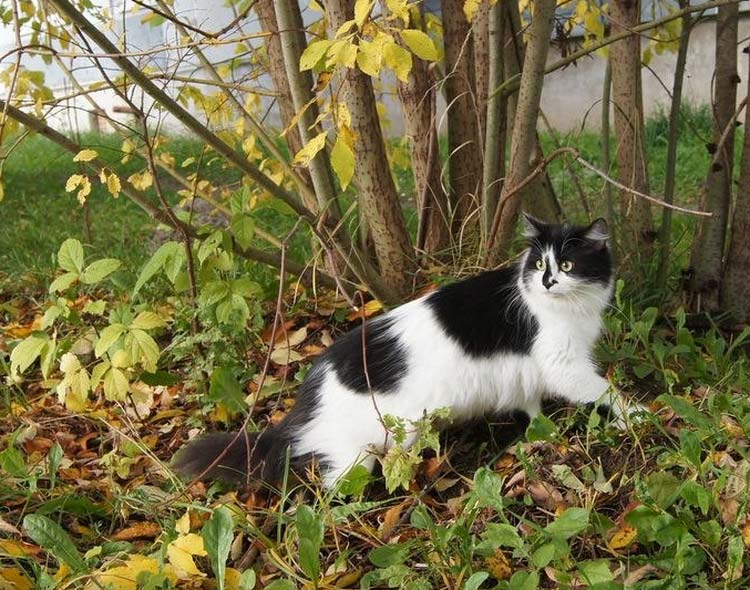
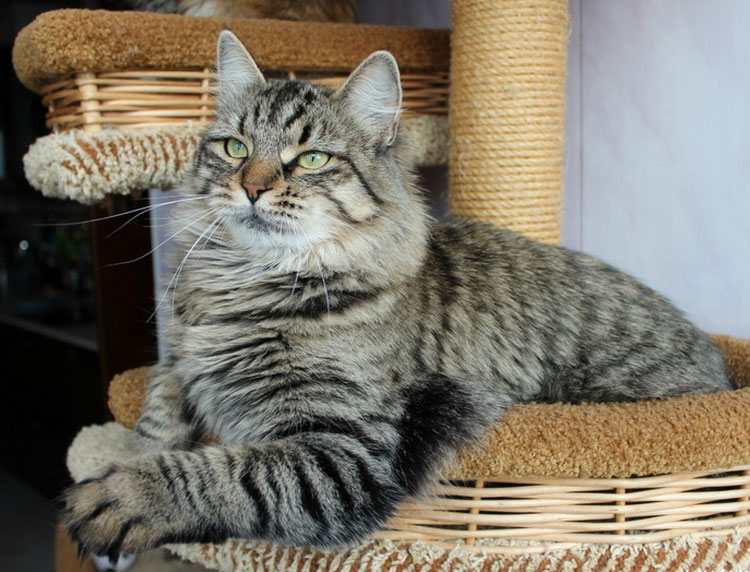
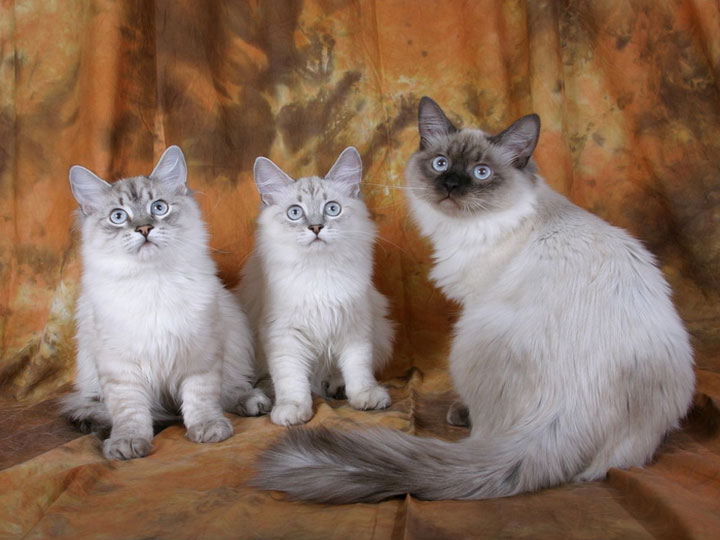
Siberians come in a wide variety of colors. Currently, the known colors are black brindle, colorpoint, marbled, and black spotted colorsSiberian cats are often found with tabby and chinchilla markings. Golden and silver Siberian coats are considered quite rare. But that's not all the surprises these cats' coats can offer, as they can also be white or bicolor. What about cats with smoky, tortoiseshell, or red coats? A truly astonishing variety.
The character of Siberian cats
Much can be said about the Siberian cat's personality, but there are some particular advantages of the breed that are worth noting. Siberian cats are very bold and courageous by nature. They are capable of fighting to achieve what they want, which is unusual for cats in general. Siberian cats, however, can even fight a German Shepherd, acting boldly and decisively. They love freedom, long walks, and hunting. Therefore, this breed is not well suited for apartment living.
The Siberian cat's personality is a blend of the habits and emotions of various wild and domestic cat species. Modern representatives of the breed retain a natural hunting instinct and are always ready to find prey. To satisfy this need, the Siberian cat needs regular walks.
Siberian cats are excellent fathers. They will patiently help their mother cat raise her litter. Another rare trait among cats is that Siberian cats can live together their entire lives, enjoying each other's company.
Cats of this breed are extremely independent and won't chase their owner around. They have more important things to do. But that's not to say they're indifferent to their family. Far from it. They love both their owner and other family members, which they regularly demonstrate through their obedience, playfulness, and devotion. If a family member falls ill, a caring Siberian cat will stay by their side until they recover. But generally, Siberian cats choose a single leader and give them their utmost loyalty. They won't disregard other family members either, but they may treat them with a touch of superiority.
Features of maintenance and care
A Siberian cat can live in an apartment, but given its origins and love of freedom, this isn't the best option for this breed. In a private home, a Siberian cat is more than just a pet. It's also an excellent rodent hunter, repelling mice and rats with its mere presence. This does have a slight downside. If you have a Siberian cat in your home, it's best to avoid rodents like hamsters. The animal's predatory nature will inevitably take over, and at the first opportunity, the cat will attack. The ending, I think, is clear.
If you live in the city, accompany the kitten outside at first. If you live in a house, take the cat outside for a while. You can even build a small enclosure – this will serve as an outdoor crèche for the kitten. As the Siberian kitten gets used to the outdoors, it will begin to expand its range. Don't worry, the cat will definitely return to the house when it's done exploring.
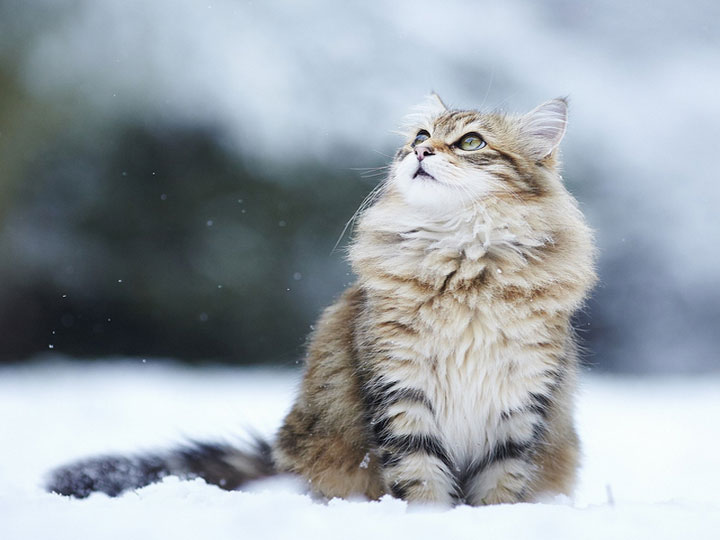
A proud Siberian cat can revel in a tree growing in the yard or the construction of a large structure, whose heights she'll strive to reach. Siberian kittens often enjoy climbing cabinets, so you'll have to watch them to make sure they don't drop anything valuable. Siberians tolerate cold well, and heavy snowfalls won't dampen their love of walks and exploring their territory. After all, they're from Siberia and are accustomed to the cold.
Care
Unlike some "capricious" breeds, this pet doesn't require constant care. If you ask professional breeders how to care for a Siberian cat, they'll unanimously recommend meticulous grooming. Indeed, the thick, wiry coat requires frequent and thorough brushing with a strong comb 2-3 times a week. Brush the coat in small "batch" sections, reaching the roots carefully and gently, ensuring the comb doesn't slip through and cause tangles.
During the seasonal shedding period, Siberian cats will require careful handling and frequent brushing.
Siberian cats don't require frequent bathing; two to three times a year is perfectly normal. As an exception, pets participating in shows are bathed frequently. However, it's important to acclimate your cat to bathing, as well as to a scratching post, from puppyhood.
Nutrition
Siberians happily eat any food, from natural ingredients to artificial dry mixes. A natural diet should include meat products, fermented milk and cottage cheese products, seafood, and quail and chicken eggs. When feeding a natural diet, special vitamin and mineral supplements should be added. When choosing a prepared food, look for complete diets for longhaired cats, at least of premium quality. Some lines (for example, Royal Canin) offer foods specifically designed for this breed.
Health and life expectancy
Siberian cats rarely complain of ill health. Overall, this breed rarely suffers from illness, and only poor care or hereditary conditions can worsen the animal's condition. The most common congenital condition is hypertrophic cardiomyopathy, a genetic abnormality of the ventricular walls of the heart. However, this condition is the exception rather than the rule. Siberians have a lifespan of 13-14 years.
To prevent possible health complications, cats are vaccinated according to a standard schedule determined by a veterinarian. In addition, pets are regularly dewormed, given preventative examinations, and receive ear cleanings.
Choosing a Siberian kitten and the price
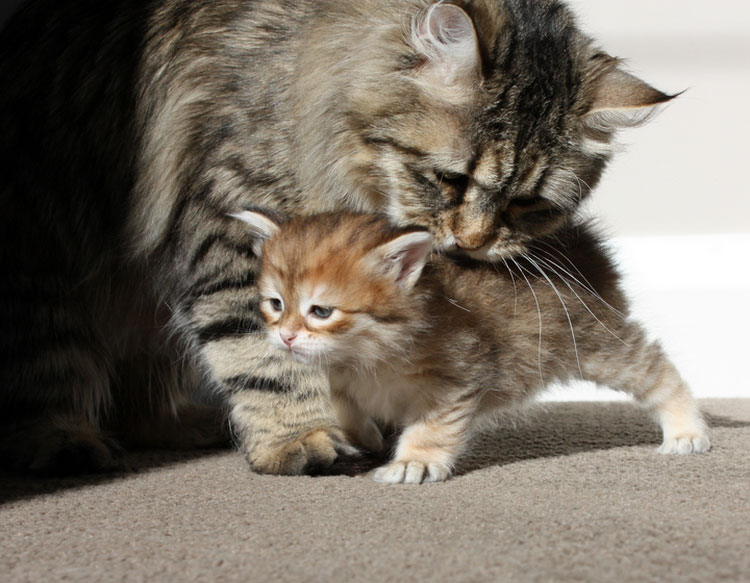
It's best to adopt kittens when they're closer to three months old. At this age, they're already eating regular food, litter-trained, and socialized with humans and other animals.
Owners claim that a Siberian cat's personality is determined in puppyhood and changes only slightly with age. Therefore, when buying a pet, pay attention to its behavior. If the kitten is cheerful and active, it will continue to delight and amuse you with its mischievous nature. However, it's not a good idea to buy a lethargic and timid kitten. With age, a frightened animal can grow into an aggressive and unsociable animal.
When buying a Siberian cat, ask the breeder for the animal's paperwork, confirm its vaccinations, and confirm its deworming history. Check that the animal's paperwork is complete and accurate. If you're buying remotely, be sure to see photos of the Siberian cat before purchasing it, or better yet, watch a video of it and its parents. This way, you can at least visually determine the kitten's breed match.
The average price of a Siberian kitten from a cattery is 20,000 rubles. Individual kittens can be sold for up to 5,000 rubles. Pedigree kittens from private breeders typically cost around 10,000 rubles.
Photos
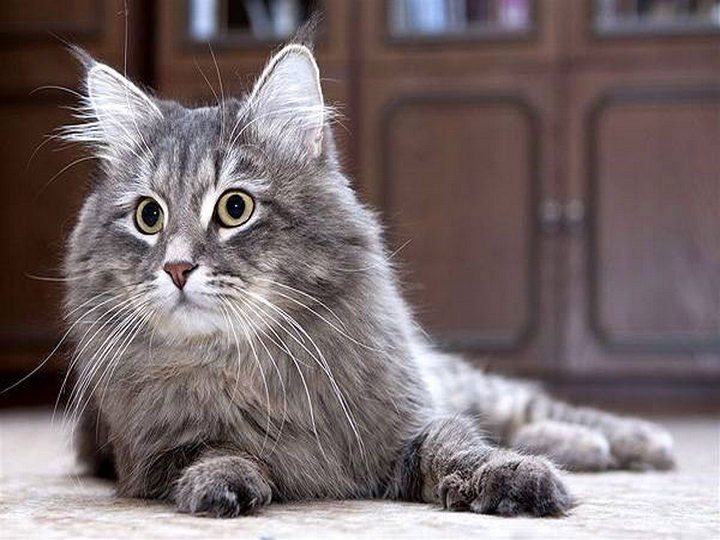
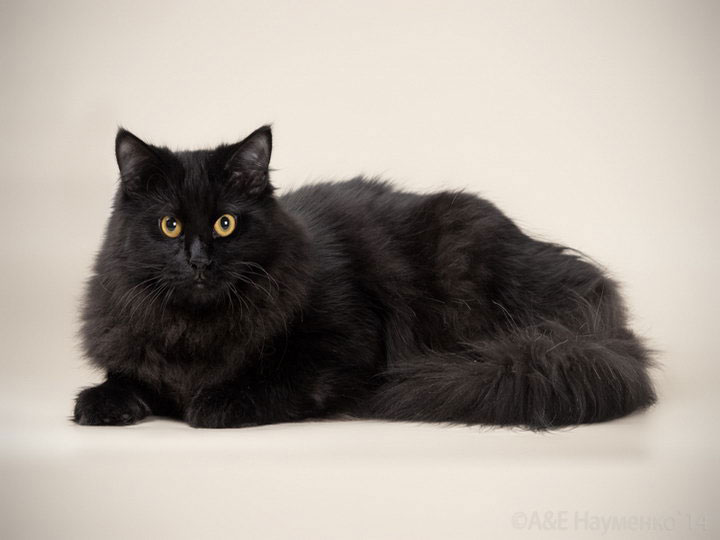
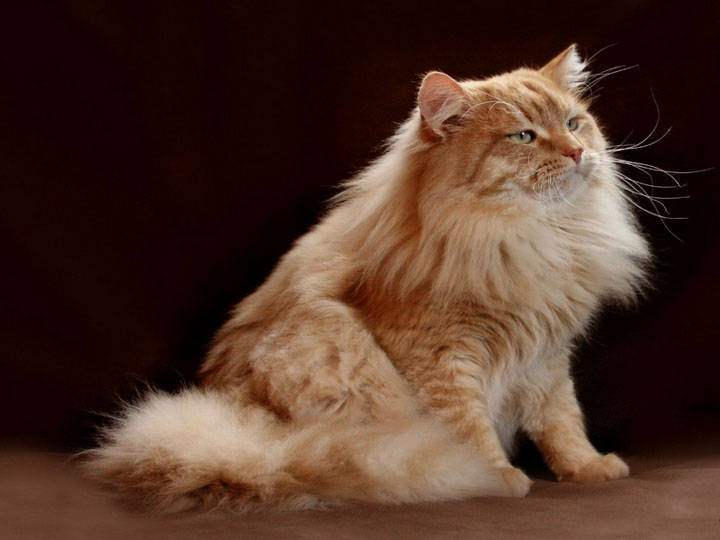
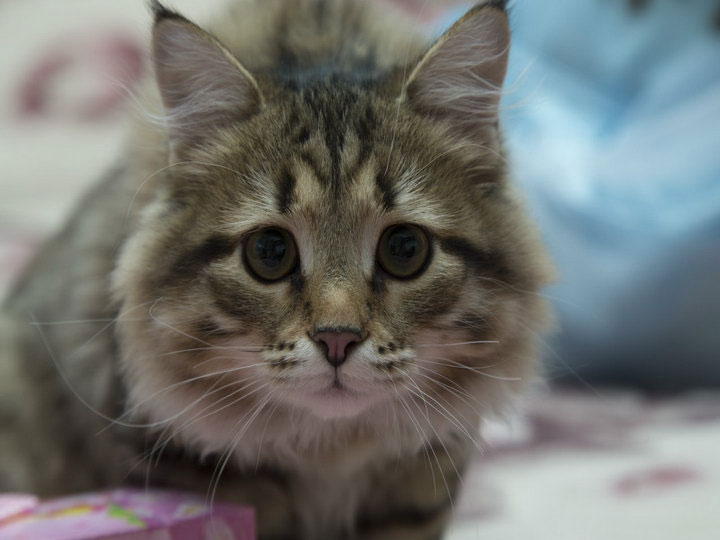
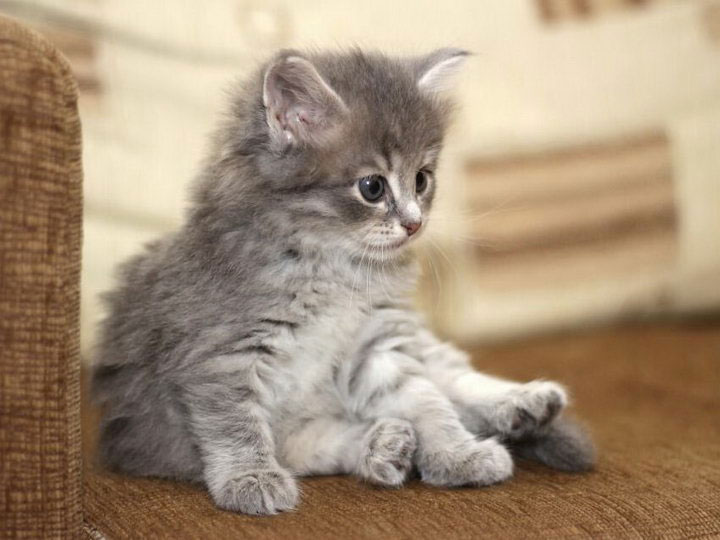
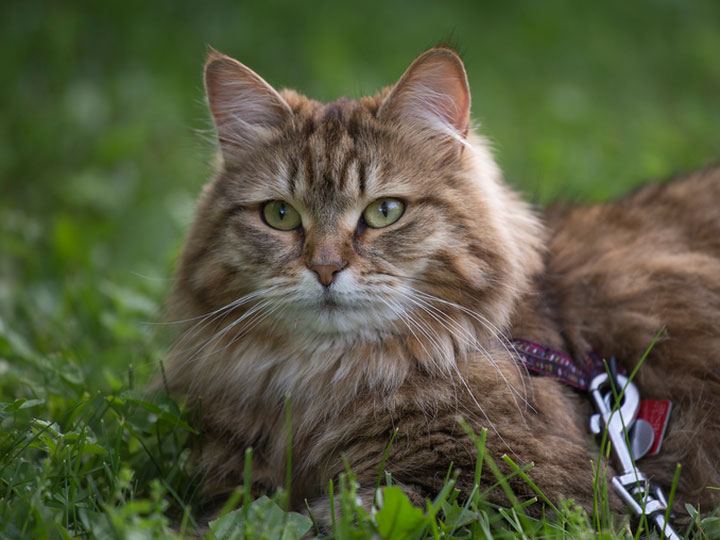
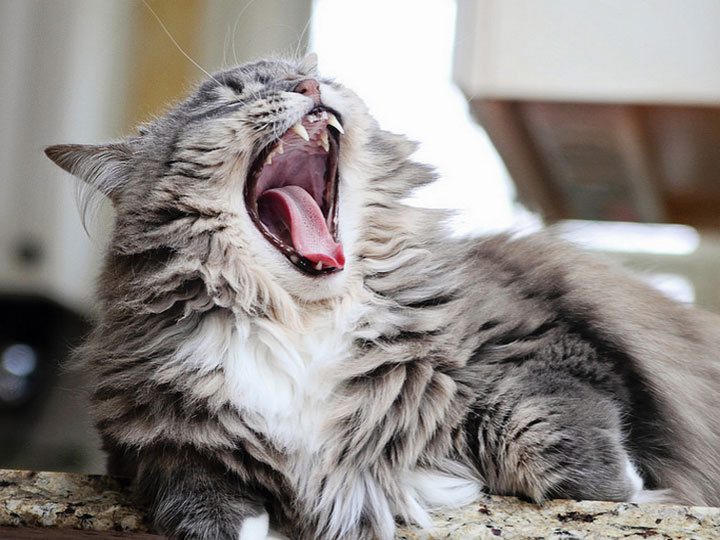
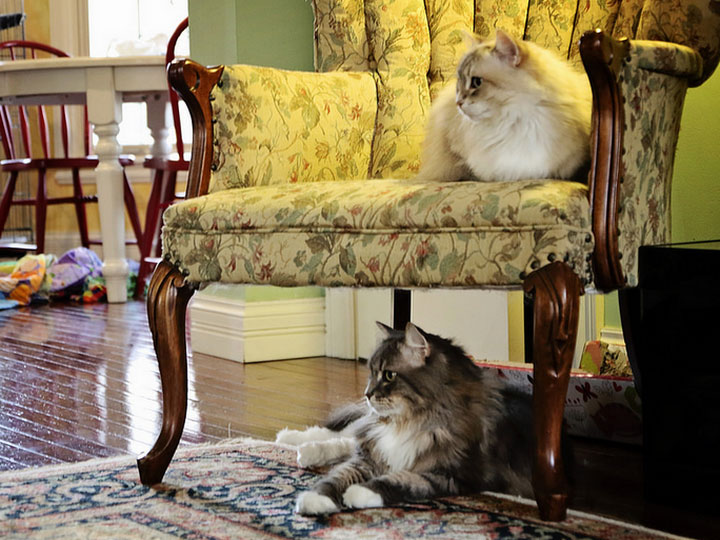
This gallery features photos of Siberian male cats, female cats, and kittens. Animals of a single breed—the Siberian cat—are presented in all their glory:
Read also:


Add a comment