
Shiba Inu (Shiba Inu)
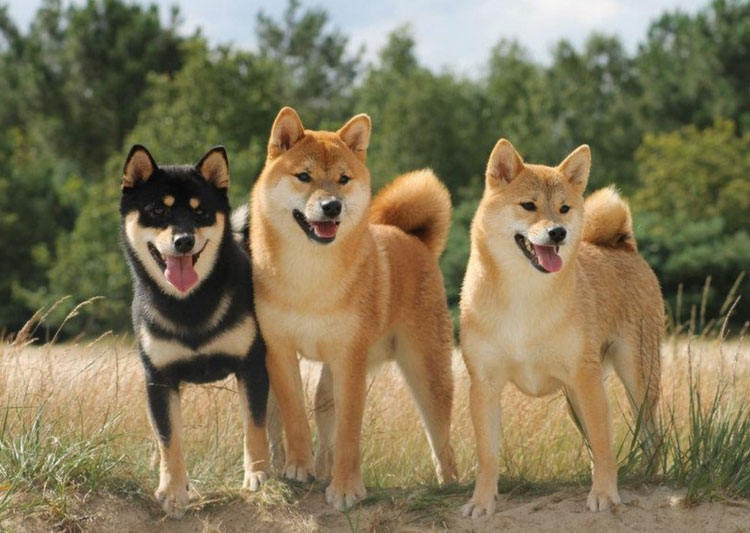
The Shiba Inu, or Shiba Inu, is one of the most popular Japanese dogs. The breed is still considered a hunting dog, although it hasn't been used for that purpose for over a century. The Shiba Inu has a striking appearance, which conceals a complex temperament. After reading the breed description, people often put off the idea of owning this small, cute creature.
Content
History of origin
Genetic studies have suggested that the Shiba Inu is one of the most ancient Asian breeds. Its appearance was formed by crossing native Japanese dogs with Spitz-type dogs imported from the continent. Of course, at that time, the breed as such did not yet exist, but a type with distinct appearance and character traits had already been established.
At the end of the 19th century, after the opening of Japan to foreigners, the indigenous Japanese breeds They began to actively interbreed with the newly arrived population, of which there were a huge number. As a result of uncontrolled crossbreeding, all local breeds, including the Shibaken, were endangered. In 1928, the Japanese government supported the creation of the Nippo Society for the Preservation of Native Breeds, and the Ministry of Education granted them the status of natural monuments. Several purebred dogs were selected and a temporary herd was created; a small group of these was named Shibaken.
Thanks to the painstaking work of breeders, the breed was successfully revived and a standard was established in 1934. Two years later, the Shiba Inu was declared a national treasure. This played a huge role in its popularization and further development. That same year, the Shiba Inu, Kai, and Akita Inu were recognized as independent breeds.
The Shiba Inu was on the brink of extinction for the second time after World War II. In 1947, restoration efforts began, and the breed was saved. The FCI recognized the breed in 1964. By the early 1970s, European breeders had begun breeding it. In 1987, the breed debuted at Crufts, where it was highly praised by the British.
In their homeland, only three organizations breed the Shiba Inu and maintain studbooks: Nippo, the Japan Kennel Club, and Shibaho. The breed is among the top ten most popular in Japan, and in the United States, it ranked a respectable 46th in 2016.
Video review of the Shiba Inu dog breed:
Appearance and standards
Europeans and Japanese view the Shiba differently. In their homeland, they emphasize the dog's appearance, but also its inner, spiritual strength, which is emphasized in the standard.
The Shiba Inu is very similar in appearance to the Akita. It would be very difficult for the average person to tell them apart from a photo. People have even started calling the Shiba Inu a dwarf or mini Akita, which is completely incorrect; they are two completely different breeds.
Basic provisions of the standard
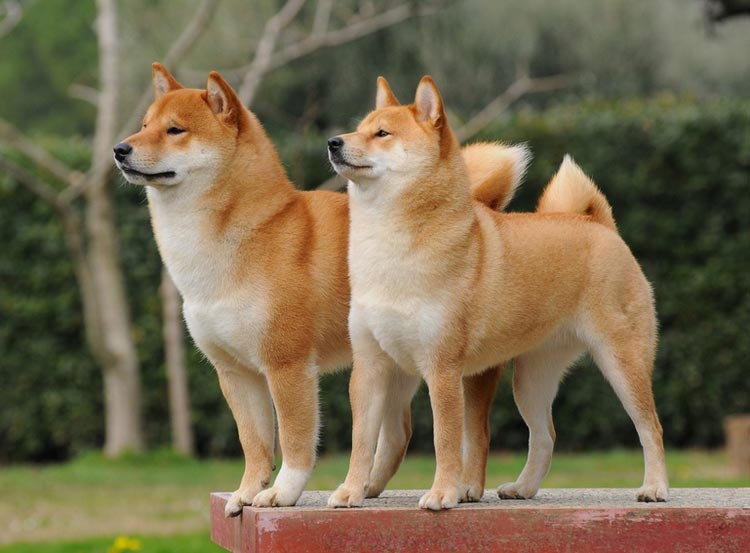
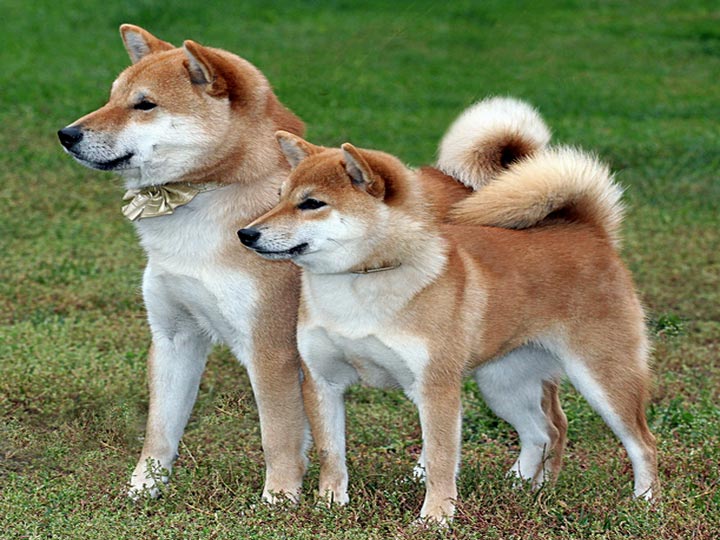
Shiba Inus are small dogs with a harmonious, proportional build, strong bone structure, and well-developed muscles. Their movements are fast and free. Males are very different from females; they are taller, more robust, and have a richer coat. Males stand 38.5-41.5 cm tall, while females stand 35.5-38.5 cm tall. Males weigh 9-14 kg, while females weigh 8-13 kg.
The head is distinguished by a wide cranial region. The stop is well defined, with a moderate longitudinal furrow. The muzzle is slightly pointed. The bridge of the nose is straight, and the tip is black. The lips are tight. The bite is correct. The eyes are triangular in shape, slightly slanted, and small in size. The irises are brown. The ears are small, triangular in shape, and erect, with the tips pointing slightly forward.
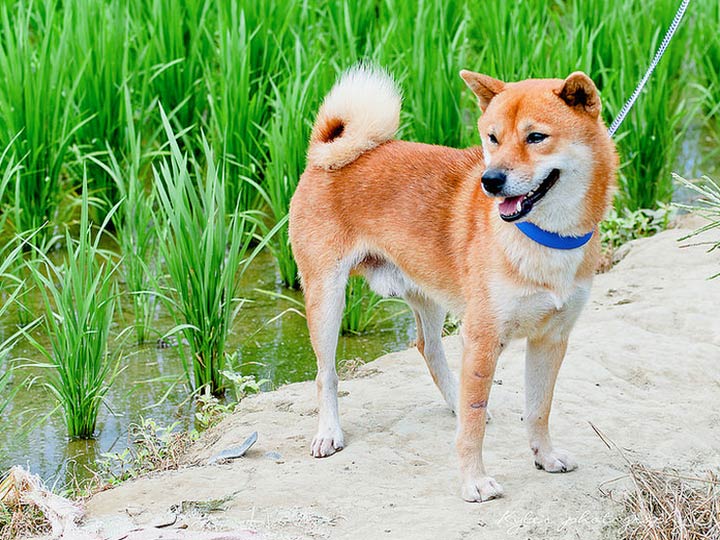
The Shiba has a beautiful, proud posture. The neck is strong. The back is straight and firm. The belly is well tucked up. The tail is set high and curls over the back. The legs are straight. The hind legs have long thighs and short lower legs. The pads are firm, and the claws are dark and strong.
Shiba Inu coat and colors
The coat is very thick, dense, not long, and consists of straight, stiff guard hairs and a soft, dense undercoat that raises the guard hairs.
Several colors are allowed:
- Ginger;
- Sesame;
- Red sesame;
- Red sesame;
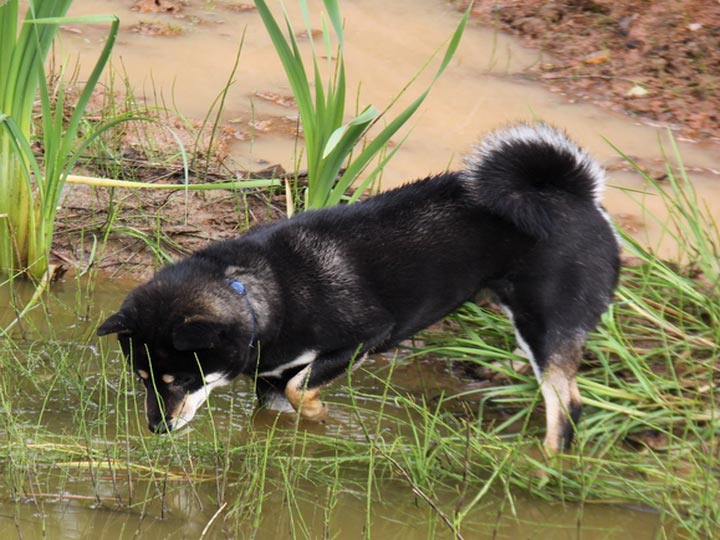
- Black and tan (Spots can be either rich red or almost white).
The "sesame" prefix means that the ends of the light-colored hair are dyed black over no more than 50% of its length. This makes the dog look as if it's been dusted with black powder.
Regardless of color, a Shiba must have "urajiro." This Japanese term describes the specific distribution of pigmentation in the coat, resulting in a much lighter color on the sides of the muzzle, cheeks, neck, chest, belly, underside of the tail, and limbs.
Light sandy and white colors are undesirable. A bright, vibrant red color is preferred.
Character and psychological portrait
The Shiba Inu is distinguished by a strong, balanced temperament. The Japanese believe this dog must possess three essential qualities: a good character, bold audacity, and simplicity. A good character implies loyalty, submissiveness, and gentleness. Bold audacity (Japanese: Kan-i) is an equally important trait. It signifies a dog that is bold and calm, brave and courageous, but not reckless, and always vigilant and cautious. There is a test in Japan to determine Kan-i. Two Shibas are pitted against each other and their behavior is observed. A dog with good Kan-i faces an adversary boldly, stares without turning away, does not lower its eyes or tail, does not change its posture, and holds its head high. It does not attack without provocation. In other words, simplicity means guilelessness, simplicity, and sincerity.
What the Japanese so beautifully describe is truly characteristic of this breed. The Shiba Inu is intelligent and smart, and habits are very important to it. It is affectionate with its family, modest, and good-natured. But it is also quite willful and feline-like independent. It is very sensitive to its owner's affection, but reserved in its expressions of affection and, like a cat, plays or allows itself to be petted only when it wants to. Shiba Inus often make their own decisions and follow their own convictions, demonstrating unprecedented cunning and persistence. As they mature, they will try to dominate and control their owners.
Shiba Inus need good early socialization. If they aren't accustomed to other animals, people, children, sounds, and surroundings as puppies, they may grow up fearful or, conversely, overly aggressive, and this can't be corrected.
Shibas were once used as hunting dogs, tasked with flushing pheasants and other mountain birds. Today, these dogs have largely lost their skills, having long been bred exclusively for show, but traces of their hunting heritage can still be seen in their habits and temperament.
Education and training
Shiba Inus are intelligent and quick-witted dogs. They learn commands very quickly, but are slow to follow them. It's often said that they are difficult to train, but more likely they are too independent, stubborn, and prone to show off their character. Furthermore, you won't expect a Shiba to obey unless it views its owner as a leader. A Shiba won't perform commands flawlessly and instantly, with gratitude in its eyes, or run alongside you on walks; it has many other, more important things to do. It considers itself smarter than humans, and can only be reasoned with.
The Japanese compare training a Shiba to making origami. To achieve results, you need patience, perseverance, precision, delicacy, and skill.
When working with a Shiba, don't be overly insistent. The dog must be willing to obey a command. It's crucial to persist with regular training. By two years old, the puppy will mature into an adult dog, becoming calmer and more obedient if sufficient effort has been invested in it.
Content
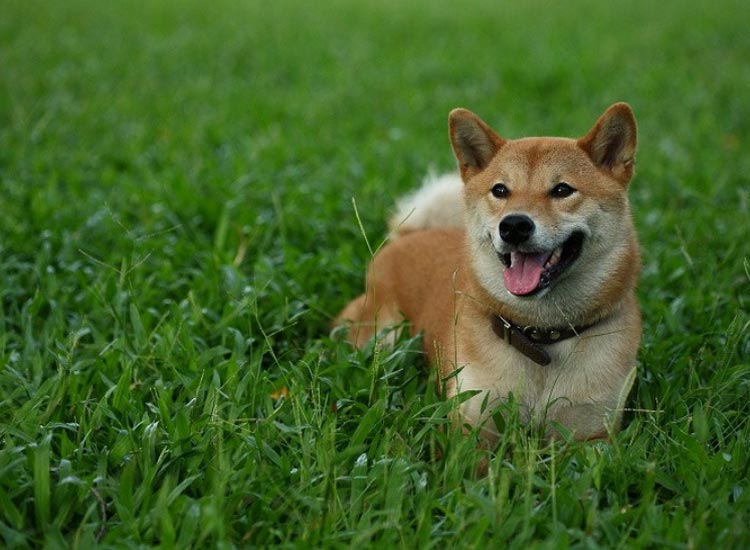
This small dog is very suitable for apartment living. Shibas are neat and calm, clean, and moderately active. While they can be mischievous and destructive as puppies, they're far from the destructive behavior of, say, Labradors. Shibas rarely bark, which will undoubtedly please neighbors. They should have their own private, secluded, and comfortable spot in the house, from which they can observe everything that's going on.
Usually gets along poorly with other animals and does not like to share territory. Even on walks, the Shiba prefers to keep her distance from other dogs and seek solitude. She can be hostile, especially toward dogs of a different breed and gender. She hunts small animals and birds. Cats irritate her.
The Shiba Inu requires moderate, regular exercise. It's best to allow the dog to walk off-leash. Sibes are very active and energetic and love to play. It's important to remember that this dog is a former hunter; outside, it will follow scents and tracks, run around a lot, and may disappear from its owner's sight for long periods. Once it's done with its business, it usually returns.
Care
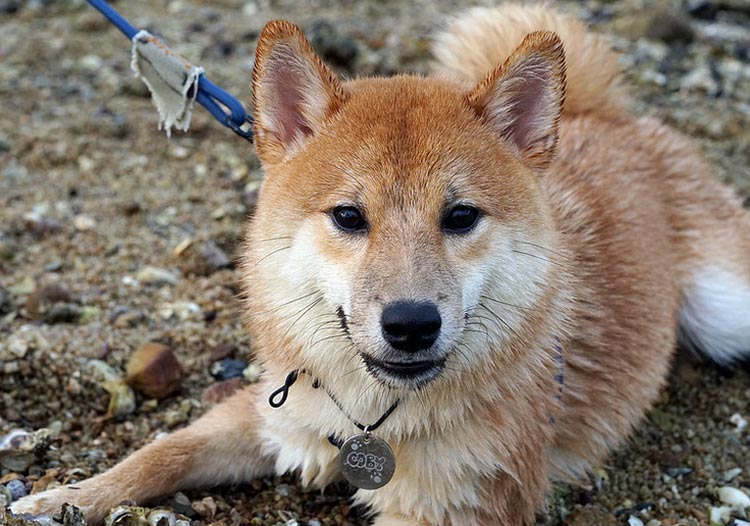
Siberian Huskies are very clean dogs, avoiding puddles and dirty areas, and licking their paws after walks. Their coat allows them to withstand rain and snow well. Regular brushing and monthly baths are sufficient to maintain a neat appearance. Other recommended hygiene procedures include ear and teeth cleaning, nail trimming, and trimming between the paw pads.
It's crucial to acclimate a stubborn pet to all procedures from an early age. With the right approach, even as a puppy, a Shiba will tolerate all cosmetic and veterinary procedures.
Diet
The Shiba Inu's origins are islands, meaning its diet will differ from that of mainland dogs. In its native land, the Shiba's diet consists of seafood, seaweed, fish, and rice. Most meats cause allergies, and many grains are indigestible. Dry foods contain soy and other ingredients that can cause digestive upset and provide no nutritional value for the Shiba. The closer the dog's ancestry is to Japan, the more difficult it is to select a diet, and the more likely it is to prefer seafood over meat.
It's essential to ask the breeder what, when, and how to feed a Shiba Inu, rather than experimenting and choosing food yourself.
Health and life expectancy
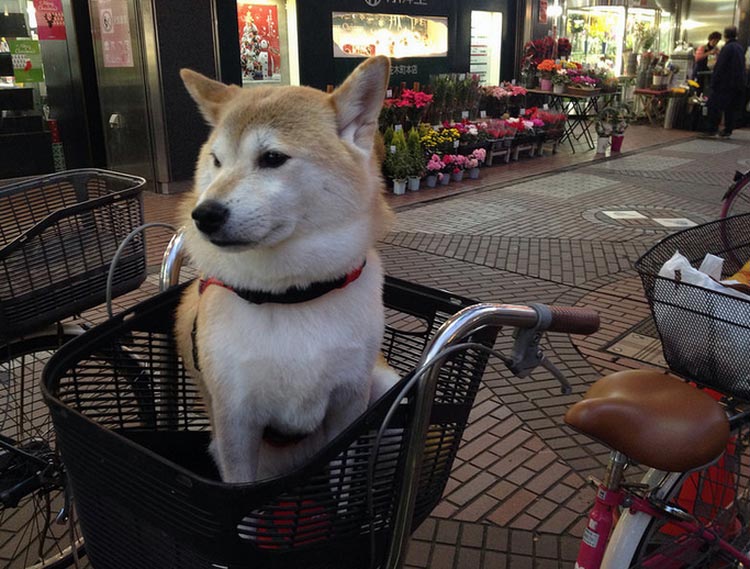
Shiba Inus are easy-to-care-for and generally healthy. They have not been found to have any serious genetic abnormalities, but they are susceptible to a number of health conditions:
- Von Willebrand disease;
- Patellar dislocation;
- Hip dysplasia;
- Osteochondritis dissecans;
- Hypothyroidism;
- Uveitis.
In addition, Shibas are sometimes diagnosed with pigmentation disorders, manifesting as vitiligo or premature graying. The average lifespan is 12-13 years. Members of this breed tend to age late.
Buying a puppy and price
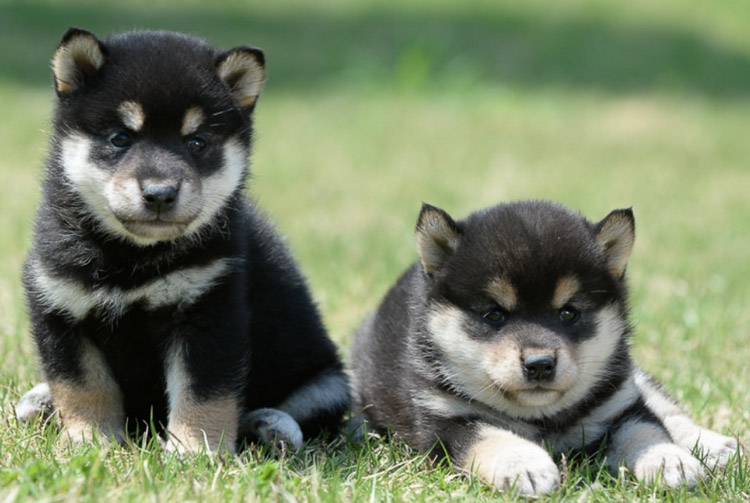
Shiba Inus, like other Japanese breeds, are currently at the peak of their popularity. They first arrived in Russia only in the late 20th century. Their numbers are still very small, their litters are small, and their breeding practices are strictly regulated. Therefore, buying a Shiba Inu puppy from a private seller or at a pet market is unlikely. Puppies are primarily sold by kennels or official breeders. When choosing a puppy, it's important to evaluate its compliance with standards as much as possible. Certain characteristics are also taken into account, such as the much darker coat of young dogs. Temperament and, of course, the parents are also considered.
Purchasing puppies from reputable breeders can be challenging. There's often a waiting list several litters deep.
After learning the price of a Shiba Inu puppy, many switch to other small breeds. The price of a good pet-class puppy (not for breeding) starts at 50,000 rubles. A dog of elite bloodlines, destined for breeding or show, can cost up to 5,000 euros. As experience with other breeds shows, over time, the dog population will increase significantly, and the price will decrease. If you see an ad for a purebred Shiba Inu puppy for sale for up to 20,000 rubles, the attractive title likely conceals a puppy born from an unplanned mating without papers, or a mixed-breed.
Photos
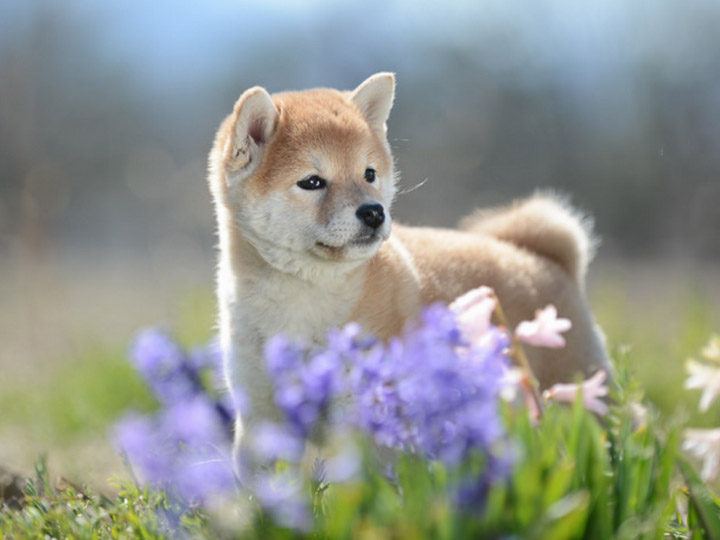
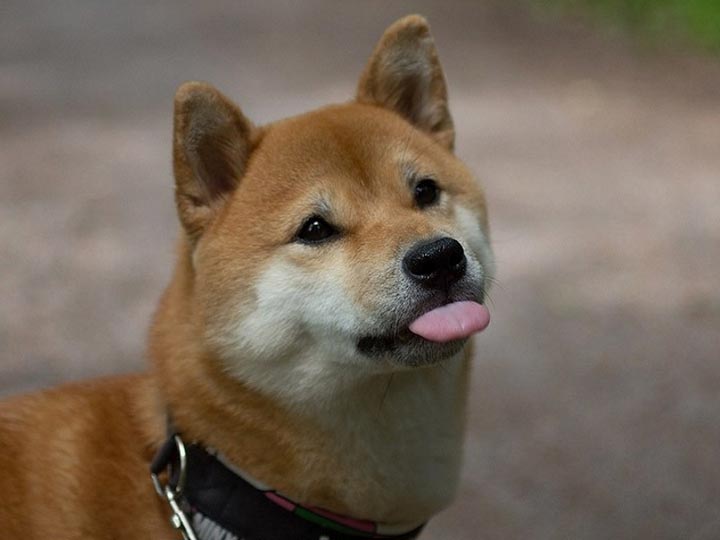
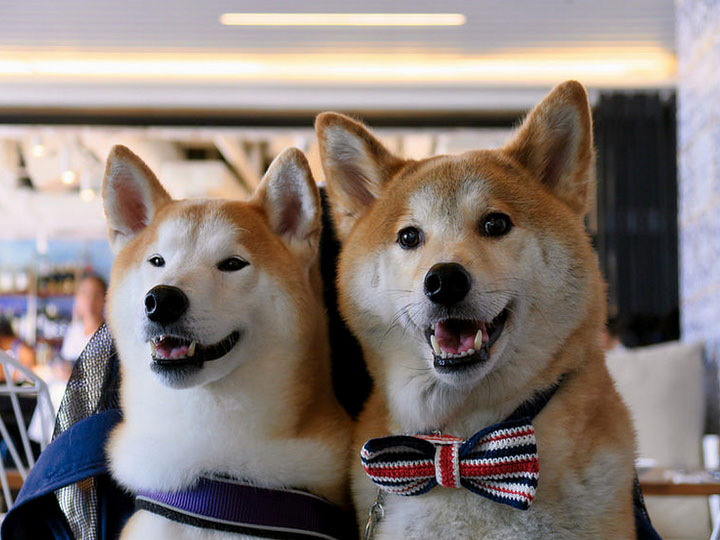
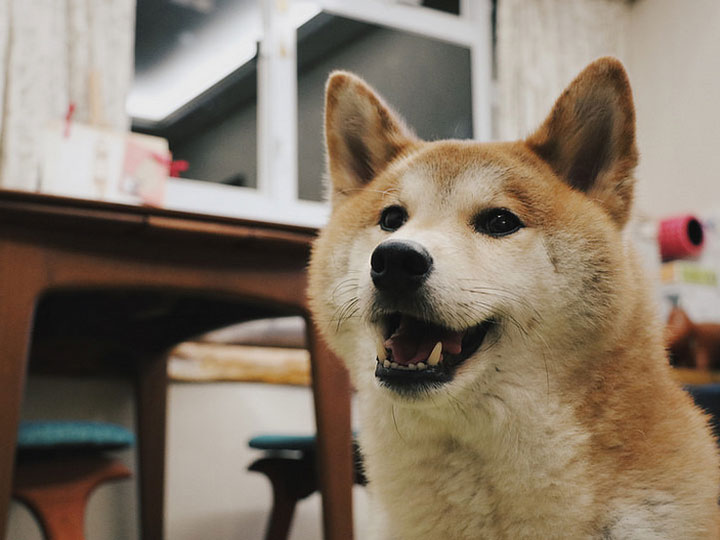
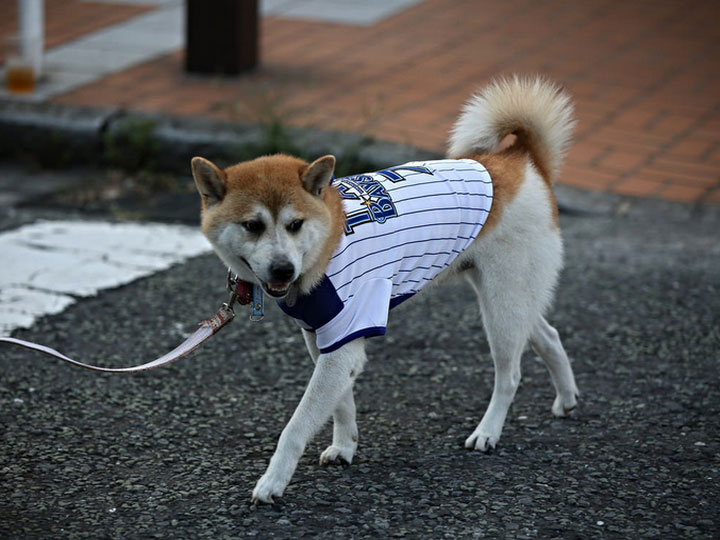
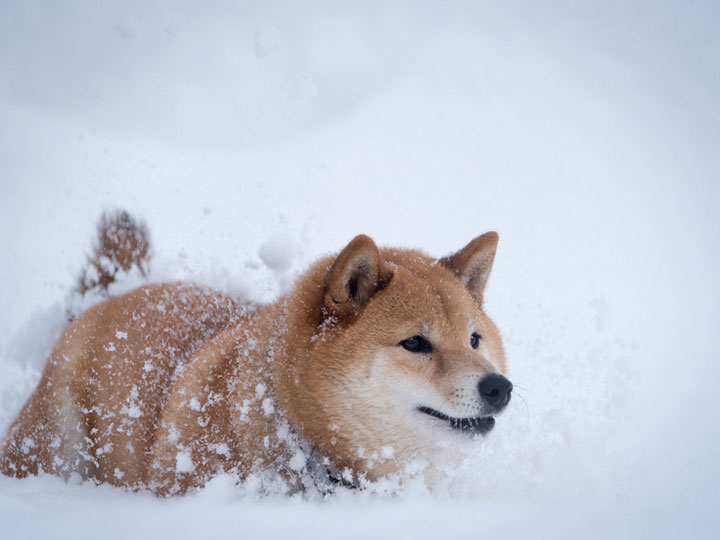
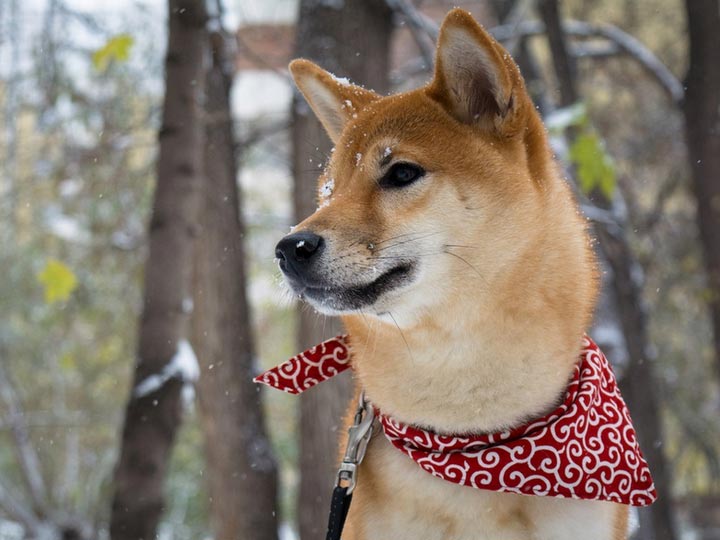
Photos of puppies and adult dogs of the Japanese Shiba Inu dog breed:
Read also:


2 comments
Julia
I bought my Yoshi for 50,000 rubles. I was warned that the puppy was pet-grade. He has a defective coloring, the tip of his tail is white. Otherwise, he has an excellent pedigree (his parents were brought from Japan as puppies), and he's a handsome, active guy. He's very complimentary. Here in Saratov, Shibas are exotic. People call us huskies, huskies, akitas (of course), and even corgis. By the way, he's friendly with cats. Or at least he thinks so. He'll pounce on you with his whole body and bite, sometimes lightly, sometimes playfully. And walking alone is not for him. He loves the company of other dogs, especially large ones. Huskies and Labradors are his thing. They say correctly about Shibas that they're like samurai. They don't care about the size of their opponents; they're very brave.
Tatyana Shmonina - veterinarian
Hello! This is an ancient, active breed, developed for hunting. In 1936, it was declared a national treasure in Japan, where most of these dogs live in villages.
Add a comment