
Swedish Lapphund (Lapland Spitz)
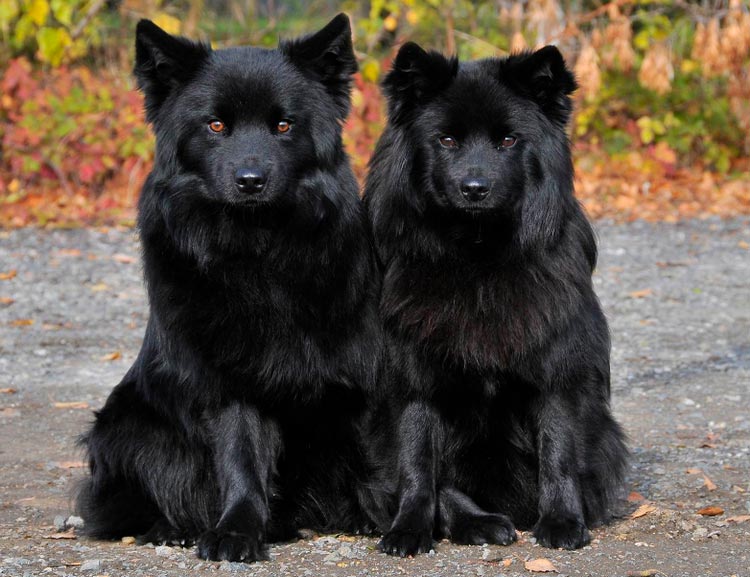
The Swedish Lapphund (Lapponian Spitz) is a small, energetic, black dog from the Nordic Spitz group. It is considered one of the oldest Scandinavian breeds. It was once used for herding reindeer, guarding, and hunting. Today, it has proven itself as a companion dog and is suitable for various canine sports.
Content
History of origin
The Swedish Lapphund is likely a descendant of the ancient Spitz. Dogs of this type accompanied nomadic Sami tribes for centuries, protecting them from wild animals and guarding property. During the era of sedentary reindeer herding, they retrained as herders and were capable of managing large herds of reindeer. The Swedish Lapphund directs animals with its voice and also deters predators. In character and appearance, it closely resembles the Nenets reindeer herding dog.
Another name for the Swedish Lapphund (Swedish: Svensk lapphund) is the Lapland Spitz. Breeders and enthusiasts call it the "Lapland Black Gold."
It is known that the Sami always cut off the tails of their dogs to prevent them from freezing to their backs. A congenital bobtail is not typical for the breed, but double tails are. dewclaws They were considered a useful addition to snow work. Colors varied widely, with black and black-and-tan dogs being preferred. In myths and legends, they were considered a link between humans and the other world.
By the twentieth century, the Spitz population had dwindled. The restoration of this unique breed began in the 1930s and 1940s with the support of Gustav V, King of Sweden. The breed standard was approved in 1944. The Fédération Cynologique Internationale (FCI) recognized the breed in 1955.
Purpose
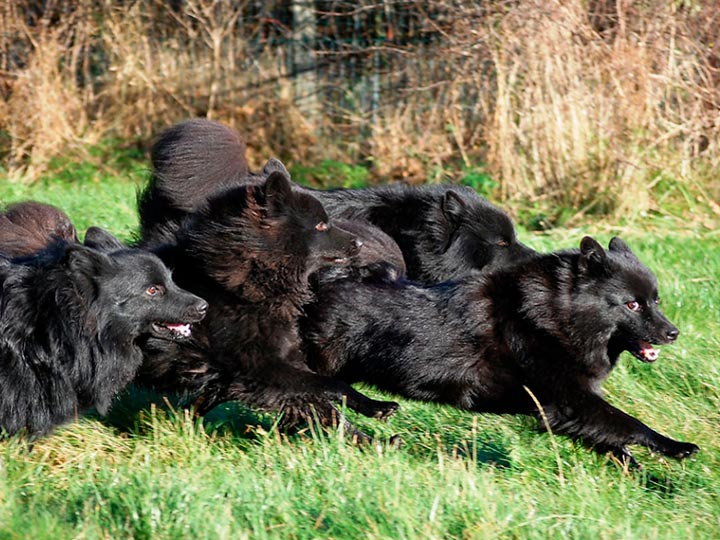
The Swedish Lapphund was traditionally used for herding reindeer. Today, it is considered a versatile companion dog. It can be a simple friend and companion, or it can be a sports dog or a tracking dog. The Lapphund is suited to the following disciplines: agility, obedience, flyball, tracking, freestyle. Scandinavian hunters sometimes use small dogs to hunt forest birds, small game, and elk. Lapphunds can track wounded game by following a blood trail and are used to hunt wild boar and bear. They are also impressive show dogs.
In Scandinavian countries, the Swedish Lapphund is considered one of the best companion dogs.
Appearance
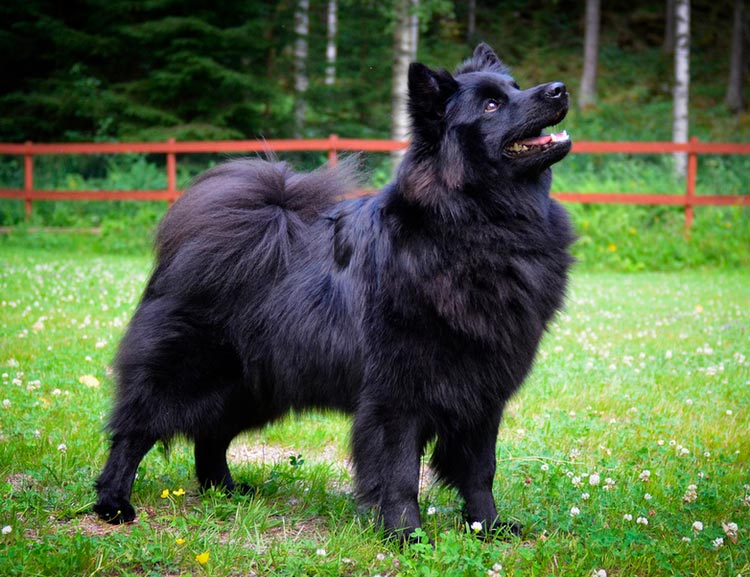
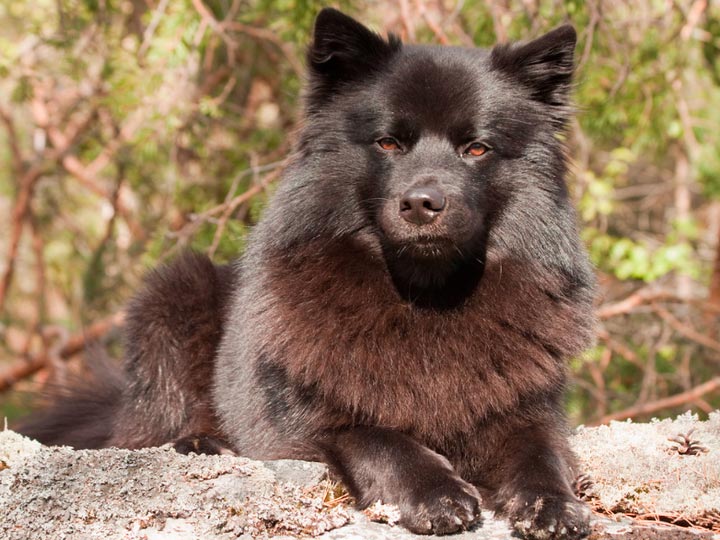
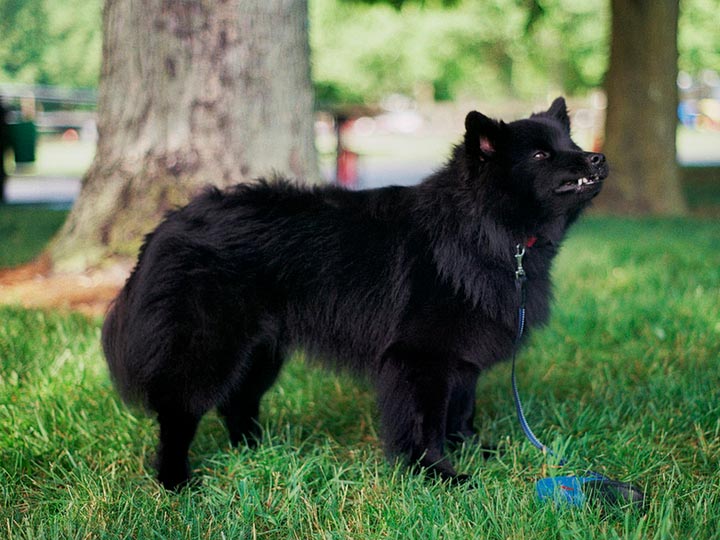
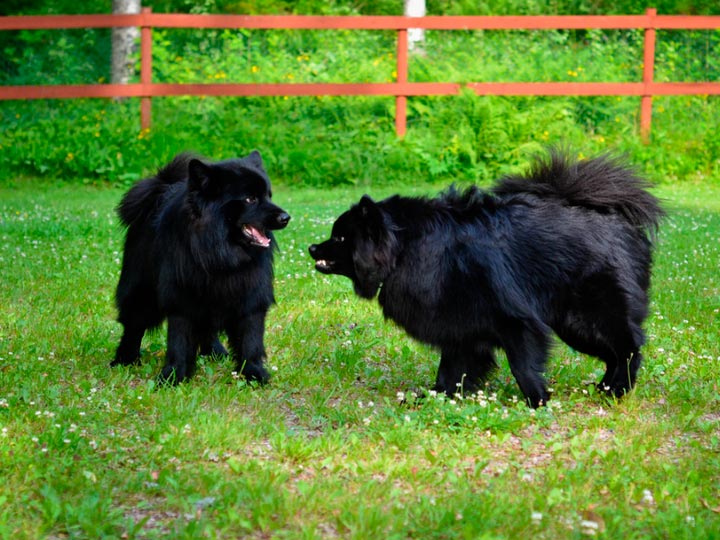
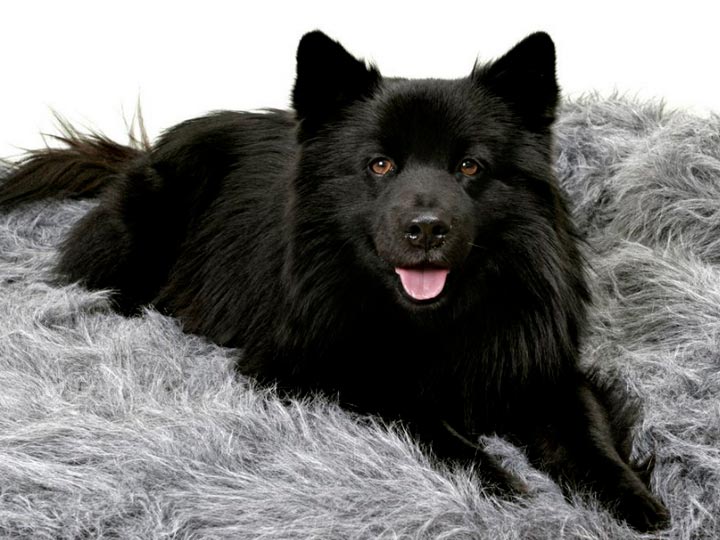
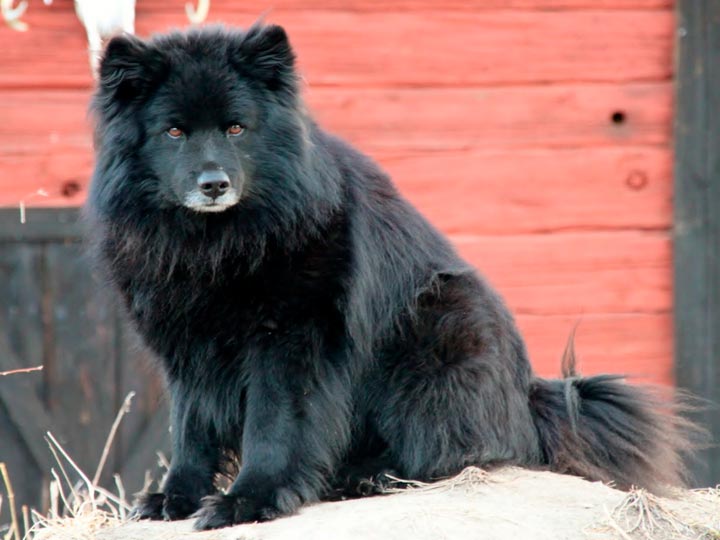
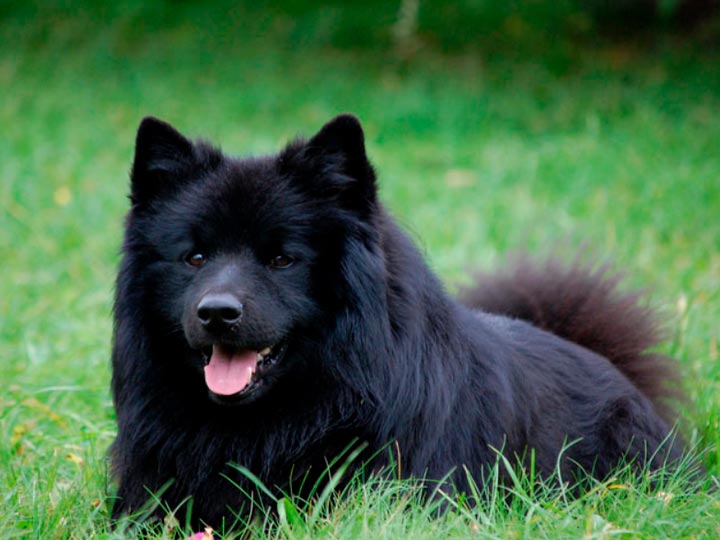
The Swedish Lapphund is a typical representative of the Spitz group. The dog is slightly smaller than average in size, with a proudly carried head, a bushy tail, and thick, straight coat. Sexual dimorphism is moderate.
- Height at the withers of males is 48 cm; weight is 19-21 kg;
- Height at the withers of bitches is 43 cm; weight is 17-20 kg.
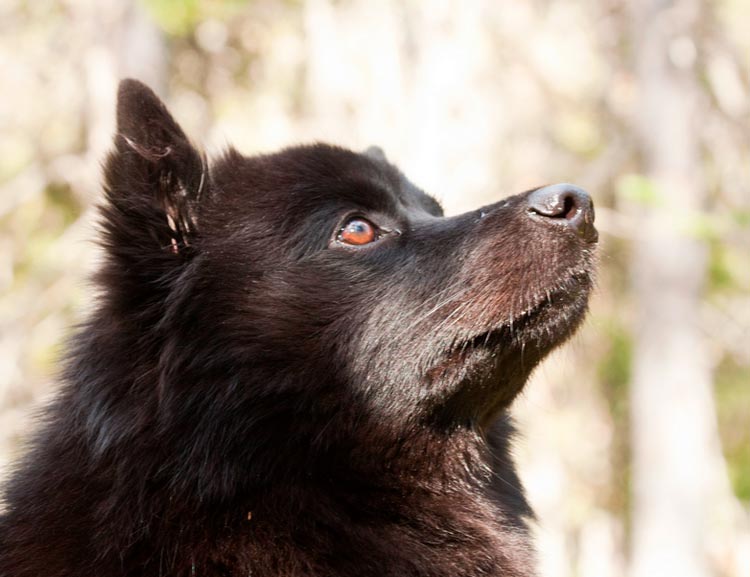
The skull is slightly longer than wide, with a rounded forehead. The stop is prominent. The muzzle is strong, with a straight nasal bridge, tapering evenly to a black tip. The lips are tight. The palate, gums, and lips are well pigmented. The bite is a scissor bite. The eyes are set almost horizontally, wide apart, rounded, fairly large, and brown. The eyelids are well pigmented. The ears are wide at the base, triangular in shape, small, and erect. The tips of the ears are slightly rounded. In some dogs, the tips of the ears hang forward; this is not a fault. The neck is without dewlap, massive, and of medium length.
The body is slightly elongated and strongly built. The back is flexible, straight, and strong. The loin is broad and short. The croup is proportionate in length, wide, and slightly sloping. The chest is deep with long, round ribs. The forechest is well developed and pronounced. The belly is slightly tucked up. The tail is set fairly high and carried curled over the back. The limbs are well-angulated. The paws are oval with well-knit toes. The pads are dense, elastic, and dark. There are tufts of hair between the toes. The nails are dark.
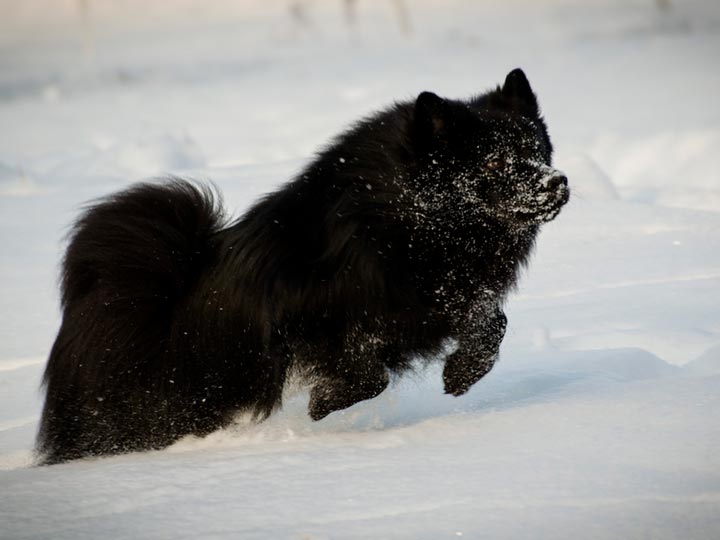
The coat is thick and double. The outer coat is straight and not flat. The undercoat is slightly wavy and abundant. It is short on the head and front of the legs. It is longer on the forechest, back of the legs, and tail. There is a rich collar around the neck. The coat is black. Bronze or brownish hues are typical. White markings on the paws, chest, and tip of the tail are permitted.
Character and behavior
The Swedish Lapphund has a lively, friendly nature. Among family, he is gentle and affectionate. He has a lively temperament, is energetic, very active, hardy, attentive, and intelligent, and is always ready to work. He is infinitely devoted to his owner and very intelligent. He is very social by nature and does not tolerate loneliness well. A bored dog develops bad habits.
The work of the deer herding Spitz is directly related to the voice, so it is to be expected that in everyday life they will react with barking to any rustling.
He can be somewhat independent and stubborn, but is generally quite obedient and eager to please his owner. He gets along well with children and other pets. On walks, he can be intolerant of other males and chase small animals. At home, he is calm and quiet. Outside, he is very active and noisy. Owners joke that their Lapphunds have an "on/off" button.
Education and training
Swedish Lapphund puppies look like little balls of fluff, but owners shouldn't be fooled. Training should begin as early as possible, with special attention paid to socialization. It's important to keep in mind that puppies are very curious and impatient, and are easily distracted. They require an owner with a gentle touch, patience, and a sense of humor. Swedish Lapphunds are relatively easy to train and respond best to positive training methods.
Content Features
The Swedish Lapphund is completely undemanding when it comes to living conditions. It adapts well to life in a city apartment, provided it gets enough exercise. It will also thrive in a private home. It can live outdoors year-round, but not on a leash. People with allergies often don't react to the Swedish Lapphund's fur.
The Swedish Lapphund is a very hardy, active, and energetic dog that requires significant exercise. Mental stimulation is essential for normal mental development and a happy life.
Care
Shedding is moderate and profuse seasonally. The dog is quite clean and has virtually no odor. Grooming consists of simple procedures:
- combing the fur once a week;
- bathing once a month or less;
- nail trimming;
- brushing teeth is recommended;
- weekly examination and cleaning of ears.
Health and life expectancy
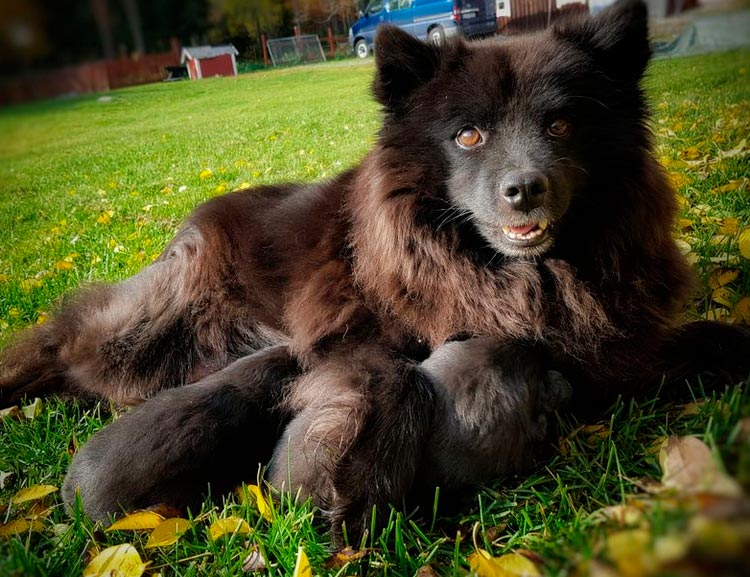
Swedish Lapphunds are generally healthy and robust dogs. Breeders test their breeding stock for:
- Hip dysplasia;
- Ophthalmological diseases (progressive retinal atrophy, cataracts).
Other hereditary diseases have not been identified, or are very rare. These illnesses are usually caused by poor living conditions, improper feeding, or old age. Life expectancy is 12-14 years.
Where to buy a Swedish Lapphund puppy
The Swedish Lapphund is a popular breed in Scandinavia. The Swedish Kennel Club alone has over 20 registered kennels professionally breeding and improving the breed. There are approximately 1,200 representatives of the breed worldwide. Kennels exist in Finland, Switzerland, and France. A few representatives of the breed are found in Slovenia, America, and even Australia. Several imported Lapphunds are present in the CIS countries. There is no information on kennels.
Price
In Sweden, a Lappish Spitz puppy costs an average of 700 euros.
Photos and videos
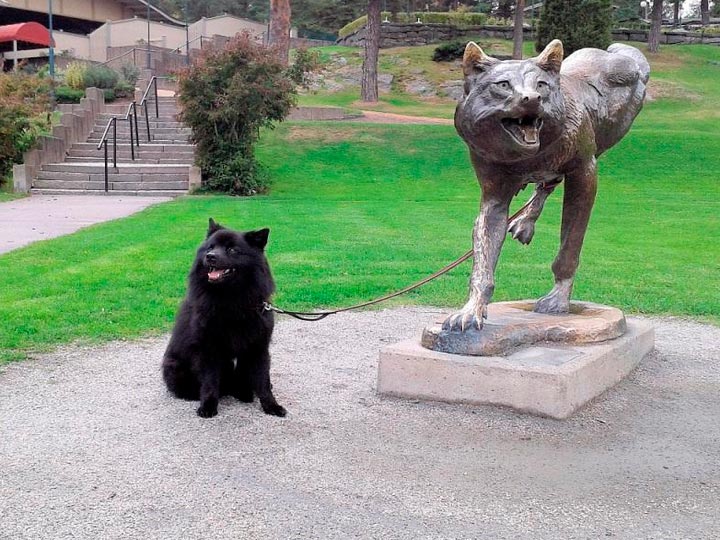
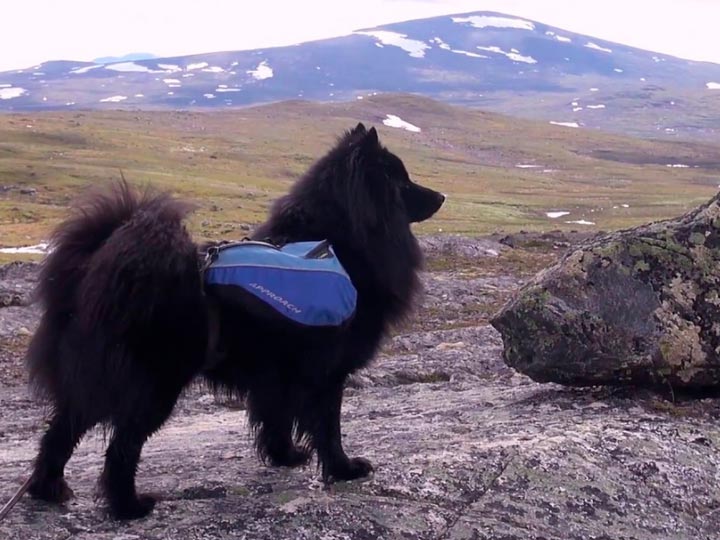
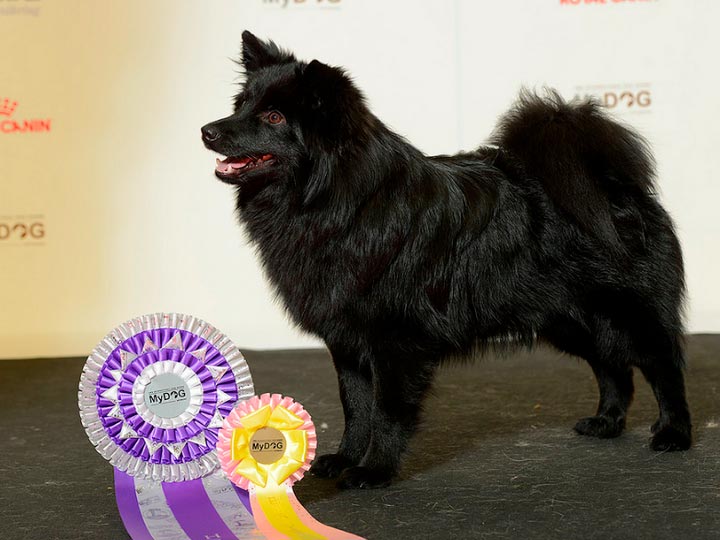
You can see what a Swedish Lapphund looks like in the photos in the gallery.
Video about the Swedish Lapphund (Lapland Spitz) dog breed
Read also:


Add a comment