
Chinchilla (cat)
History of the origin of the cat breed British Chinchilla The breed has ancient roots, so these cats are characterized by a stable psyche and robust health. As you might have guessed from the name, they were bred in England, although significant work in this direction was also carried out in other European countries.
Content
History of the breed's origin
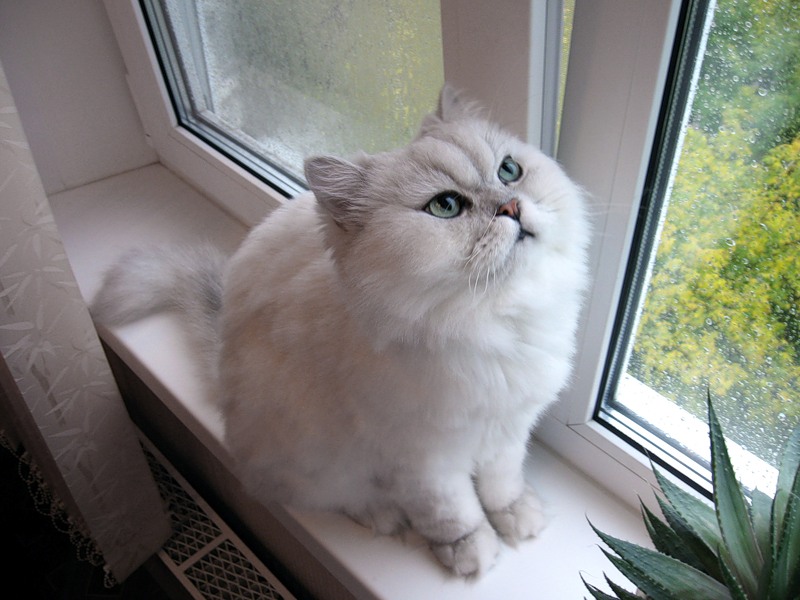
Their final development occurred in the late 19th century, but the standard for this breed wasn't established until the 1980s. To develop a beautiful coloring, breeders crossed Persian Chinchillas with classic breeds or smokes. British cats.
However, despite all this, the process failed to produce the desired eye color, which turned greenish-yellow in the offspring. Therefore, green-eyed individuals began to be introduced into the crossbreeding process.tabbyAs a result, the coloring was washed out. This is what prompted breeders to cross-breed the first-generation offspring, infusing them with Persian blood.
The process of removing the British was carried out in exactly the same way golden chinchillas, only in this case, the basis was established silver chinchilla breeds. They inherited the golden color gene from Persian cats, so it only needed to be maintained. Today, chinchilla is a unique color not only for Persians, but also for Burmese and British Shorthairs. However, the first cats with the chinchilla color were Persians.
The chinchilla gained its popularity thanks to the Queen of Great Britain's granddaughter, Princess Victoria. She appreciated the chinchilla's beautiful fur and gentle nature.
General characteristics
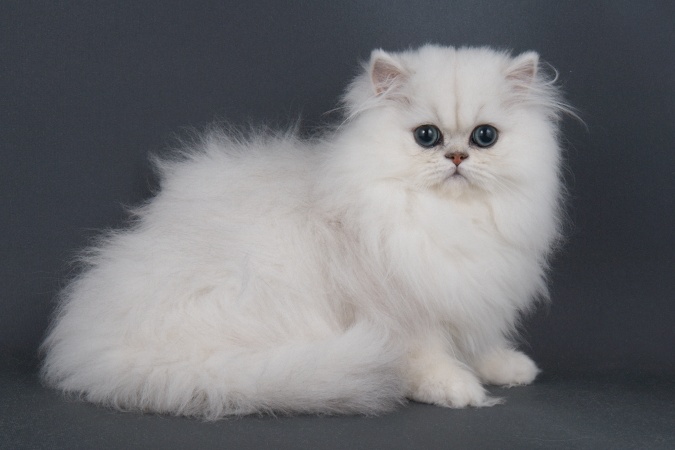
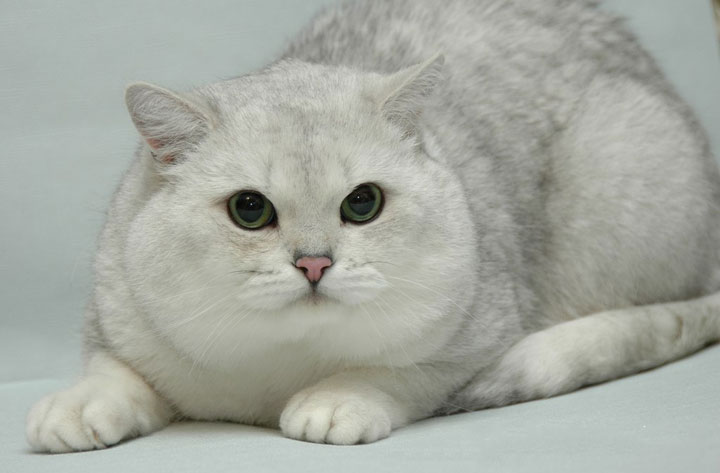
The chinchilla's appearance can be described briefly: a small nose on a beautiful round face, amazingly captivating large eyes, and fluffy fur. These few words immediately conjure up an image of something soft, fluffy, gentle, and beautiful. And indeed, it is. But let's take a closer look at the chinchilla's general characteristics.
The chinchilla is a fairly large cat breed, with males weighing up to 7 kg. Chinchilla cats are more delicate, weighing up to 4 kg as adults. Their bodies are proportionate, but their legs may appear short due to their long, thick fur. Their bushy tail has approximately 1.5 cm more fur than the rest of their body.
Chinchillas are very affectionate, docile, and kind by nature. Moderately playful, these cats always get along with their owners and children. A characteristic trait of the breed is curiosity and playfulness, which must be constantly nurtured. Otherwise, cats become sad, lonely, and may become apathetic and lethargic. Chinchillas are prone to obesity, so they need proper nutrition and active playtime.
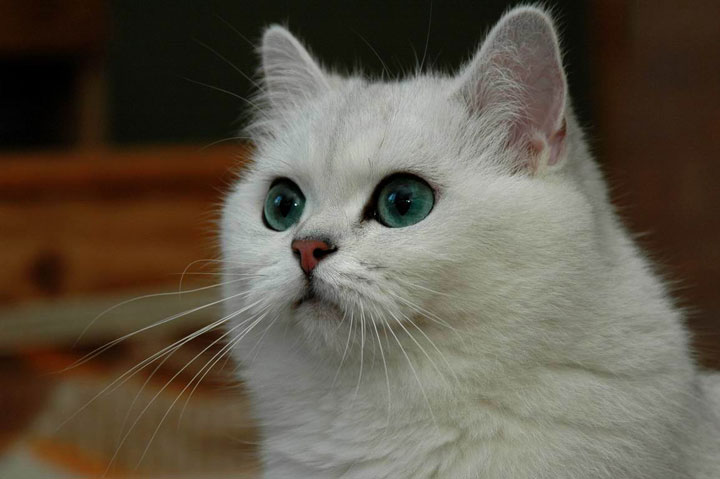
Therefore, if you want to interact harmoniously with your chinchilla, devote all your free time to it. Communicate, play, and your pet won't mind watching your favorite TV shows together. This cat understands everything you say to it and is very happy to hear a warm, trusting tone of voice.
This pet has a special relationship with children. He won't avoid them, but he won't indulge their whims either. However, he's unlikely to befriend another cat. This pet isn't one to tolerate superiority and will quickly put an adversary in his place.
The British Chinchilla cat is a delicate pet with a behavior that differs from the traditional British cat. While this cat possesses a certain aristocracy, its character can easily be described as gentle.
This affectionate and calm animal possesses a high level of intelligence and quick wit. Chinchillas love to talk. Although their vocabulary only includes two vocal tones, they manage to infuse their meows with so many intonations that it can seem like they're having a rational conversation with the animal. British Shorthair Chinchilla cats are somewhat mannered and won't tolerate unruly intrusions into their personal space. They'll allow you to pet them, but will immediately show displeasure if they're touched or cuddled.
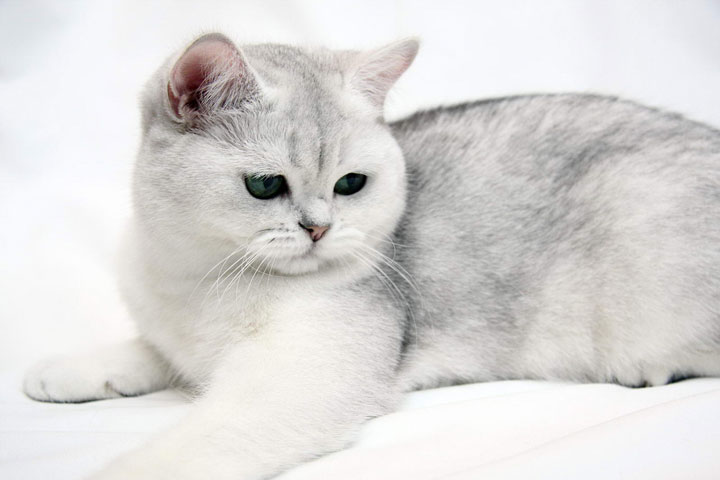
This cat intuitively understands its own importance and behaves accordingly. If it's lying down, it's sure to sprawl out languidly; if it's walking, it's with dignity. Two breeds and one color, and yet so many differences.
If you decide to buy a British Chinchilla kitten, remember that this breed, known for its external beauty, and the animal's behavior will be largely determined by this characteristic.
Rules of care and feeding
How to properly care for such an interesting cat breed, the chinchilla?
Grooming
Because chinchillas' fur has a two-layer structure, it requires special care to keep it in excellent condition and prevent tangles. Brushing should be done at least twice a week with a special brush. This not only provides a wonderful massage for the cats, which improves their health, but also removes dead hair.
First, brush the coat in the direction of its growth, then against it. The hair on the cheeks and neck is brushed toward the muzzle, that is, against its growth. Incidentally, this breed is one of the few that enjoys being brushed against the grain.
After brushing, apply dry cat shampoo, which you can buy at a specialty store. Apply the dry shampoo to dry fur, then massage it thoroughly into the fur and brush out. This treatment leaves the fur feeling voluminous, soft, and fluffy, free of grease and dust.
Bathing a cat
You should bathe your cat only as needed, and preferably once every 6 months.
For bathing, use a special shampoo that matches your pet's coat. Remember that Persian chinchillas don't particularly enjoy bathing, so be prepared for any unexpected surprises during the bath. When bathing, be careful not to get shampoo foam or water in their ears or eyes. After bathing, wrap your pet in a warm towel and dry them with a warm air dryer.
Hygiene
Inspect their ears once every two weeks. If you find any dirt or debris, remove it immediately with cotton swabs dipped in warm water. Wipe your cat's eyes with a damp cloth once a day.
Walking
Whether to walk a chinchilla, as with any other breed, is a matter of personal preference. If you live in the countryside, let your pet romp around the property, but be sure there are no objects that could injure it. If you live in the city, walk your chinchilla on a harness. Also, be sure to always put an antiparasitic collar on your pet.
Feeding a cat
Also, periodically check your chinchilla's claws to ensure they are not peeling. Feed this breed a premium, balanced, ready-to-eat diet to ensure their healthy development. Ensure they have constant access to water. If you choose to feed your cat a natural diet, the approximate diet should look like this:
- Beef, chicken, and offal. All of this should be boiled or frozen;
- vegetables and herbs - they can be combined with chopped meat or meat puree;
- quail eggs – 2 times a week;
- ground bones;
- lean sea fish – once a week.
Health
Any breed of chinchilla will inherit the health of its parents.
Chinchilla cats are most likely to suffer from polycystic kidney disease, hypertrophic cardiomyopathy, and retinal atrophy. Dental disease, increased lacrimation, and difficulty breathing are also common.
Important note: Feeding a chinchilla foods high in vitamin A can cause their naturally white fur to darken.
What vaccinations are given to chinchillas?
Kittens begin receiving vaccinations at approximately 1.5-2 months of age. They are vaccinated against the following diseases:
- rabies;
- calicivirus;
- rhinotracheitis;
- feline distemper.
To reinforce the protective effects of the injections, the animal is vaccinated twice. The second procedure is performed when the chinchilla kitten is 2.5-3 months old.
After this, the animal is vaccinated annually for the rest of its life. The choice of medication depends on each individual case and is typically prescribed by a veterinarian based on the animal's examination. Remember, the medications take effect 1.5-2 weeks after vaccination, not immediately.
How to choose a kitten
Purchasing a chinchilla kitten is a complex and challenging undertaking. The main difficulty lies in the animal's coloring, which is often inconsistent. No parent, whether a Persian, a British smoky, or a golden, can guarantee the production of a chinchilla with the ideal coloring. Reproducing the ideal coloring is only possible through mating identical individuals.
Therefore, pay special attention to the kitten's parents, making sure they have no color deviations from the established norm. Whether to buy a Persian or a British Shorthair is up to you, considering your own breed preferences and the breed's personality traits.
Knitting
Difficulties in achieving coloration force chinchilla breeders to breed their pets within a small, familiar group of companions. Pairs are selected based on breed and conformation characteristics.
If cats are bred for domestic use, then it is possible to mate a chinchilla with a silver tabby pet; golden British cats can also be involved in breeding.
There are few professional nurseries, so if you want to make your pet famous at shows, you need to approach the choice of a nursery responsibly.
Before mating, go through a series of preparatory procedures with the animal - deworm the animal, check it for other diseases with a veterinarian.
A well-trained chinchilla often becomes the queen of the show, but maintaining the crown of superior appearance requires a lot of work. Therefore, if you want to combine an active life with show victories, don't expect quick success.
Chinchilla cats are always a favorite subject; this aristocratic and refined breed deserves warm words. Once you welcome a pet into your life, it's unlikely you'll want to look for another companion. In gratitude for your love and care, a chinchilla will give you many moments of joyful family comfort.
Video about the British Chinchilla breed


Add a comment