
Removing hair from the stomach of a cat
How do you remove hairballs from a cat's stomach? Why do they form in the first place?
Surely, there's not a single cat owner who hasn't at least once removed strange clumps of fur, whether they're found in the most inaccessible places or, conversely, in the middle of their favorite rug.
These lumps are called trichobezoars (pilobezoars) and are usually elongated and cylindrical in shape, due to the shape of the esophagus. In the stomach, they are spherical. Trichobezoars can be up to 5 cm in size, and their color depends on the coat and individual characteristics of the animal.
The smell cannot be called pungent, but it is quite unpleasant.
Why does this happen?
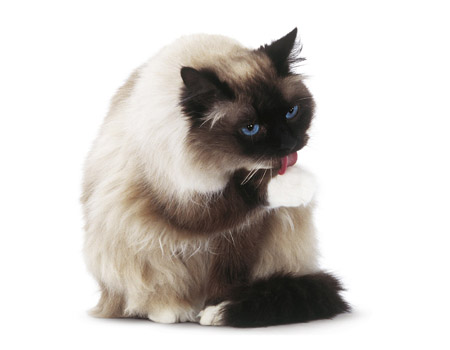
Cats are incredibly clean animals. Before they can even get dirty, as they say, they're already cleaning their fluffy fur with their rough tongue. Kittens learn this art as early as two weeks old. The roughness of a cat's tongue comes from papillae that point toward the throat. As they lick, loose hairs are left behind on the tongue, which the cat swallows.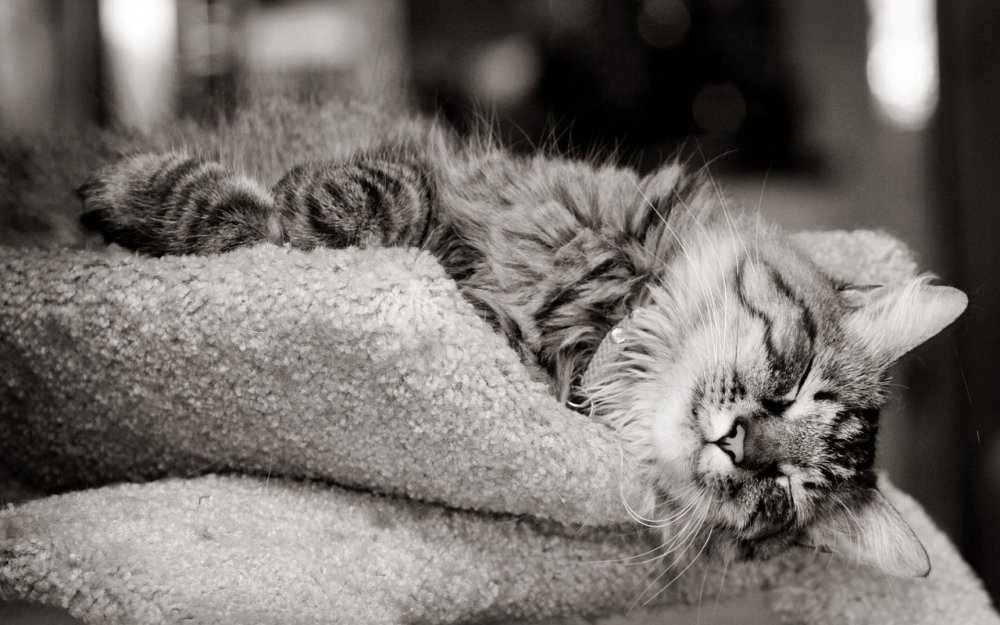
Hair is not digested in the stomach, but instead forms clumps. Normally, when they reach a certain size, they are regurgitated. Bezoars can form in any animal, regardless of gender, age, or breed, but adult longhaired cats, Siberians, Persians, and Maine Coons are most susceptible.
Is this always normal?
It would seem that nature has taken care of everything. But sometimes cats need our help. During shedding or excessive grooming, a result of stress, excessive hair is ingested, and some of it passes into the intestines. It's good when undigested hair is passed out with the feces.
But in some cases, they can cause small intestinal obstructionSometimes, a large trichobezoar remains in the stomach because it is unable to squeeze through the narrow lumen of the esophagus.
How does this manifest itself?
The presence of abnormal hairballs is marked by persistent vomiting, lethargy, and refusal to eat. However, sometimes these symptoms can also accompany other digestive diseases. Therefore, before taking any measures on your own, it's best to consult a veterinarian who will conduct all the necessary tests and provide a diagnosis.
Indications for veterinary consultation and diagnostics
Characteristic symptoms require attention, possibly an ultrasound or x-ray to rule out obstruction:
-
Constant urge to vomit without success
-
Dry cough, suffocation, foreign body sensation
-
Constipation or diarrhea with mucus/undigested lumps
-
Aching animal pain, apathy, refusal of water/food
-
"False feeling of fullness" when losing appetite and losing weight
These signs require immediate veterinary attention to rule out serious complications.
How to remove hair?
Let's figure out how to remove hairballs from a cat's stomach. Removing hairballs can be accomplished using several methods.
- In the most severe cases, this requires surgical intervention.
- To remove hair, special diets and pastes are prescribed.
- Regular dry food is replaced with specialized food.
- In the simplest cases and for prevention, everyone knows what they are doing cat grassIt should always be freely accessible to your pet.
Medicinal methods (drugs)
For enhanced control and gentle hair removal, veterinarians sometimes recommend the following products:
-
Metoclopramide (Cerucal)
Improves gastric motility - accelerates the passage of wool.
Dosage:~1 mg per 2 kg of body weight per day, divided into two doses (morning and evening). Can be administered as tablets or subcutaneously. Suitable if there is no intestinal obstruction. -
Vaseline (liquid) oil
Acts as a lubricant, making it easier for lumps to pass through.
Dosage:0.5 ml per 1 kg of body weight, administered as a drip into the feed or mouth as needed. Facilitates bowel movements within 8–12 hours. A laxative effect may occur. -
Flax seeds (decoction)
Natural enveloping and mild laxative component.
Recipe:Pour 1 teaspoon of seeds into ½ cup of boiling water, let it brew, and cool.
Dosage:2–3 ml of decoction 2 times a day for 5–7 days.
Contraindications:In case of liver or gallbladder diseases, consultation with a veterinarian is required.
Folk remedies and supplements
-
Sprouted grass (oats, wheat, barley)
Stimulates regurgitation and gentle cleansing of the gastrointestinal tract. Particularly useful during shedding season.
Grows at home in 5-7 days, easy to feed straight from the pot.
Unlike street weeds, it is safe and does not contain pesticides. -
Flax seeds
In addition to the medicinal decoction, it can be added as a mixture (thick mucous gel) to the diet, especially if you are prone to constipation. -
Phytomines/vitamin-mineral complexes
They combine plant extracts (plantain, celandine, licorice, etc.), yeast, minerals, and vitamins. They accelerate peristalsis and support digestion.
Examples: Fitovit, Nutri-Vet, Beaphar Bits Mix - given according to weight and manufacturer's instructions.
Comparison of approaches: a brief table
| Method | How it works | Dosage | Pros and cons |
|---|---|---|---|
| Metoclopramide (Cerucal) | Stimulates gastric motility | 1 mg/2 kg, 2 times a day | Effective, but requires veterinary control |
| Vaseline oil | Softens hairballs | 0.5 ml/kg (1–2 times) | Fast acting, diarrhea possible |
| Flax seed decoction | Enveloping, laxative | 2–3 ml 2 times a day x 5–7 days | Natural, but not suitable for liver disease |
| Sprouted grass | Stimulates regurgitation | — | Simple and safe prevention |
| Phytomines / VM complexes | Strengthens the gastrointestinal tract and vitamin balance | According to the manufacturer's instructions | Effective, but needs to be selected according to the condition |
| Special foods/treats | Fiber + oils for the gastrointestinal tract | Constantly | Convenient, but more expensive than regular food |
Diet and feeding: frequency and texture
-
Frequent fractional feeding
Reduces the risk of hairballs: This indicates more regular bowel movements. It is recommended to feed 3-4 small meals instead of 2 large ones. -
Special feeds with fiber and oils
They coat the fur and facilitate its gentle passage with feces.
A change in diet is important: not just a supplement, but a complete preventative approach. -
Eating "soft treats"
Crunchy cereal kibbles or soft chews strengthen the gastrointestinal tract and support motility. They are especially good during grooming and shedding periods.
However, we don't recommend resorting to "old wives' tales" like pouring Vaseline on an ailing animal or smearing lanolin on its paws. This is especially true without knowing the true cause of its ailment. This may actually harm your pet's health, rather than help.
Preventive measures
You can protect your cat from swallowing excessive amounts of hair by following a few simple rules.
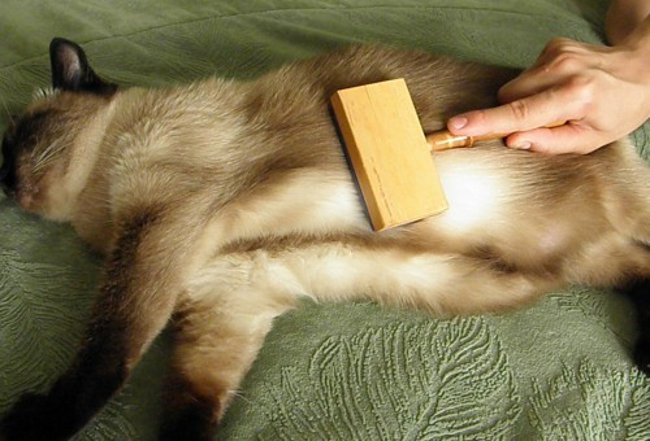
- Brush your pet regularly. The longer the coat, the more often you need to do this.
- Medical hair removal paste Give to long-haired cats according to the instructions in a prophylactic dose.
- If you notice that your cat is licking itself too often, try to distract it with a new toy.
- As mentioned above, your cat should always have free access to grass.
Any questions? You can ask our website's staff veterinarian in the comments below, who will answer them as quickly as possible.
Read also:


Add a comment