
Dog grooming patterns by breed
Breed-specific haircut patterns are a valuable aid for both professionals and amateurs in creating an aesthetically pleasing dog appearance. They are primarily used to create a standard or show-quality look appropriate for a given breed. There are countless variations of freestyle model haircuts. Groomers can also create their own variations using pre-existing ideas.
Content
Breeds that most often need grooming
All dogs require special care, regardless of size, coat type, living conditions, etc. Even stray dogs maintain their coats themselves or with the help of their companions. If their coats aren't regularly groomed, they can become tangled and matted, causing significant discomfort.
Every pet needs minimal care:
- regular combing;
- elimination of wool defects;
- trimming claws, etc.
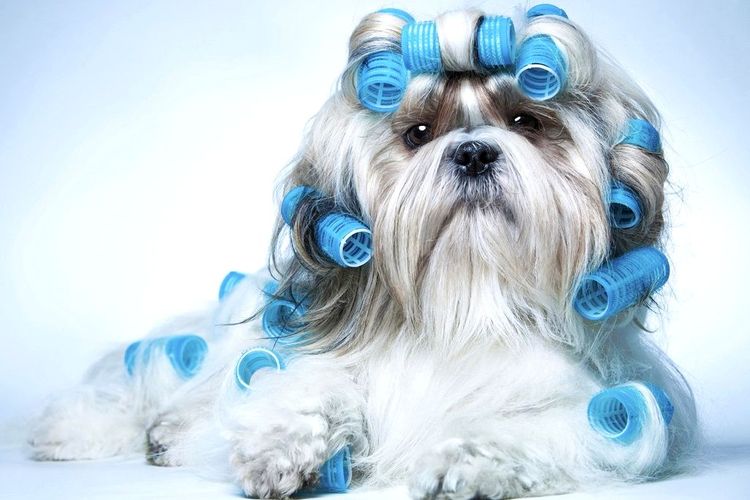
These and more complex procedures (such as model haircuts) are best left to a professional groomer. Their services are most often used by owners. decorative, small and medium breeds. In most cases, these dogs require special grooming depending on their coat type.
Dog haircut patterns
Dog grooming isn't just aesthetically pleasing; it also plays a vital role in the pet's coat care process. Proper grooming helps preserve the coat's key characteristics, which are appropriate for the animal's breed: shine, color, silkiness or, conversely, coarseness, and hair growth direction. Professional groomers have developed breed-appropriate grooming patterns that combine aesthetic and functional qualities.
Yorkshire Terrier
These cute dogs continue to top the popularity ratings among dwarf breedsDespite their small size, they require significant grooming. The first grooming can begin as early as four months of age. Subsequently, minor adjustments should be made approximately once a month (depending on the rate of coat growth).
There are several main types of Yorkie haircuts:
- hygienic: remove excess hair in the groin and anal area, trim the upper part of the ears, paws, and cut the claws;
- standard: includes all components of hygienic care, and also trims the hair on the ears, bangs, beard and paws;
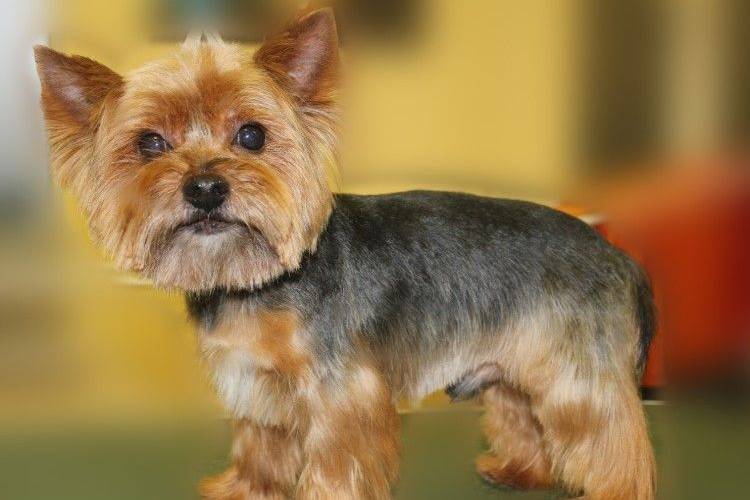
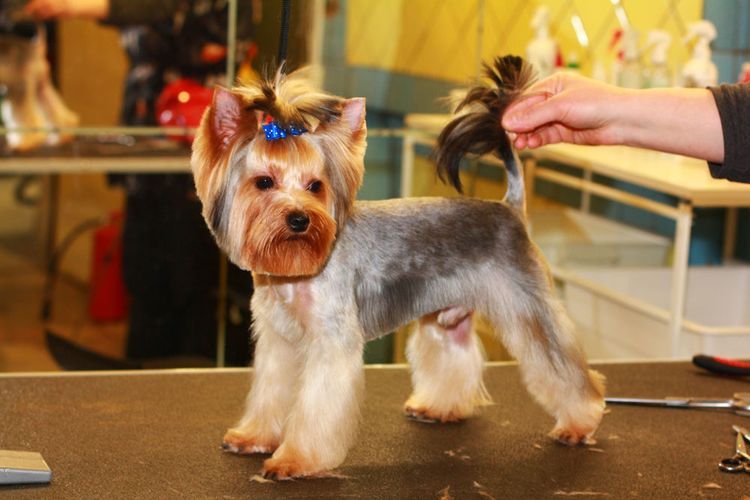
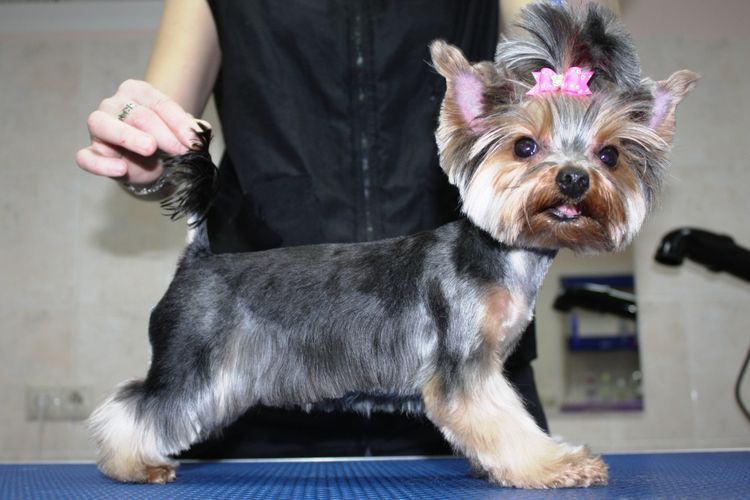
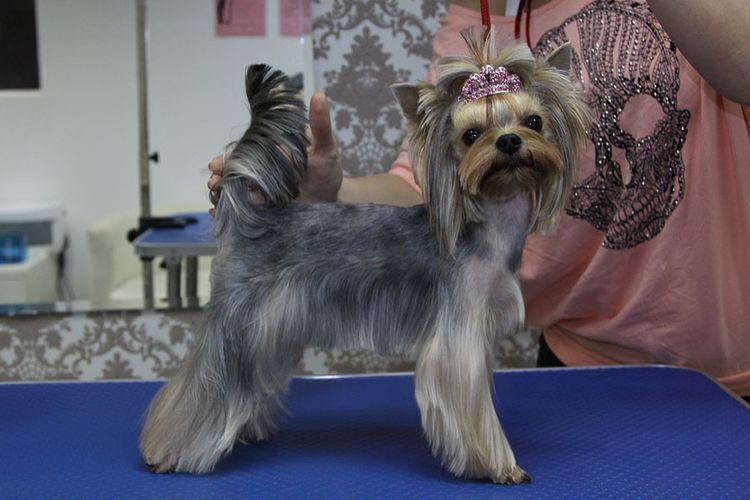
- Model: can include a variety of grooming options depending on the client's wishes and the animal's coat type (long and short haircuts, with or without a skirt, Korean style, puppy style, with a bow ponytail, and many others).
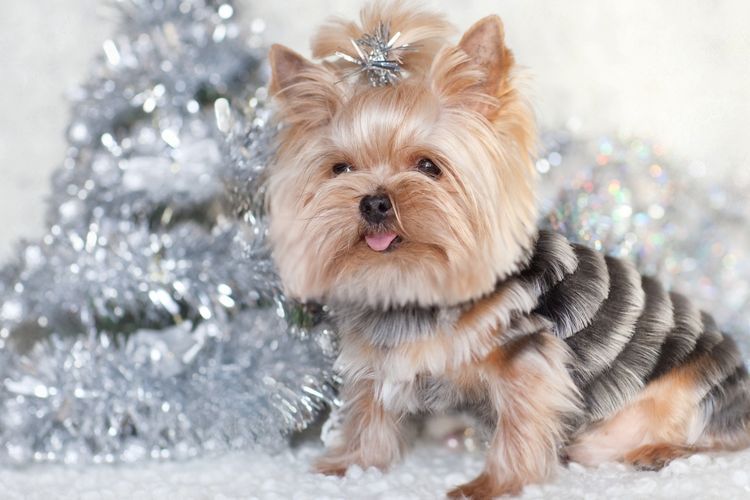
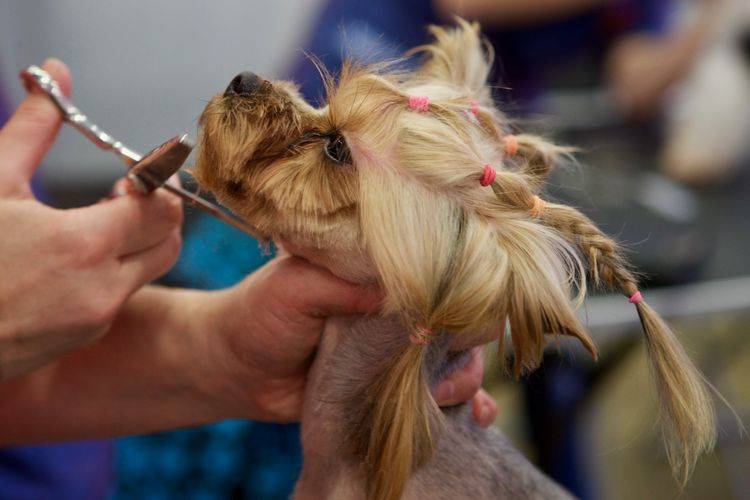
Among the most popular hairstyles for Yorkies are the following looks:
Shih Tzu
Shih Tzu The Dachshund is another dwarf dog breed that makes a wonderful companion for the whole family. Its long coat requires regular grooming, including brushing and occasional trims. Grooming for this breed is also divided into hygienic, standard (show), and modeling.
Hygienic grooming prevents tangling, matting, and the accumulation of dirt and debris (branches, leaves), as well as skin disease prevention. Performed 1-2 times per month.
Show grooming must comply with breed standards established by kennel clubs. This gives the pet the opportunity to win prestigious awards, allowing owners to earn additional income by breeding puppies.
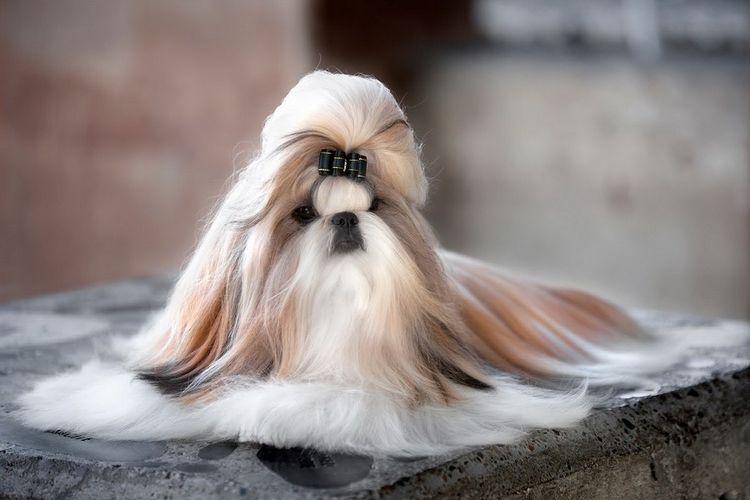
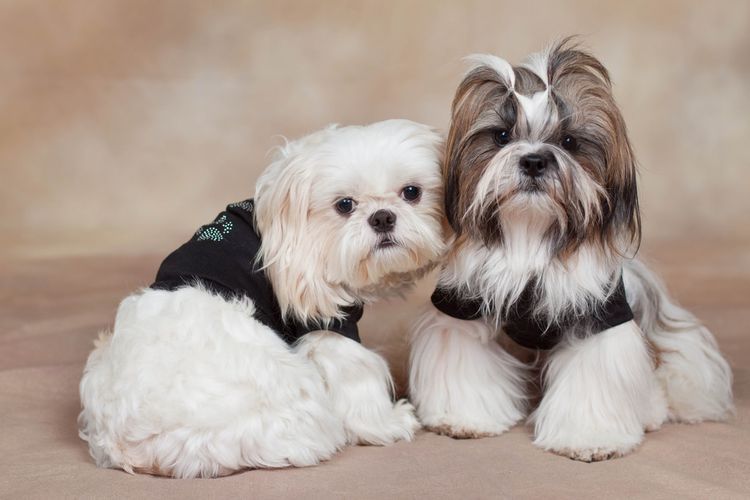
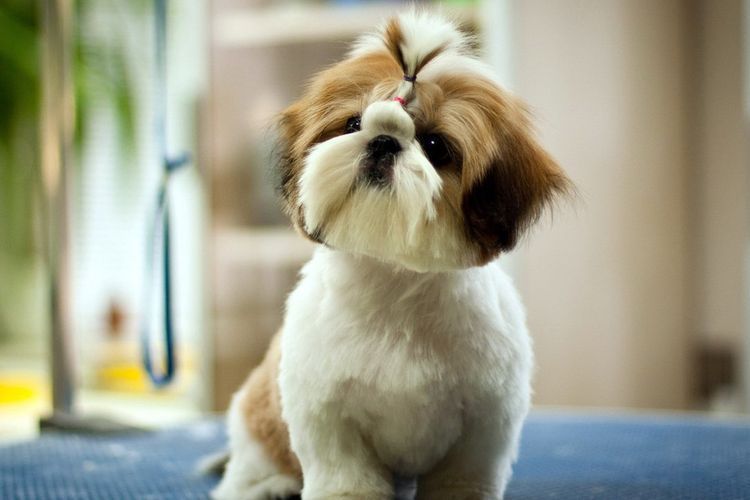
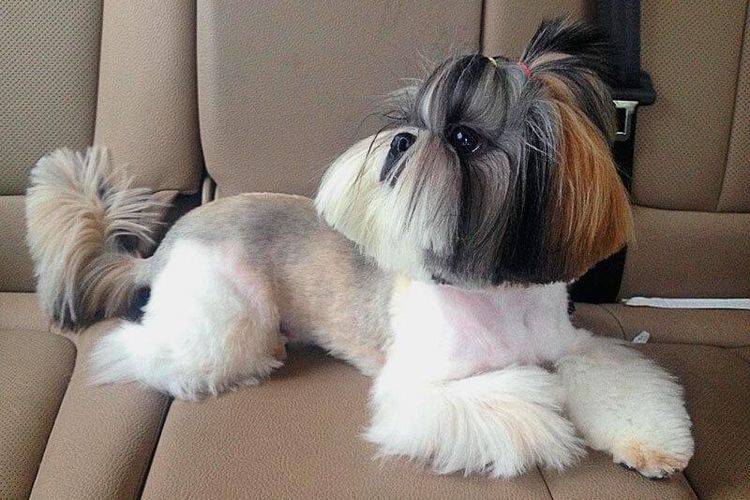
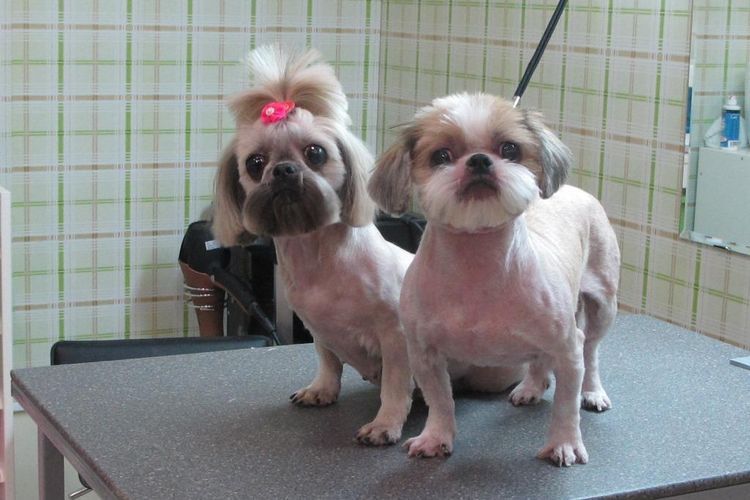
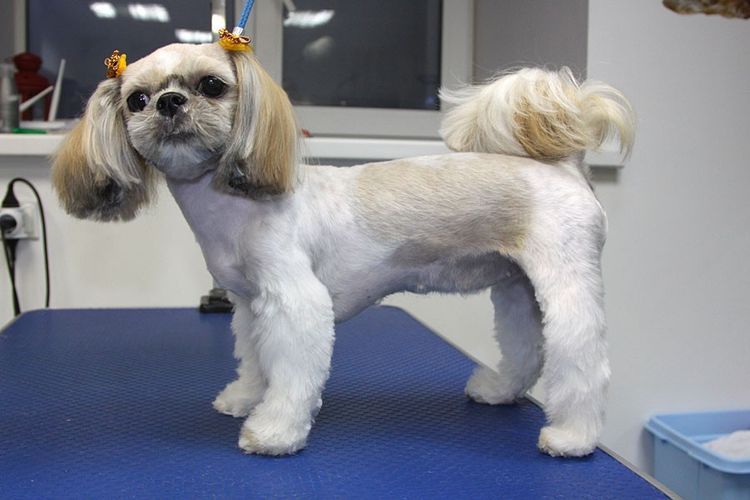
Shih Tzu hairstyles are limited only by the groomer's imagination and skill, as well as the owner's preferences. Below are several haircut options for this breed:
Bichon Frise
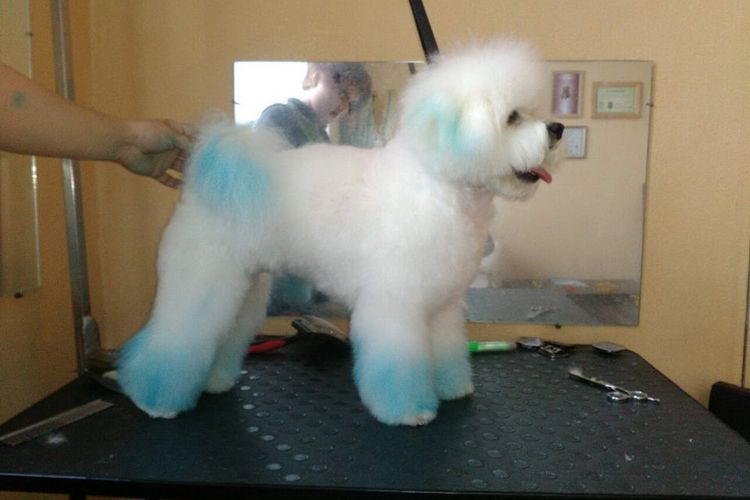
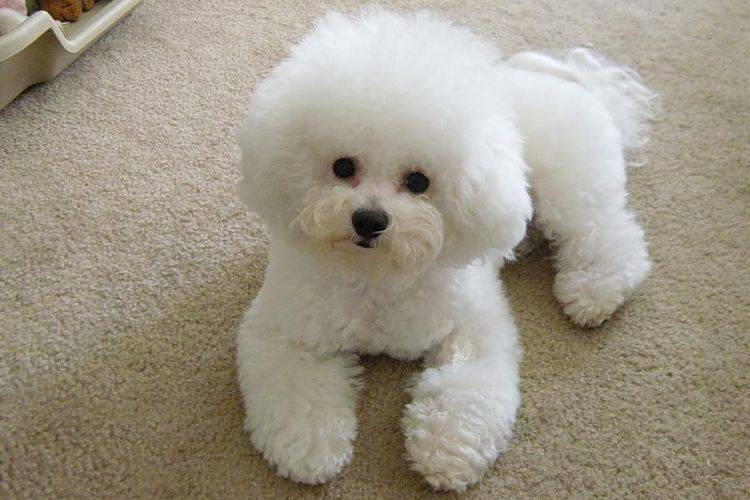
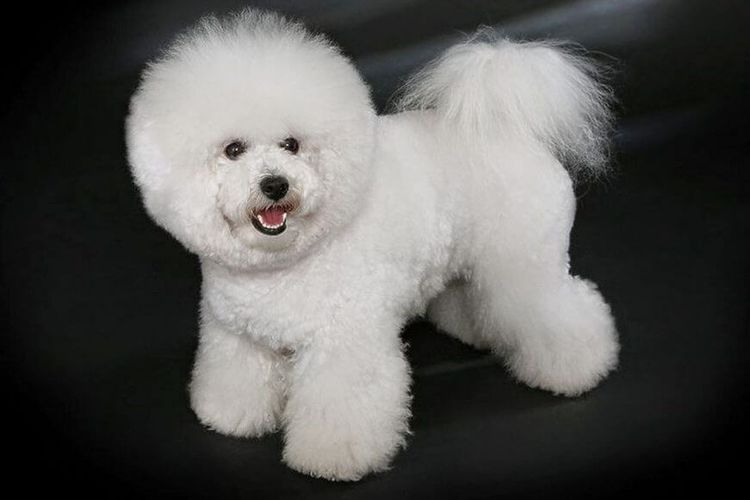
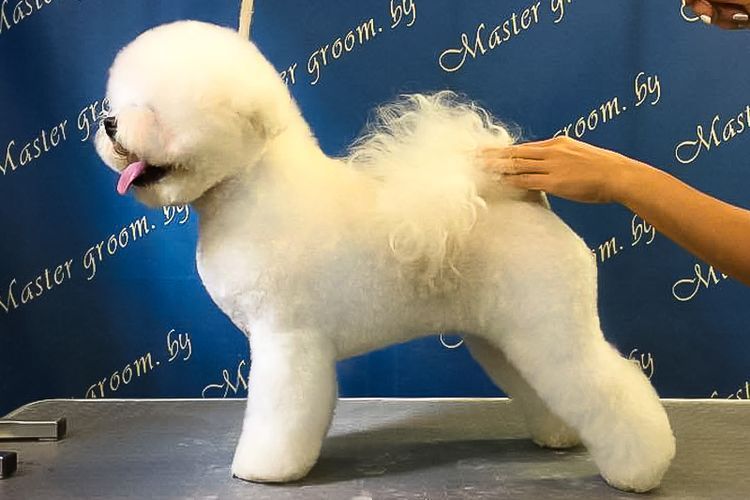
This small dog, originally from France, has a thick, curly, silky, and fairly long coat. Purebred specimens of the breed are expected to be completely white. Red and beige markings are permitted only in puppies. As a pet, only basic grooming is required, including a trim, regular bathing, and brushing. Despite the coat's thickness, its silkiness prevents frequent matting and tangling, and daily brushing is not required.
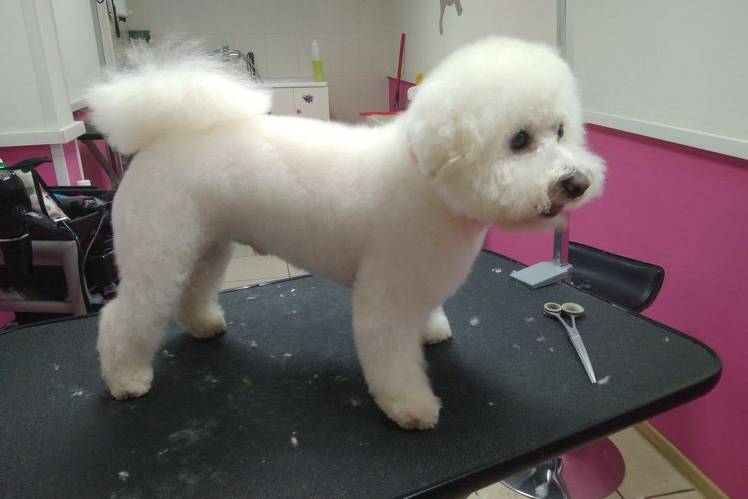
As for show and model haircuts, everything will depend on the owners' goals. If the Bichon Frise is going to participate in shows, the haircut will be determined by the club's rules, which may vary by region and even country.
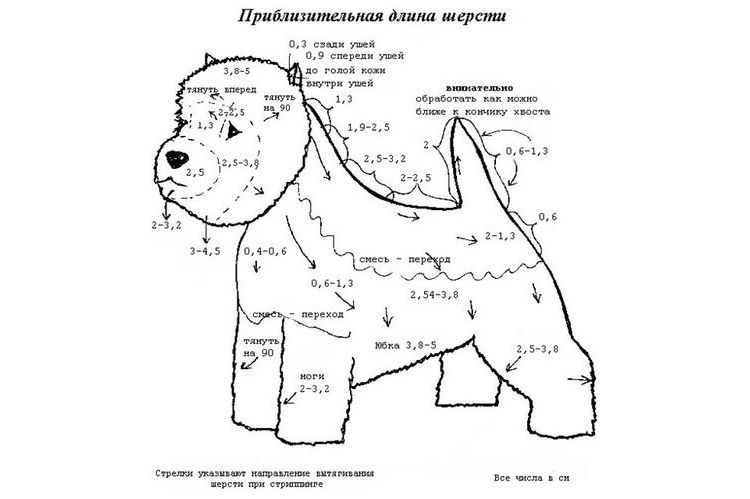
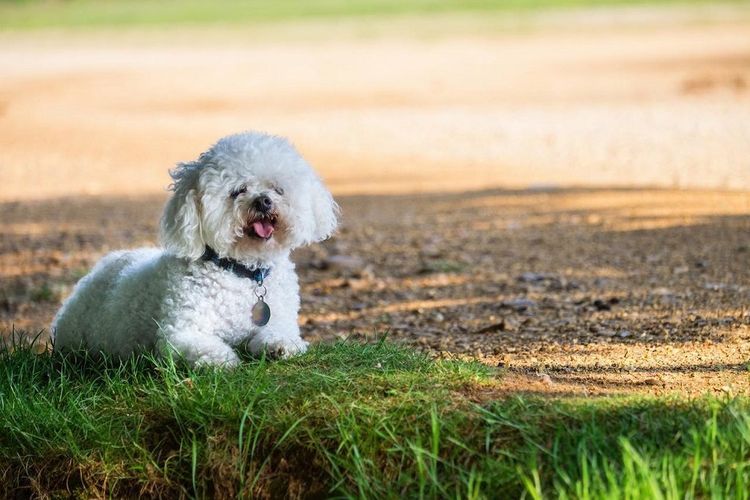
Among the most popular images for the Bichon Frise are:
Scottish Terrier
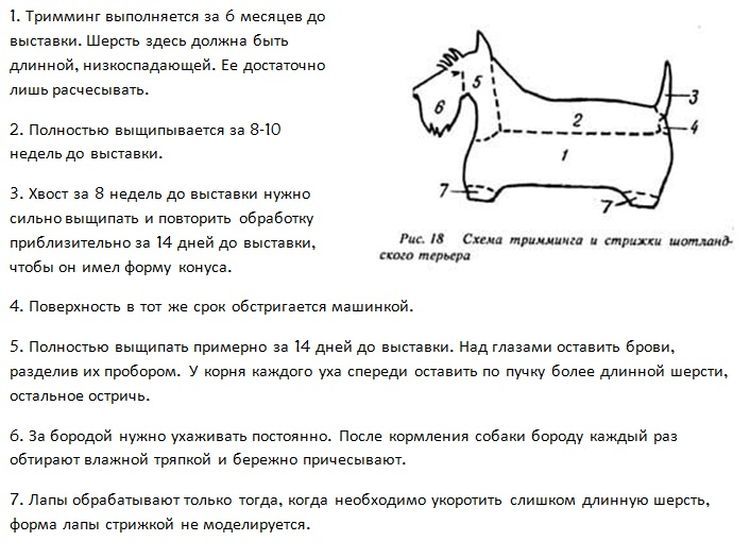
Scottish Terriers They have a long, stiff coat with a soft undercoat. Caring for the pet's appearance includes trimming, which should be carried out 2-4 times a year (depending on the degree of maturity of the hard pile).
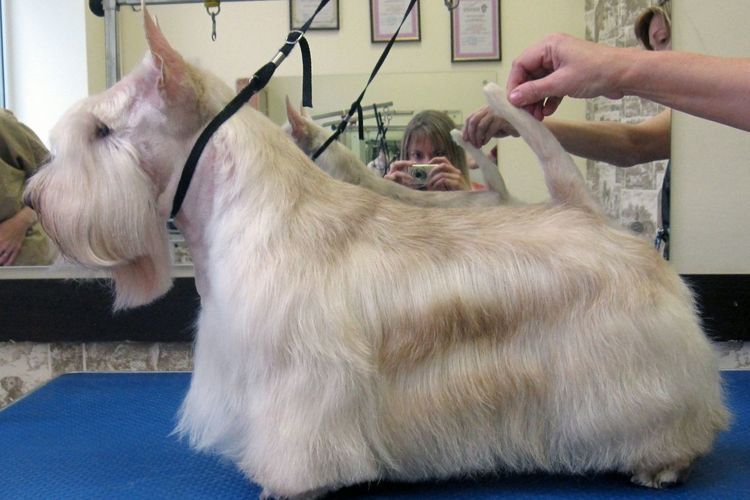
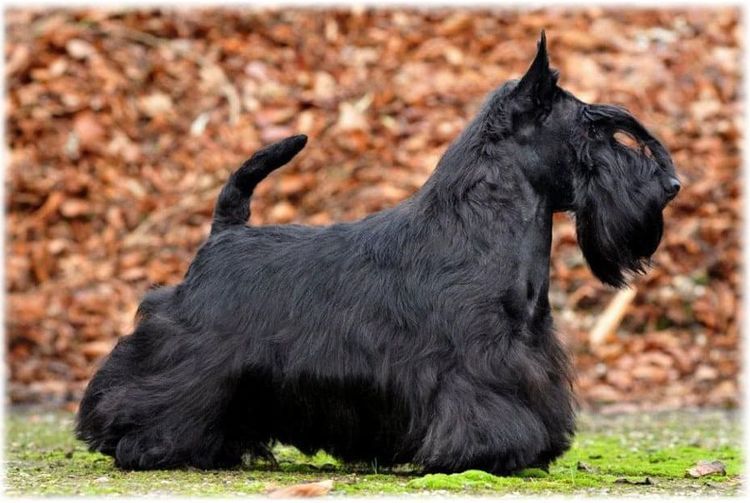
According to breed standards, Scottish Terriers have shorter hair on their backs, gradually transitioning to longer hair on the sides. The hair on the back and upper flanks should lie flat against the body. The paws are rounded, and the tail is tapered.
The head trim should give the muzzle an elongated, angular shape. To achieve this, the hair on the forehead and bridge of the nose is trimmed short, leaving a longer mustache and beard. The ears are shaved cleanly.
The beauty standards for the Scottish Terrier suggest the following standard grooming pattern:
Result:
English Cocker Spaniel
English Cocker Spaniels They have a long, thick coat. It requires constant care, as it is prone to matting on the belly and paws. They need to be brushed daily, carefully treating the belly, paws, and ears. Grooming can be done as needed, and it's best left to a professional.
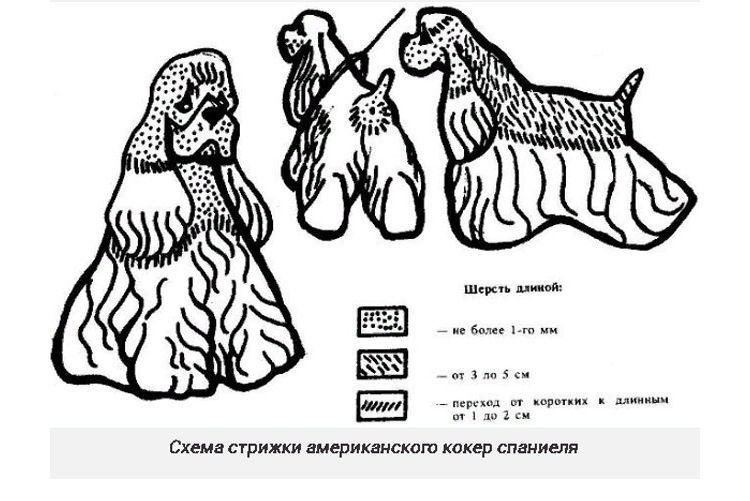
According to breed standards, Cockers' coats should be of varying lengths: shorter on the head and back, and longer on the mid-flanks and legs. For hygienic purposes, partial trimming may be performed. This includes removing hair from the paws, between the toes, inside the ears, from the tail, and from the anus.
More complex haircuts, suitable for show dogs, are performed approximately every three months or immediately before a show. The groomer trims the hair moderately from the back, sides, and shoulders. The hair should be kept shortest on the head and muzzle, while the hair should be longer on the belly, legs, chest, and ears. The English Cocker Spaniel's haircut pattern looks like this:
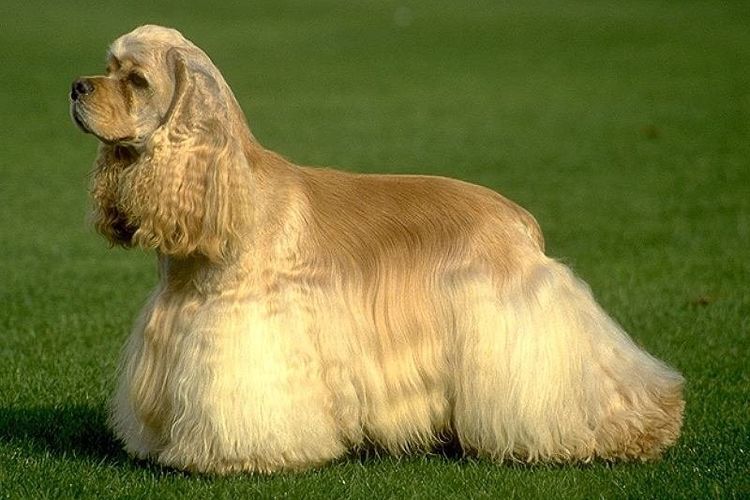
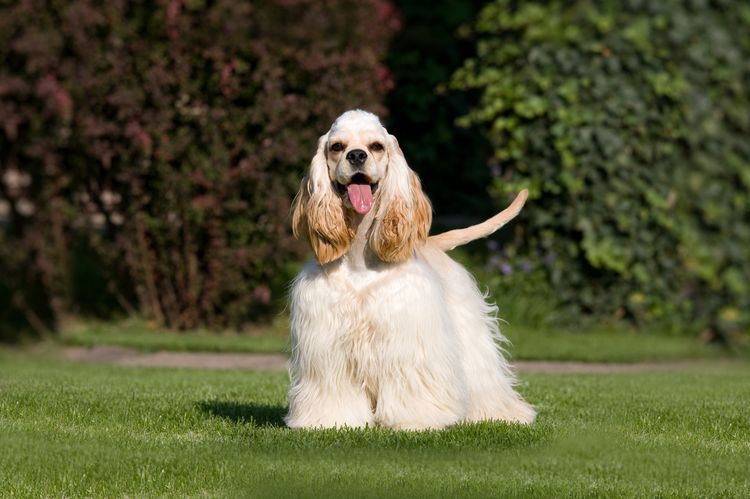
After professional grooming, the dog will look like this:
Read also:


Add a comment