
Sheltie (Shetland Sheepdog)
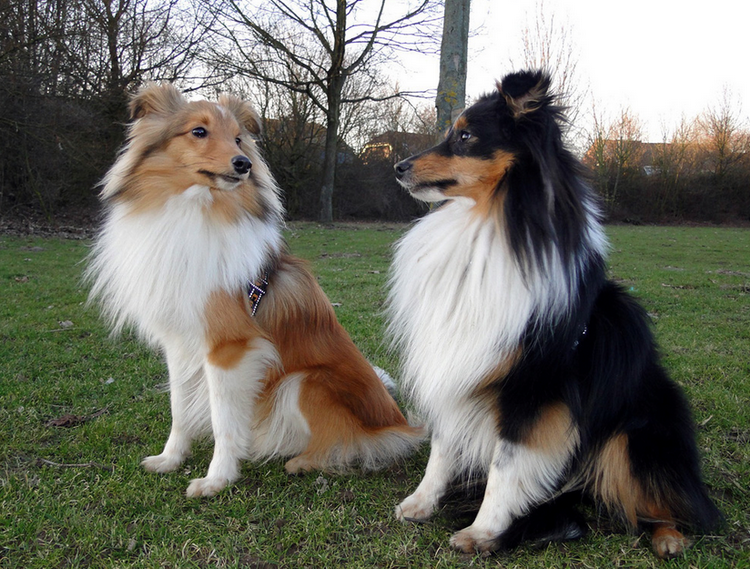
Due to their similar appearance, many people think that the Shetland Sheepdog is a miniature collie, but they are mistaken. They are two different breeds, although their paths did once intertwine. Shetland Sheepdogs are highly intelligent, loyal, and friendly dogs of small size with an attractive appearance that requires regular but easy grooming. These qualities make the breed very popular today as a family companion. Another name for the breed is the Shetland Sheepdog.
Content
History of origin
The ancestors of modern Shelties originated in the Shetland Islands, the northernmost territory of the United Kingdom. They are believed to have originated from crossbreeding with local Spitz dogs. border collie and other Scottish herding dogs. In their homeland, these dogs were originally called "tuni dogs" (from the Gaelic tuathanas, meaning "farm"). The modern type emerged by the end of the 19th century.
About the similarity with collie It's worth mentioning separately. Seeing that the dogs were similar, English breeders began deliberately creating miniature copies of their beloved breed, rather than emphasizing the original qualities. At the turn of the 20th century, and again after World War II, Shelties even began to incorporate Scottish Shepherd blood.
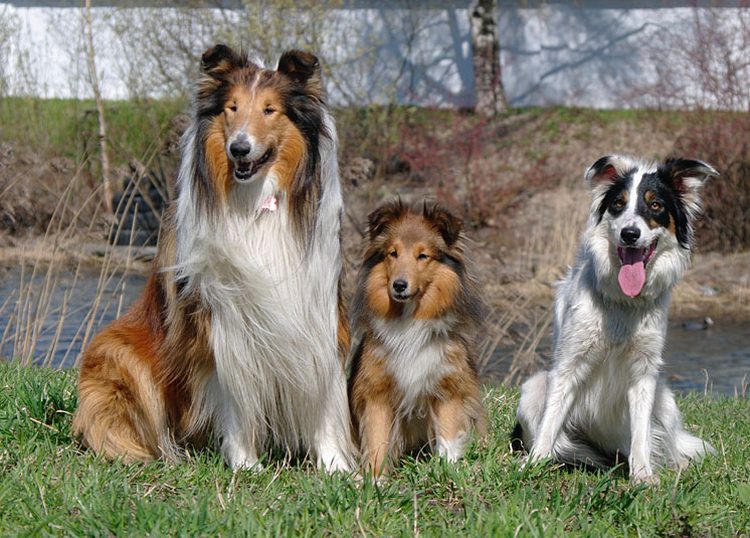
In the 20th century, Shelties fell out of favor as shepherds, but the breed was preserved through the efforts of enthusiasts who saw them as companions. In 1908, a breed club was founded in Lerwick, the capital of the Shetland Islands. Breeders attempted to unify the breed: they named it the Shetland Sheepdog, created stud books, and developed a standard. In 1909, a breed club was founded in Scotland, and in 1914 in England. In 1917, the first dog, named Woodwold, won a championship title. During the subsequent war and post-war years, pedigree dogs in Europe were virtually nonexistent. Only in 1948 did various English kennel clubs jointly restore the breed's population, agree on, and adopt a standard.
Shetland Sheepdog lines in the United States deserve special attention. The first Shetland Sheepdogs were imported to the United States from England in the early 20th century. Targeted breeding and improvement efforts began in the 1920s. Breeders led by Frederick Fry founded the American Shetland Sheepdog Association, and the AKC registered the first standard in 1929.
Video review of the Sheltie dog breed:
Appearance and standards
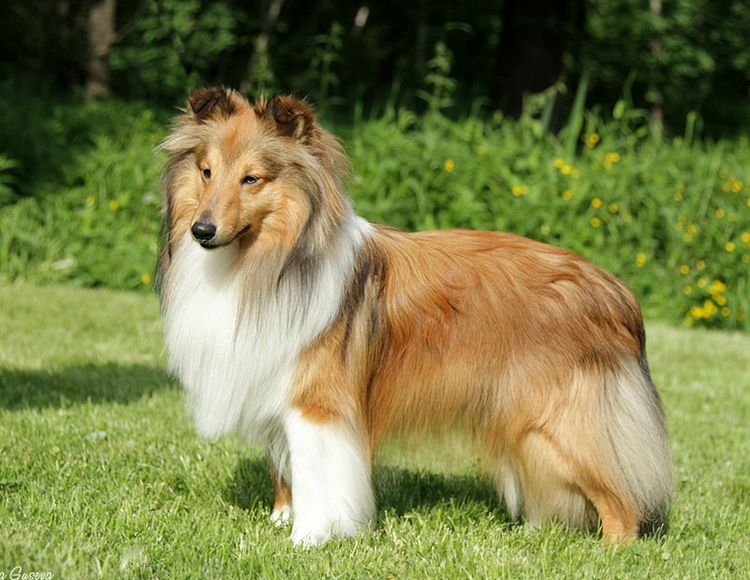
Shelties are small working dogs, sturdy and balanced, with a lush, long coat, an elongated muzzle, and an intelligent, expressive expression. Their movements are smooth and graceful, and their strong hindquarters drive them well, allowing them to cover large distances with minimal effort. Their average height is 30-40 cm, and their weight is 8-12 kg.
Head and muzzle
The head is shaped like an elongated, blunt wedge, tapering toward the nose. The occipital protuberance is slightly defined. The stop is slight but noticeable. The nose, lips, and eyelids are black. The teeth are small, strong, and complete with a correct bite. The eyes are almond-shaped, medium in size, and set slightly obliquely. The iris is dark brown. In dogs merle color Eye color can be blue or blue with brown highlights. The ears are set close together, small, and semi-erect. The rounded corners are folded forward.
Frame
The Sheltie's body is slightly elongated. The chest is deep. The neck is muscular, fairly long, and well arched. The back is level. The loin is slightly arched. The croup is moderately sloping. The limbs are strong, proportionate, with strong bone and well-developed muscles. The tail is set low, reaching to the hocks.
Coat and colors
The Sheltie's double coat consists of a wiry, long, straight outer coat and a soft, dense, short undercoat. A noticeable feature is the lush mane and ruff, and the well-furred limbs and tail. The hair on the muzzle is always short.
A variety of colors are allowed, for convenience they are divided into groups:
- Sable - pure shades from fawn to bright red (wolf and gray are undesirable);
- Bicolor – black with red or white;
- Tricolor – black with red and brown markings;
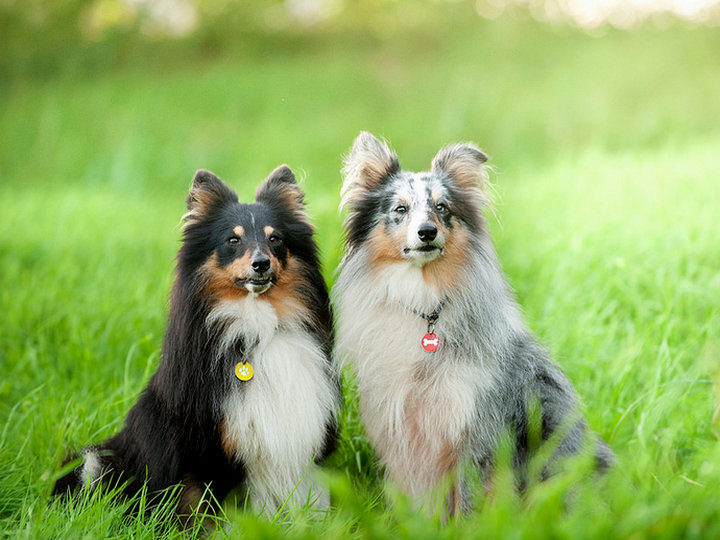
- Merle is a silvery-blue marbled color with black speckles.
The presence of white spots is allowed on the muzzle, chest, paws, but on the body they are highly undesirable.
Character and psychological portrait
Shelties are small dogs with a very gentle, docile, and friendly nature. These dogs are very attached to their owners, loyal, and devoted. They absolutely cannot stand loneliness or lack of attention, so they will follow their owners everywhere and relish any opportunity to spend time together. Self-esteem, independence, and tact are innate qualities. Shelties won't bother their owners if they're busy, but are always ready to join in on a game. They are gentle with children and display endless patience.
They are generally reserved with strangers. Timidity, nervousness, or aggression are unacceptable traits for the breed. Shelties should not be considered protective, but they do possess guarding qualities and will always warn of danger with a loud bark. Shelties are very talkative, but their language isn't limited to just "woof"; it's surprisingly varied. They can yelp, growl, moan, whine, coo, and even howl anxiously. They even bark with varying intonations.
Training and exercise
Shelties are distinguished by their enviable intelligence; like true shepherds, they are capable of independently assessing their surroundings and making decisions. They are remarkably trainable and have quick reactions. When training, use only gentle persuasion, verbal praise, and treats. Harshness and cruelty should be avoided, as this will develop traits such as malice, stubbornness, and deliberate disobedience. If not properly socialized as a puppy, a Sheltie may become timid and fearful in adulthood.
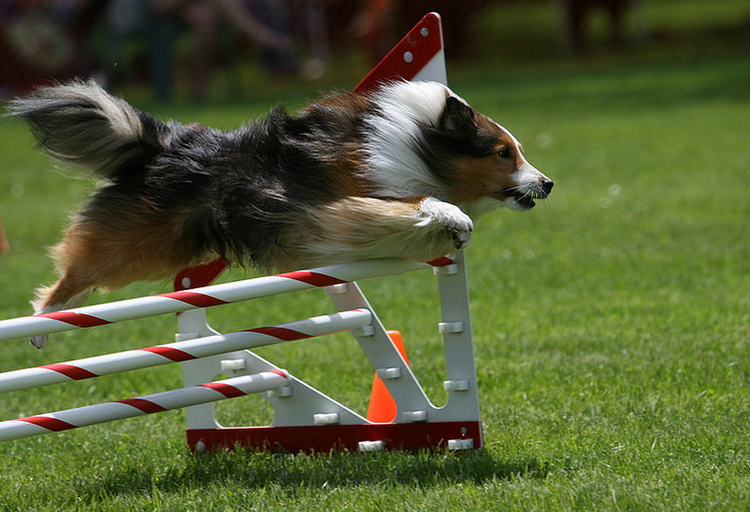
The Sheltie requires regular walks and mental stimulation. The dog will enjoy any activity, from a simple game of fetch or frisbee to professional sports (agility, freestyle, etc.). Ideally, two walks a day, each lasting more than 30 minutes, are recommended. During walks, it's important to provide the dog with the opportunity and motivation to move. Exercise will help the Sheltie maintain good health and excellent physical fitness.
Content
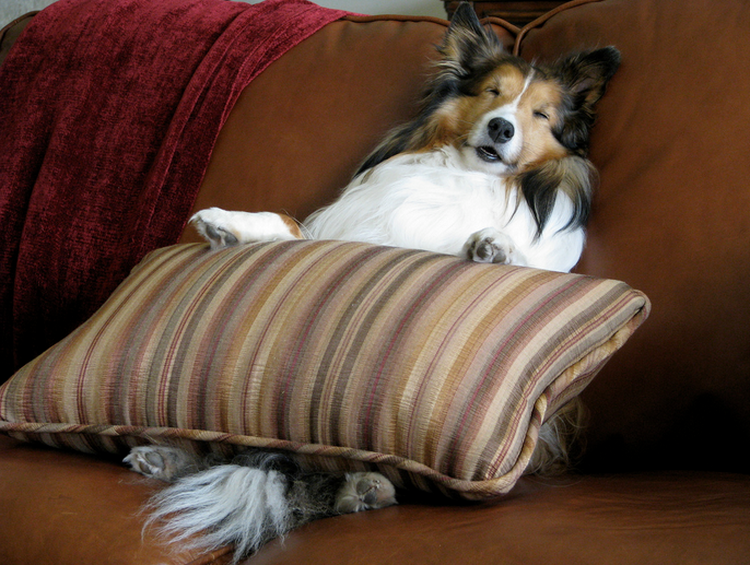
A Sheltie should live close to her family, whether in a small apartment or a spacious house. The breed is not suitable for outdoor living. This dog adapts easily to any lifestyle. It can sit on the couch for hours without suffering from inactivity, and outdoors it will enjoy the opportunity to run and play. Shelties are very sociable and get along well with any other animals, whether cats, dogs, or hamsters. If the dog doesn't have the opportunity to expend all its pent-up energy, over time it can become nervous, hyperactive, or destructive.
Care
Grooming a long-haired breed requires considerable time and money from the owner, including all sorts of tools and cosmetics. Particularly careful grooming will be required for the dog's rich coat if it lives in an apartment.
Shelties possess an elusive charm and harmony. With proper and regular grooming, they will attract many admiring glances.
Brushing is recommended up to three times a week, and daily during the intense shedding season. Bathe your dog once a month. Use mild shampoos for long-haired breeds, and after washing, be sure to apply conditioners and balms to soften the hair and make it easier to brush.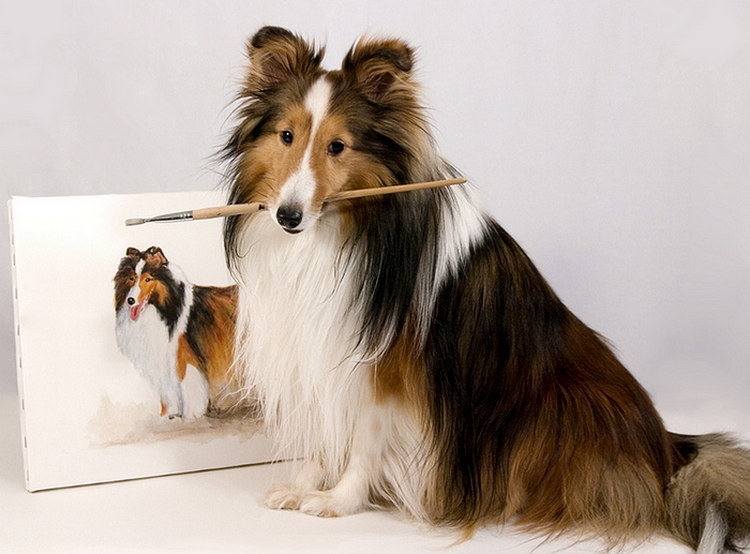
Feeding
Each owner decides on a case-by-case basis. Shelties are equally well-suited to both natural and commercial dry food. In any case, it's important to carefully select a diet that meets all of their pet's needs. An unhealthy diet and an inadequate nutritional regimen weaken the body and reduce resistance to disease.
Health, diseases, life expectancy
Shelties are very hardy and adapt well to various weather conditions. In general, Shetland Sheepdogs are healthy and have a strong immune system, with an average lifespan of 12-13 years. However, the breed is prone to a number of health problems:
- Hernias;
- Epilepsy;
- Heart defects;
- Hypothyroidism;
- Lupus;
- Various types of dermatitis and allergies;
- Ear and eye diseases;
- Cryptorchidism;
- Von Willebrand disease (poor blood clotting).
Shelties have been shown to have increased sensitivity to certain medications.
A short list of dangerous drugs and active ingredients:
- cyclosporine;
- Loperamide;
- vincristine;
- Rifampicin and many others.
Against fleas and ticks, products with the following active ingredients should be used with caution or avoided altogether:
- Moksidektin;
- ivermectin;
- Berenil;
- Veriben;
- Selamectin.
Choosing a Sheltie Puppy and the Price
Choosing a puppy is a responsible undertaking, especially if you're buying a purebred dog that meets the standard and has the desired appearance and character.
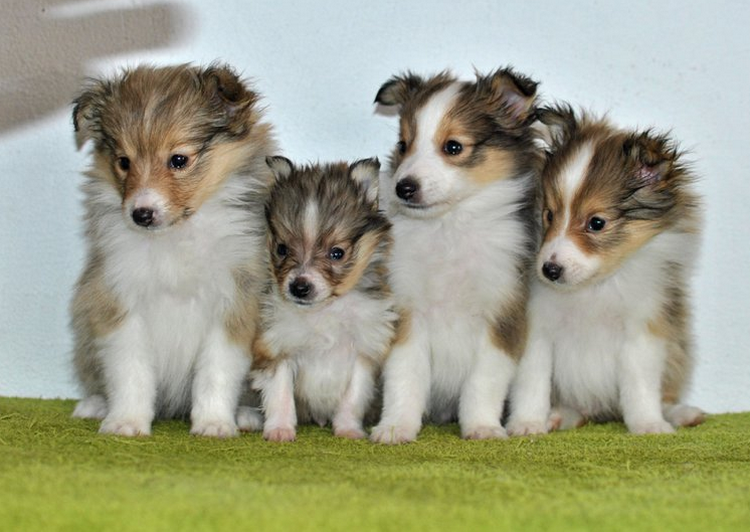
It's important to remember that a single litter can contain both "dwarfs" and "giants." If a Shetland Sheepdog is needed for a family "couch potato," this flaw is insignificant. However, if the dog is planning to participate in shows or breed, such a flaw could be detrimental to its career. A Shetland Sheepdog's coat also doesn't always match the picture. Therefore, when purchasing a puppy, it's important to visually assess the puppy's parents. Breeders' excuses about the absence of a father or mother being out of shape should raise red flags. It's crucial to evaluate the living conditions and grooming of all dogs, especially adults. Puppies should be healthy and active in appearance.
Unfortunately, determining future potential is very difficult even for experienced breeders.
In some cases, it makes more sense to buy older puppies, especially for families where everyone works. Even as teenagers, Shelties adapt well to a new home and family, but they can also tolerate being left alone for long periods, require fewer feedings, are collar-trained, outdoors-trained, and leash-trained, and know certain commands.
Price of a Sheltie puppy
Sheltie puppy prices vary widely. On average, a dog can be purchased for 20,000-25,000 rubles. Unscheduled matings or puppies without a pedigree typically cost no more than 10,000-15,000 rubles. Shelties from good champion bloodlines will cost 35,000 rubles and up.
Photos
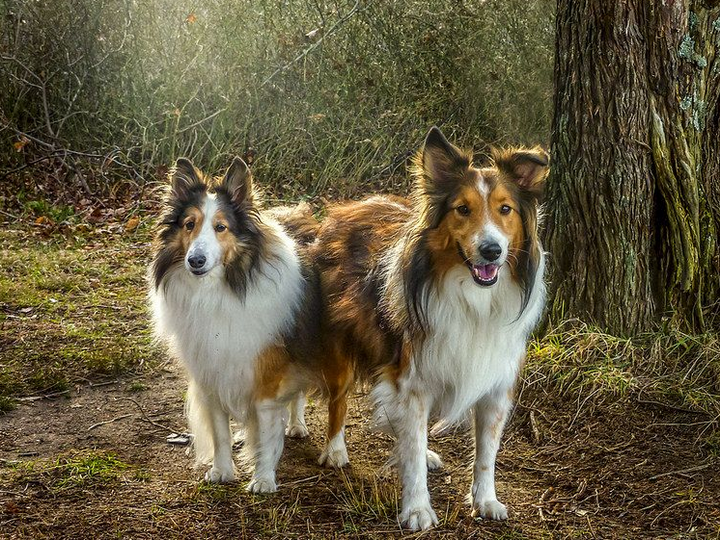
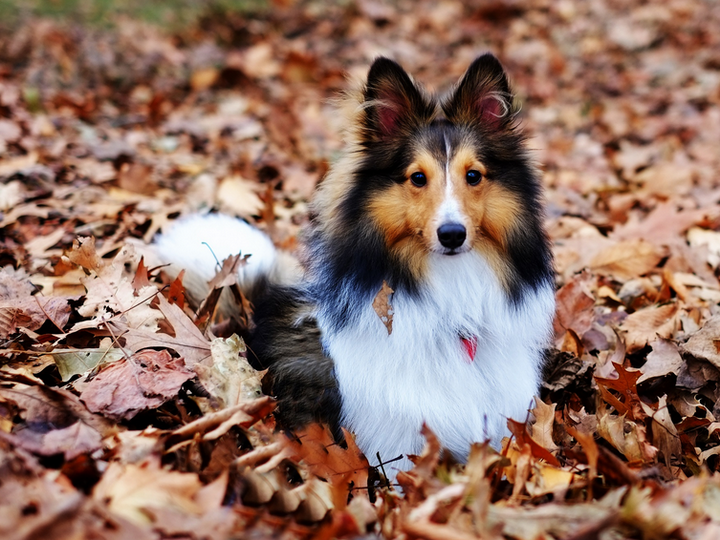
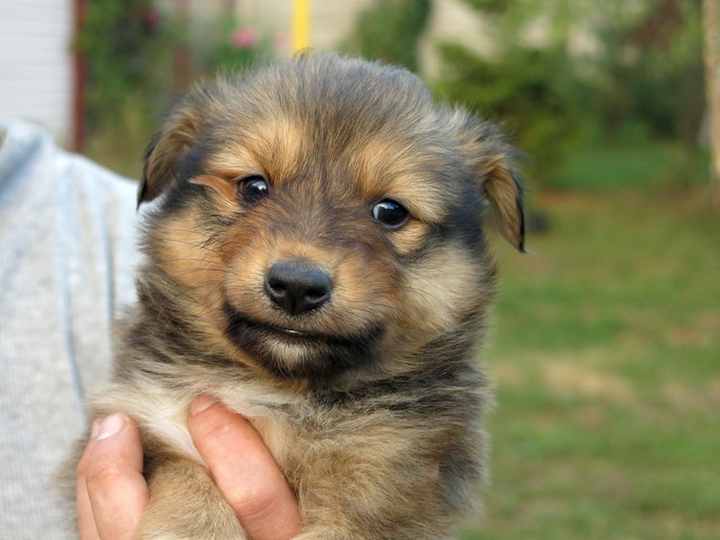
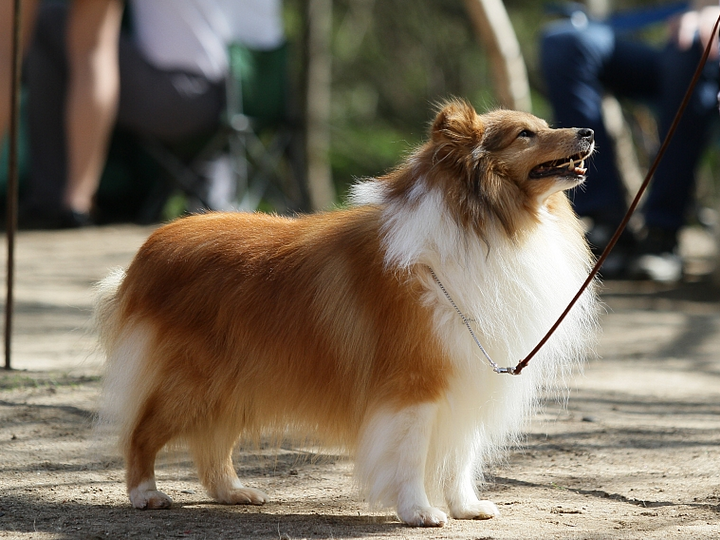
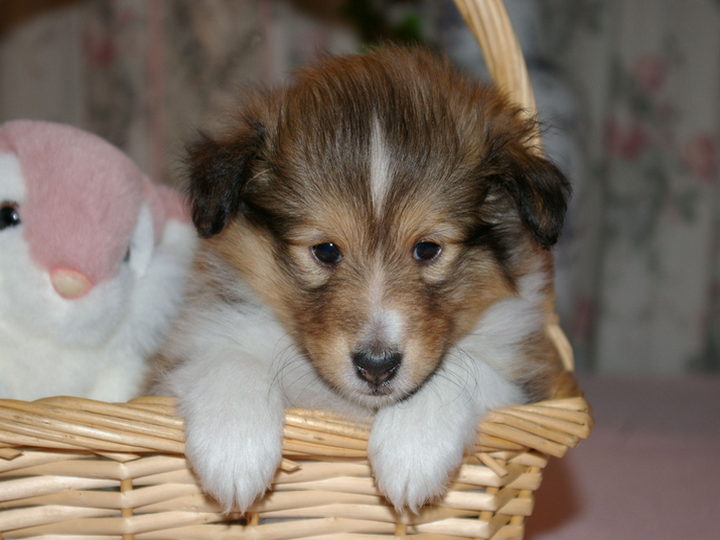
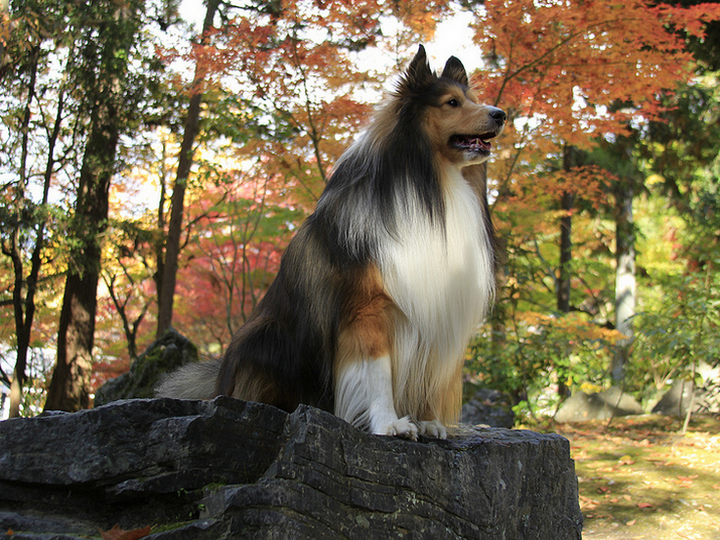
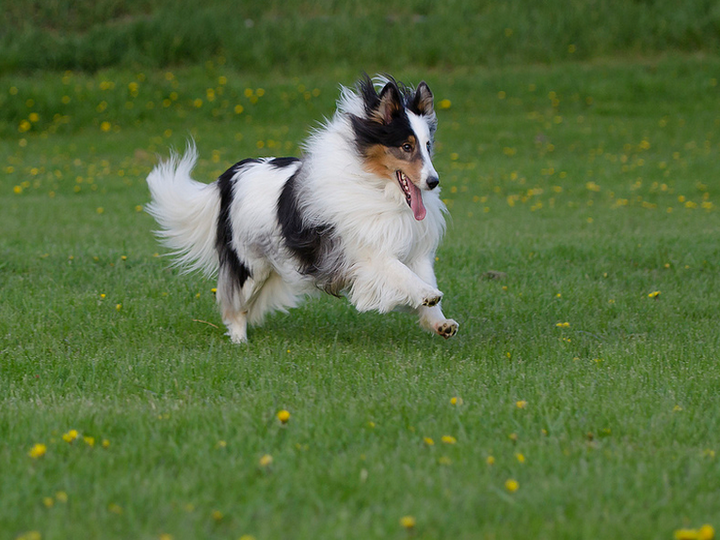
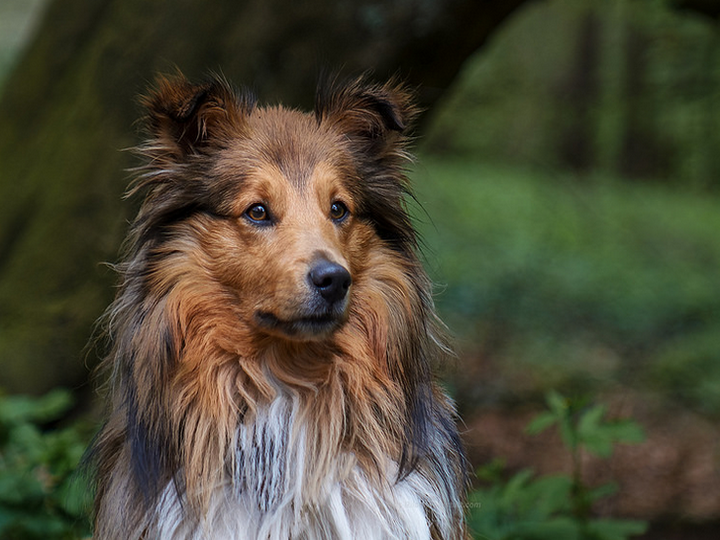
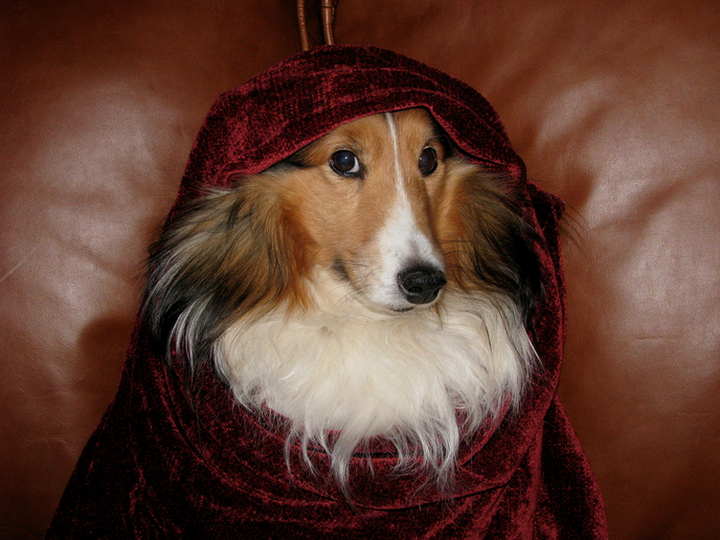
Photos of adult Sheltie dogs and puppies:
Read also:



Add a comment