
Shar Pei is a dog breed
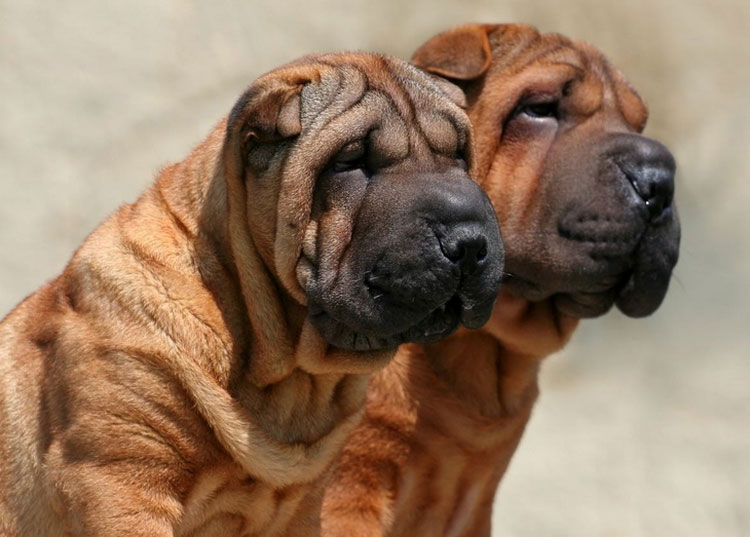
The Chinese Shar-Pei has such a unique appearance that it's hard to mistake it for anything else. This "folded dog" is one of the oldest breeds and certainly one of the most popular, despite its shortcomings.
Content
History of the breed's origin
The breed is believed to have originated in the southern provinces of China over 2,000 years ago. The first mention of such dogs, as favorites of emperors, dates back to 220 BC. The subsequent history of the breed could be called tragic, if not for its happy ending. The breed developed among all social classes with varying success. During periods of war and famine, it was forgotten, only to be revived later.
The communists who came to power in the 20th century decided that pets were a luxury and imposed taxes on pet owners. Naturally, this caused colossal damage to the breed. In the 1950s, only a few litters of Shar-Pei were known to exist in Macau and Taiwan.
American breeders led by Herman Smith, who brought the first Shar-Pei to the United States in 1965, began reviving the breed. In 1971, Dogs magazine published an article about the Shar-Pei as a rare, nearly extinct breed. Breeder Matgo Lowe saw this and then appealed to fellow American dog enthusiasts for help, presenting a plan for reviving the breed. Over the next several years, enthusiasts searched for and purchased the surviving dogs, then transported them to Hong Kong. These few individuals became the foundation dogs of the breed. Unfortunately, breeders were forced to constantly resort to inbreeding, which inevitably impacted the health of the breed.
In 1971, the American Kennel Association registered the Shar-Pei under the name "Chinese Fighting Dog." Five years later, the breed was recognized by the Fédération Cynologique Internationale. In 1979, the official name was changed to "Chinese Shar-Pei."
Video review of the Shar Pei dog breed:
Appearance and breed standards of the Shar Pei
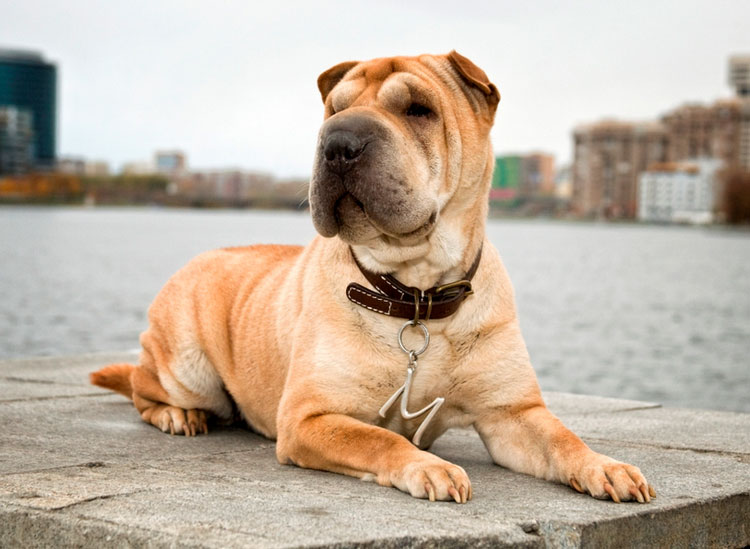
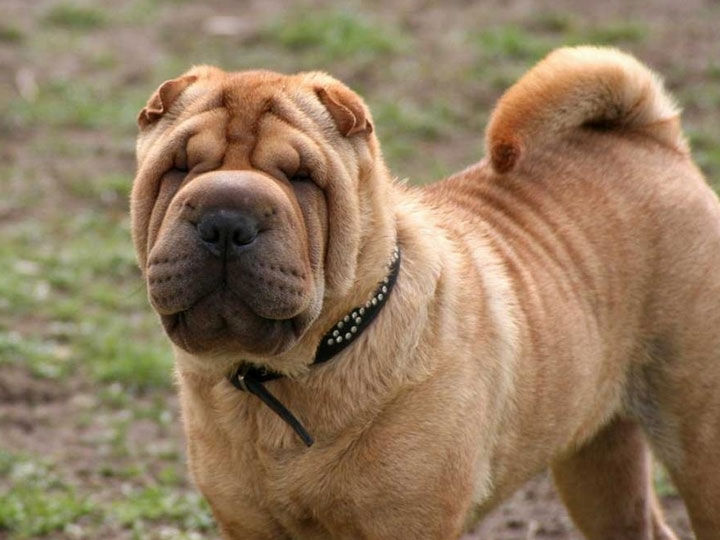
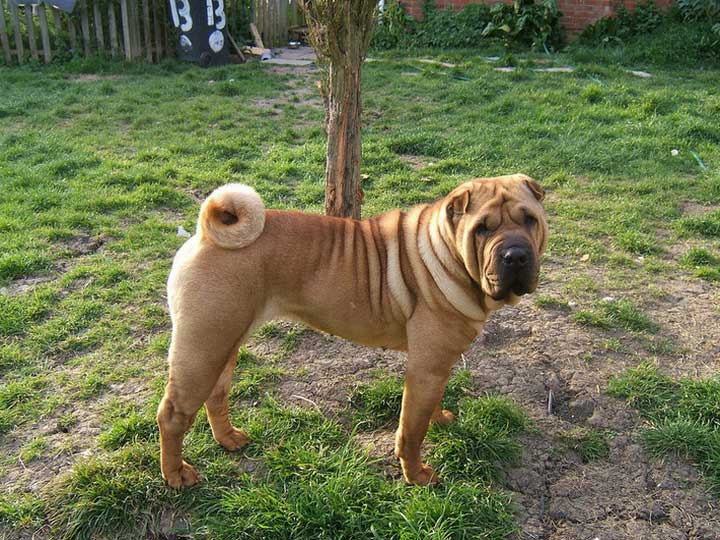
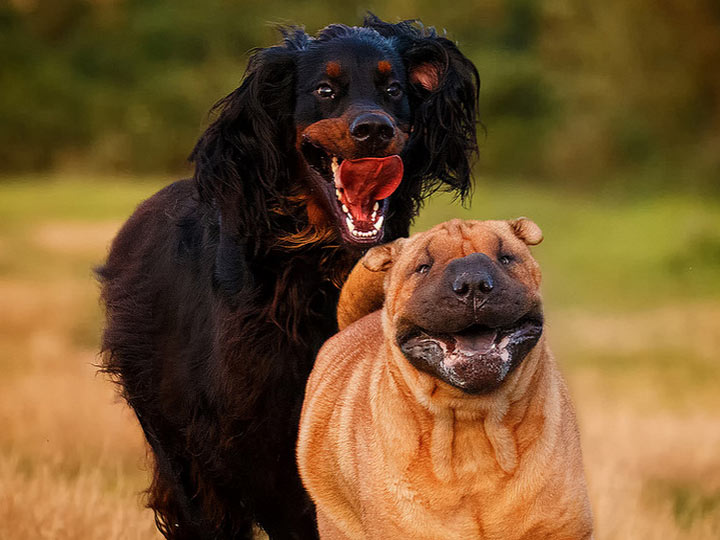
The Shar Pei is characterized by a strong, compact, medium-sized build. Its unique appearance is given by its wrinkled coat, small, folded ears, and very wide, well-filled muzzle. Males are generally larger than females. Height: up to 50 cm; weight: up to 35 kg.
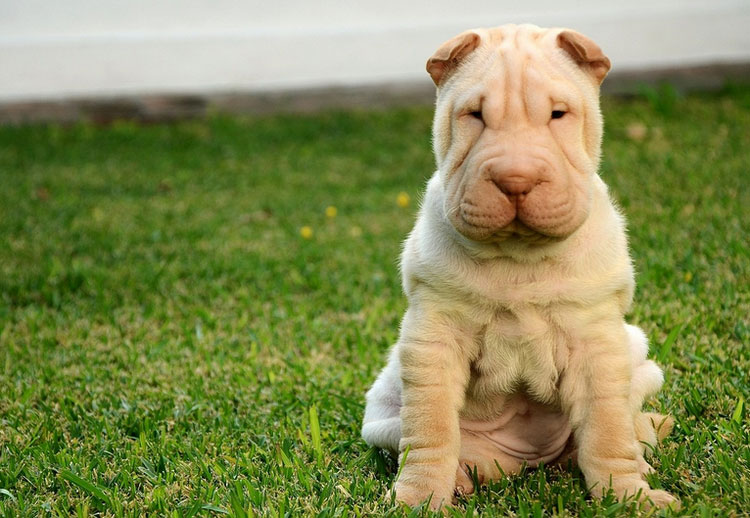
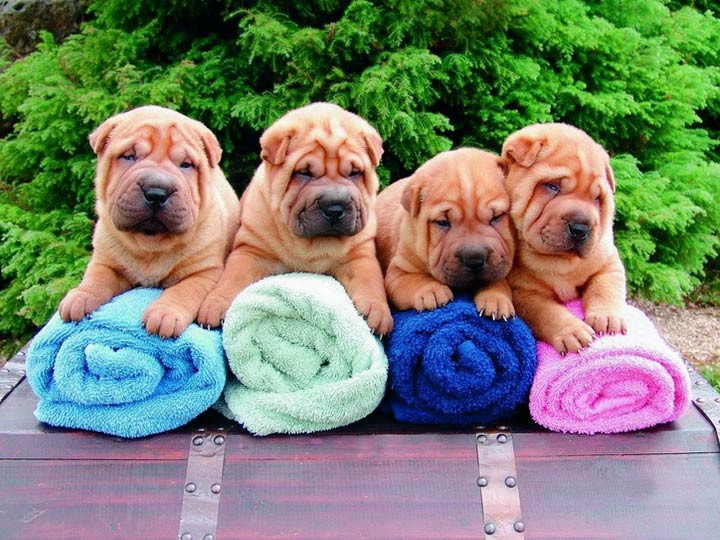
Shar Pei puppies look like ruffled hippos, but as they grow, the wrinkles smooth out, and in adult dogs, there are minimal folds on the body.
Head and muzzle
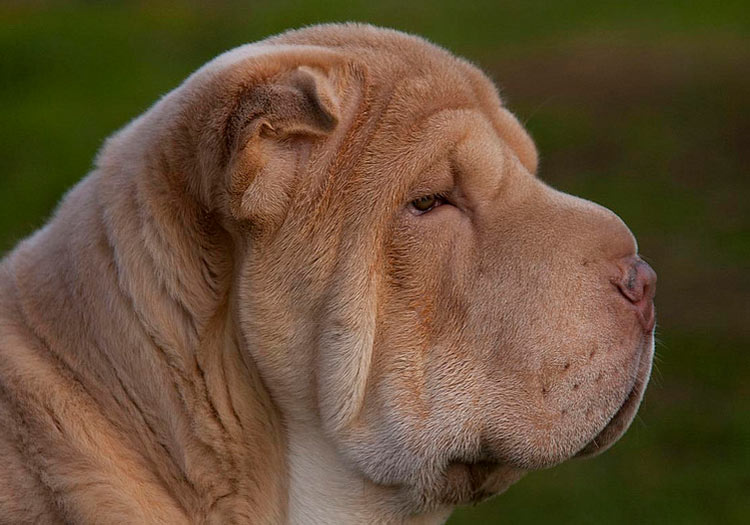
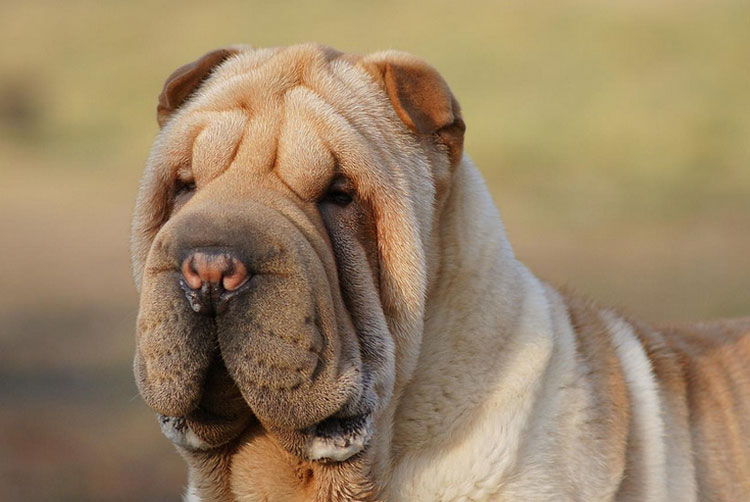
The Shar-Pei's head is quite large, with wrinkles on the muzzle continuing to form a dewlap. The muzzle is well-filled, the nose large and wide with wide-open nostrils. The tongue and gums are dark blue, though lavender is permitted only in duet dogs. The jaws are strong and the bite is correct. The eyes are almond-shaped and brown. The ears are small, thick, triangular, and rounded at the tips. They are set high, with the tips pointing toward the eyes and held close to the skull.
Frame
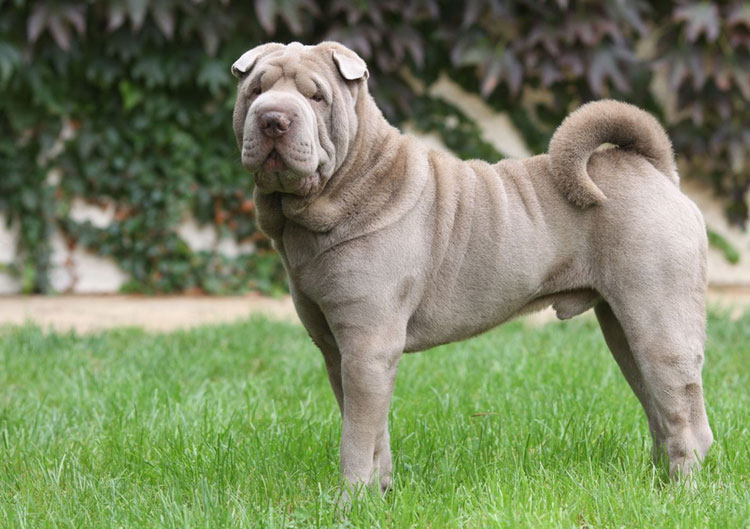
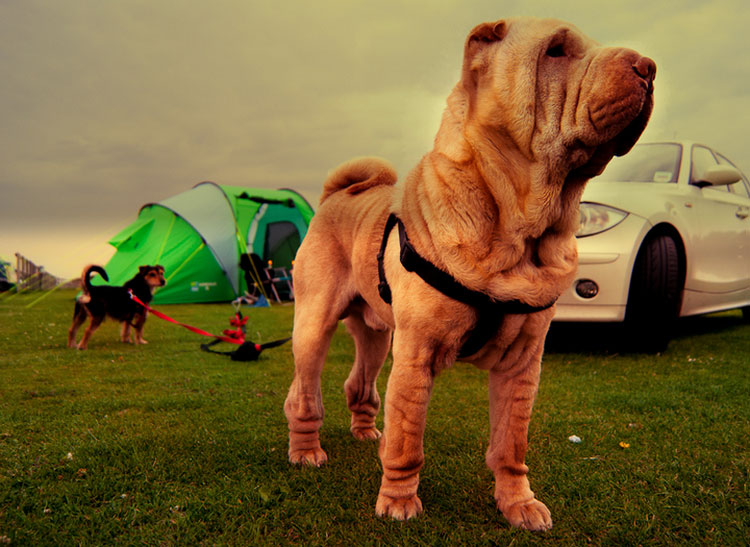
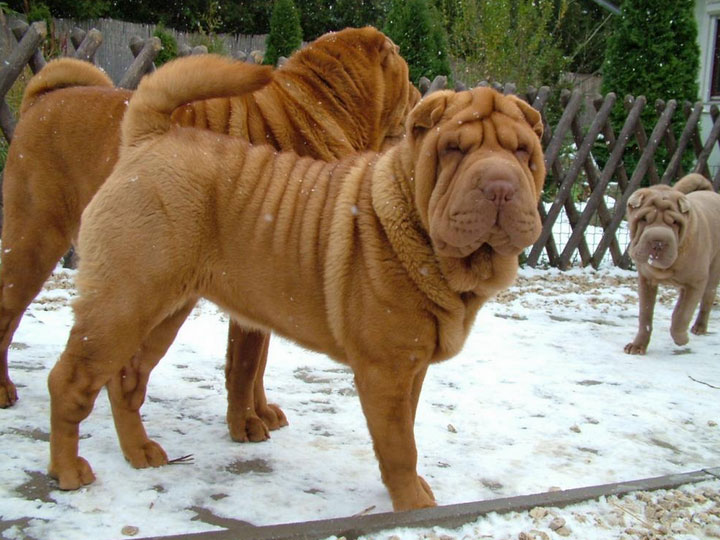
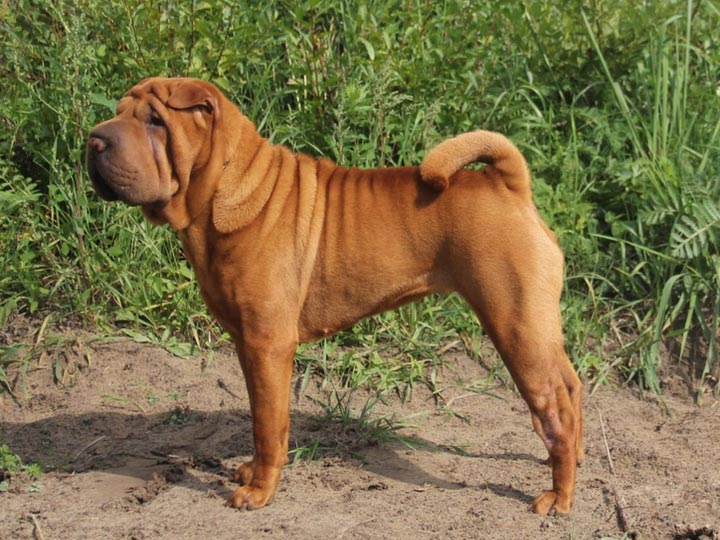
The neck is set firmly on the shoulders. Wrinkles may be present at the withers and at the base of the tail. There are also so-called "extreme" dogs, which have a large number of folds. These dogs are considered a breeding failure worldwide, as they are characterized by very poor health. Unfortunately, in some countries, particularly Russia, there are breeders who cater to consumer demand and deliberately breed "extreme" dogs. The topline slopes slightly just behind the withers and then rises toward the loin. The back is short. The chest is deep and broad. The tail is thick, round, set high, and curved over the back in a tight or loose curl. The limbs are strong, well-boned, straight, and muscular.
Coat and colors
The coat is short, bristly, and harsh to the touch. It lies loosely on the body. The outer coat should be straight. There is no undercoat.
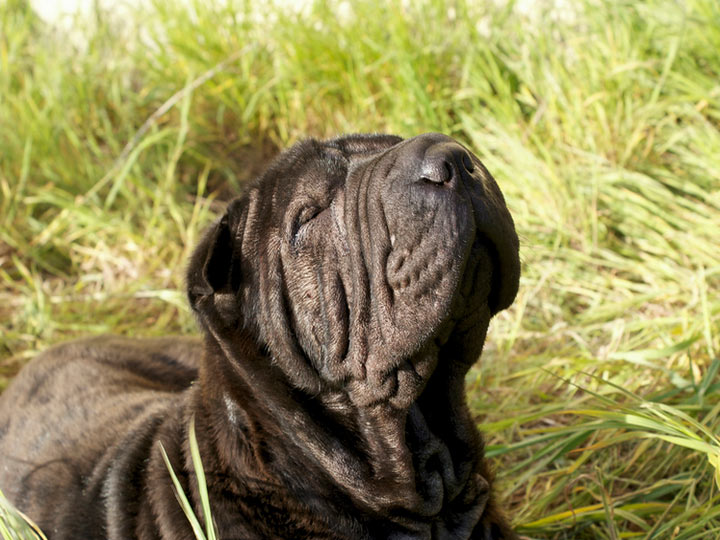
The Shar-Pei standard allows only solid colors and 14 color variations, which are divided into two types: basic and delute. Basic-colored dogs have black pigment, which appears in varying intensities (as a well-shaded mask on the muzzle or only in a dark nose). Delute-colored Shar-Pei are completely devoid of dark pigment and therefore cannot have a black mask, black nose, or dark tongue.
Shar Pei colors:
- Black;
- Blue;
- Chocolate;
- Deer;
- Purple;
- Red;
- Red-delute;
- Apricot;
- Cream;
- Creamy-delute;
- Isabella;
- Sable.
Shar Pei coat types: brush and horse
Originally, Shar Pei had short, wiry hair, but American breeders, when restoring the breed, added the blood of other dogs (including a close relative) chow-chow), as a result of which dogs with two types of fur began to be born:
- Horse hair is very short, up to 1.5 cm long;
- Brushed wool from 1 to 2.5 cm.
The Chinese do not recognize brush dogs. They believe that the Shar Pei can only be a horse dog. Despite this, the brush dog remains popular among some breeders.
Character
The Shar-Pei standard describes its character in a few words: independent, calm, and devoted to family. Behind these simple descriptions lies a full-fledged, highly spirited individual.
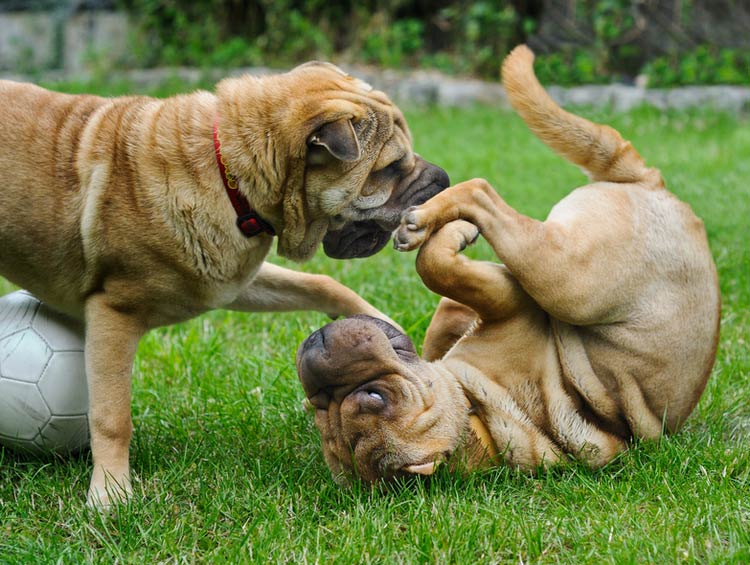
A dog's character is largely determined by the purposes for which it was bred. The Shar-Pei has served many purposes, including as a hunter, guard, and shepherd. To strangers, the Shar-Pei is independent, even arrogant, with a strong sense of self-worth, and sometimes even aggressive. In fact, the dog doesn't harbor warm feelings toward strangers, treating them with caution and distrust. At home, the Shar-Pei relaxes and becomes a true member of the family: affectionate, friendly, moderately playful, patient, attentive, and devoted. These qualities make the dog a wonderful companion and a good guard dog.
A Shar Pei requires a strong, confident owner who can cope with the dog's complex character through persistent and lengthy training.
Shar-Pei strive for leadership in everything they do, have a dominant nature, and an innate sense of territoriality. They are alert and intelligent, but can sometimes be aggressive towards their fellow dogs. Independence and decision-making, traits typical of herding dogs, are exhibited to a greater or lesser degree in every dog.
Education and training
According to Stanley Coren's research, the Shar-Pei has an average trainability. The breed is considered more suitable for those with extensive training experience. Shar-Peis are dominant dogs with a complex temperament; they can often disregard the opinions of their owners, whom they do not consider an authority figure.
You can't be too soft or unsure with a Shar Pei, as he will quickly assume a dominant position, which can lead to disobedience and other behavioral problems.
Training a puppy should begin as early as possible. The puppy should be taught rules of behavior both indoors and outdoors, and obedience commands are practiced. Socialization is especially important. Shar-Peis are good at remembering commands, but they quickly become bored with performing them for the same treats. Playfulness, variety, patience, and persistence will help raise a good companion, a comfortable and manageable dog.
Content
The Shar Pei is only suitable for apartment or house life and is completely unsuited to outdoor living. This is a companion dog that should always be close to its owner. Owners often complain that Shar Peis have a strong odor. Healthy dogs have a mild, sweet skin odor, but poorly groomed dogs or dogs with health issues, especially dermatological ones, can emit an unpleasant odor. Shar Peis have very coarse fur, so loose hairs on carpets or upholstered furniture often become stuck and prickly.
Shar-Peis don't like being petted between the ears or on the back, or when approached from behind. This is likely due to the dog's limited peripheral vision due to their folds. For this same reason, Shar-Peis don't always get along well with children. It's difficult to explain to a child how to approach and pet a puppy without causing stress or fear, which could later develop into aggression.
Physical activity
Moderate exercise is required. Shar-Peis are perfectly content with short walks and playtime near the house or in the park. However, some Shar-Pei are quite active and will happily join you on a morning jog. It's worth noting that in hot weather, these dogs tend to overheat, and as cold weather sets in, appropriate clothing is essential: overalls, sweaters, boots, and hats. Some Shar-Pei refuse to go for walks in freezing temperatures, and some even have an allergy to the cold, so winter walks should be kept to a minimum.
Care
The Shar Pei's short coat makes it easy to groom and maintain. Brush the dog once a week with a special mitt or brush for short-haired breeds. This "wonderful creature" needs to be bathed infrequently, a few times a year. To prevent skin irritation and remove excess moisture from the folds, use a special dog powder.
It's important to accustom your dog to all hygiene procedures from puppyhood. An adult Shar-Pei who doesn't consider it necessary to have his ears or teeth cleaned is practically impossible to manage.
Ears should be inspected a couple of times a week. If wax has accumulated, gently remove it with a cotton swab soaked in hydrogen peroxide or a special lotion. Earwax can accumulate in the corners of the eyes. This should be gently removed with a cotton pad or soft cloth. Many dogs' nails wear down successfully on their own, but sometimes owner intervention is needed. Overgrown nails are trimmed with special nail clippers.
Shar-Pei teeth generally don't require dental care when young, but since modern dogs often live into adulthood, when dental problems become more common, it's best to accustom them to dental care from puppyhood. While teeth are growing, you can massage their gums and then brush their teeth occasionally with a specialized toothpaste.
Nutrition
Shar-Pei are very sensitive to food quality. Providing many of them with a balanced natural diet is very difficult due to food intolerances, weak stomachs, and allergies. Breeders recommend individually selecting a good, super-premium, ready-to-eat food for your dog. holistic.
If you decide to feed a natural diet, you need to approach the menu carefully, and you may need the help of a specialist. An adult Shar Pei should eat about 1 kg of food per day, or 3.5% of its body weight. Half of the diet should consist of lean meats, organ meats, and fish. Eggs can be given 1-2 times a week. The other half should be cereals (brown rice, buckwheat). Vegetables, herbs, and fermented milk products should be added to diversify and supplement the daily menu.
Health: Diseases and Life Expectancy
Many consider Shar-Peis to be very sickly dogs, and there's some truth to that. Modern breeders are increasingly taking a responsible approach to breeding, selecting only healthy males and, where possible, conducting genetic carrier testing, but this wasn't always the case. Furthermore, the breed has complex genetics, which can lead to a number of pathologies and make the dogs prone to many diseases.
Few Shar-Peis boast excellent health. Most owners will encounter various ailments in their pets at some point.
- Like other brachycephalic breeds, the Chinese Shar-Pei can suffer from characteristic respiratory problems (stenotic nares, elongated soft palate, enlarged laryngeal mucosal folds, and a hypoplastic trachea). Puppies under 12 weeks of age are prone to developing bronchial pneumonia.
- Dermatological problems: allergic dermatitis, sarcoptic mange, bacterial skin infections, seborrhea, Malassezia dermatitis, malignant and benign skin tumors. Mucinoma is an autoimmune disease in which a substance called mucin accumulates in the skin. Shar-Pei are prone to abscess formation as a result of various penetrating wounds.
- Ophthalmological problems are also common in the breed. The most common problem is entropion. Diagnosed by examination, without surgical intervention, it can lead to corneal trauma and blindness. Retinal dysplasia, glaucoma, and third eyelid prolapse are also common.
- The peculiar structure of the ears, the difficulty of their ventilation and cleaning often become predisposing factors for the development of otitis of various etiologies.
- Panostitis and hypertrophic osteodystrophy are two musculoskeletal disorders often diagnosed during the active growth period of puppies. Shar-Peis are also diagnosed with carpal laxity, luxating patellas, hip and elbow dysplasia, and osteochondrosis dissecans.
- Hypothyroidism is quite common in the breed.
- Malocclusion;
- Thick lip syndrome (excess tissue on the lower lip obscures the teeth). Sometimes the problem doesn't interfere with the dog's life, but if it causes persistent damage, surgery is required.
- Chronic inflammation of the intestine;
- Allergies to plants, insect bites, food components, care products, etc.
- Hereditary fever or swollen joint syndrome is an immune system disorder unique to this breed.
Shar-Pei owners should closely monitor their dogs' health to detect the first signs of developing illness. In addition, Shar-Peis require standard veterinary preventative care, including examinations, vaccinations, and treatment for external and internal parasites. The average lifespan is 8-12 years.
Choosing a Shar Pei Puppy and Pricing
Before purchasing a Shar-Pei puppy, you should carefully read the standard to understand which appearance traits are faulty and which are merely minor faults. Be sure to look at photos of dogs online, and even better, attend a specialty dog show to get an idea of the appearance, types, sizes, and personalities of this diverse breed.
It's best to decide on the gender and desired color from the 14 possible colors in advance. And, of course, consider the purpose of acquiring the dog: will it be a pet only or will it eventually be used for shows and breeding. The next step involves market research, calling breeders, checking prices and pedigrees, and choosing the parents or a puppy from a litter.
When choosing a puppy, inspect it carefully. There should be no dried crusts on the muzzle, the fur and skin are dry and clean, the eyes are wide open, the eyelashes are forward-facing, and the tongue is blue or lavender, depending on the puppy's color. Pay attention to the puppy's behavior. It shouldn't be overly fearful or aggressive; a good puppy is curious, friendly, and playful. It's best to bring puppies to their new homes no earlier than two months of age.
Prices
The price of a puppy from a breeder varies widely, from 25,000 rubles and up. The price is influenced by the breeder's geography, the parents' achievements, the breeder's appetite, and many other factors. The only option to buy a purebred dog at a lower price (excluding exceptional cases) is to find a pet-quality puppy with minor appearance flaws that automatically disqualify it from breeding and significantly reduce the price. These can include a parted color, a spotted or pink tongue, an underbite, erect ears, etc. The breed is very common, and many sell dogs privately. The price of puppies without papers rarely exceeds 15,000 rubles.
Photos
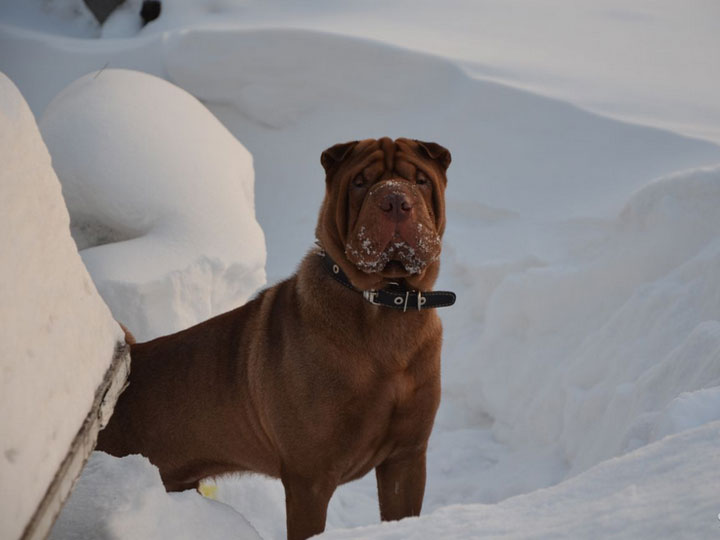
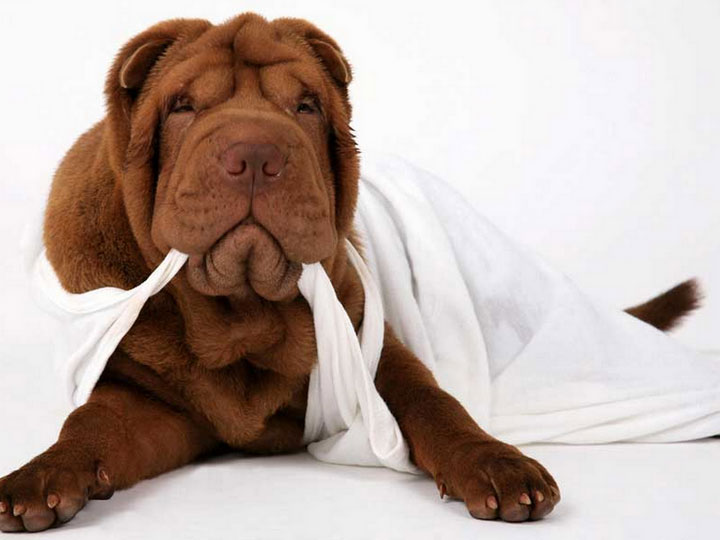
Photos of Shar Pei dogs of different ages and colors:
Read also:


Add a comment