
Schapendoes (Dutch Shepherd Dog, Schapendoes)
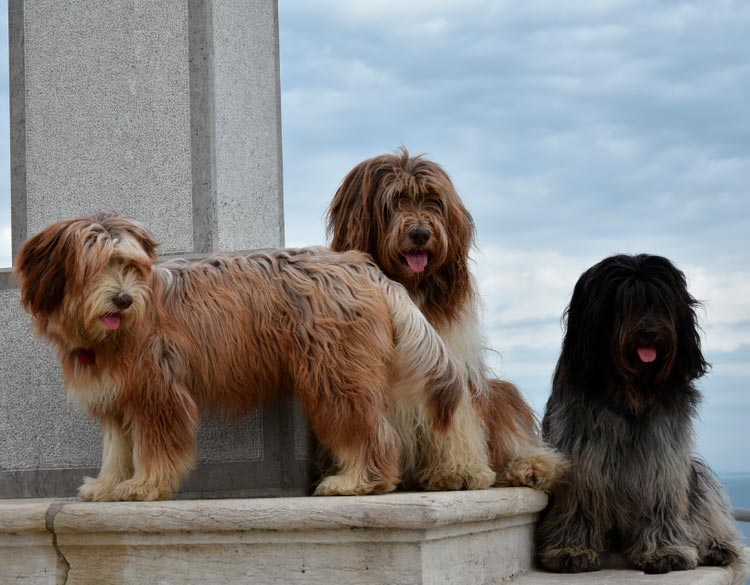
The Schapendoes is a small herding dog that originated in the Netherlands. It is rarely seen outside its native land. Like many other shepherds, the Schapendoes is an active, cheerful, and friendly companion. It is easy to care for, intelligent, and hardy. Its long coat requires little grooming. Other names for the breed include the Dutch Shepherd Schapendoes and the Schapendoes.
Content
History of origin
Dutch Shepherds, similar to modern Schapendoes, existed throughout the Netherlands for several centuries. They didn't attract the attention of the nobility and remained widely known and popular only among farmers and workers. At the turn of the 19th and 20th centuries, Schapendoes could be found wherever there was a flock of sheep. Shepherds highly valued their dogs for their working qualities and intelligence.
The Dutch Schapendoes belongs to a large group of long-haired herding dogs. Genetically, it is related to bearded collie, poodle, Polish Tatra Sheepdog, bobtail, bergamasco and some others.
The Schapendoes is a breed with a centuries-old history, but after World War II it almost completely disappeared. Only a few individuals remained, discovered by the Dutch scientist Tupul. In 1964, the shepherd received official recognition from the Dutch Kennel Club. A stud book was also opened for it. Since 1971, only dogs with a pedigree have been allowed for breeding. To this day, the breed remains small in numbers and virtually unknown outside its homeland, like the other Dutch Shepherds. HerderIn 1947, Tupul and his associates founded the Schapendoes Dutch Shepherd Fanciers' Organization. The Fédération Cynologique Internationale recognized the breed in 1991 under the name Schapendoes.
Purpose
The Schapendois is a herding dog in every way. It has the right personality, mindset, and appearance for this work. The Schapendois is hardy and energetic, capable of high speeds, agile, and agile. When working, it listens to its owner and can make decisions independently if necessary. Traditionally, the Schapendois helped shepherds drive flocks, guide, and gather sheep. Today, it is bred without working trials.
The Schapendois is easy to train, hardy, energetic, and owner-oriented. These qualities make it suitable for a variety of canine sports, including flyball agility, freestyle, obedience, and more.
Appearance
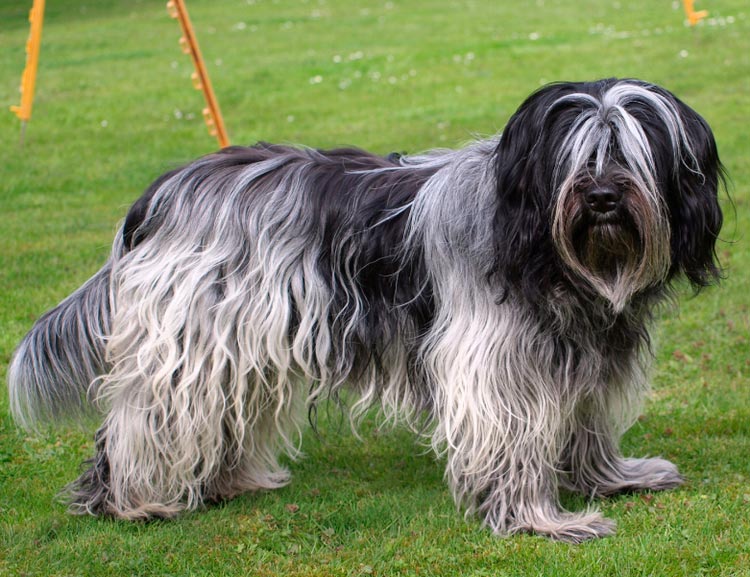
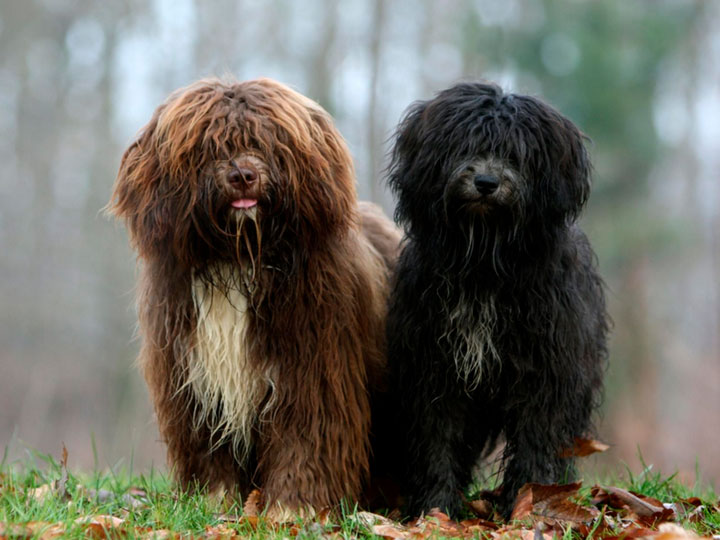
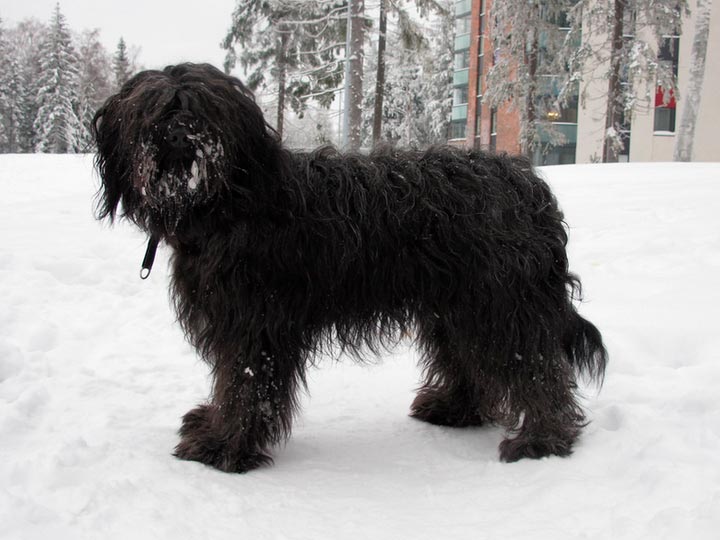
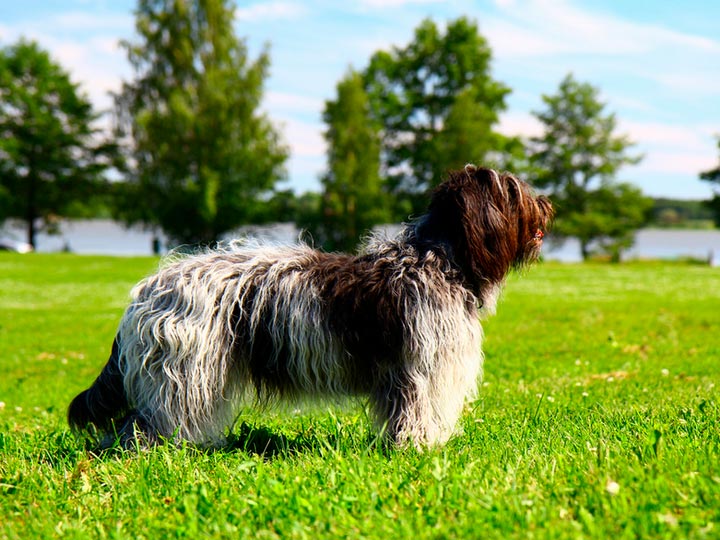
The Schapendoes is a medium-sized dog of light and harmonious build, with long, wavy hair and a well-furred head. The height at the withers for males is 43-50 cm; for females, 40-47 cm.
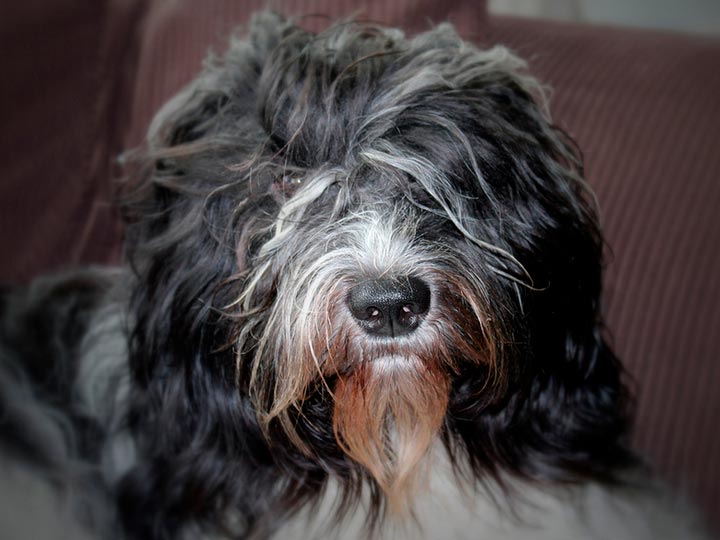
The head appears wider and larger due to the coat. The skull is almost flat and fairly broad. The stop is pronounced, but not too sharp. The muzzle tapers to a point, tapering to a blunt tip with rounded contours. The eyes are large, round, and set straight, brown in color. The ears are small, hanging freely, not lying flat against the head, and set high. The jaws are well developed, with a scissor bite.
The neck is dry, strong, and powerful. The body is slightly elongated, flexible, and supple. The topline slopes gently toward the loin. The ribs are well sprung and well-sprung. The chest is deep. The belly is not excessively tucked up. The limbs are lightly boned and straight. The paws are wide, large, oval, and springy. The toes are tightly knit. The pads are firm and thick. The tail is long, well-furred, and plumed.
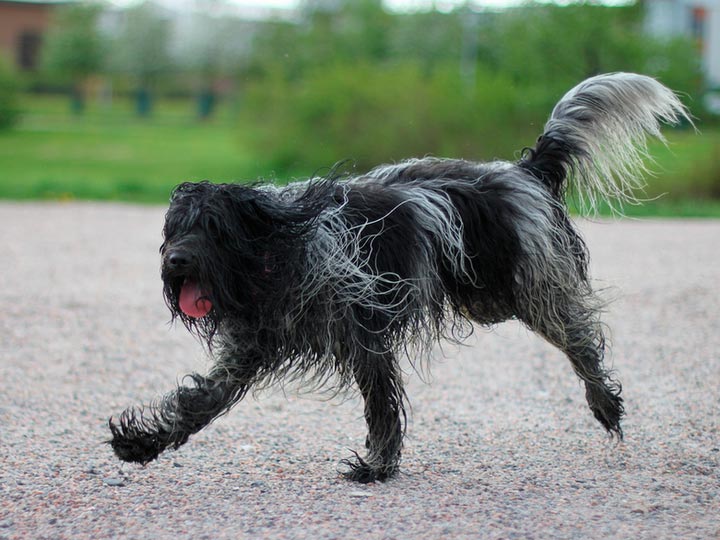
The tail's carriage during movement is a characteristic feature of the breed. At rest, it hangs low. When the dog trots, the tail is raised high and sways from side to side, slightly curved. When galloping, the tail is carried in a straight, horizontal line. When jumping, it serves as a rudder. An alert Schapendoes may hold its tail above the line of the back, but only for a short time.
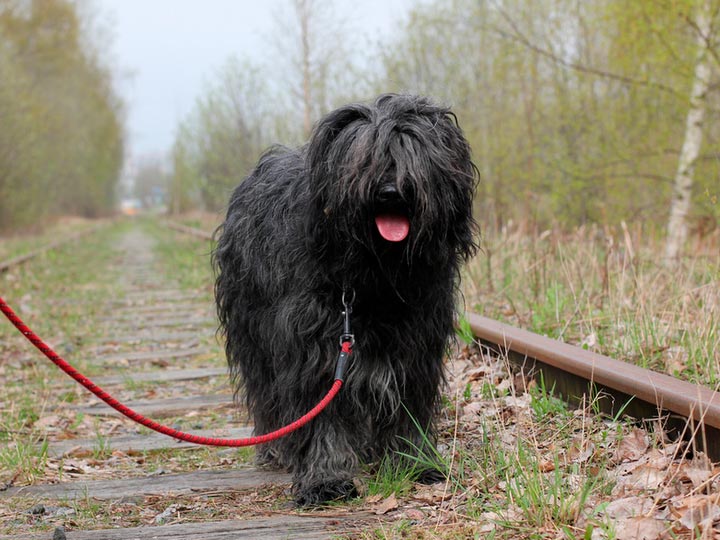
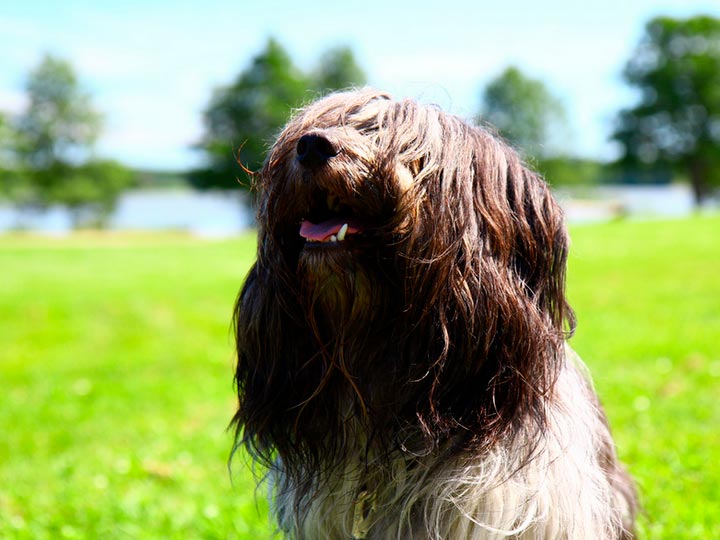
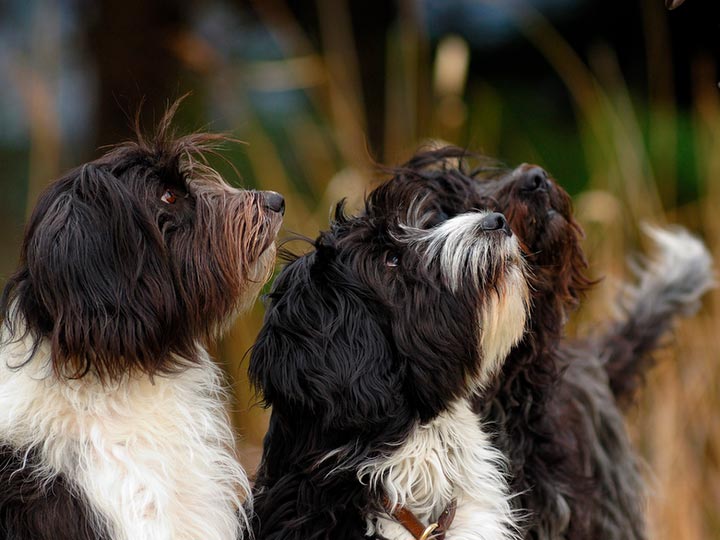
The coat is double, consisting of a dense, well-developed undercoat and a medium-length, slightly wavy, dry, and coarse outer coat, very dense. The body coat measures approximately 7 cm. The tail and hindquarters are longer. The head and muzzle are covered with thick hair, which forms the eyebrows, mustache, and beard. All colors are acceptable. Blue-gray with black is preferred.
Character and behavior
The standard describes the Dutch Schapendoes as an intelligent, alert and energetic dog that is very devoted to its family and surroundings, courageous and attentive.
The Schapendoes is a very cheerful and sociable breed. Nervousness or aggressiveness are not typical for the breed. Thanks to its playful and outgoing nature, the dog gets along well with children. Older children will find it a great playmate. It gets along well with other animals. It gets along with dogs of various breeds and often coexists peacefully with cats and small animals. It has a well-developed guarding instinct. It will alert its owner with a loud bark to the arrival of guests and anything it deems suspicious. The Schapendoes will share almost any owner's height. It is always ready for a walk in the woods or a game of fetch. In its free time, it will happily nap nearby while its owner watches TV or goes about their business.
The Schapendoes is sociable and friendly, making them well-suited to family and companionship. They don't tolerate being left alone well, require attention from their owner, and need plenty of exercise. Otherwise, they develop bad habits, become irritable, and unruly.
Education and training
Dutch Shepherds are intelligent and quick-witted dogs. They are very sociable, people-oriented, and eager to please. These qualities make them easy to train, eager to learn, and eager to be helpful. They respond best to positive training methods. A Schapendoes requires a firm but fair hand when working. The best results will be achieved if the shepherd is interested in training, and if training sessions are varied and not too long.
Content Features
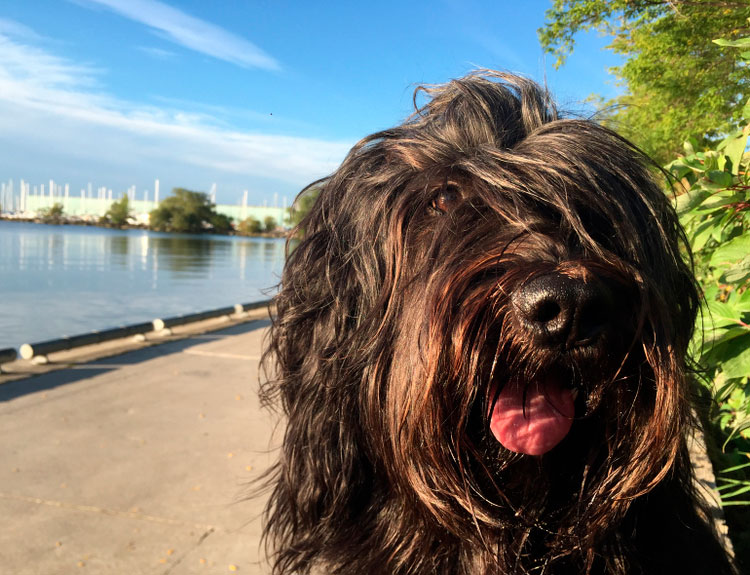
The Schapendoes is best suited for outdoor living; they'll thrive on a farm outside the city, where there's plenty of space and work to do. Owner experience shows that this shepherd easily adapts to city life and apartment living. A well-walked Schapendoes will be calm indoors. As a puppy, they're very active and curious, and can be a bit mischievous.
The Schapendoes is very energetic and resilient. At a young age, they need at least an hour a day of active play. Long walks in nature and playtime with other dogs are encouraged. These activities will help maintain the dog's physical and mental health.
Care
The Schapendois will require simple but regular grooming from its owners.
- The coat needs to be brushed periodically. During the seasonal shedding period, this is done daily. During the rest of the year, this should be done once or twice a week. Without brushing, the hair becomes matted. Dirty and wet coat of the Schapendoes has a distinctive odor. Seasonal shedding is profuse, while the rest of the year, shedding is moderate.
- At shows, Schapendoes are shown in their most natural form. In the photos, you can see that some owners trim their dogs' forelocks, but in practice, this is not necessary.
- The Dutch Schapendoes Club has decided that bathing Schapendoes is not permitted. Their coat is considered self-cleaning. Bathing is only permitted if the dog is very dirty.
- The inside of the ear is covered with thick hair, which requires regular plucking. Hair in the ear canal interferes with natural cleaning and increases the risk of infection.
- For hygienic purposes, the hair around the anus, near the vulva in female dogs and on the edge of the prepuce in male dogs is trimmed.
- If necessary, wipe the eyes and trim the claws.
- Regular teeth cleaning is recommended.
Health and life expectancy
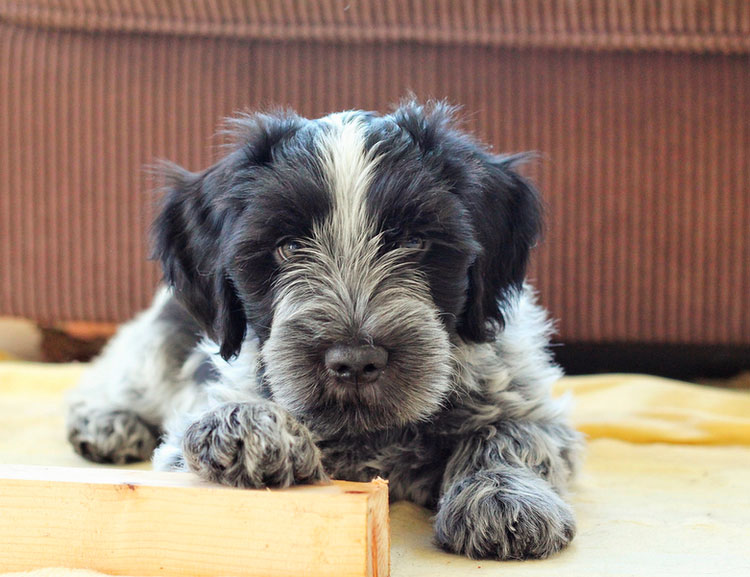
Schapendoes are generally hardy and healthy, with an average lifespan of 13-14 years. A small number of dogs suffer from progressive retinal atrophy. Clubs in Canada and the United States also recommend breeders screen for hip dysplasia.
In 2006, German veterinarians discovered that liver enzymes were significantly elevated in many healthy Schapendoes. Further observation revealed that this was not associated with any underlying health conditions. Dogs with abnormally elevated levels survived to old age without complaining of liver-related health problems.
To maintain the health of the Chapendos, owners are advised to remember about veterinary and preventive measures: vaccinations, treatment for parasites, and regular medical examinations.
Where to buy a Schapendoes puppy
The majority of Schapendoes dogs and kennels are concentrated in the Netherlands. There are also a few breeders in the United States, Canada, Belgium, and Germany. Only recently have individual representatives of the breed begun to appear in Russia. There is no information on breeders or kennels.
Price
In Holland, the average price of a Schapendoes puppy is 900 euros.
Photos and videos
You can see photos of Schapendoes (Dutch Shepherds) in the gallery. In the photos, the dogs often appear somewhat larger than they actually are.
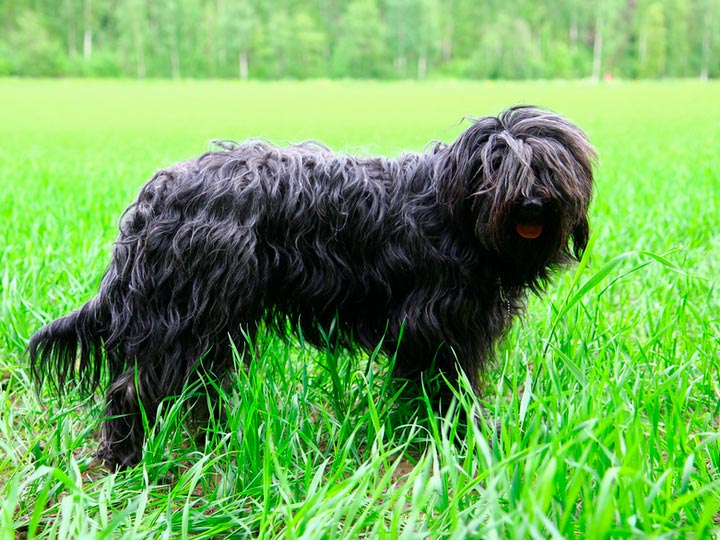
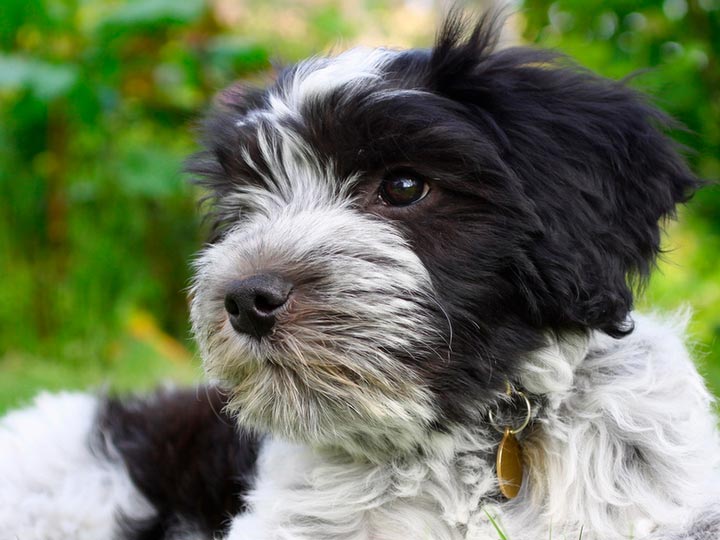
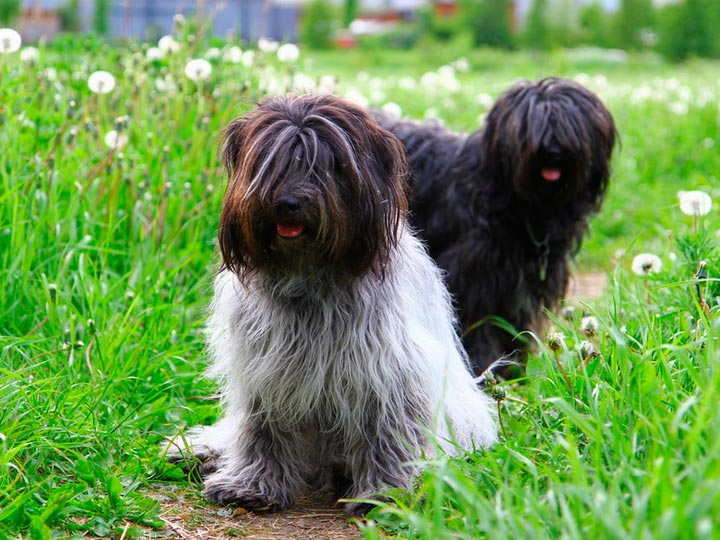
Video about the Dutch Shepherd Schapendoes dog breed
Read also:


1 comment
Irina
From 1985 to 1998, a real Chapendois lived in my Moscow home. I have photographs (there was no modern technology). A friend filmed him, but finding the footage is difficult now.
Where he came from in Moscow during those years is a complete mystery. He was a jumpy creature, loved to run, and one day, across a huge field, two gray clumps of fur darted past me at the same speed. It took me a while to realize the first was a hare and the second was my dog. I made mistakes: I clipped him in the summer, but couldn't do anything about his fur. And I probably washed him too often.
When I saw this program, I can't put it into words, I just cried. I saw my gray and black dog again, my most beloved. So many years have passed, and I still dream about him... Although after him, I've had a bunch of dogs, and now I have two beloved tails...
Add a comment