
Shalaika (Sulimov's dog, shabaka, shakalaka, quadroon)
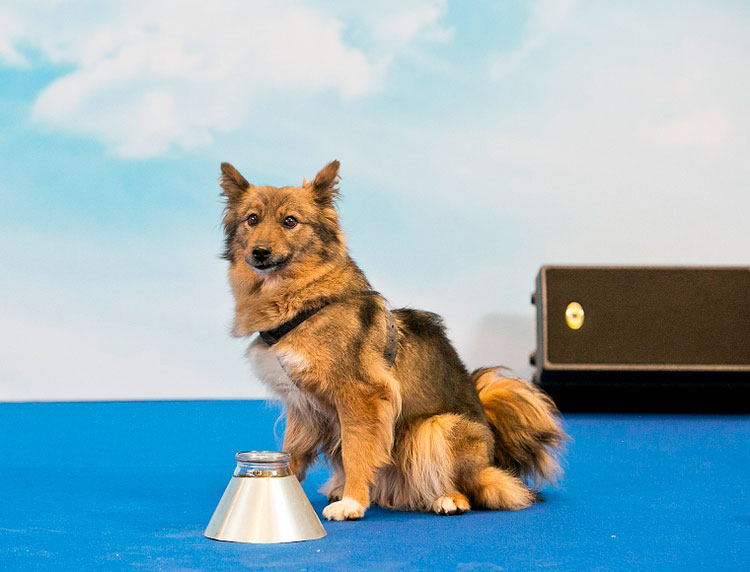
The Shalaika, also known as the Sulimov dog, shakalika, or simply shabaka, was bred with one goal in mind: to create the perfect bloodhound, and it has fully lived up to the expectations of the breed's creator, Klim Timofeevich Sulimov. The Shalaika is a small, energetic dog with an independent character and an exceptional sense of smell, unpretentious, hardy, and hardworking. Currently, it is bred in only one kennel, where puppies are not available for purchase.
Content
History of origin
Shakalaikas were developed by Klim Timofeevich Sulimov, a leading researcher at the D.S. Likhachev Research Institute of Cultural and Natural Heritage. In the early 1970s, Sulimov worked in the forensic drug enforcement department of the Ministry of Internal Affairs. Well aware of the shortcomings of service dogs, he enthusiastically approached the task of breeding small dogs that would be easy to train and possess excellent scenting abilities. When choosing the foundation dogs for the future breed, Sulimov settled on the jackal and the Nenets Laika.
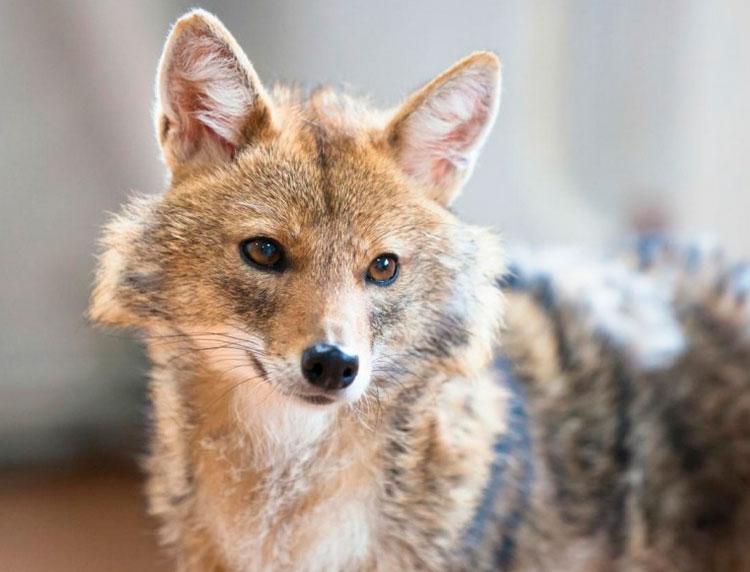
- Common jackal A small, virtually omnivorous predator. It resembles a wolf in appearance. Height at the withers is 50 cm, weight 10 kg. Its coat color is zonal, depending on its habitat, and ranges from almost black to yellowish-red. This species is found across a vast territory from Europe to East Asia. In the wild, jackals are quite brazen and nocturnal. They are monogamous, choosing a mate for life. Very smart and agile.
- Nenets reindeer herding dog The Nenets Laika is an aboriginal, primitive breed of small Spitz-type dogs that developed in the tundra. For centuries, it was used by the Nenets people to herd reindeer. Some dogs were used for hunting, but the Nenets Laika was never used as a sled dog. It is characterized by a lively, active temperament, develops a strong bond with its owner, and is people-oriented. It is independent in its work and is freedom-loving. Colors vary. Like the jackal, the Nenets Laika has excellent health.
For his work, Sulimov needed not just wild animals, but dog-reared jackals. In 1975, he obtained several from the Baku Zoo. The babies were placed under Nenets reindeer herding dog, with which they were then mated. In 1977, the first half-breeds with an extraordinary sense of smell were produced, but they were difficult to train and very fearful of humans. By 1983, Sulimov already had quarter-breed dogs that met all his requirements. Hence one of the breed's names, Quarteron.
The breeding work continued for 30 years, but with the collapse of the Union, the distinguished cynologist was sent into retirement, and the project was shut down. The dogs had to be placed with friends and acquaintances, and a significant number lived with their creator on his pension.
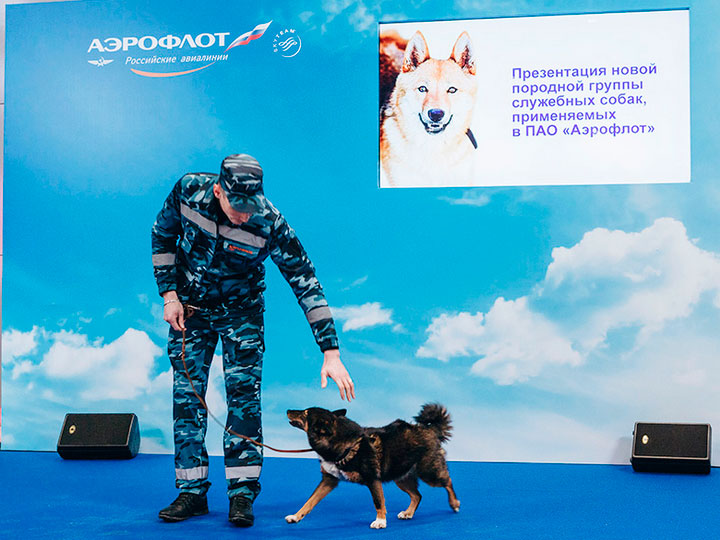
The increasing frequency of terrorist attacks in the 1990s was undoubtedly a tragedy, but it was precisely this that gave Sulimov's dogs a second life. Many airports began strengthening their security, and jackal-like dogs were recruited to work for Aeroflot's security service, where these prodigious sniffer dogs soon began displacing German Shepherds, Dobermans, and other breeds. On December 19, 2018, the Shalaika breed group was officially registered in the RKF system.
Usage
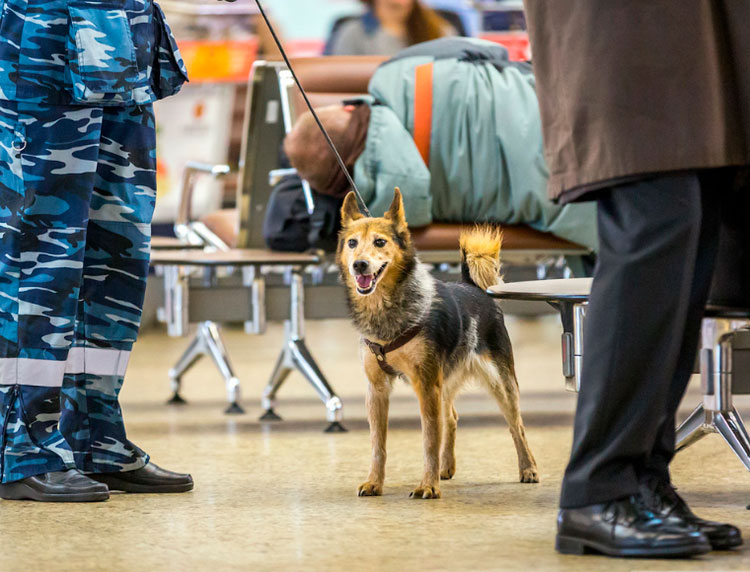
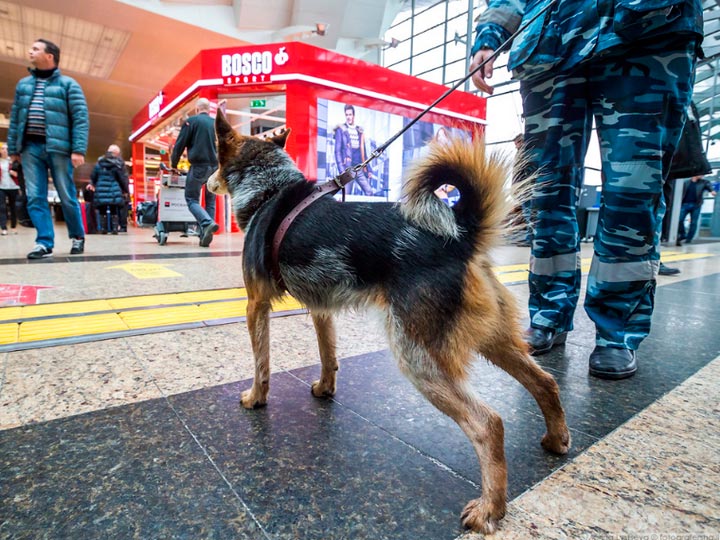
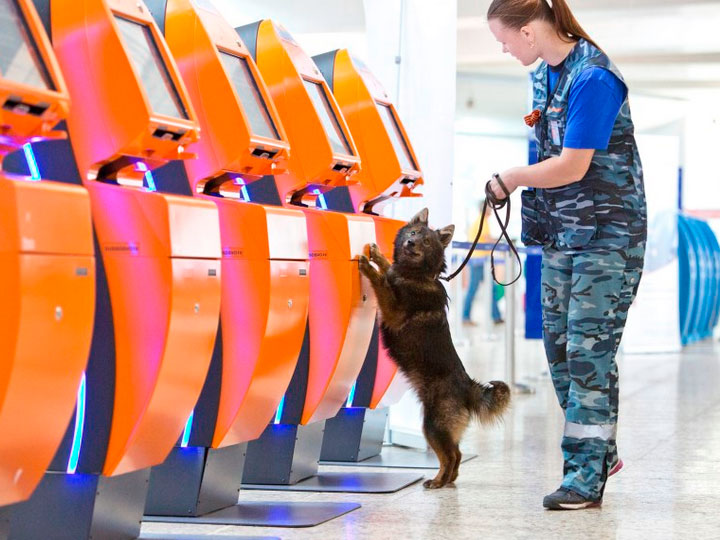
Today, Sulimov's dogs serve only one purpose: to be super-sniffers. Most of the breed's representatives work at Sheremetyevo Airport, a few at Domodedovo Airport, and with law enforcement agencies. The dogs are trained to detect explosives, drugs, and a host of other prohibited substances. Upon detection, they signal and land near the object.
The main characteristic of hybrids is their super-sense of smell. Their ability to work in all weather conditions and crowded areas is also prized.
Shalaikas work with pleasure and interest, as it's a chance to have a fun time and earn a treat. At airports, one dog and two handlers participate in each patrol. Each patrol is accompanied by a bait to keep the dog engaged. If there are no smugglers present, the independent and agile Shalaika will find the dangerous substance planted by the handler and receive meat in exchange. If it doesn't find anything for several days in a row, it will lose interest. Shalaikas work best when free-roaming, off-leash. They search the area quickly, but most importantly, thoroughly.
Sulimov's dogs are 95% effective. Active searches last about 30 minutes, after which the dog needs a 1.5-hour rest. Interestingly, fatigue is indicated by a lowered tail; when it curls into a ring, the Shalaika is ready for duty again.
Appearance
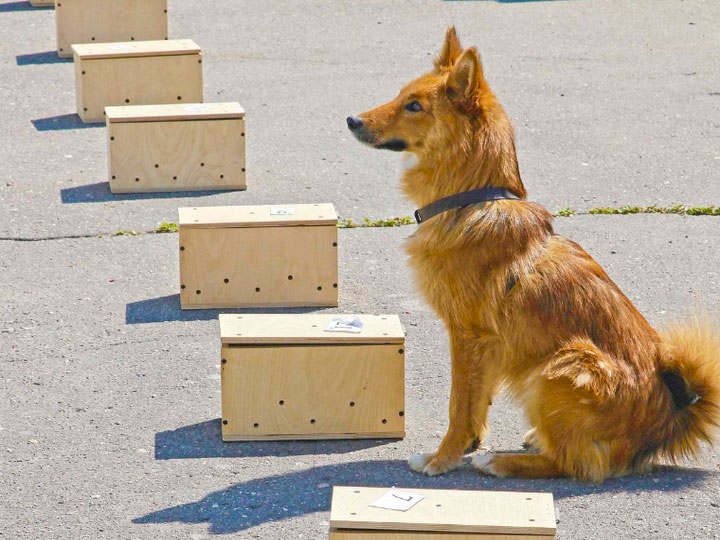
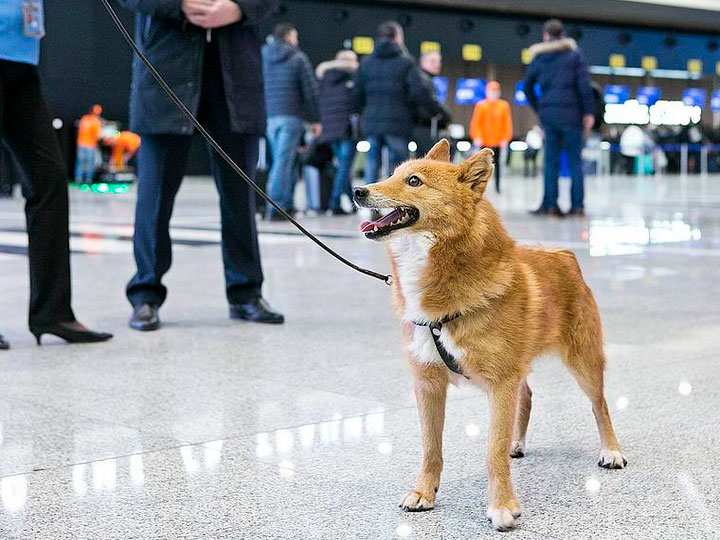
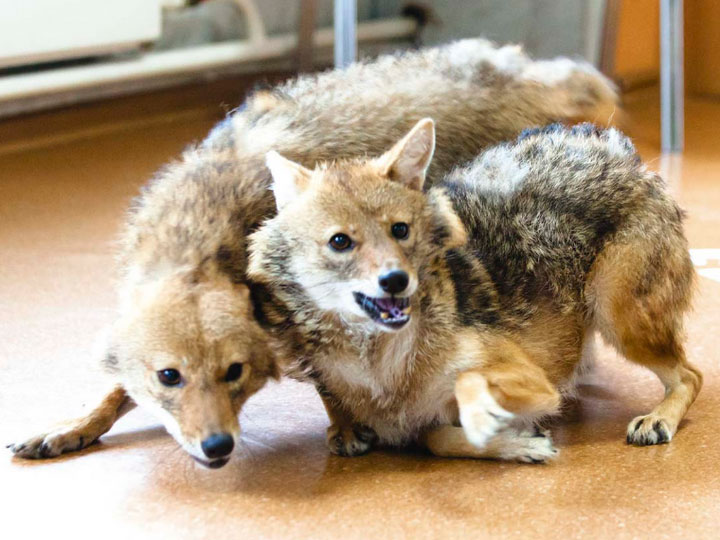
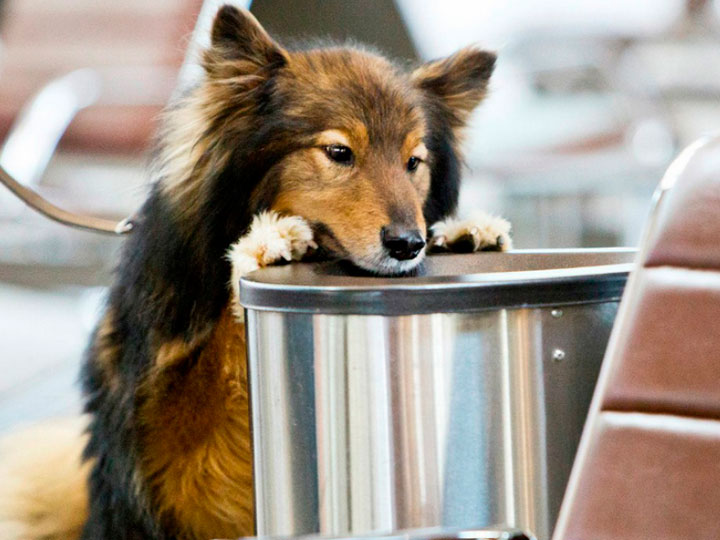
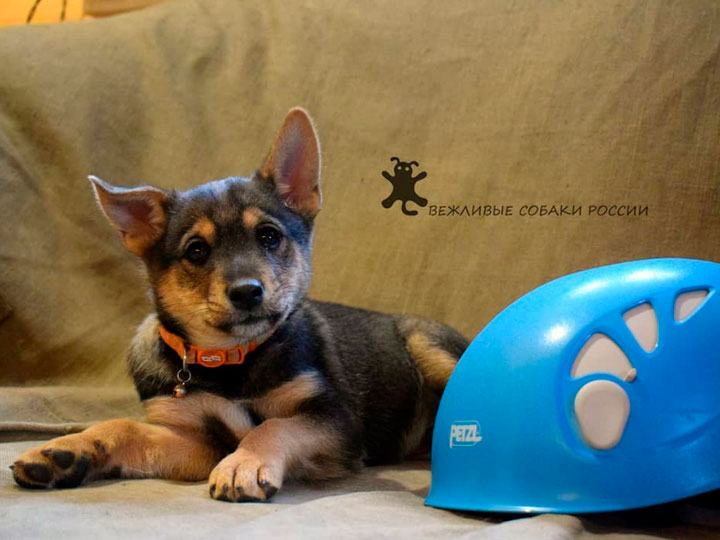
The Shalaika is a small, well-proportioned, lightly built dog with a wedge-shaped head and erect ears. The average height at the withers is 38-45 cm, and the weight is 12 kg. Sexual dimorphism is pronounced.
The head is medium-sized, proportional, and wedge-shaped. The muzzle tapers to a black nose. The lips are dry and tight. The teeth are strong, white, and complete, with a scissor bite. The eyes are medium-sized and usually brown. The ears are relatively small, triangular, and erect, with rounded tips.
The body is well balanced, the limbs are of medium length, lean, straight, and parallel when viewed from the front or rear. The back is strong and straight. The belly is moderately tucked up. The tail is set high, curled or carried low.
The coat is very dense, thick, short or semi-long, and straight. The undercoat is very thick. Some dogs have a pronounced ruff and feathering on the limbs and tail. Colors vary, most often solid, bicolor, and patterned.
Character and behavior
By nature, Shalaikas are very independent and freedom-loving. They don't develop strong attachments to people and easily succumb to pressure. They will walk obediently on a leash, but at the same time lose all initiative and become unsuitable for work. They are very sensitive emotionally, have a well-developed pack instinct, and are able to adopt the behavior of other dogs. They are completely non-aggressive and non-confrontational. In many other ways, they resemble ordinary dogs: they love to play and frolic with their fellow dogs, know how to beg for treats, and readily accept praise and affection.
Sulimov's dogs are very affectionate and friendly. They often exhibit timidity and sometimes even outright fear of people. They are very independent, intelligent, and cunning, which is especially noticeable in their work. They are highly adaptable and adapt to their surroundings.
Education and training
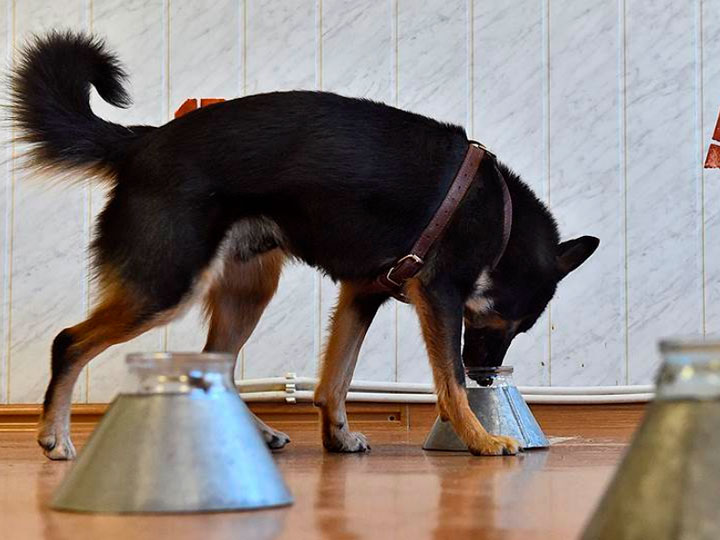
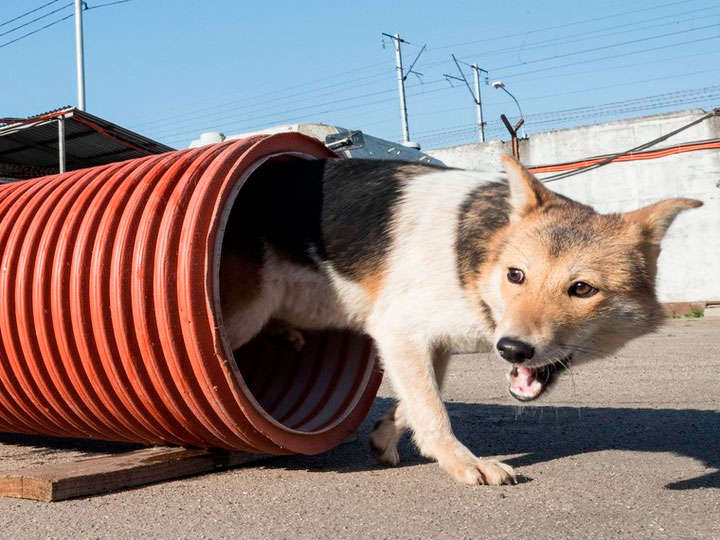
From an early age, Shalaikas are capable of solving complex problems. They are easily trained, but respond only to positive teaching methods. They perform their work solely for treats, not out of any strong affection for humans. Puppies are trained at 2-3 months. They are kept separately in communal cages, and a leader quickly emerges. Dog handlers begin working with this leader first. The entire group then follows suit. Aeroflot's training methods and specifics are kept confidential.
Detective training lasts about six months. Afterward, dogs pass an exam and receive a certificate, which must then be renewed every six months. Adding any scent to the ones already trained takes several days.
Content Features
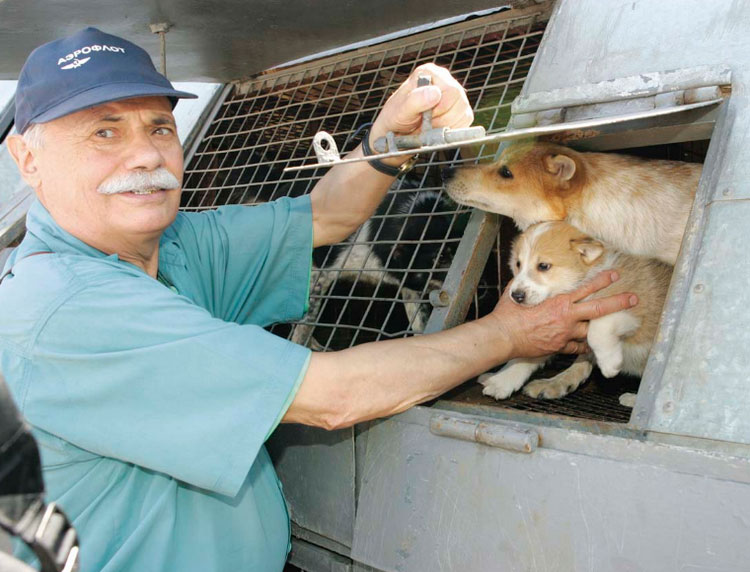
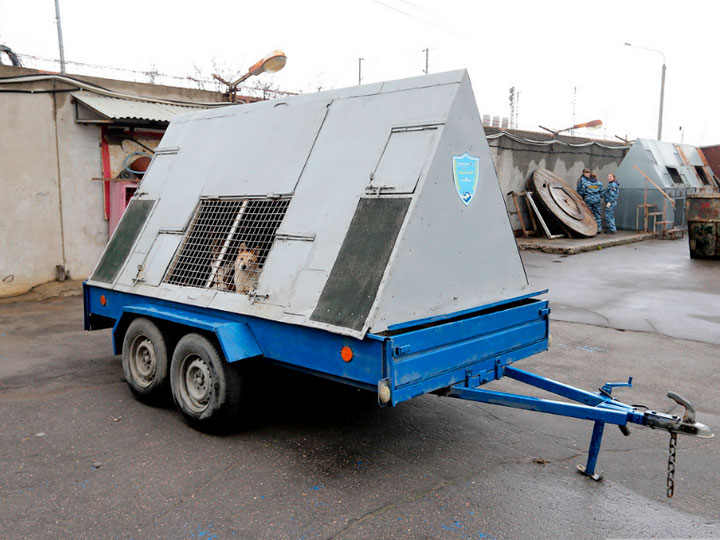
At the Aeroflot kennel, Shalaykas are kept in small enclosures, but this doesn't mean they're confined to them 24/7. A detective dog's workday averages 12 hours. The enclosure is a small three-story structure. Hair and excrement fall through a mesh floor into a tray where natural fermentation occurs. This keeps the dogs clean. One of the hybrids' unique characteristics is their ability to live and work in extreme temperatures—from -50 to +40°C.
Care
Shalaikas are completely undemanding in terms of grooming. They shed quite heavily seasonally, but moderately the rest of the year. Their short coat requires occasional brushing and even less frequent bathing. When dirty, they have a distinctive dog odor. Their ears should be cleaned as needed, and their nails should be trimmed. They usually wear down on their own.
Health and life expectancy
Sulimov's dogs are healthy and have good immunity, rarely get sick, are hardy, and highly adaptable. Average life expectancy is 14 years. They typically retire from detection at around 12 years of age. At this stage of the breed's development, no hereditary diseases have been identified. Veterinary preventative measures, including timely vaccinations, medical examinations, and deparasite treatment, help Shalaikas stay healthy.
Where to buy a Shalaika puppy
The only place where these super-sleuths are bred is the Aeroflot kennel, located near Sheremetyevo Airport. It's quite large, covering approximately 2 square kilometers. The facility houses approximately 50 working dogs and no more than a dozen veterans.
A Shalaika that retires is usually rehomed. Many are kept by security personnel. The same fate awaits dogs that, for whatever reason, are unable to work. Puppies are not sold. From birth, they belong to the airline and are trained for detective work.
Dogs are not sold abroad, nor are they given away, even if they are unfit for service. However, Shalaikas have been sent on work trips on numerous occasions, where they have proven themselves to be excellent.
Therefore, the only way to get a Shalaika is to adopt an adult dog from a kennel that has not been certified or has been retired.
Price
Aeroflot's kennel doesn't sell Shalaika puppies. The price for adult dogs trained for search and rescue is not disclosed. Klim Sulimov admits they cost as much as a Mercedes.
Photos and videos
You can view photos of Shalaika dogs in the gallery. The photos capture the everyday life of these super-sniffers in terminals, training areas, and the kennel.
Video about the Shalaika dog breed
Read also:
- Dutch Shepherd (Herder) - Breed Description
- Cirneco dell'Etna is a dog breed
- Eurasier - breed description


Add a comment