
Serengeti (a domestic cat with a "wild" coloring)
Serengeti The Serengeti is a new breed of shorthaired cat that emerged from crossing Bengals and Orientals. It is currently in its infancy. The Serengeti was developed in the United States; its appearance resembles the African Savannah cat, but it lacks the aggression and undesirable instincts of its wild relatives, making it suitable for living alongside humans.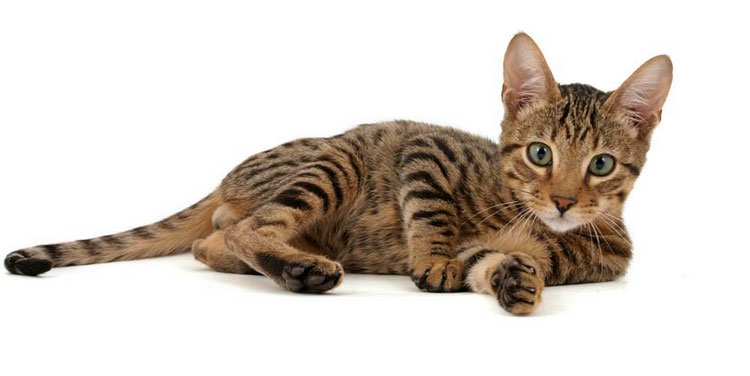
Content
History of origin
The first Serengeti cats were bred in 1994 by biologist Karen Southman, who owns a California cattery called Kingsmark Cattery. The new breed is very similar to Savannah cats. However, they were not bred with wild servals. They were created through crossbreeding. oriental shorthair cats, Bengal and some other breeds. This made it possible to produce a domestic cat with a wild-type appearance but without aggressive tendencies.
The breed's name comes from the African savannah. However, it has no connection to the continent.
The origin story of the Serengeti began when Karen Southman, during one of her travels, helped out at a wildlife sanctuary, where she was soon appointed president. During her tenure, she developed a strong attachment to the African wild cat, the Serval, which had spotted color, beautiful long legs, and a terribly aggressive disposition. That's when the idea came to create a new breed of domestic cat that would resemble her pet. The new breed had to be calm and friendly in nature. Karen began the process of selecting breeds for the selection. Her choice fell on the Oriental Shorthair, a spotted cat with long legs and large ears, and the Bengal, with its beautiful, bright coat and a reasonable weight.
In her search for cats of these two breeds, which were expected to have calm personalities, she visited several breeders. Karen tested all the selected animals for genetic diseases and pathologies. Years of hard work paid off—the new breed was recognized by the TICA cat fanciers' association.
Video about the Serengeti cat breed:
Appearance
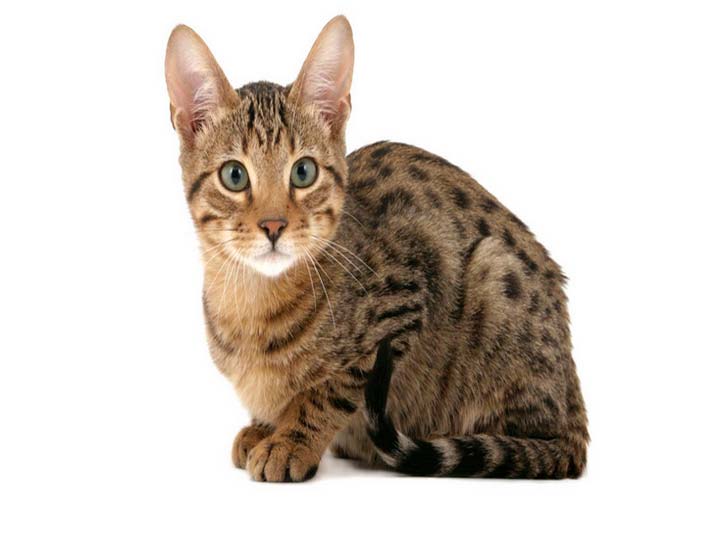
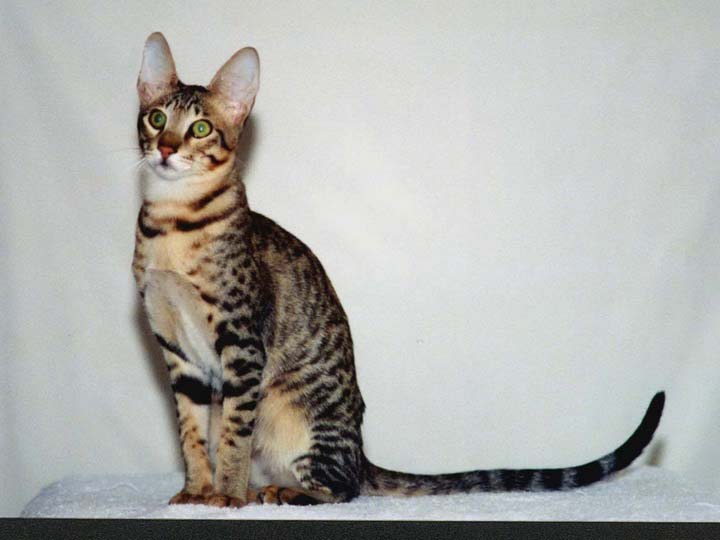
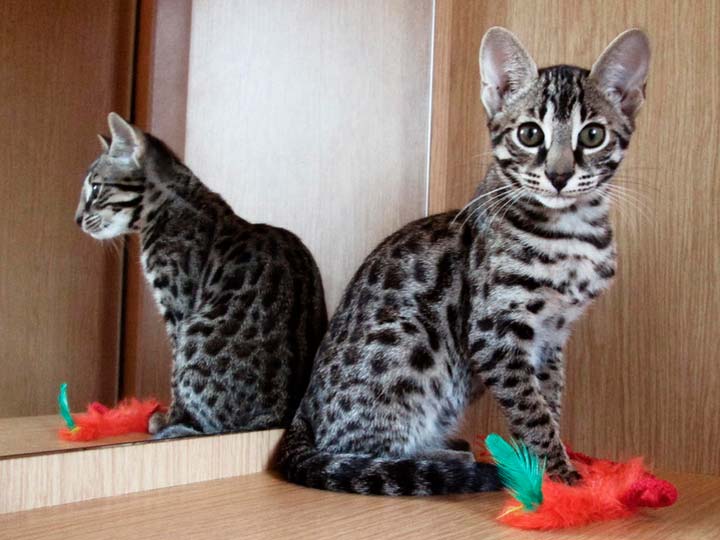
Eastern genes have given cats an elongated body, long, muscular legs, and beautiful honey-colored eyes. Looking at these animals, you might immediately think they harbor danger. This is because their appearance strongly resembles their wild relatives. But in reality, they are affectionate, kind, and sweet creatures.
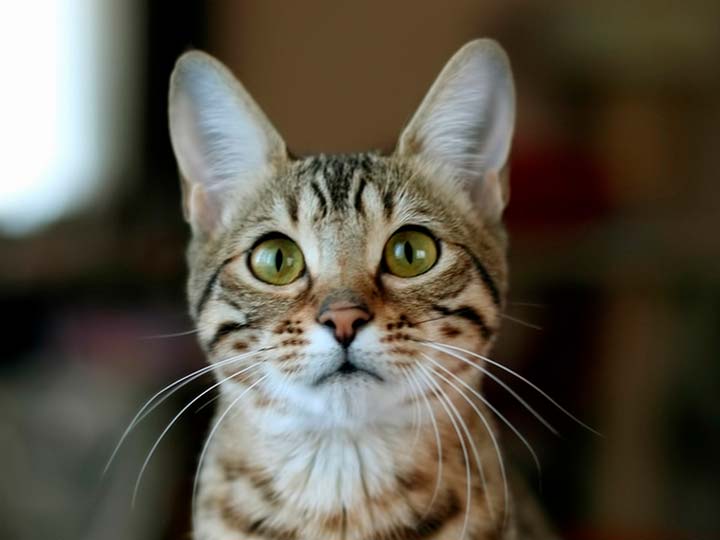
Serengeti cats have large ears, which can make their heads appear very small. The nose is wide along its entire length, with a dark or brown nasal leather with a dark rim. The whiskers are long and usually white. The eyes are set wide apart, round, and honey-colored, but can also be hazel or light green.
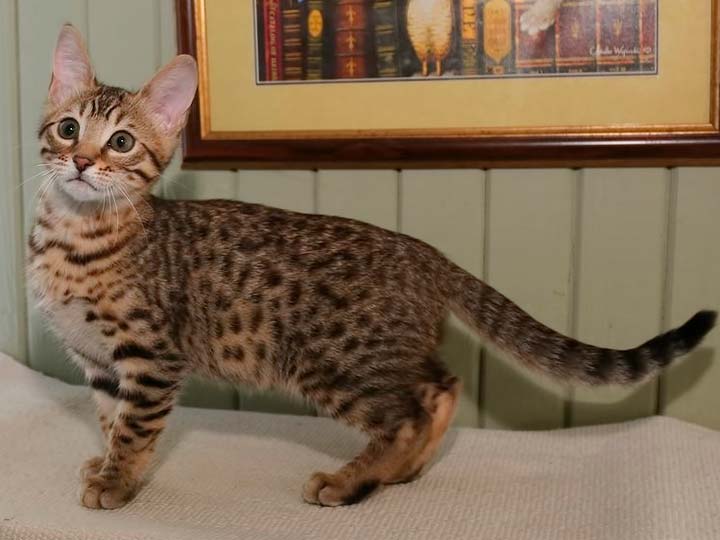
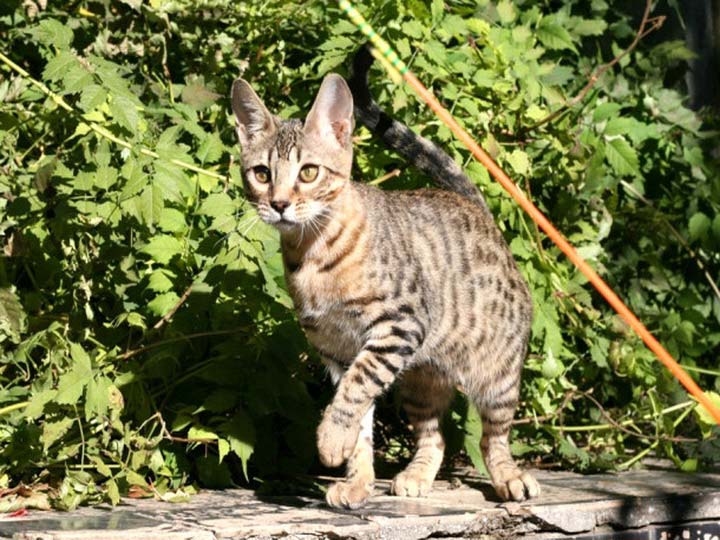
The legs are long and straight. The paws are not very large, but oval. The neck is oval, widening toward the shoulders. The body is somewhat elongated, athletically built, with well-developed, but not overly muscular, muscles. Even at two months, kittens exhibit all the characteristics of an athletic, elegant build and a well-complex body. The back is straight and level. The tail is medium length, with a black tip. Serengeti are quite large: females can weigh 8-12 kg, and males up to 15 kg.
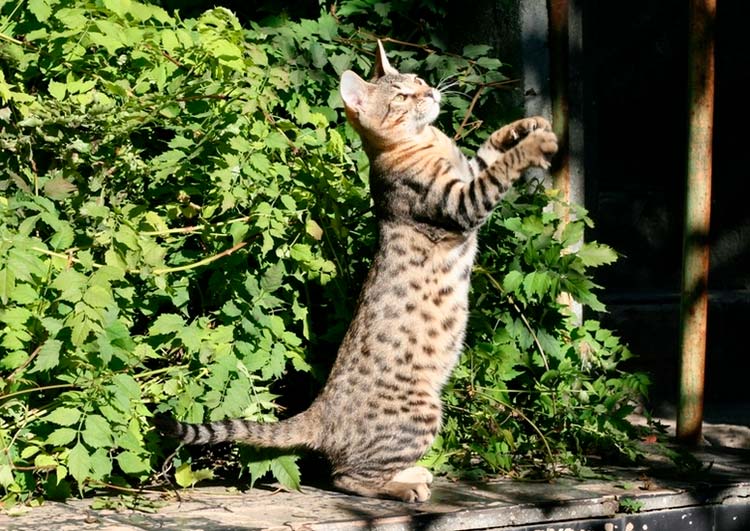
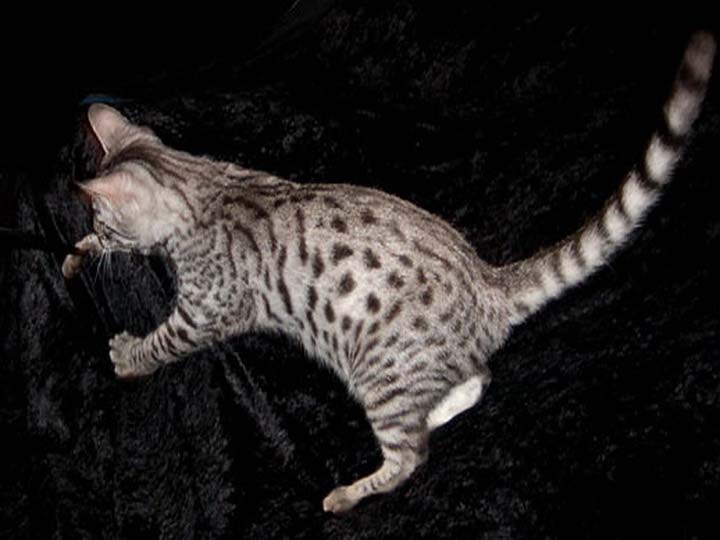
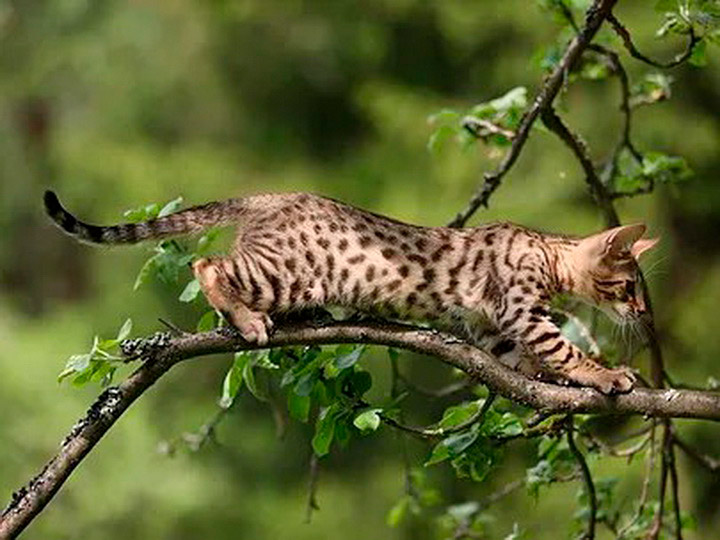
The coat is soft to the touch and spotted. This trait makes the breed similar to other spotted tabby cats: Egyptian Mau, Ocicat, savannahThe spots on the body can be smoky black or black, oval-shaped. Occasionally, individuals with horizontally convex spots can be found. Walruses have a characteristic tabby pattern: winged markings from the corners of the eyes, dark eyelid rims, an M-shaped mark on the forehead, and a lighter chin. While this isn't a required trait, it is still desirable. The Serengeti has no undercoat, so its coat is virtually non-shedding.
Character
By nature, Serengeti cats are cheerful, playful, very active, and sociable. They are talkative and inquisitive. If you get one, be prepared for it to explore every corner of your home and its surroundings. Inquisitive Serengeti cats can make a wide variety of sounds.
Serengeti kittens can be a little shy when introduced to a new environment. But they adapt very quickly, becoming accustomed to people, other animals, and their surroundings. Serengeti cats raised with love and care are extremely friendly and sociable; they are self-confident and independent, like many cats, but this does not prevent them from becoming attached and experiencing the most tender feelings for their family.
Generally calm and affectionate, Serengeti cats can be clingy, especially when they feel their owners aren't paying enough attention. At this point, they'll jump onto laps and demand affection. While cats get along well with other pets in the house, they can get into fights outside, even with dogs. They have a hard time being alone.
Content Features
Serngetti care is not particularly specific; they need the same amenities as other felines: water and food bowls, a bed-house, a play complex, a scratching post, and a caring, loving owner.
However, it is important to note that the Serengeti skillfully uses its long legs; they are very agile and boldly conquer incredible heights. The breed is known for its energy and excellent agility. Many Serengeti cats inherited a strong hunting instinct from the Bengals.
Care
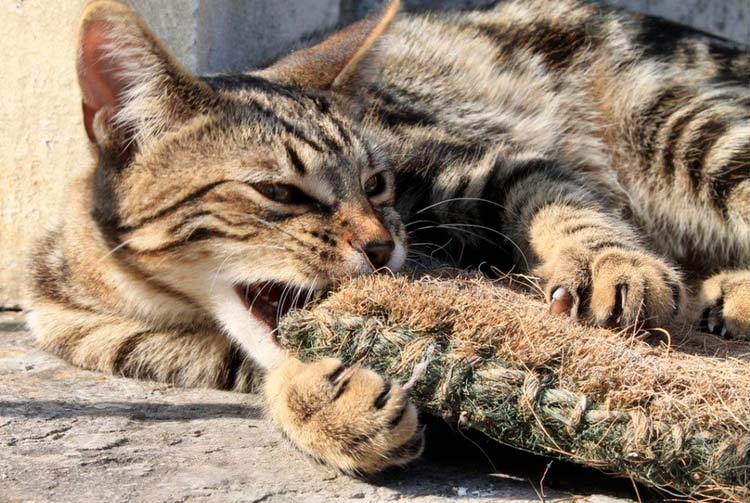
Serengetis don't require any special grooming or trimming and generally take care of their personal hygiene. However, owners are advised to regularly brush their thick coat to remove any mature hairs. Brushing also provides a beneficial massage that improves overall well-being. Special gloves, combs, and natural bristle brushes are used. Other recommended routines include ear and teeth cleaning and regular nail trimming. Bathe cats as needed, but no more than once every two to three months.
Feeding
Most breeders and cat owners prefer to feed their cats high-quality dry food. This makes it easy to provide the animal with everything it needs. Diets designed for active, large domestic cats are suitable for the Serengetti. Since this breed is not prone to overeating and weight gain, it's not necessary to strictly schedule and portion their meals. Food, like water, is often left freely available.
Health
To date, no specific breed-specific diseases have been identified in the Serengeti, except for a predisposition to urolithiasis (urolithiasis). Most health problems are caused by improper care, maintenance or nutrition. Kittens and adult cats should be vaccinated against major infectious diseases throughout their lives. In any case, it is recommended to regularly take your pet to a specialist clinic for preventive examinations.
Where to buy a Serengeti kitten
The Serengeti is a breed that is rapidly gaining popularity, thanks to its wild appearance and sweet nature. Purchasing a purebred kitten is difficult, but not impossible. The largest number of catteries are concentrated in the United States, with a few breeders in the UK, Australia, Latvia, and Russia. Given that the Serengeti is a cross between Bengals and Orientals, it's not surprising that catteries typically breed these three breeds simultaneously, and it's advisable to purchase a kitten from one of these breeds.
Serengeti breeders must be officially registered with TICA. Currently, it is the only organization that recognizes the Serengeti breed and issues documents of origin.
Price
Serengeti kittens cost between 30,000 and 65,000 rubles on average, rarely less. Some very promising kittens or cats with beautiful, distinct coats can fetch higher prices. Kittens are generally sold to those willing to participate in breeding programs. If an animal is unable to participate in breeding programs for any reason, they are sold for less, with the stipulation that they will be spayed or neutered.
Photos
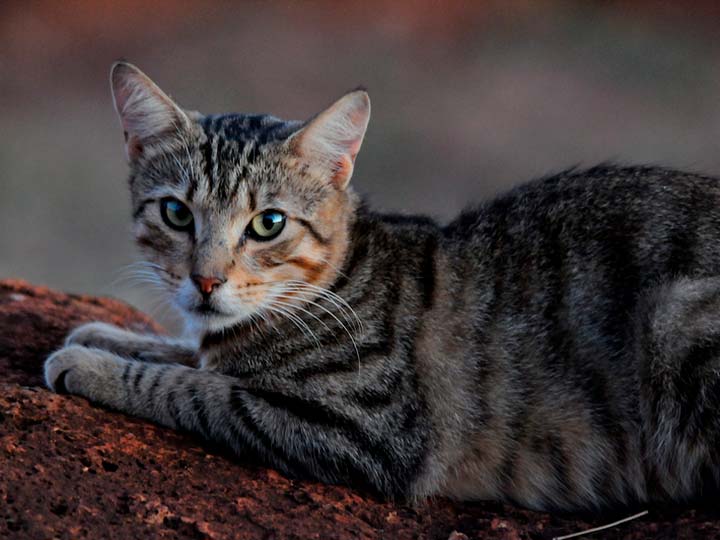
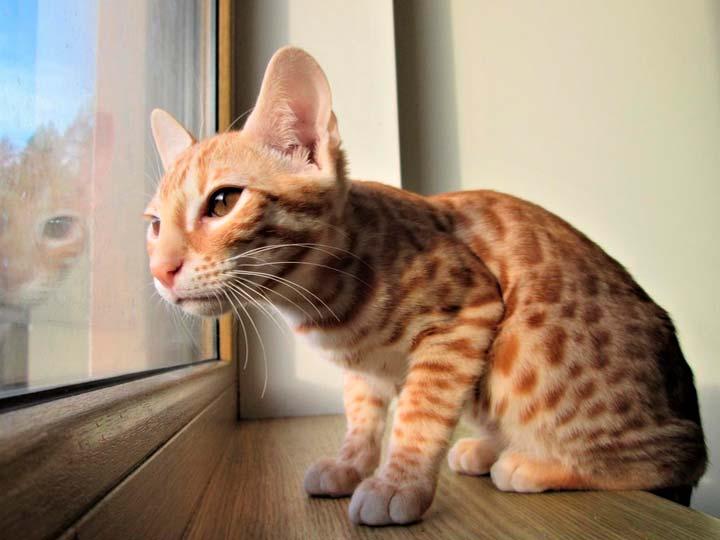
The gallery contains photos of Serengeti cats, male cats, and kittens.
Read also:


Add a comment