
Heart Failure in Dogs: Symptoms and Treatment
Like all mammals, dogs have a four-chambered heart, which pumps blood through the ventricles. Sometimes, under the influence of adverse factors, the heart cannot pump enough blood to support the animal's normal functioning. In this case, heart failure is diagnosed. Symptoms and treatment of heart failure in dogs vary. Therefore, even if the pet owner has suffered from a similar condition for a long time, it's important to consult a veterinarian.
Content
The main causes and types of the disease
In most cases, heart failure is a secondary clinical syndrome to a serious chronic cardiovascular disease. There are two main types: acute and chronic. In the former, the disease develops in just a few minutes and, with adequate care, may never bother the animal again. The chronic form is much more dangerous: obvious symptoms may not appear for a long time. If the animal does not receive adequate treatment and care during this time, the heart will simply wear out.
There are several distinct causes of heart failure. Some animals are genetically predisposed to developing heart problems. Those at risk include:
- spaniels;
- poodles;
- Maltese lapdogs;
- Pekingese;
- whippets.
All large breeds are physiologically prone to the disease, especially if the owner doesn't monitor the animal's diet and physical activity. Older, overweight dogs are diagnosed with the disease much more often than younger animals.
Symptoms of the disease
Because the chronic form of the disease may not manifest itself for a long time, a responsible owner must pay close attention to even the slightest changes in their pet's behavior. Since the animal may not complain of intermittent chest pain, initial diagnosis depends solely on the owner's attentiveness. The following symptoms of heart failure are particularly alarming:
- Unexplained fatigue. This can manifest itself differently in dogs of different breeds and temperaments. An overly active animal may avoid running but not appear exhausted. A dog that's initially passive may literally "lie down."
- Cardiac asthma. This symptom is associated with congestive heart failure in dogs. If your pet is constantly coughing and breathing heavily, you should consult a veterinarian. It's impossible to determine on your own whether your pet's breathing problems are due to an infection or fluid accumulation in the lungs.
- Loss of consciousness. If the heart cannot deliver enough blood to the brain, the pet faints.
- Decreased appetite.
- Bloating (manifests itself in the congestive form, in the later stages).
As the disease progresses, the above symptoms will become more pronounced, but it is best to begin treatment before the damage to the cardiovascular system becomes irreversible.

A veterinary cardiologist can make a diagnosis based on specific signs such as:
- decreased myocardial contractility;
- presence of mitral regurgitation;
- severe diastolic dysfunction.
In heart failure, all three of the above-mentioned abnormalities appear simultaneously, but in the early stages of the disease, a veterinarian may only be able to detect one specific symptom.
Diagnostics
To facilitate the diagnosis process, it is important to inform your veterinarian of any changes in your pet's behavior, as well as a description of his daily diet and activity level.
Please note! If your pet has taken any medications or undergone deworming in the past few months, please inform your veterinarian. This information will directly impact the selection of a treatment program for heart failure in dogs.
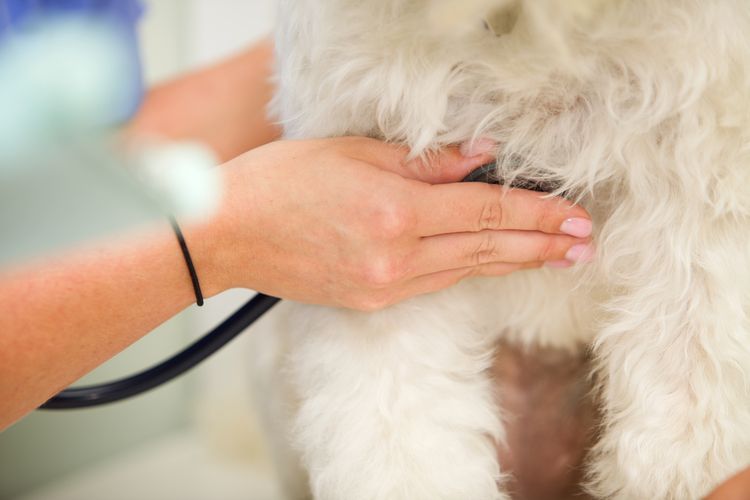
After collecting the initial information, the veterinarian will listen to the heartbeat and also conduct the following tests:
- blood and urine tests (to rule out bacterial or viral infections);
- ultrasound examination of the heart;
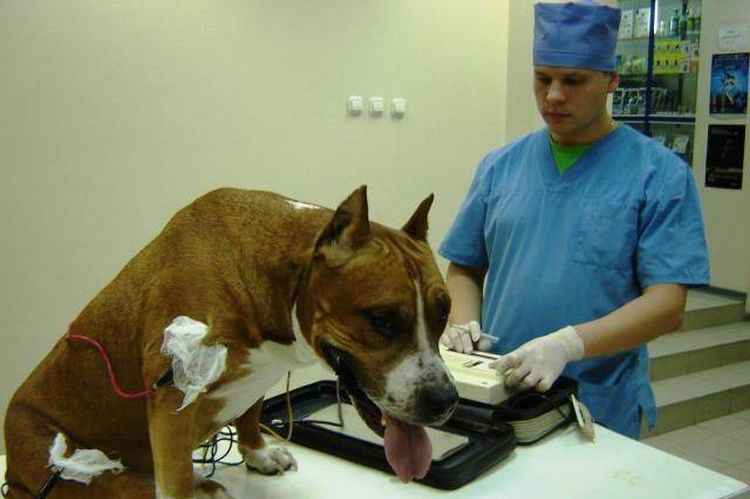
- ECG.
An x-ray may also be performed to rule out heartworm. Only after receiving the results will the veterinarian be able to make a definitive diagnosis.
Treatment methods
If a genetic predisposition is determined to be the cause of the disease, the animal must be prepared for lifelong suffering. Currently, there is no cure that can completely eliminate the defect. However, certain medications for the treatment of heart failure in dogs can help alleviate the unpleasant symptoms and significantly improve and prolong the animal's life.
Important! Do not give the following medications to your pet without prior veterinary approval. Dosage and duration of treatment depend on the presence of other cardiovascular conditions, as well as the pet's overall health.
Treatment usually consists of a combination of several medications. The dog may be prescribed:
- Diuretics. These are designed to remove excess fluid from the lungs or abdominal area. Furosemide is a prominent example of this group.
- ACE inhibitors. They normalize the lumen of narrowed blood vessels. They are prescribed primarily for congestive heart failure complicated by hypertension. Examples include enalapril, benazepril, and ramipril.
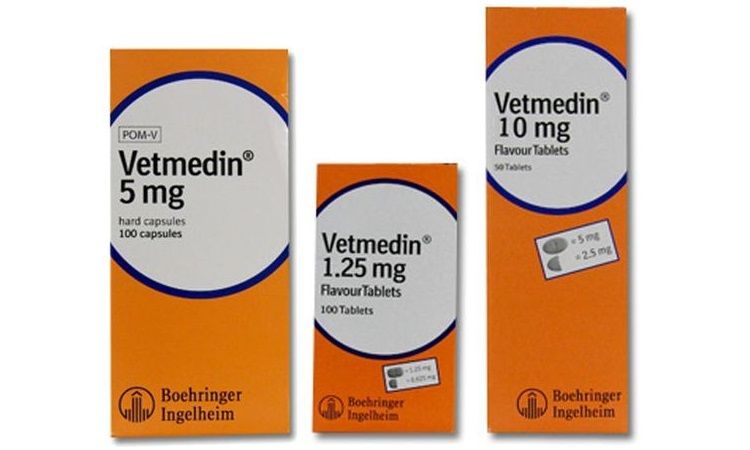
- Cardiotonics. They normalize myocardial contractility, reducing the load on a weakened heart. Currently, only one type of drug is used in veterinary medicine: Vetmedin (Pimobendan).
Once your dog begins taking the prescribed medication, it's important to monitor its behavior closely. If there's no improvement, consult a specialist again to adjust the treatment plan. The goal of successful treatment is to allow your pet to live a full, pain-free life and minimize the risk of heart attack.
Caring for a sick dog
If your pet has been diagnosed with such a serious condition, it will be necessary to radically alter their daily care. Specifically, regular veterinary visits will be necessary. If your dog was previously fed a natural diet, it's important to ensure it doesn't contain table salt. If your pet is accustomed to dry food, you'll need to buy special "therapeutic" brands:
- Royal Canin “Early Cardiac”
- Hill's Prescription Diet “Heart Care”;
- Farmina Vet Life “Cardiac”.
The above-mentioned foods do not contain salt and also contain an optimal combination of essential vitamins and microelements.
It's also important to ensure your dog doesn't drink large amounts of water. Monitor your pet's heart rate daily and watch for any breathing difficulties. Comparing daily heart rate readings will help assess improvements or deteriorations in cardiac function. Heart rate should be measured while your pet is sleeping or resting. If the heart rate increases by more than 20 percent daily, consult a veterinarian.
You can also ask our website's staff veterinarian a question, who will answer them as quickly as possible in the comments box below.
Read also:


3 comments
Natalia
Hello, my 13-year-old miniature poodle has developed heart complications following sepsis and surgery. DS: Stage 2 endocarditis.
We're receiving treatment: Vetmedin, Veroshpiron, Furosemide—twice a day, along with inhalations with saline. He's been suffering from a cough, but nothing has been prescribed for it. Today, after the new course, the dog is sleeping all day, with a respiratory rate of 10 and a heart rate of 48.
I'm shocked. The cough is still there. How can I help my dog?
What else can I inject or drink?
Svetlana
Good afternoon! My dog is a 7-year-old Yorkshire Terrier. The doctor diagnosed heart failure and prescribed Concor + Cardisure 2.5 mg (similar to Vetmedin). She's been restless in the car, breathing heavily and rapidly, as if she's suffocating (the car isn't warm). We'll be moving soon (by car and plane). Please advise how we can help her cope with the journey; perhaps she can be given a sedative or a sleep aid.
Dasha is a veterinarian
Hello! Sleeping pills are not recommended; they're too risky. Alternatively, administer sedatives, fortunately there are plenty of them (for example, valerian, Fospasim, Glyceside/glycine analogs, for a week). Some people give a course of KotBayun for a cumulative effect. However, consult with your pet's veterinarian; they'll know best how serious the heart condition is and will prescribe a medication with a stronger or weaker sedative effect.
Add a comment