
Do cats turn grey?
Looking at a small, fluffy bundle just beginning to settle into your home, you might wonder: do cats turn gray with age? Do they, like humans, develop gray hair? And what determines the process of changing fur pigment in animals?
Content
Are there grey cats?
"Gray cat" is a term used to describe an animal whose fur exhibits certain external characteristics. Specifically, a large number of white, depigmented hairs.
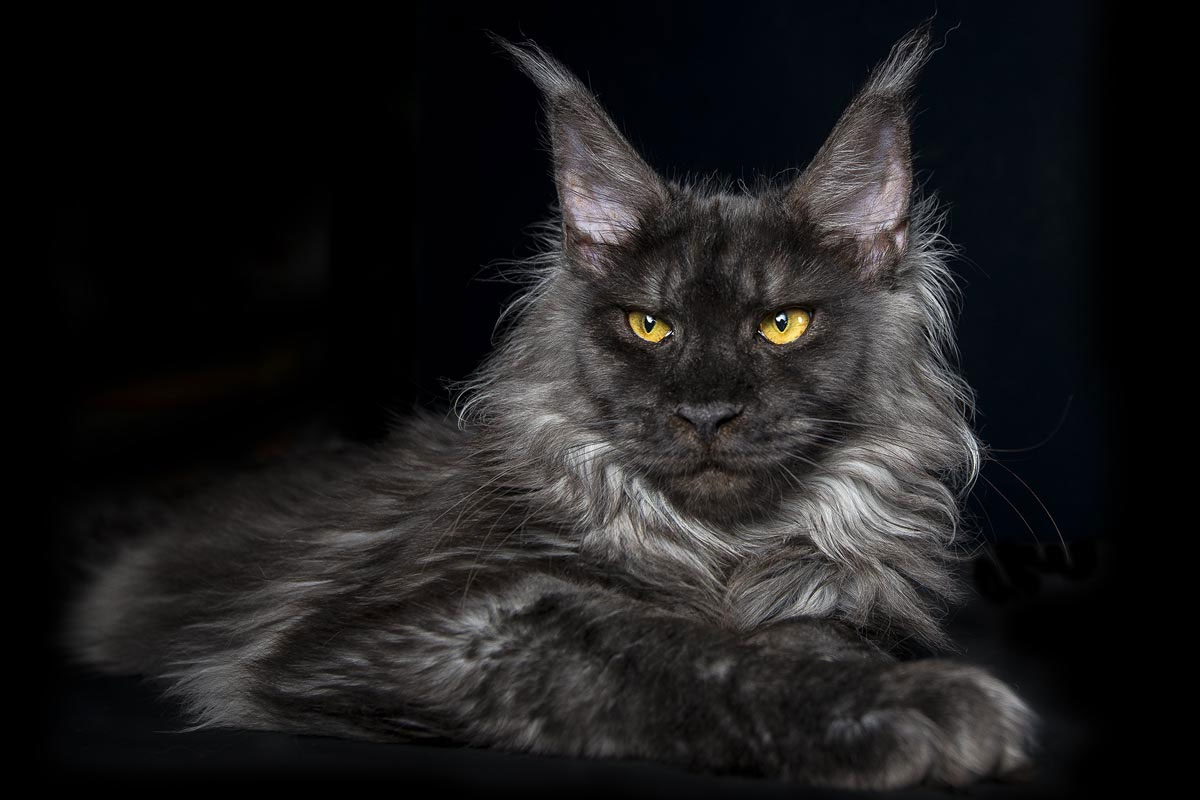
In fact, in the animal kingdom, gray hair is not always a sign of old age, as there are a number of hair colors for which a gray-like effect is normal even at a young age.
In particular, graying as a normal variant can be observed:
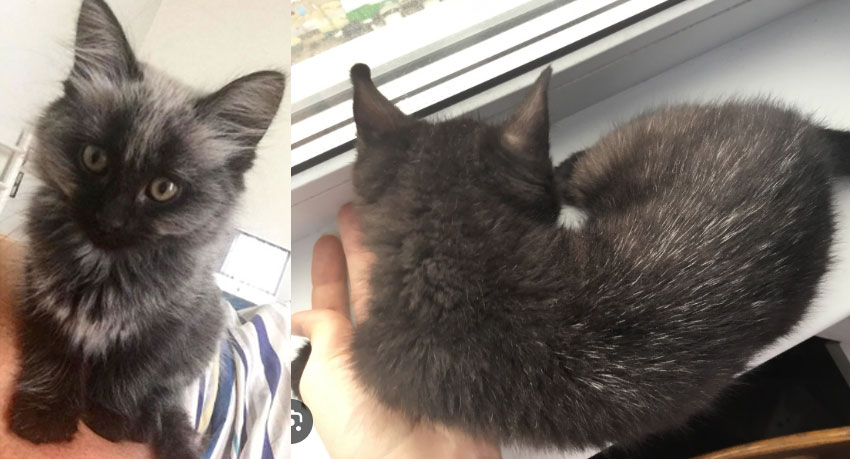
- in black kittens during the color change period;
- in animals of different colors during the molting period;
- in colorpoint and silver cats (especially shaded black).
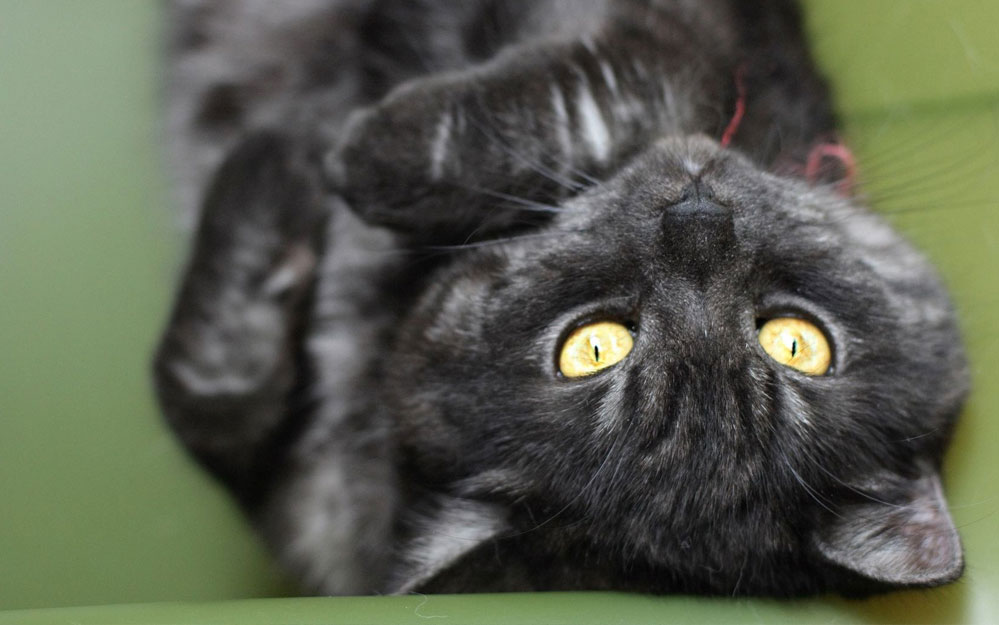
However, gray hair in cats can also be caused by other factors and arises as a result of certain factors. If your pet doesn't belong to a breed for which graying is a natural trait, it's worth considering the underlying causes.
The main causes of gray hair
When asked whether cats go gray, scientists give a resounding yes. Yes, just like humans, pets can develop gray hair. Moreover, this can occur at different stages of their lives under the influence of a number of factors.
Age-related changes
Do cats turn gray with age? Yes, age is the primary factor in graying hair in male and female cats. Aging is a natural process experienced by all animals, including cats and dogs. With age, metabolism changes, and melanin pigment production in individual hair follicles decreases.
A cat typically reaches senior age around 7-8 years old. It's also during this age that your cat's first gray hairs may appear.
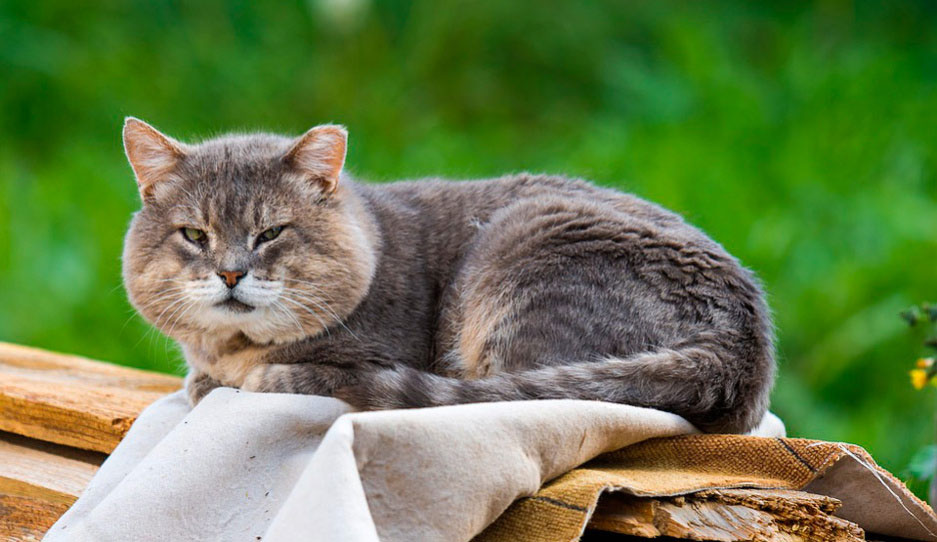
But this doesn't mean your cat will be completely gray by age 10. The process is highly individual and genetically determined. Some cats will noticeably gray (graying is more noticeable in dark-colored cats), while others will retain their youthful appearance into old age.
Typically, gray hair appears on cats' faces and then gradually spreads across their heads and backs. Gray hair is irreversible, so simply love your pet in their new role.
Severe stress
Do cats turn gray from fear? Yes, severe stress can trigger premature graying.
Scientists have proven that hyperactivity of the sympathetic nervous system in humans and animals leads to the depletion of stem cells responsible for the production of melanin, resulting in the appearance of gray (bleached) hairs.
A source of severe stress for your pet can be:
- emotions of intense fear (for example, during abuse);
- prolonged absence of the owner;
- forced loneliness;
- painful medical procedures;
- change of residence;
- the appearance of a new pet in the house, etc.
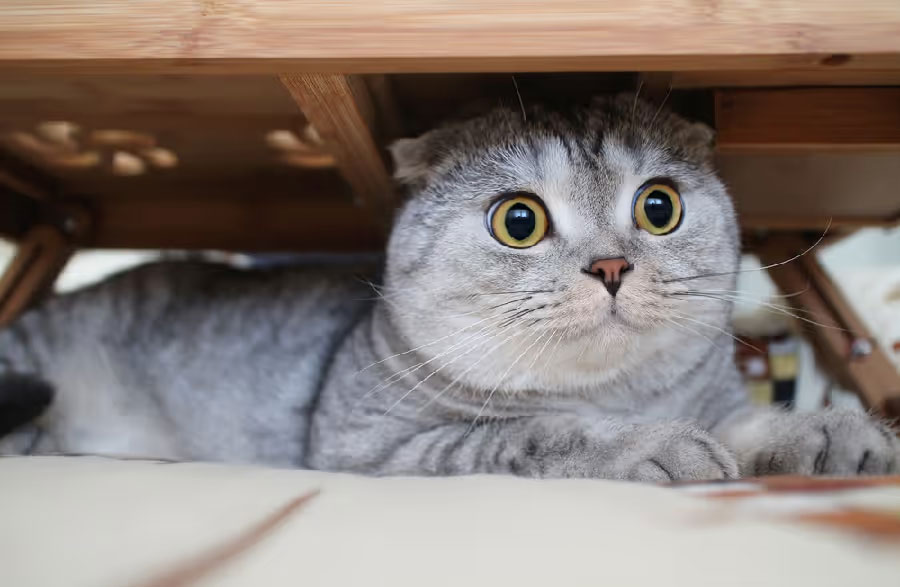
Interesting fact! Scientists believe that graying hair after stress is a reversible process. Once the nervous system returns to normal, melanin production by the follicles can also resume.
Unbalanced diet
The saturation of the color and the overall condition of the coat are affected by the quality of the animal's diet. A decrease in melanin production, even at a young age, can be observed due to a prolonged deficiency of amino acids. As a result, the cat's coloring may become more dull, the quality of the coat significantly deteriorates, and gray hair appears.
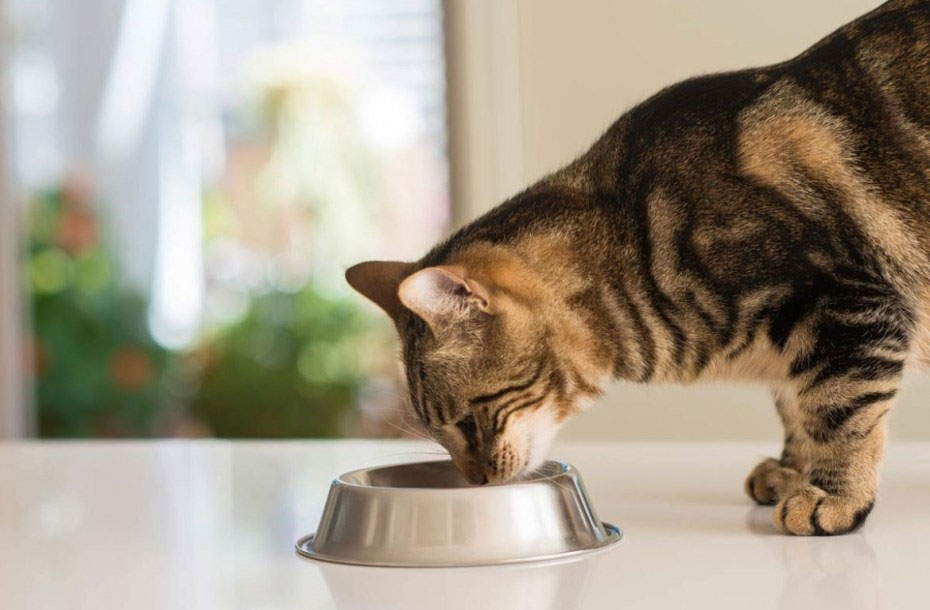
It's worth noting that this factor applies to any color; however, gray and red cats tend to go gray less noticeably, and gray hairs are less noticeable in tabby patterns, while solid-colored British cats and those with a rich black coloring can experience significant changes in appearance due to a lack of amino acids.
Severe diseases
It's important to understand that coat quality is directly related to your pet's health. Therefore, any significant change in coat structure, volume, color, or appearance warrants a visit to the veterinarian. It's important to understand why your Burmese or British Shorthair looks different, as well as what processes led to the change in appearance.
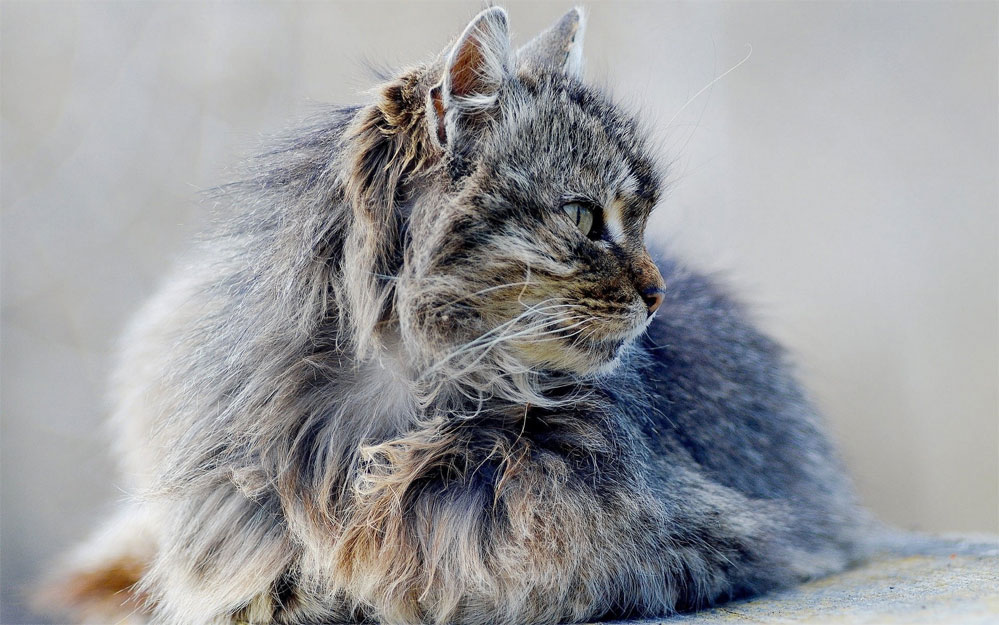
Even before reaching biological old age, a cat may develop a lot of gray hair due to:
- a history of severe systemic disease;
- some skin diseases;
- an operation after which there was a difficult recovery period;
- autoimmune diseases.
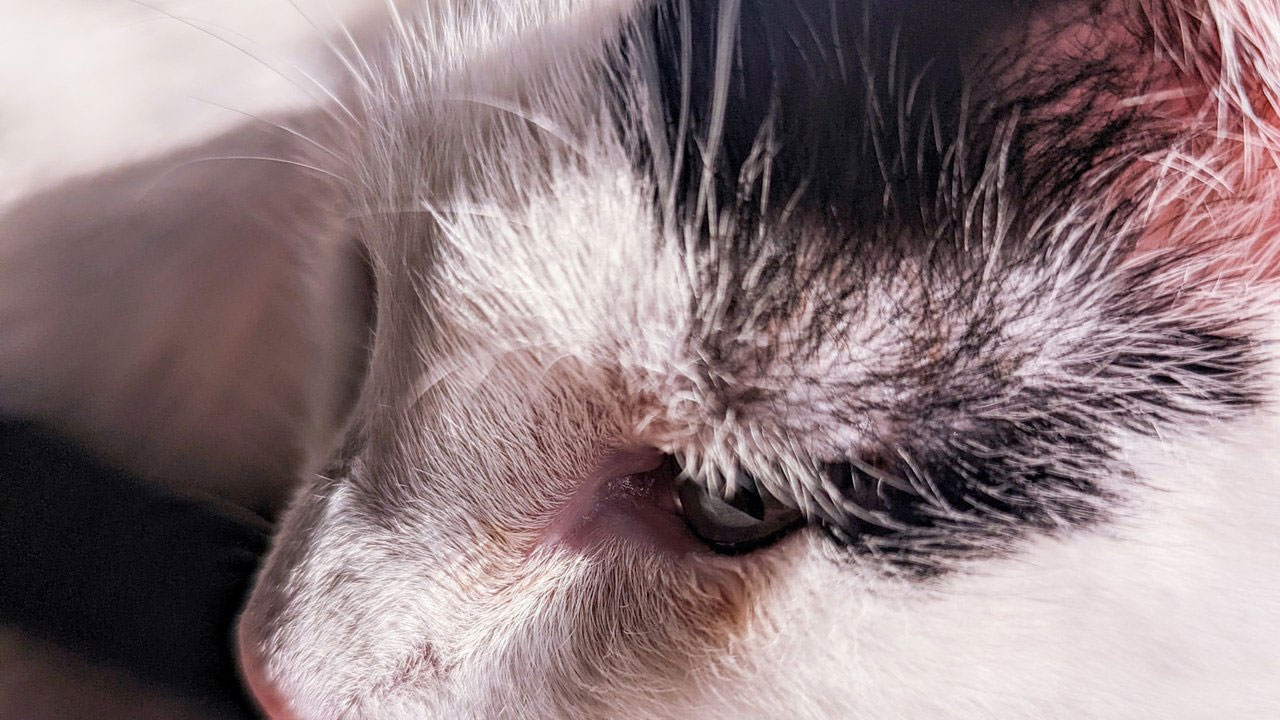
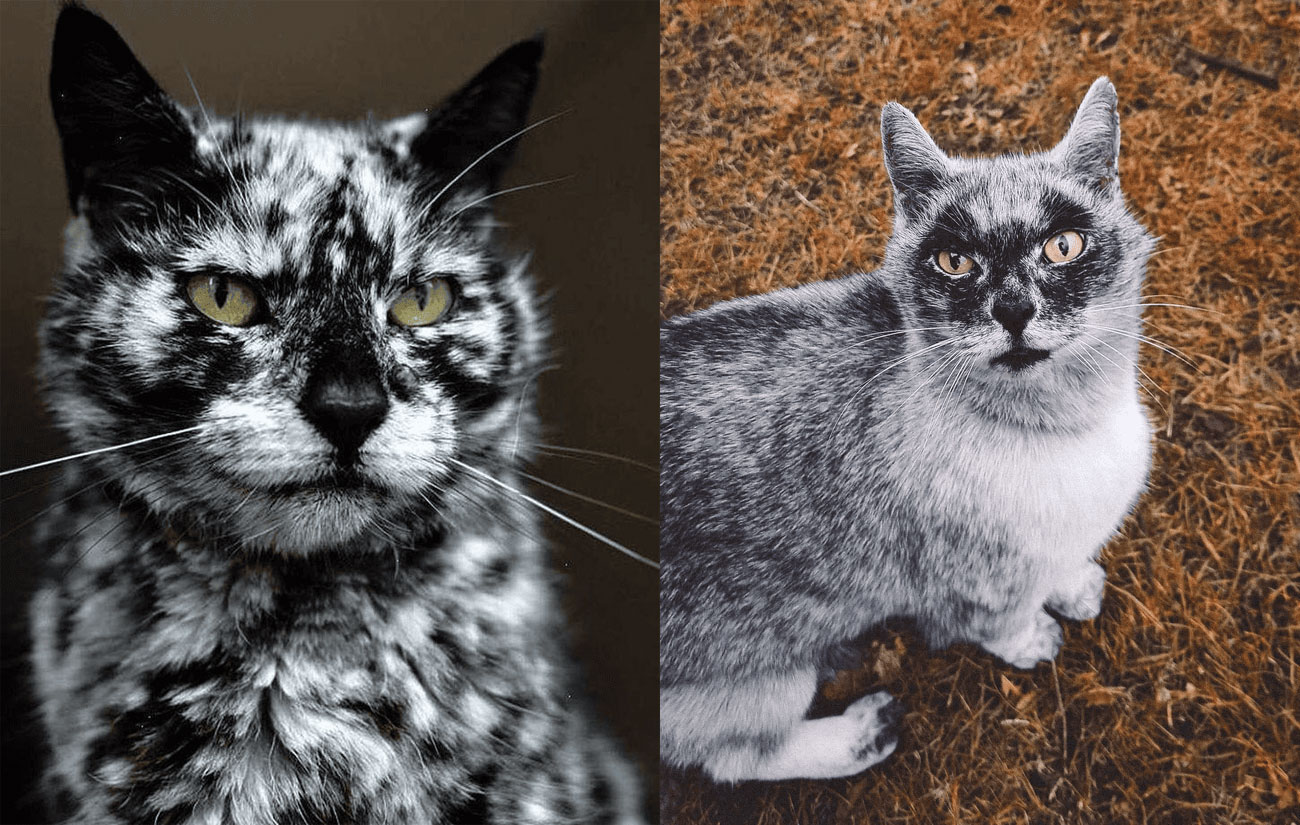
Gray hair in cats (photo)
See the photo to see what gray hair looks like in cats (whether due to age or other causes).
Conclusion
Now you know why your black cat is turning gray, and you can determine for yourself whether this means your pet is already old and requires special attention, or whether the changes in appearance are caused by other reasons.
Read also:


Add a comment