
Sarcoptic mange in cats: symptoms and treatment
Sarcoptic mange is a disease caused by the itch mite. It causes a lot of discomfort in cats and can spread to humans. Owners can identify the disease themselves based on the characteristic signs. What are the main symptoms and treatment options for sarcoptic mange?
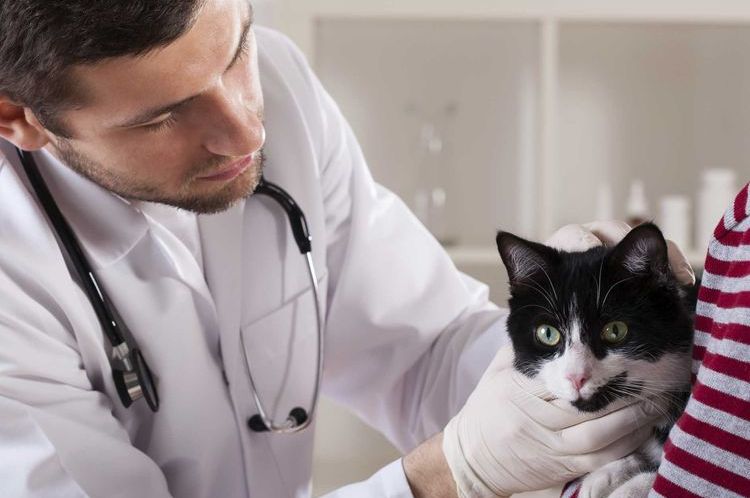
The causative agent of the disease
Sarcoptic mange is caused by a mite of the genus Sarcoptes. Interestingly, the disease affects different animals, but the mites themselves are different. Humans can also become infected, but the mite does not reproduce in their body, dies, and the disease resolves on its own. In cats, the parasite thrives, burrowing deep into the skin and causing significant suffering.
Pets become infected from infected animals or household items. A single encounter with a carrier, such as a stray cat, can cause the domestic cat to also become infected with sarcoptic mange. Upon entering a new host, the mite lays eggs, which hatch into adults within 21 days. The mite measures half a millimeter and lives for 4 to 6 weeks, during which time it produces a large number of offspring, which in turn lay eggs.
If for some reason the arthropod leaves its host's body, it can survive in the environment for another two weeks, even at sub-zero temperatures, and its eggs remain viable for a month. Read more on our website about How to treat ticks on a cat.
Symptoms of the disease
Sarcoptic mange is called scabies because unbearable itching is one of the main symptoms of the disease. However, a number of other symptoms in cats can help make a diagnosis:
- Skin lesions appear in the form of blisters around the nose and ears. The first papules appear 10 days after infection.
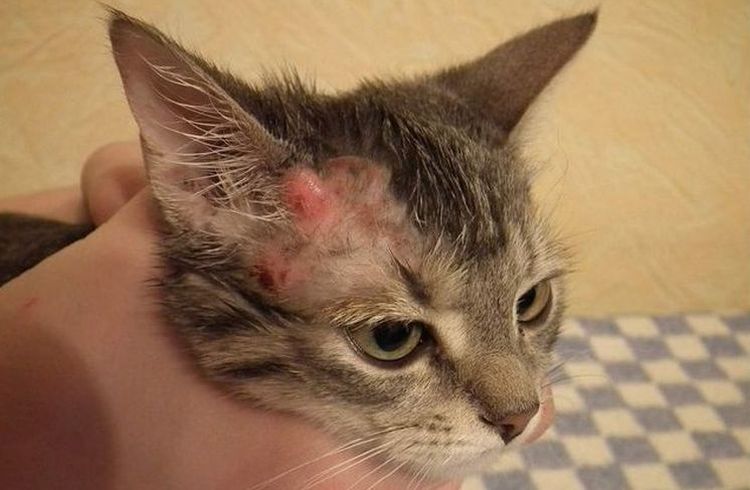
- After a few days, they burst and turn into crusts.
- The animal suffers from severe itching. By scratching the affected areas, the cat spreads the parasite throughout its body.
- Hair falls out in the affected area.
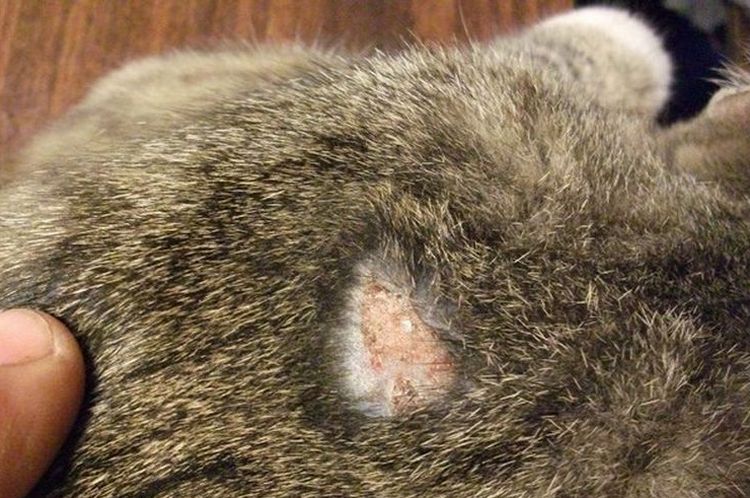
- Ulcers form at the site of the former papules.
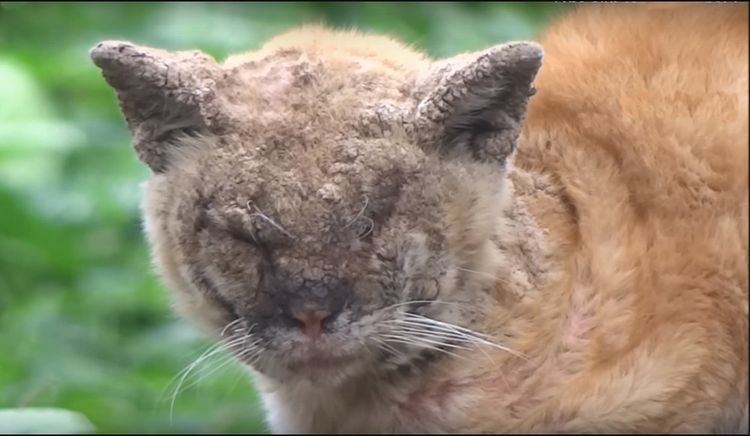
The cat is constantly stressed, losing its appetite and restlessness. Regular scratching of the wounds often leads to suppuration and even sepsis.
A veterinarian makes a precise diagnosis, as similar symptoms can occur with various dermatitis and allergies. By taking a skin scraping, the doctor finds the mite or its eggs, identifies the parasite species, and makes a diagnosis. A blood test is also performed, the animal is checked for fleas, and other diagnostic tests are performed.
How to help
Treating sarcoptic mange in cats is a labor-intensive process. The entire animal must be treated, and any affected area must be addressed, otherwise it will cause further spread of the parasite.
Important! These medications do not affect parasite eggs. Treat your pet's skin to kill new mites before they lay more eggs.
There are several medications and treatment regimens for the disease:
- AmitrazineThe product should be applied to each affected area, ensuring no areas are missed. Apply with a cotton swab, extending 1-2 centimeters beyond the affected area. It's important to ensure the cat doesn't lick the medication for 20 minutes, during which time it's absorbed. Repeat the procedure 5-7 times every 3 days. The product doesn't cause any side effects, but it should not be used on pregnant cats or kittens under 2 months of age. Furthermore, do not use the product if you have an individual intolerance to any of the ingredients. Breeders report the product's high effectiveness. Animals experience relief the following day.
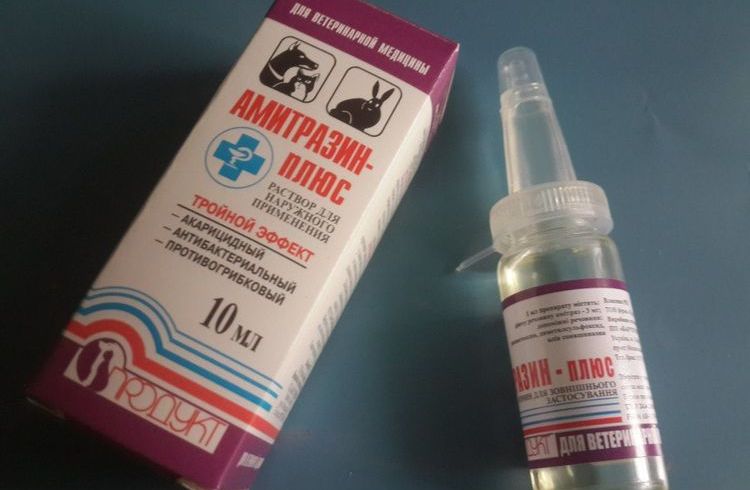
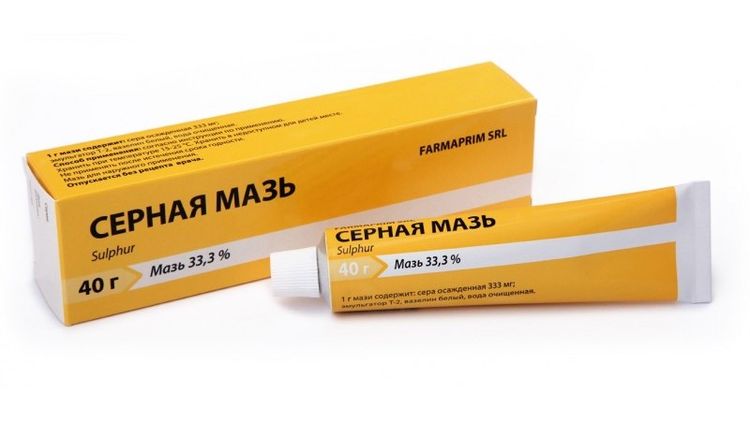
- Sulfur ointment. The animal is treated for several days, then interrupted for 24 hours. The course lasts from 7 to 20 days. This method is very labor-intensive, but has advantages: it has antibacterial and antifungal properties and also relieves suppuration, which often occurs due to scratching itchy areas. To ensure effective treatment, the cat is given a special collar to prevent licking the ointment. If the inflammation is mild, the ointment is applied and rubbed in. For more severe lesions and fluid discharge, it is better to apply a bandage over the ointment and secure it with a plaster rather than rubbing it in. The medication has no contraindications and is used not only on cats but also on dogs and livestock.
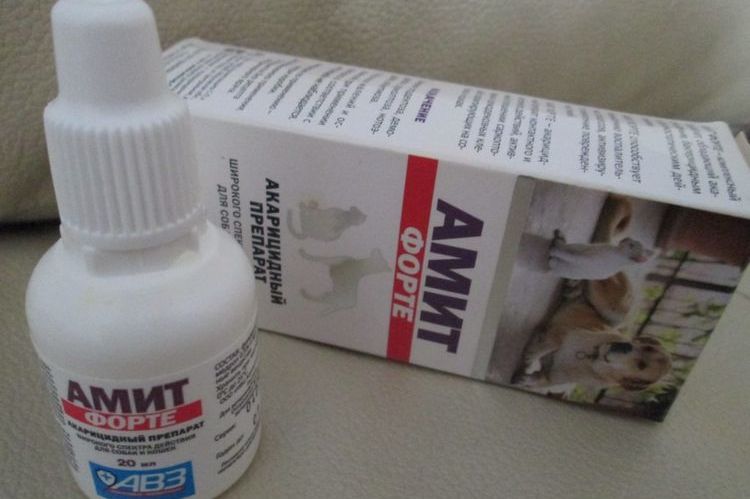
- Amit. It targets ticks and associated complications thanks to its antibacterial properties and ability to reduce inflammation. The active ingredients first paralyze the parasite and then kill it. The substances pose no danger to the animal; they do not penetrate the bloodstream and act locally. First, the skin is cleaned of scabs, then the product is applied. The affected areas are treated twice, with intervals of 7-10 days. The product should not come into contact with mucous membranes, and gloves must be worn when applying it. Furthermore, small children should be prevented from petting the animal for the first 24 hours. The product should not be used on kittens or weakened or pregnant cats. There are also other contraindications, such as allergies to the ingredients and certain infections.
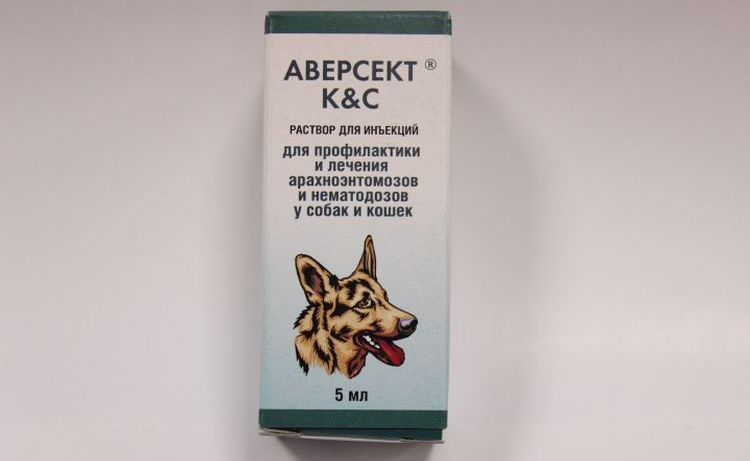
- Aversect is administered by subcutaneous injection. This method is not as safe as topical application, but it can help manage the disease in advanced cases. It is administered twice, 5 days apart. A veterinarian should administer the drug, who will accurately calculate the dosage. Do not use this drug on weakened or pregnant animals.
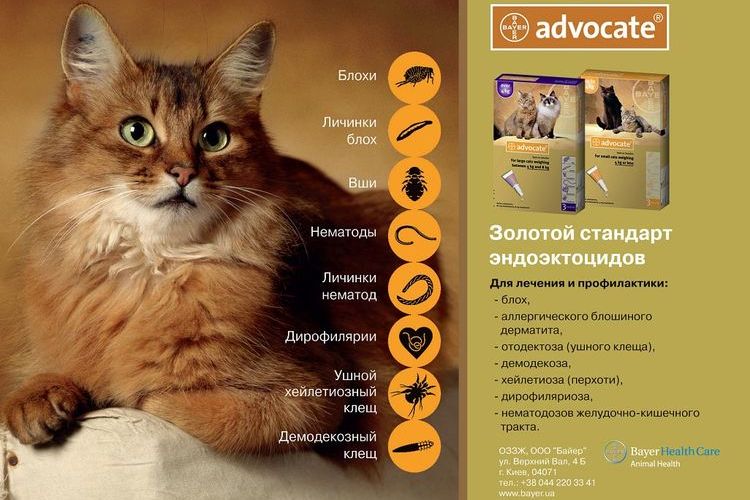
- Lawyer from BayerThese are drops applied to the withers. The skin should be dry and unbroken. The dosage depends on the animal's body weight. General precautions should be observed when using the drops: avoid contact with mucous membranes, ensure that the animal does not lick the product, and keep the cat away from small children for 24 hours after application. This is an expensive method of treating sarcoptic mange in cats, but it is simple and effective. The animal is protected from the parasite for a month, which is usually enough to completely eliminate the disease.
Prevention
The symptoms of sarcoptic mange in cats are extremely unpleasant, and treatment is labor-intensive. But how can you avoid infestation with these mites? First and foremost, you should eliminate or limit contact between your pet and stray animal. However, this isn't always possible, so special flea collars or drops can help.
After treatment, any valuable items the animal came into contact with should be taken out into the sun, and any other items should be burned. Floors should be treated with special products and thoroughly washed.
Another preventative measure is maintaining a strong immune system in the animal, which can resist the parasite's effects. This can be achieved through high-quality nutrition, deparasitization, and proper maintenance and cleanliness.
Read also:


Add a comment