
Sarcoma in cats: symptoms and treatment
In cats, sarcoma develops rapidly, typically taking 4-6 months from the time the first cells mutate to the final stage. Symptoms vary depending on the type of cancer: osteosarcoma is accompanied by bone tissue damage, while histiocytosis symptoms include respiratory problems. Therefore, treatment is prescribed based on the nuances of the clinical presentation of the cancer.
Content
Sarcoma - what is it, classification
Sarcoma is a group of oncological diseases of fibrous tissue. Although uncommon in cats, it is the fourth most common malignancy in cats.
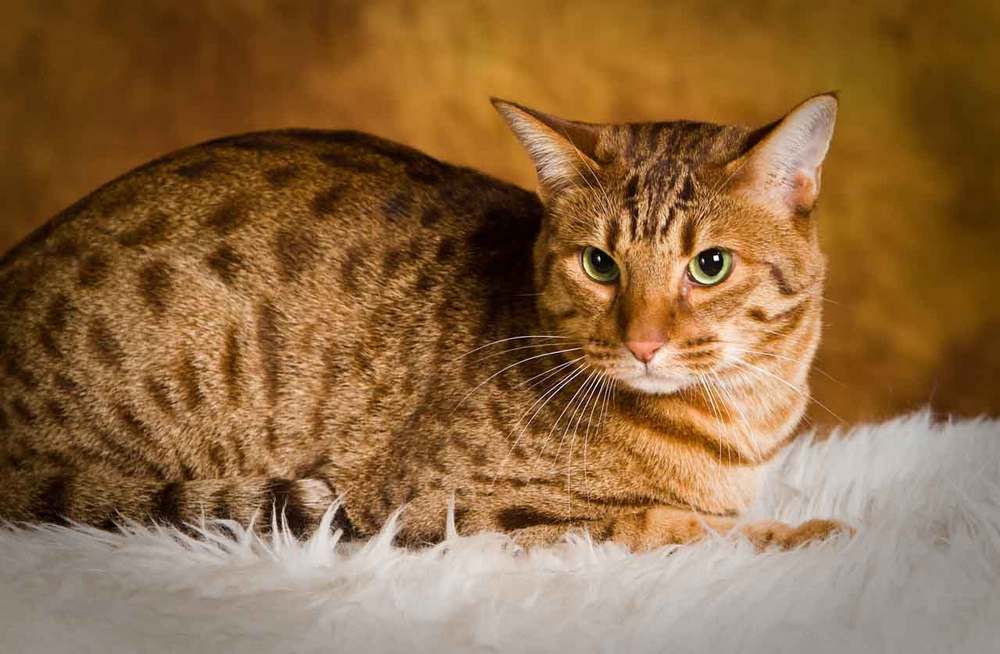
There are several types of the disease:
- Osteosarcoma. It is an aggressive cancer, typically affecting bone tissue. However, a post-injection extraskeletal form is sometimes diagnosed, developing after vaccination as a result of chronic inflammation at the injection site. Osteosarcoma is difficult to diagnose, so it is often detected at a late stage.
- Chondrosarcoma. The affected area is cartilage, skull bones (lower and upper jaw), and ribs. It has no obvious symptoms and is very rare.
- Histiocytosis. The histiocytic form affects the lymph nodes, spleen, joints, lungs, and skin. It progresses rapidly, leading to the formation of metastases and secondary tumors.
- Fibrosarcoma. The most common type of sarcoma in cats. The cells that make up tendons and ligaments become malignant.
- Liposarcoma. A cancer of adipose tissue. The tumor grows deeply, rarely metastasizes, and is virtually resistant to chemotherapy and radiation.
- Leiomyosarcoma, rhabdosarcoma. A rare disease of striated and smooth muscles—the tongue, heart, gastrointestinal tract, and genitourinary organs. It develops aggressively, with rapid metastasis.
- Hemangiosarcoma. The vascular form affects the heart muscle, liver, spleen, subcutaneous tissue, and the conjunctiva of the eye.
In most cases, sarcoma is diagnosed in male and female cats over 8-10 years old. Gender does not influence the development of cancer.
Reasons
There are several factors that increase the risk of healthy cells becoming malignant:
- genetic predisposition;
- frequent injury;
- untreated chronic inflammation;
- the presence of carcinogenic substances in food;
- the influence of ultraviolet light and radiation;
- leukemia;
- hormonal imbalance;
- rickets in kittens;
- human immunodeficiency virus.

The exact cause of cell mutations remains unknown. In sexually mature male cats and female cats who haven't been spayed, estrus suppressant medications can sometimes trigger cancer. In kittens, the process is more aggressive due to their underdeveloped musculoskeletal system.
Symptoms and stages of sarcoma in cats
The entire oncological process can be divided into the following main stages:
- Stage I. The tumor is up to 5 cm in size and has clear boundaries.
- Stage II. The tumor is larger than 5 cm, its borders are blurred, and it is growing rapidly.
- Stage III. Mutated cells invade the lymph nodes.
- Stage IV: Cancer metastasizes to other organs through the lymphatic system.
Signs of pathology vary depending on the location of the lesion, the type of sarcoma, and the period of development:
- Post-injection tumors are characterized by a lump at the site of vaccination or intramuscular injection: the thighs of the hind legs, skin, or withers. The tumor can progress slowly, sometimes taking up to 10 years. There are no clinical symptoms, but sometimes there is decreased mobility, pain, and a change in the usual shape.
- Histiocytosis causes coughing and difficulty breathing. Loss of appetite, problems with coordination, seizures, and weight loss are possible.
- Osteosarcoma and chondrosarcoma are accompanied by lameness, joint pain, and risk of fractures.
- Vascular pathology develops with the formation of dark red or spongy-black plaques, leading to baldness, ulcers, and bleeding of internal organs.
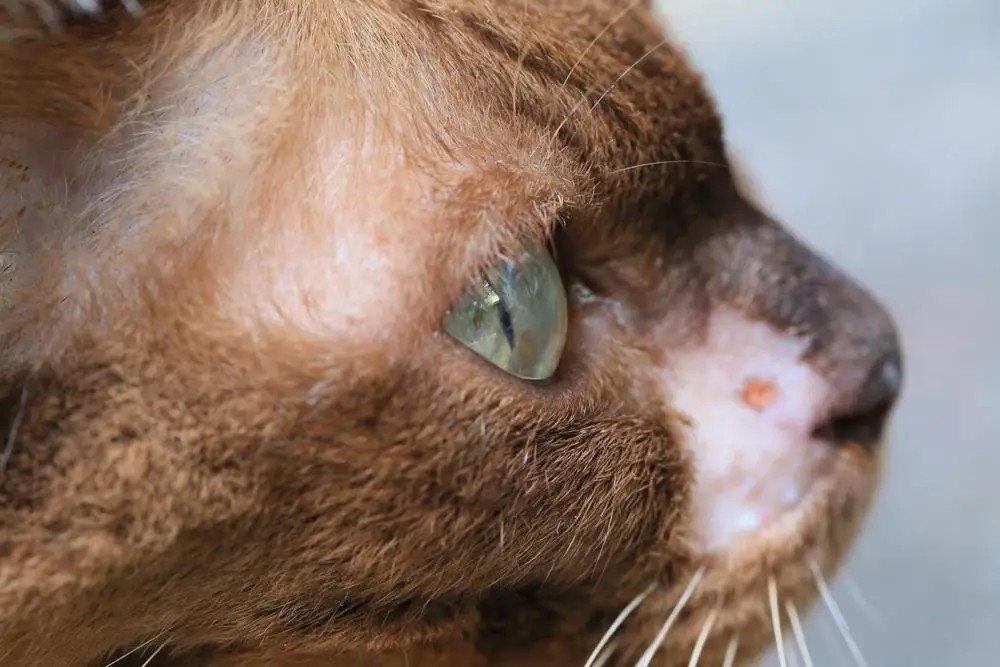
The initial stage is virtually asymptomatic. Significant clinical symptoms, as shown in the photo, appear after metastases have spread, making it very difficult to detect the pathology in its early stages.
Diagnostics
A visual examination of the animal, as well as special procedures, help confirm the malignant process:
- X-ray, ultrasound - used to determine the location of the tumor;
- CT, MRI - are prescribed for precise localization, to identify the size of the pathology, the structure of the neoplasm;
- Histology - studies a tissue sample to confirm or deny the presence of malignant cells.
Biochemical and general blood tests are necessary to develop the most effective treatment program and to determine the risks associated with anesthesia in the case of surgery.
Treatment
The main procedure is surgery, during which the tumor and surrounding tissue are removed. Surgery of an organ, muscle, or lymph node may also be performed. Surgery is dangerous for older animals, as they may develop anesthesia intolerance.
Radiotherapy and chemotherapy are prescribed in combination or as separate treatments. Symptomatic treatment is administered to improve the overall condition:
- administer painkillers;
- control appetite;
- reduce vomiting with the drugs Latran, Omez, Serenia;
- To normalize the water balance, intravenous drips with saline solution and mineral supplements are administered;
- In case of anemia, blood transfusion is used.
At home, proper care is provided with access to food and drink, and a comfortable bed.
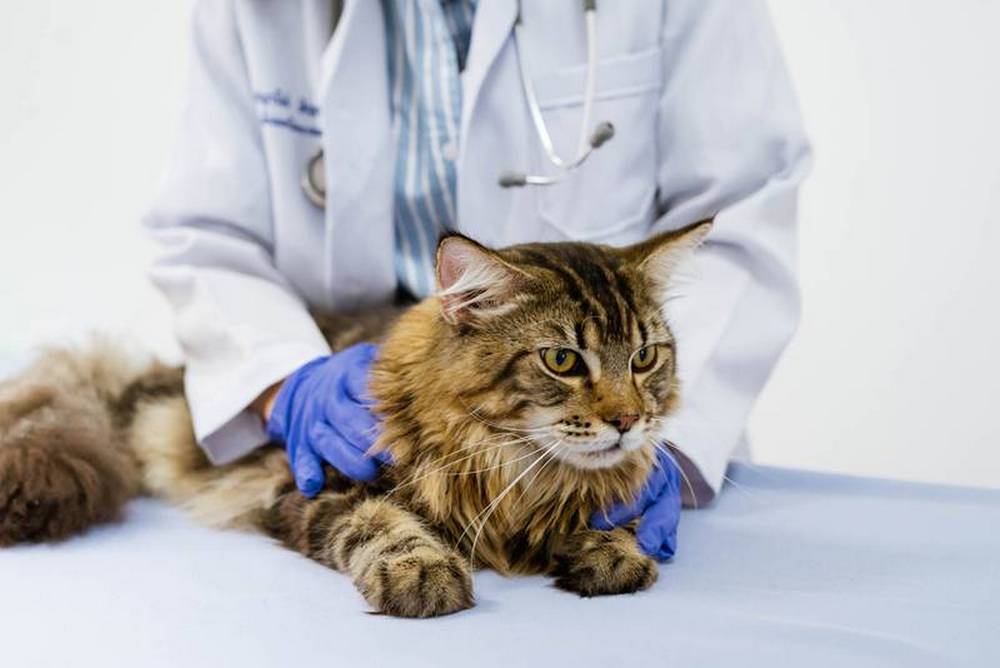
If the tumor is limited to a limited area, the prognosis is favorable—a full recovery is possible. If metastases have spread and the disease has progressed to stage IV, only symptoms are treated; step-by-step or comprehensive treatments are ineffective. According to owners, palliative care relieves severe pain, can stop the growth of metastases, and prolong the pet's life by 1-3 years. Without professional assistance, death occurs within 4 months.
If sarcoma is detected before metastasis, a complete cure is possible. Therefore, to prevent cancer, it's important to have your cat examined by a veterinarian every six months. If cancer is detected late, it's important to strictly follow your veterinarian's recommendations to relieve severe pain and prolong your pet's life.
Read also:
- Piroplasmosis in cats: symptoms and treatment
- Depression in cats: does it happen and how to treat it
- Fistula in cats: how to treat it


Add a comment