
The Smartest Cat Breeds in the World: Top 10
When planning to get a pet, many people wonder which cat breeds are the smartest in the world. In this article, we'll tell you which breeds made the top 10 list of the highest IQ domestic cats, what records the smartest cats in the world hold, and how you can develop your pet's intelligence.
Content
Cat IQ
For many years, British felinologists have been trying to determine how cats' IQ compares to that of humans. By analyzing the behavior of domestic and stray cats, scientists have found that the average feline IQ is about the same as that of a three-year-old child.
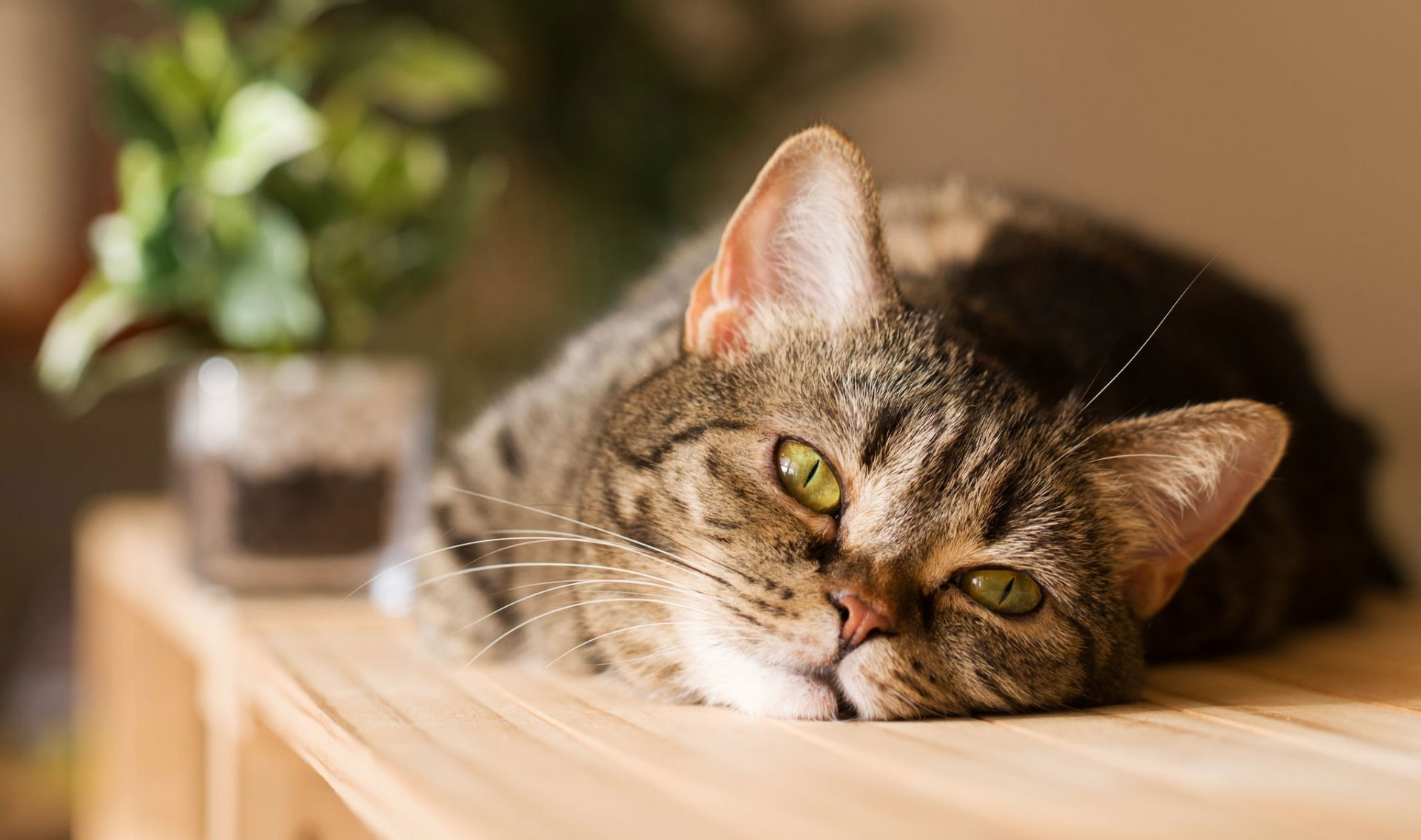
Just like humans, the intellectual abilities of individual felines can vary significantly. A cat's intelligence, however, is independent of its coloring and other external features.
Among the mixed-breed cats, you might very well meet a smart, intelligent cat. For example, the world-famous Guinness Book of Records awarded the title of the world's smartest to a mixed-breed Australian cat named Didja, who possesses a keen mind and excellent memory. He can obey over 20 commands, loves skateboarding, isn't afraid of water, and gets along well with dogs.
Didja became famous worldwide after a series of videos that his owner posted on his YouTube account.
If we talk about the criteria by which scientists evaluate the intelligence of cats, we get the following list of parameters:
- The ability to sense the owner’s mood by his voice and facial expression.
- Understanding the rules of cohabitation that a person sets.
- Curiosity, interest in everything new.
- Expressing your desires and needs in a way that is understandable to the person.
- Having a "sense of time" and events associated with it.
- Remembering and executing commands.
- Ability to understand and accept other pets.
- The presence of certain sequences in everyday activities.
- Good memory for events, places, people.
- The ability to adapt and overcome stress (e.g., going for walks outside the home, traveling by car or train, visiting the veterinarian).
By analyzing different breeds using this model, scientists have found that cats of certain species are more likely to demonstrate high intelligence, which is why a TOP-10 list of the smartest breeds in the world was compiled.
Top 10 Smart Dog Breeds
We present to your attention a ranking of the smartest cat breeds, complete with photos, official names, and brief descriptions.
Norwegian Forest Cat
|
Name |
Wegie, Norsk Skaukatt, Norwegian Forest Cat |
|
Country of origin |
Norway |
|
Weight |
Cats 4 – 7.5 kg Cats 6.5 – 9 kg |
|
Character |
calm, balanced |
|
Wool |
long |
|
Life expectancy |
15 years |
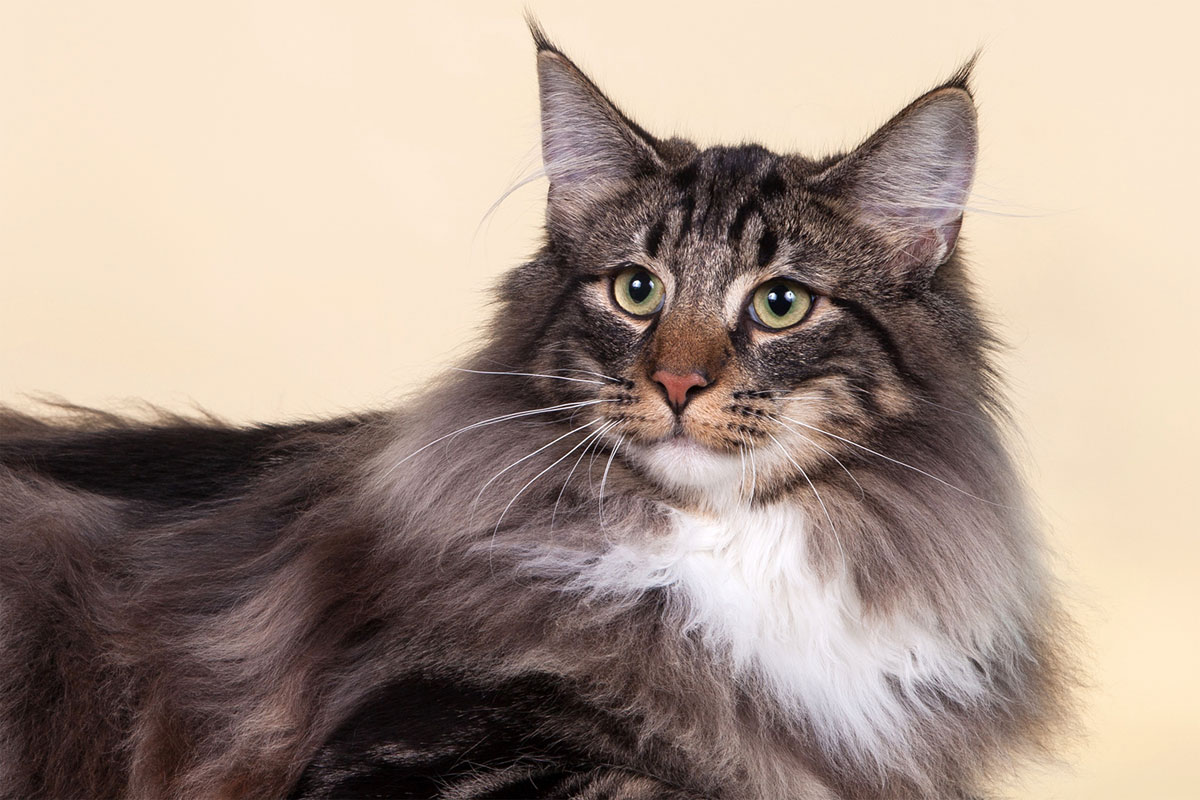
Norwegian cats are typical Scandinavians, with a calm and easygoing nature. They view their family as their pack, so they become attached to their owners and demand attention. At the same time, Norwegians are very freedom-loving and thrive when allowed to roam freely outside the home.
Learn more about Norwegian Forest Cats.
Siamese
|
Name |
Siamese |
|
Country of origin |
Thailand (formerly Siam) |
|
Weight |
Cats 4 – 6.5 kg Cats 6-8 kg |
|
Character |
wayward, quarrelsome |
|
Wool |
short |
|
Life expectancy |
15-18 years old |
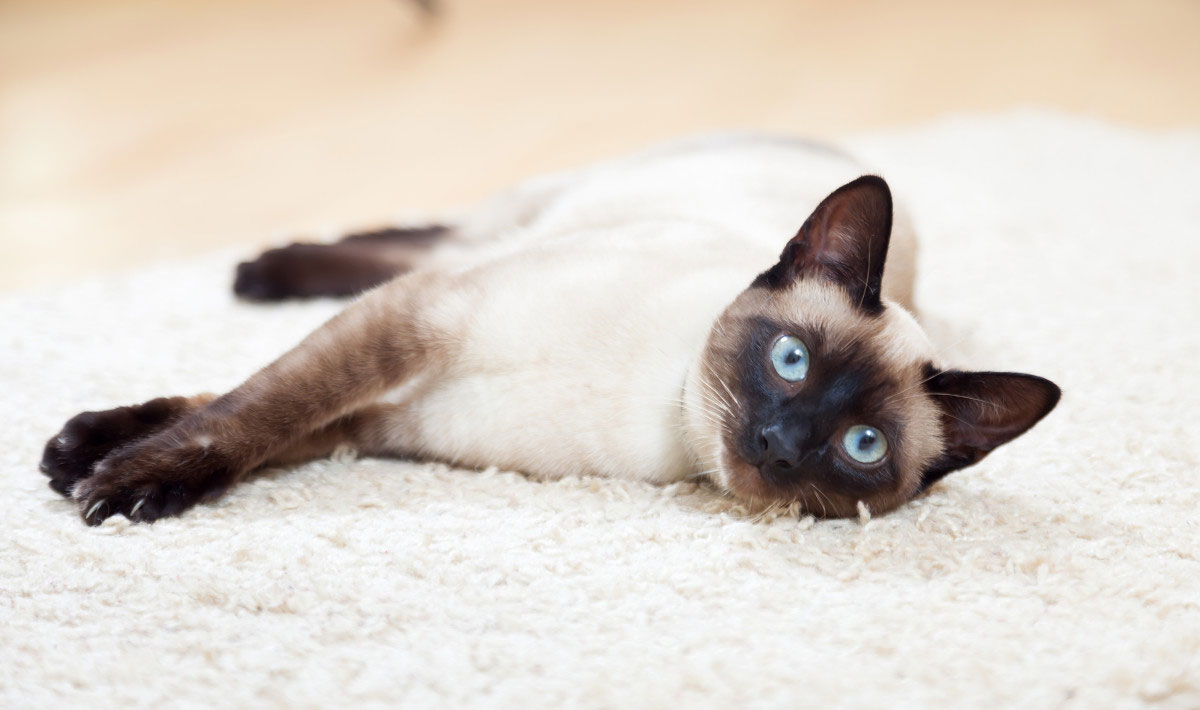
"Moon Diamond"—that's what these incredibly beautiful animals are called in their native land. Besides their striking appearance, Siamese cats also possess remarkable intelligence. They quickly adapt to any environment, understand their owner's wishes well (though they don't always fulfill them, which requires some work), establish close bonds with all family members, and in some cases even impose their own rules of coexistence.
Learn more about Siamese cats.
Balinese
|
Name |
Balines |
|
Country of origin |
USA |
|
Weight |
Cats 2.5 – 4 kg Cats 3.5 – 5 kg |
|
Character |
calm, balanced |
|
Wool |
average |
|
Life expectancy |
12-15 years old |
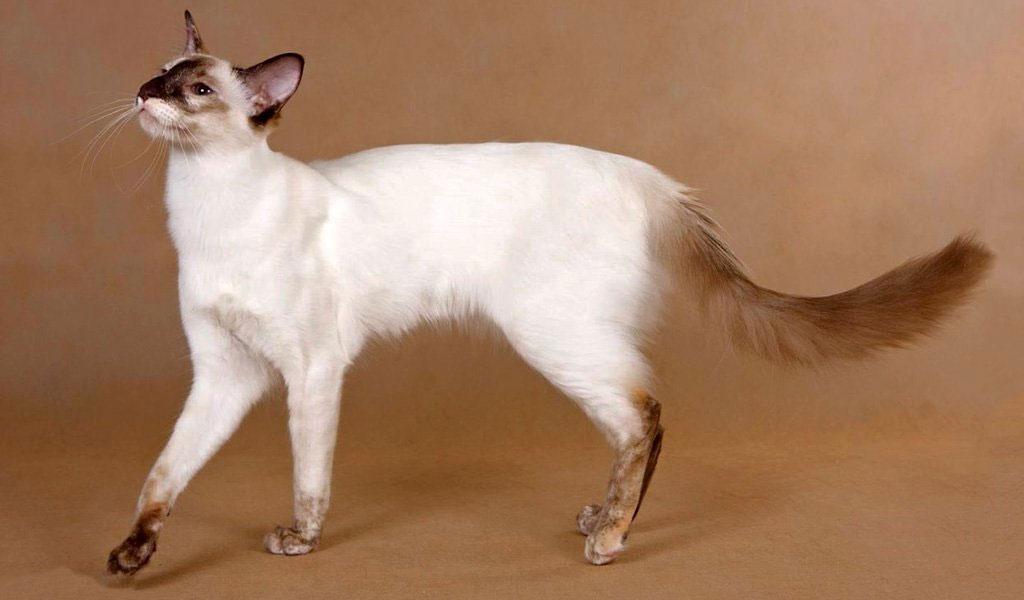
Balinese are a natural mutation of the smooth-haired Siamese cat, which was initially considered undesirable, but was later identified as a separate breed.
Balinese cats are among the most intelligent cat breeds, as they form strong bonds with their owners, get along well with other pets, and are easily trained. They are suitable for people willing to devote a lot of attention to their pet, as this breed absolutely cannot stand being alone.
Learn more about Balinese cats.
Maine Coon
|
Name |
Maine Coon |
|
Country of origin |
USA (Maine) |
|
Weight |
Cats 4 – 7.5 kg Cats 7 – 12 kg, sometimes up to 15 kg |
|
Character |
calm, playful, sociable |
|
Wool |
long |
|
Life expectancy |
12-15 years old |
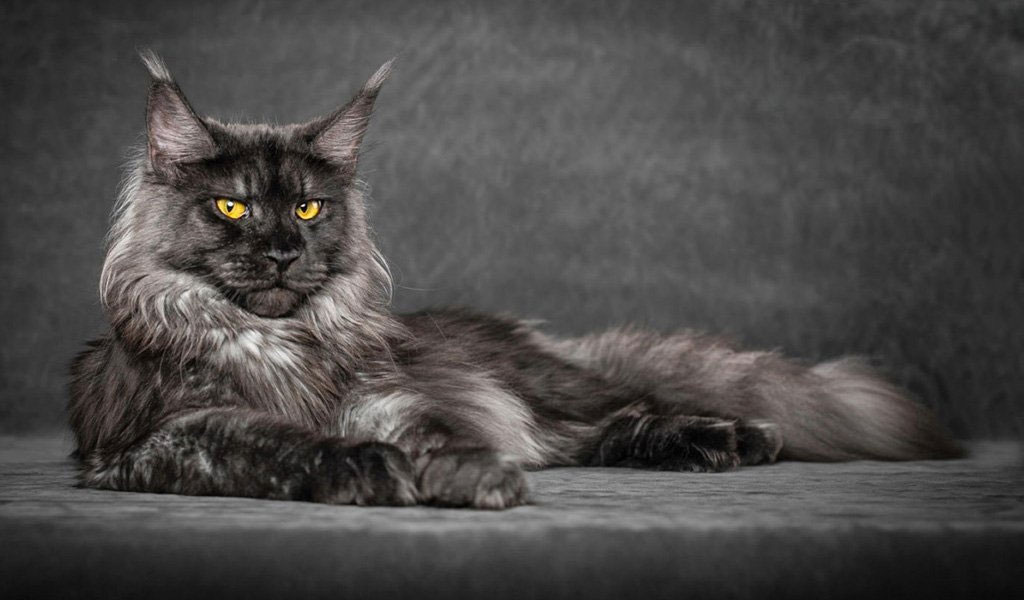
An aboriginal breed known for its gigantic size. An adult cat can reach 40 cm at the withers and weigh 12 kg.
Maine Coons deserve to be on the list of "the smartest cats" because they are incredibly sensitive to their owners, feel part of a pack, and actively participate in family life. These giants often behave like dogs, following their owners around, obeying commands, and enjoying playing and bathing together. Male cats actively participate in their offspring's lives from the very first day, without showing aggression toward the kittens, unlike other felines.
Learn more about the Maine Coon breed.
Siberian
|
Name |
Siberian cat |
|
Country of origin |
Russia |
|
Weight |
Cats 3.5 – 8 kg Cats 6 – 10 kg, sometimes up to 12 kg |
|
Character |
calm, friendly |
|
Wool |
long |
|
Life expectancy |
17-20 years old |
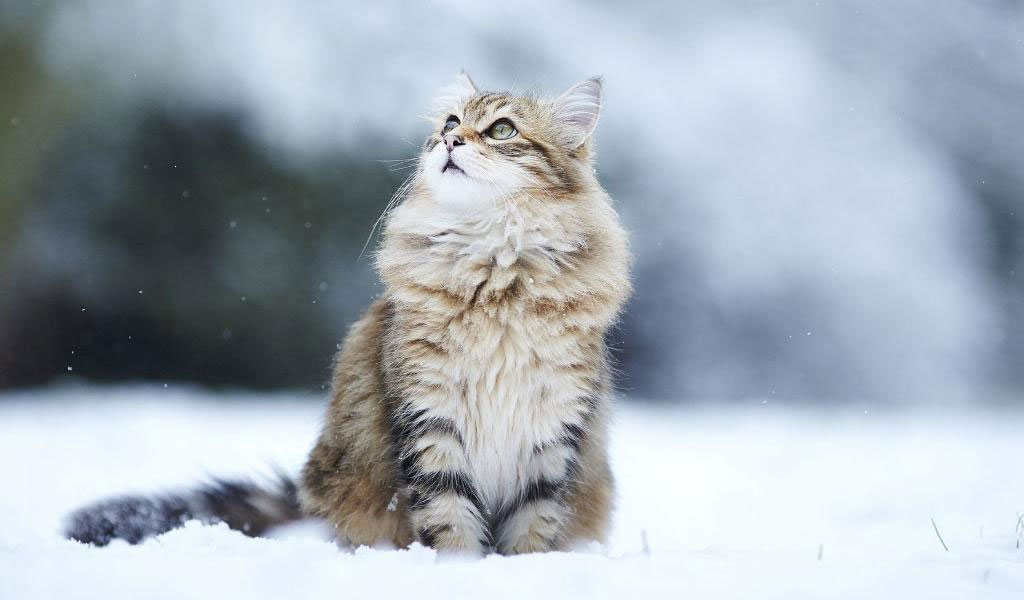
Unlike the previous breeds, the Siberian domestic cat won't follow its owner around the apartment. The breed's defining characteristics are its love of freedom and independence, yet it maintains close contact with its owner, and mutual understanding is at its best. Although Siberians are among the most intelligent cats in the world, training them requires careful timing, sensitive to the animal's mood. Representatives of this breed are known to exhibit remarkable stubbornness. The secret to successful training lies in the pet's curiosity and affection for its owner.
Learn more about Siberian cats.
Abyssinian
|
Name |
Abyssinian |
|
Country of origin |
Ethiopia |
|
Weight |
Cats 4–6 kg Cats 5 – 7.5 kg |
|
Character |
affectionate, timid |
|
Wool |
short |
|
Life expectancy |
12-15 years old |
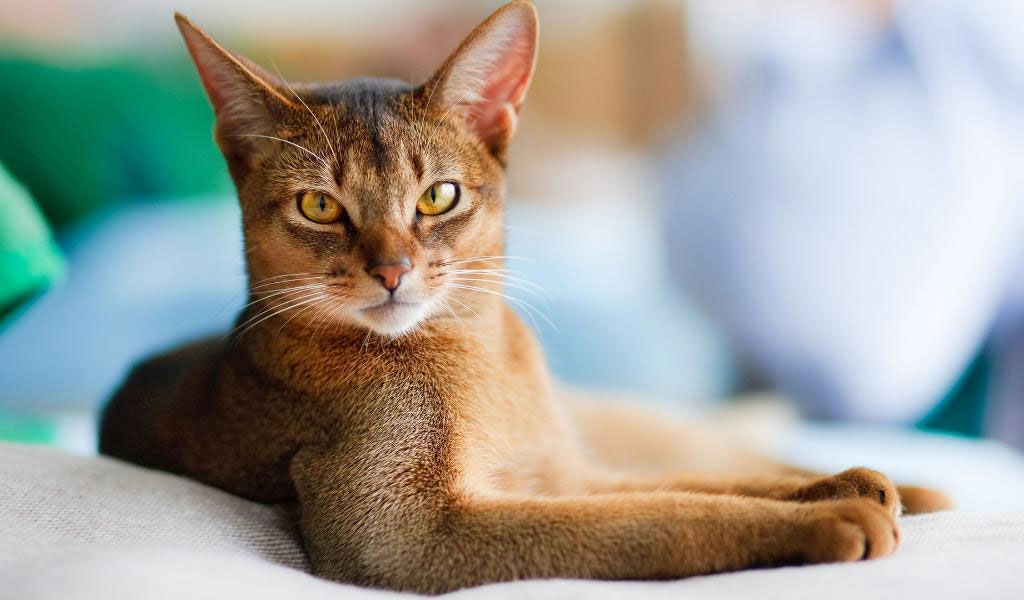
Incredibly beautiful and graceful, captivating with their unusual coloring and long history dating back to Ancient Egypt, these cats thrive in close quarters with humans. Owners note that Abyssinian kittens quickly learn the basic rules of a new home, become litter-box trained, and bond well with children and other animals.
High activity and incredible curiosity guarantee success in training, but without constant active games and the presence of the owners, the cat can become very bored.
Learn more about Abyssinian cats.
Bengal
|
Name |
Bengal |
|
Country of origin |
USA |
|
Weight |
Cats 3–6 kg Cats 5–8 kg |
|
Character |
friendly, balanced |
|
Wool |
short |
|
Life expectancy |
15-17 years old, sometimes up to 21 |
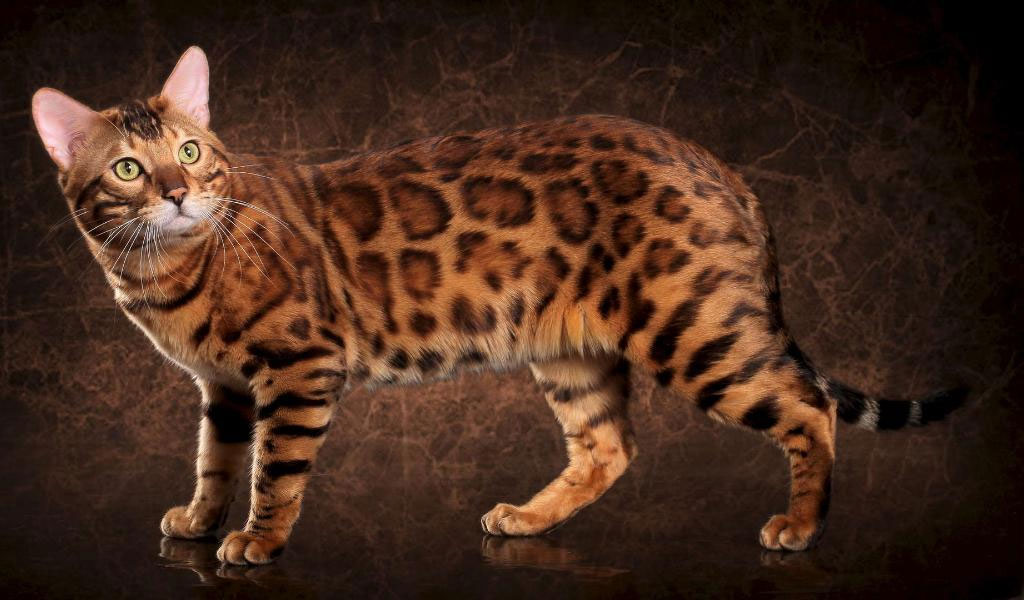
The Bengal cat is the result of crossing domesticated and wild cats, which is why it's common to hear reports of Bengals being unruly and having a nasty temperament. Breeders claim that such behavior was typical of the earliest breeding lines and is completely uncommon in kittens being born today. The problem is the high interest in the breed and, as a result, captive breeding. Without constant human contact, even the smartest cat breed in the world will go feral. A Bengal kitten that spends its first months in a captive environment won't be any less intelligent, but it will have a harder time adapting and will become wary of people.
Munchkin
|
Name |
Munchkin |
|
Country of origin |
USA |
|
Weight |
Cats 3–5 kg Cats 4–6 kg |
|
Character |
active, inquisitive |
|
Wool |
short |
|
Life expectancy |
13-16 years old |
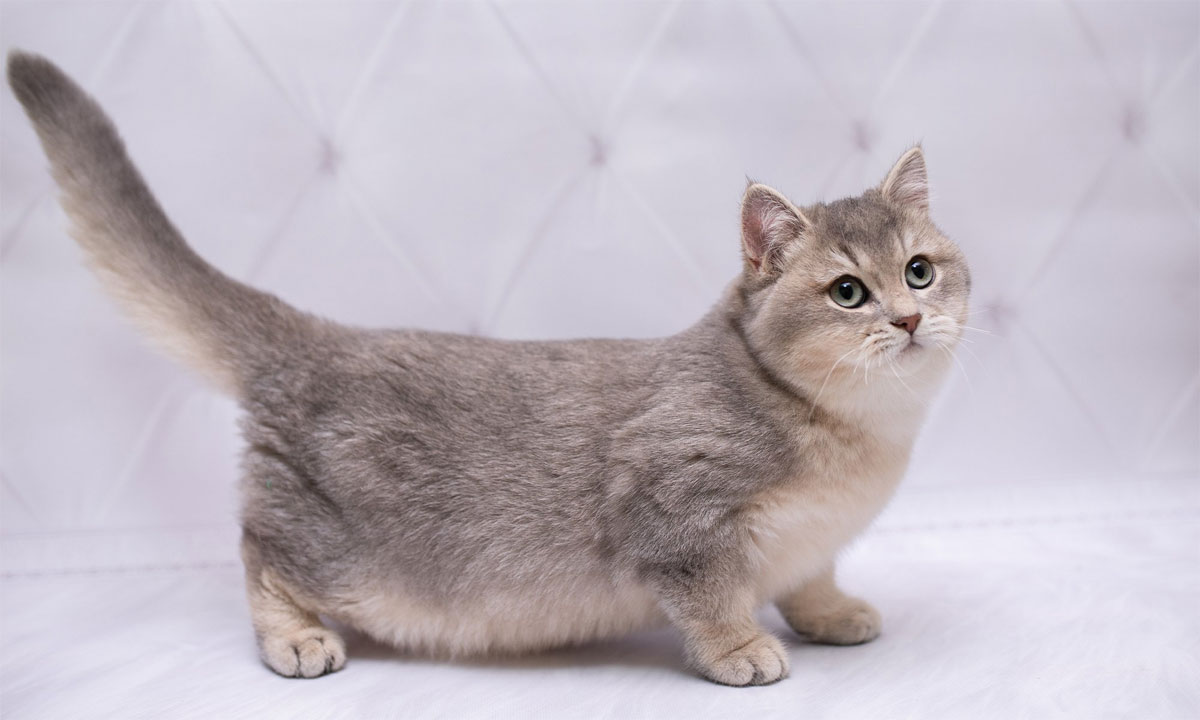
This miniature, short-legged cat breed boasts not only a striking exterior but also high intelligence. These unusual pets adapt easily to families with children and other animals, understand their owners well, and show interest in playing together, which is the foundation for successful training. Many owners note that, perceiving an item as a toy, cats may "borrow" it and hide it, allowing them to enjoy playing in moments of solitude.
Learn more about the Munchkin breed.
Oriental
|
Name |
Oriental |
|
Country of origin |
USA, Thailand, UK |
|
Weight |
Cats 3–6 kg Cats 5–8 kg |
|
Character |
active, sociable |
|
Wool |
short |
|
Life expectancy |
15-20 years |
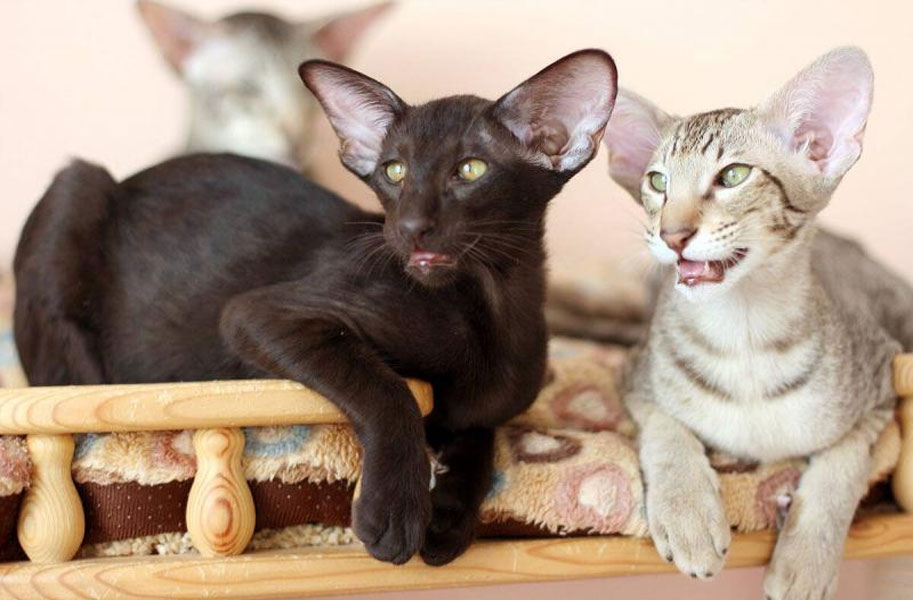
Orientals are very capable learners, always ready to play with their owners and easily remembering commands. However, it's important to consider the breed's high activity level. If the animal doesn't receive enough attention from its owner, physical and mental stimulation, it may turn its active nature into mischief.
Oriental cats easily adapt to walks on a leash and happily accompany their owners on trips.
Learn more about oriental cats.
Canadian Sphynx
|
Name |
Sphynx |
|
Country of origin |
Canada |
|
Weight |
Cats 3.5 – 5.5 kg Cats 5-7 kg |
|
Character |
active, inquisitive |
|
Wool |
without wool |
|
Life expectancy |
14-16 years old |
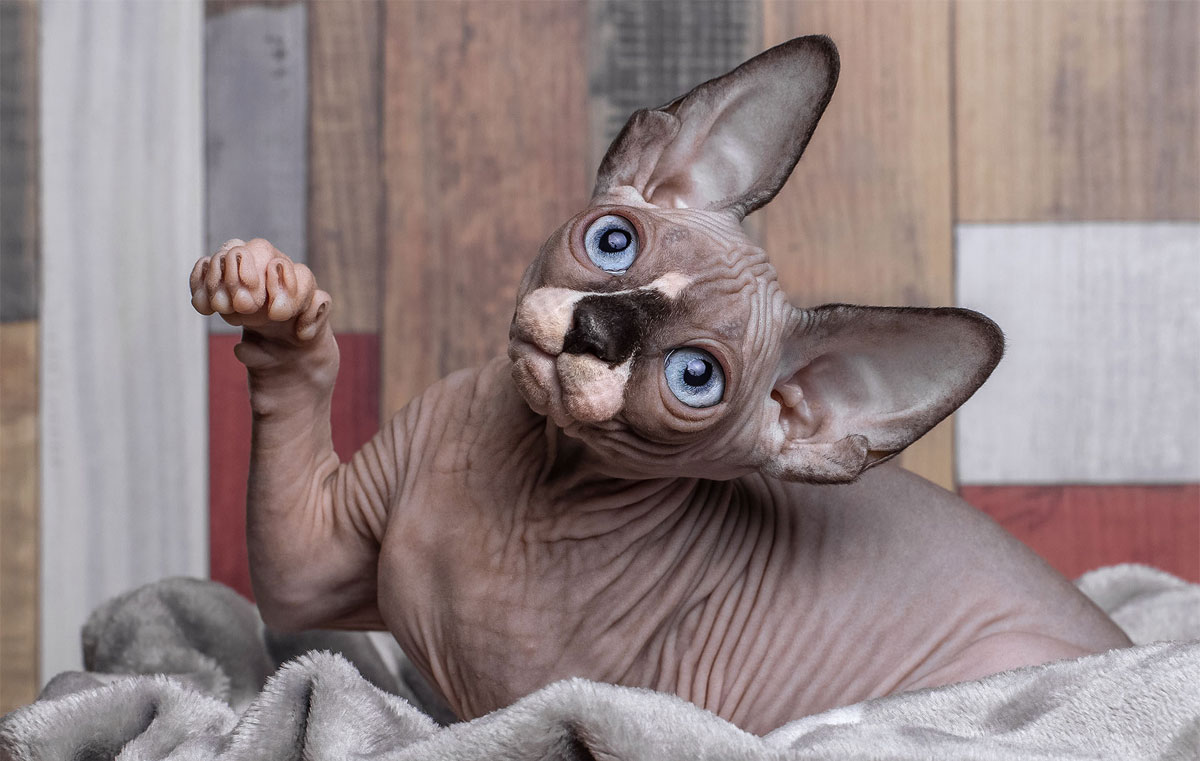
Many breed lovers note that they love their pets not so much for their extravagant appearance in pictures, but for their affection and lively, sociable nature. Sphynxes are incredibly attached to their owners, able to sense their mood by the tone with which their owner pronounces their name or any other familiar word, and prefer to spend time with people rather than alone.
Developing a kitten's intelligence
How can you tell how smart your pet is? A number of feline IQ tests are available online, but don't worry if the results aren't as high as you expected. Developing your pet's intelligence can and should be done throughout their life.
How to increase a kitten's IQ?
- Start with the simple – the baby should know the owl’s name and understand the no-no command.
- Spend as much time together as possible so that the kitten learns to understand and feel you.
- Offer a variety of games that focus not only on motor activity and dexterity, but also on logic.
- Be consistent in your demands.
- Focus on your pet's preferences and interests when choosing games and activities to do together.
- Socialize your kitten from an early age, so that leaving the house, going to the vet, or going to the country will not be stressful for him.
- When learning commands, take your time; reinforce the previous command well before learning something new.
- Practice training daily, but do not make the lesson last too long, or the cat will lose interest.
- Don't punish your pet if it doesn't follow a command. Remember that, unlike a dog, training a cat should always be based on interest and positive emotions.
What's your pet's IQ? We invite you to share stories of your cats' greatest achievements in the comments, as we're confident that representatives of all other breeds are no less deserving of a place on the list of the smartest.
Read also:


Add a comment