
The most dangerous animals in the world
The natural world operates by its own laws, the most fundamental of which is "survival of the fittest." And in battles with many species of fauna, humans are far from always victorious. Which of these animals are the most dangerous in the world? Find the answers in the selection below.
Content
The most dangerous land mammals
Every year, millions of people die from various animals around the planet. That's more than from car accidents. So, it's important to know which animals to avoid.
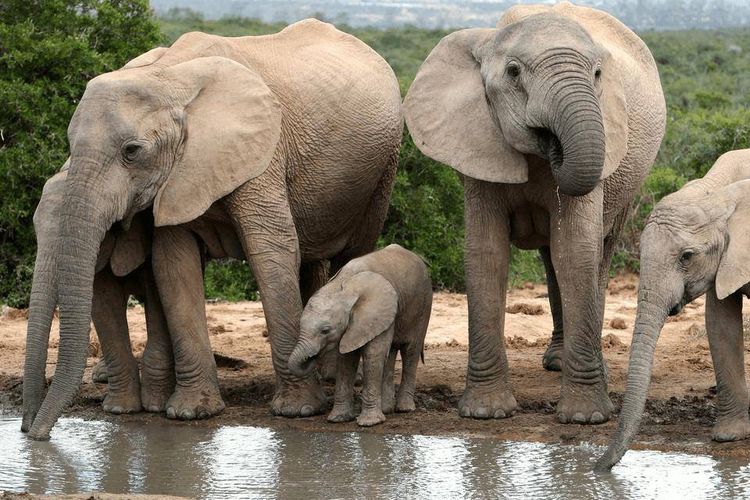
Elephants
Elephants are among the four smartest animals in the world and among the ten most dangerous. Some mistakenly believe that these savannah giants are naturally clumsy. In fact, when moving across the plains, they can reach speeds of approximately 35 km/h. When a five-ton beast experiences fear and panic, it becomes obsessed with destruction and murder. At such moments, it sweeps away everything in its path, sparing no living creature. Around 500 people die each year as a result of sudden elephant rage.
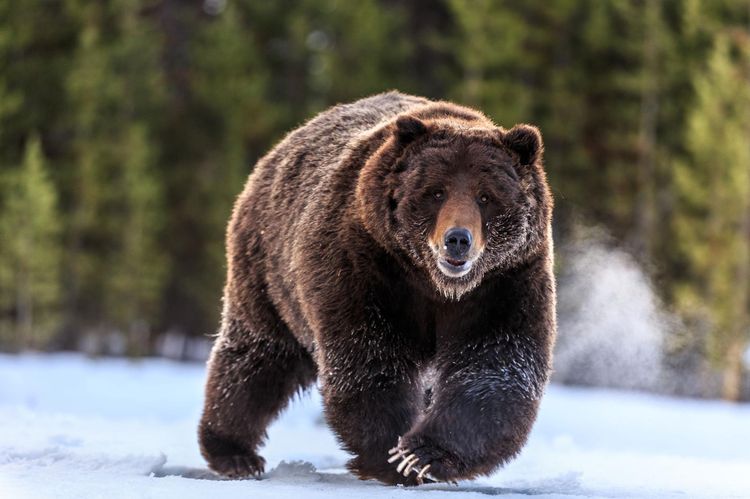
Bears
Shaggy bears only appear "white and fluffy" on the surface. In reality, when enraged, they leave no hope for humans. Enraged, they hunt down their prey and kill mercilessly. Brown and polar bears are omnivores, so when hungry, they often view humans as potential prey. Running from a shaggy bear is futile. In a fit of rage, they can reach speeds of up to 60 km/h.
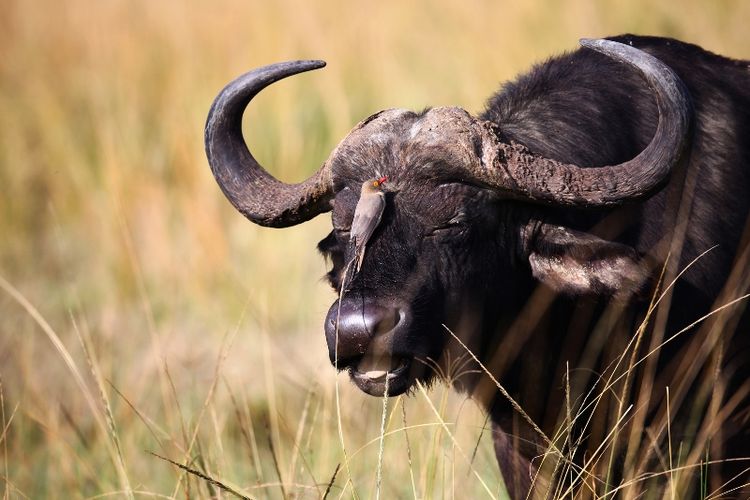
Asian water buffaloes
Water buffalos are also known for their ferocious nature and unpredictable behavior. They are capable of attacking humans without apparent provocation. The main weapon of these most dangerous animals is their two-meter-long horns. They use them to ram their opponents or prey. To do this, they charge up, then toss their prey with their horns or deliver methodical blows. When a water buffalo manages to knock down its opponent, it literally tramples them. Up to 200 people die from water buffalo attacks annually.
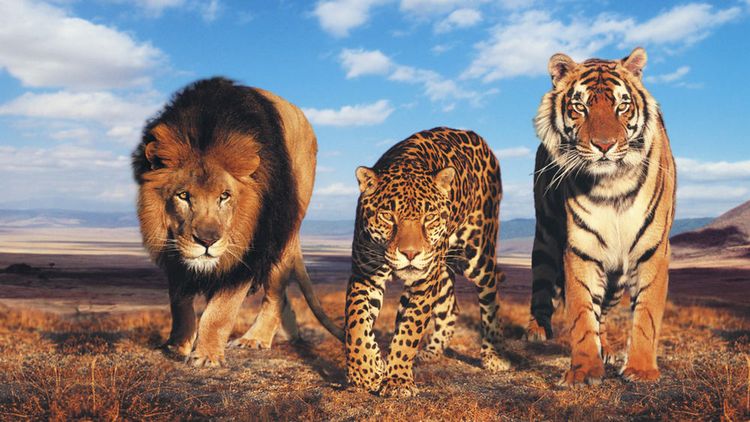
Big Cats
African felines have earned a reputation as the world's most dangerous animals because they kill up to 10-15 people annually. Lions and leopards view humans as easy prey. They can easily knock down a carcass, drag it up a tree, and then savor the taste of their kill. These clever animals hide the remains of their meal in a tree fork, away from voracious jackals. However, these huge, agile cats most often attack not careless tourists lost in the night, but rather large primates, deer, and wild boars that have become unwary.
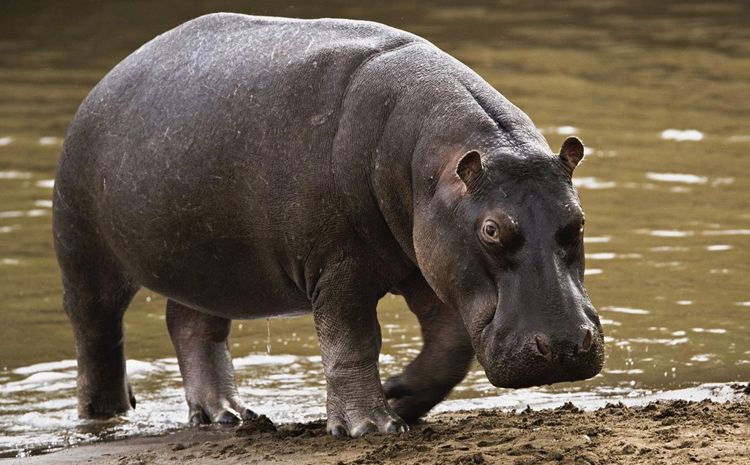
Hippopotamuses
Among African mammals renowned for their ability to decimate human populations, hippos also lead the way. They are unpredictable, their moods changing with lightning speed. A moment ago, peacefully grazing or splashing in the water, these thick-skinned, clumsy hippos can, as if by magic, instantly transform into veritable monsters that sweep away everything in their path. In moments of danger, they become unusually aggressive and merciless.
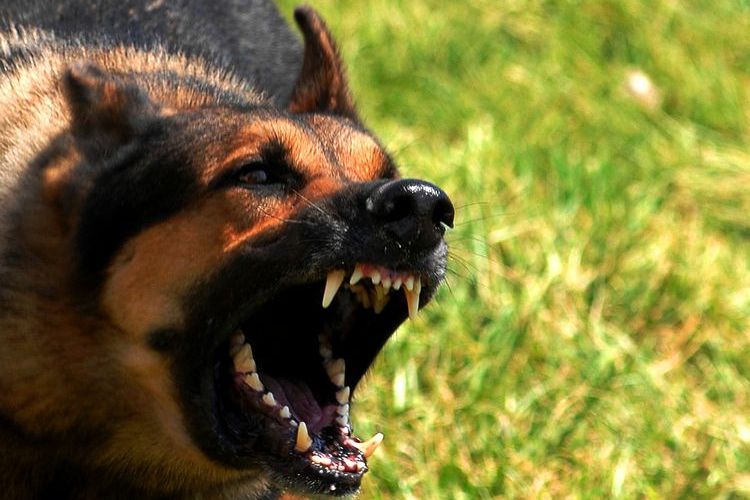
Dogs
As paradoxical as it may seem, man's faithful friend, the dog, can instantly become a source of terror. If poorly trained by careless owners, a dog can become a deadly weapon. Every year, approximately 200 people lose their lives to the sharp teeth of Shariks and Bobiks.
Dangerous aquatic vertebrates
The underwater world also contains animals that pose a serious threat to humans. Which of these should you avoid at all costs?
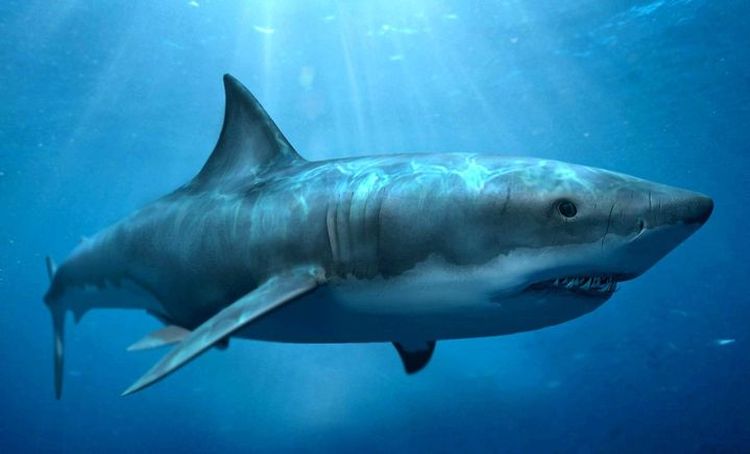
Sharks
The atrocities of sharks are legendary. Since ancient times, people have feared these dangerous animals, terrified by their powerful jaws. But the main danger lies in their unpredictability. Even with knowledge of their habits, it's difficult to predict how a predator will react in any given situation. They approach stealthily, attack unexpectedly, and are assertive and swift. Of the 450 shark species, the most dangerous are great whites, tiger sharks, bull sharks, oceanic whitetips, and mako sharks. Between 7 and 10 people die from their teeth every year.
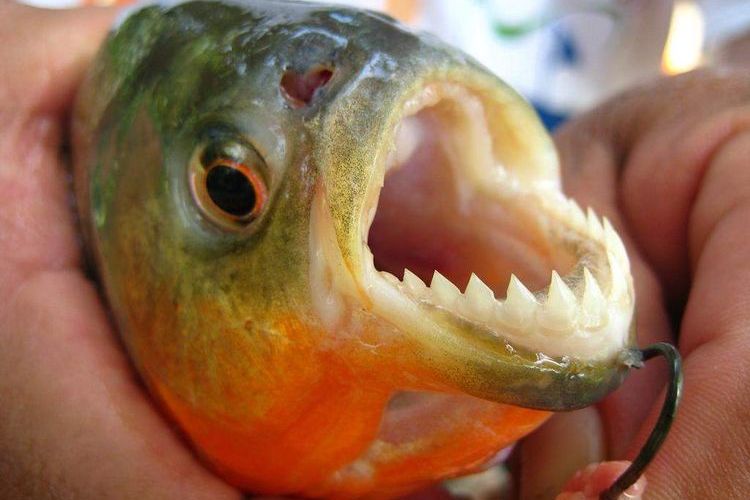
Piranhas
Piranhas are also considered among the most dangerous animals for humans. They prefer to stay in large schools. A school of these toothy fish can reduce any fish or animal caught in their midst to nothing but skeletal remains in a matter of minutes. The powerful jaws of these underwater creatures can bite and easily rip apart powerful, muscular bodies. They rarely attack humans, although there are known cases of piranhas biting off the finger of an adult. The opportunity to feast on human flesh presents itself when they encounter drowning victims of tragic accidents.
Reptiles and cold-blooded animals
They move with lightning speed and attack without warning. Who are these reptiles whose bite can cause death?
Crocodiles
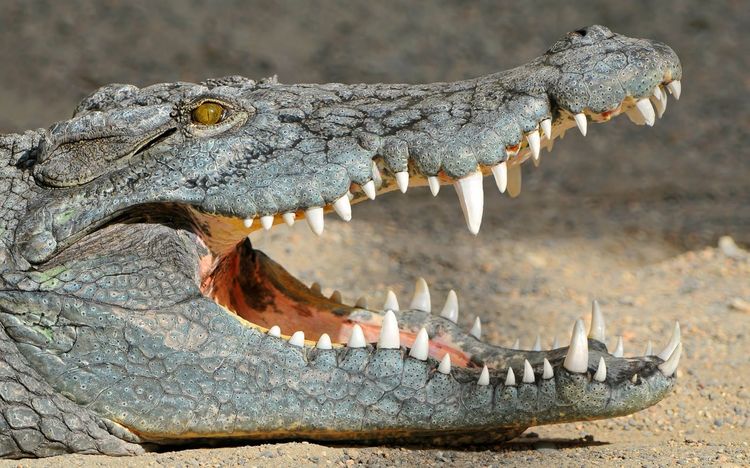
Members of the crocodilian family, having successfully survived the reign of the dinosaurs, today occupy a leading position among the world's most dangerous animals, often known as killers of humans. These predators ambush their unsuspecting prey on the shore or in the water. Upon reaching the target, they launch a lightning-fast sprint of up to 30 meters. Each year, these toothy reptiles satisfy the appetites of 200 to 1,000 people.
Snakes
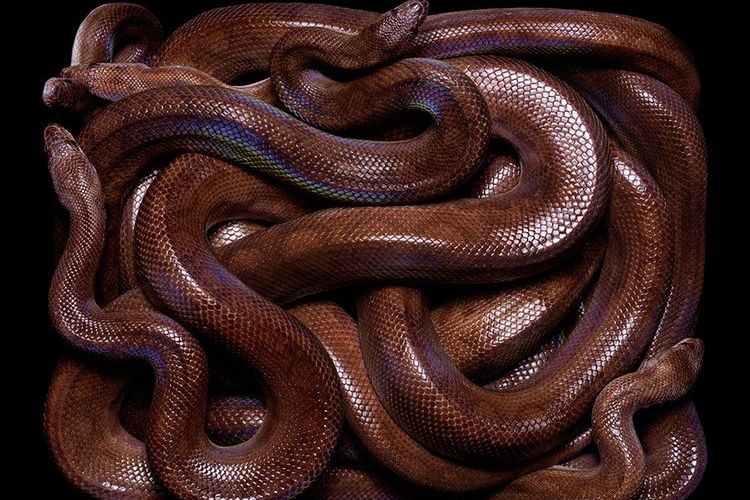
Snakes, which produce terrifying hissing sounds and display venomous fangs, bite humans solely for self-defense. The number of "lucky" individuals who encounter these venomous creatures annually reaches 5,000. Snakes primarily prey on small animals. Some kill their prey with venom, others by strangling them with coils, and still others by squeezing them with their jaws and pinning them to the ground with their bodies.
Frogs
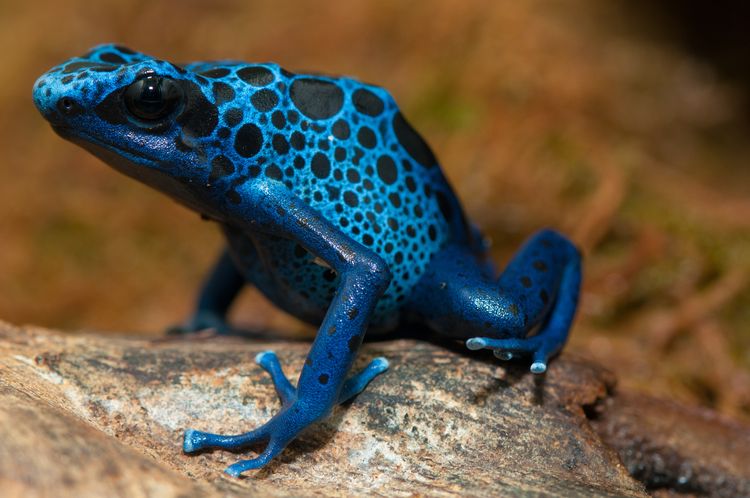
It's hard to believe that the cute, tiny frogs known as cocoi, which live in the jungle and measure no more than 20-30 mm in length, can be dangerous. Their main weapon is a venom secreted on their skin, which is the most potent of any animal-derived venom. Remarkably, this venom is completely harmless when ingested. However, if the animal or person exposed to the venom has a wound or cut, the venom first paralyzes and then kills. There is currently no antidote.
Insects and arachnids
There are a huge number of insects in the world that are significantly more dangerous than large animals. The bites of some of them can cause serious consequences and even death.
Scorpios
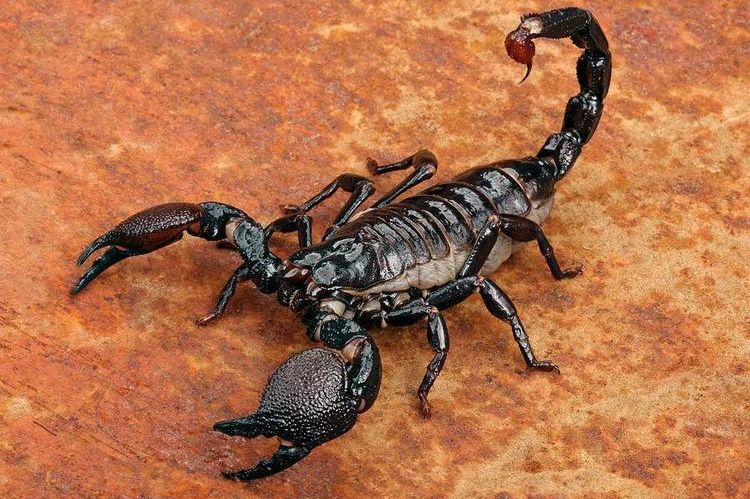
Scorpions, which hold a place of honor in the zodiac, also pose a threat to humans. They have a venomous stinger on their tail, which they use to pierce their victims and intoxicate them with neurotoxins. The venom paralyzes the victim's brain and chest muscles, causing death. Scorpions sting over a million people annually, of which just over 3,000 die.
Mosquitoes
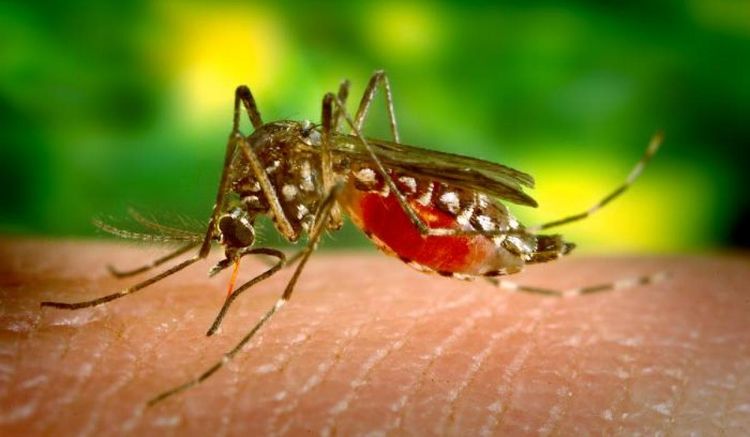
Mosquitoes of the genus Anopheles pose the greatest danger to humans. They feed on human blood, injecting malaria parasites into wounds. Malaria cases reach 1 million people per year. Fortunately, only 60-70% of those infected die.
Ants
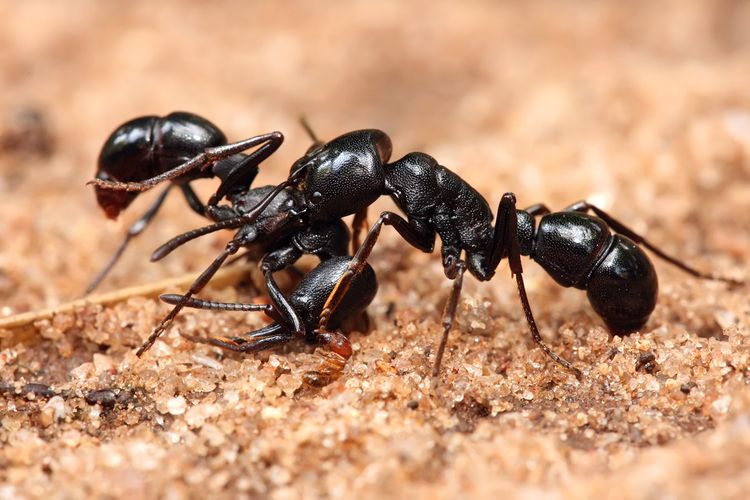
Among the numerous ant subfamilies, the most dangerous are members of the Ponerinae and Myrmeciinae families. Their stings contain venom that causes allergic reactions. Up to 30 people die from the venomous bites of these insects every year. Fortunately, they are found only in the equatorial zone. Bullet ants also inhabit this region; their bites, while not fatal, feel similar to a bullet wound.
Spiders
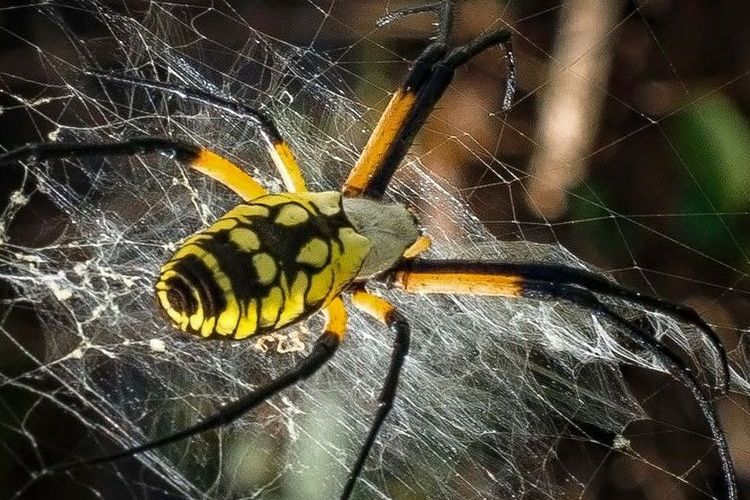
Many arachnids are veritable venom factories. The toxins present in their venom have paralytic and necrotic effects. It is dangerous to both primates and humans, causing paralysis of the lungs and nervous system. Among members of this family, the banana spider holds a place of honor in the Guinness Book of World Records for "most vicious killer." It is responsible for hundreds of human deaths each year.
Representatives of the planktonic world
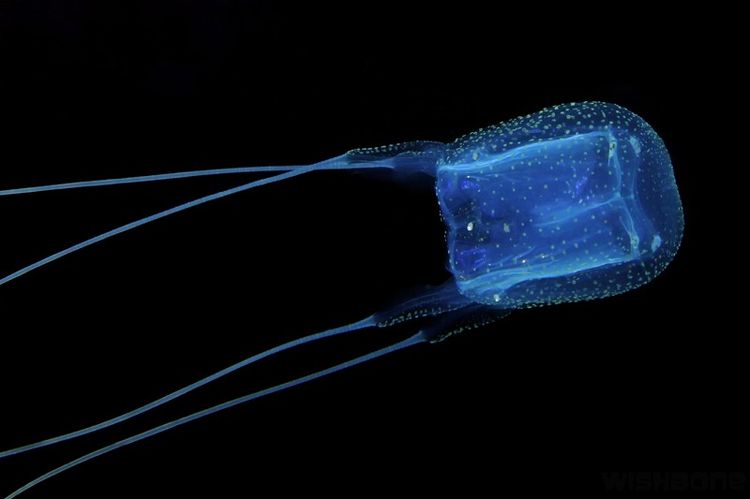
Beautiful jellyfish, members of the coelenterate family, possess a formidable weapon: stinging cells. Upon contact, these cells release long, stinging threads filled with venom that pierce the victim's body. Caught in their clutches, a person is unable to escape. Enveloped in the threads, they experience excruciating pain for several minutes and then die.
Among the most dangerous jellyfish are two inhabitants of Australian seas—the Irukandji and the sea wasp. A single dose of each is enough to trigger a heart attack in 60 people. The venomous threads of these families kill up to 150 people annually.
The list of merciless killers of the human race is long and sinister. But we must remember that in this world, it's not just predatory animals that need to be cautious, but also the "masters of life"—humans.
Read also:
- How to tell if your cat loves you
- The most unusual animals in the world
- Animals of the Red Data Book of Russia and the world


Add a comment