
The most beautiful cats in the world
There are over 250 cat breeds in the world, and each is unique in its own way. Freedom-loving and calm, willful and patient, affectionate and fluffy, large and small—they are so different in appearance and character that it's impossible to even roughly compare them. But most importantly, for their owners, they are the smartest, most beautiful, and most beloved. Below is a selection of the most interesting cat breeds that will leave no one indifferent.
Content
Munchkin
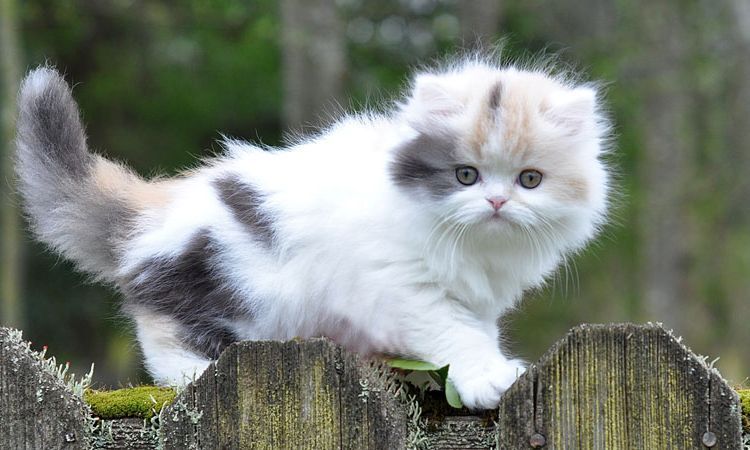
These are very unusual cats, fully deserving of the title "most beautiful." Their main distinguishing feature is their short legs, which give them a resemblance to dachshunds. The breed originated as a result of a spontaneous mutation around the 1930s. Munchkins began appearing in the CIS countries after 2001. These cats are very active, talkative, intelligent, and trainable. With the right approach and patience from their owners, they can even obey verbal commands.
Turkish Angora
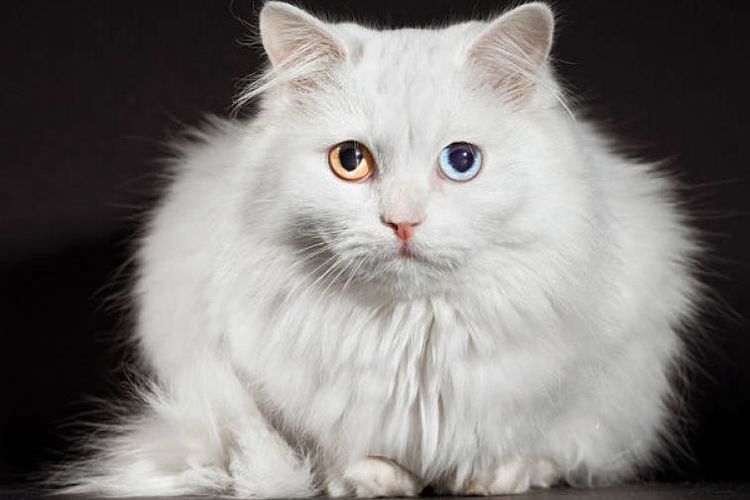
Considered one of the oldest longhaired breeds, they are visually similar to Persian cats, but are significantly more compact in size, slimmer, and more agile in temperament.
They often have different-colored eyes—one is typically blue, the other green or amber-yellow. They are very sociable and loyal, and can quickly adapt to new environments. Purebred Angoras are rare in the former Soviet Union due to indiscriminate crossbreeding with other breeds.
American Curl
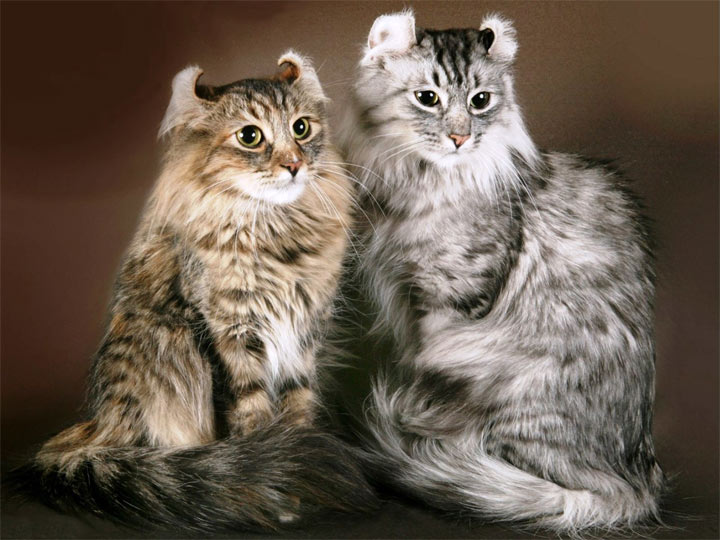
American Curls are considered among the most beautiful cats in the world due to their unusual ears, which appear to be inside-out. A photo of a cat named Sulamith once traveled around the world, and in 1983, the breed was officially recognized in the United States. Remarkably, the "horns" of newborn kittens begin to curl only after 10 days of life. These pets are lively, inquisitive, and very active. They are generally healthy and relatively low-maintenance.
Mekong Bobtail
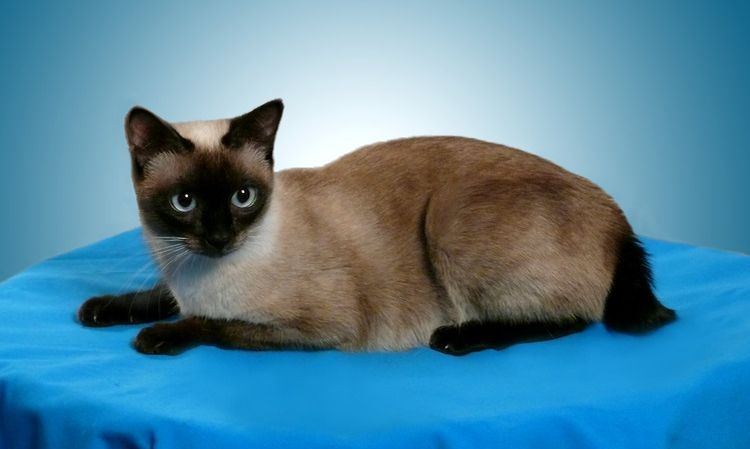
The breed branched off from the Siamese cat, appearing in Europe and America around the same time—1884-1890. In the early 20th century, bobtails were brought to Russia, subsequently spreading throughout the former USSR. While still not recognized by felinology, they are actively bred, crossing with individuals imported from Vietnam, China, Laos, and other Southeast Asian countries. These cats are distinguished by their lively nature, curiosity, fertility, and longevity. It is not uncommon for pets to live to 20-25 years of age and even produce offspring in old age.
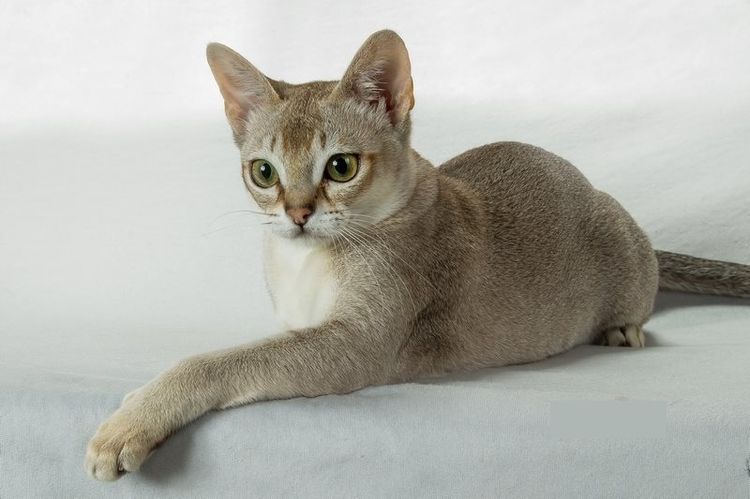
Singapura cat
It's easy to guess the country of origin of this cat—it's clear from the breed's name. It was brought to the United States after 1976, where a standard was developed for it. The cat itself is classified as a shorthair and is quite small in size. Its average weight ranges from 2-3 kg. Its fur is soft and silky to the touch, dense in texture, and is usually white. This very graceful, active, and cheerful cat is a constant favorite with children, supporting them in all their active play. Singapura kittens can safely be called the most beautiful of all short-haired breeds due to their touching and adorable appearance.
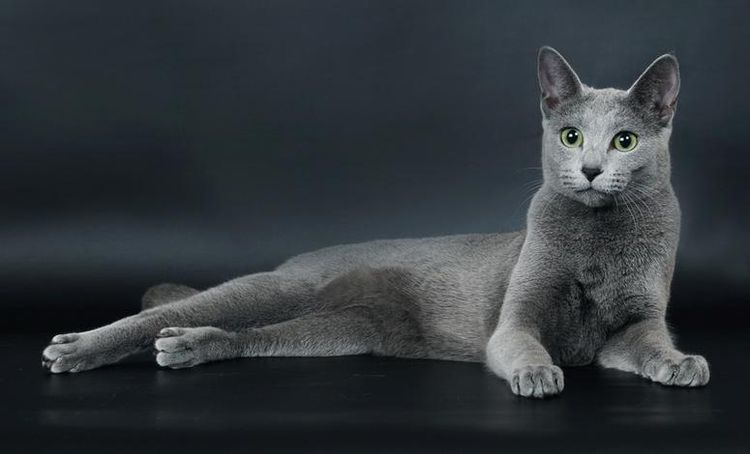
Russian Blue
One of the most recognizable and beautiful breeds in the world, particularly popular in European countries (Norway, Italy, the Czech Republic, and Sweden). Its origins are linked to the oldest native cat in Russia, dating back to the pre-Slavic Antes. References to the Russian Blue appear in chronicles as early as the 16th century, including those describing the life of Peter the Great, who kept cats of this breed at court. Catherine the Great later picked up the torch of love for these graceful and graceful animals, presenting purebred kittens as gifts to foreign guests.
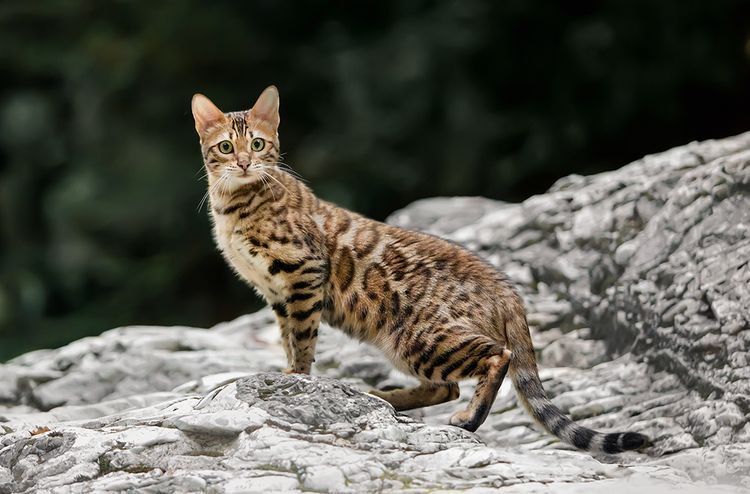
Bengal cat
The Bengal cat was bred by crossing the Asian Leopard Cat with several other breeds, including the Burmese, American Shorthair, Abyssinian, and others. The result is an intelligent, hardy, and active cat that, despite its considerable size (up to 8 kg), thrives in a domestic environment. Bengal cats are unwaveringly devoted to their owners, are not aggressive, and do not tolerate loneliness well. Bengals can also be considered among the most beautiful cats, as they are among the most intelligent. They easily learn to open interior and exterior doors, turn lights on and off, and even flush the toilet.
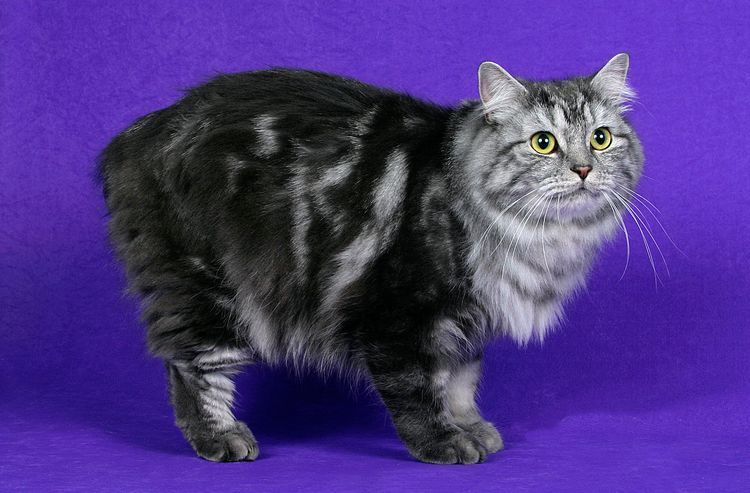
Cymric
The Cymric was bred in the United States from the shorthaired Manx cat. The breed's origins are believed to date back to 1960. The Cymric's distinctive appearance stems from its lack of a tail, as well as its prominent cheekbones and large, round eyes. Many beautiful photos of these cats in a variety of colors are available online: from white and cream to silver-smoky and black. These cats are very docile, playful, and enjoy swimming. Thanks to their powerful hind legs, they can easily climb any height, possessing excellent jumping abilities.
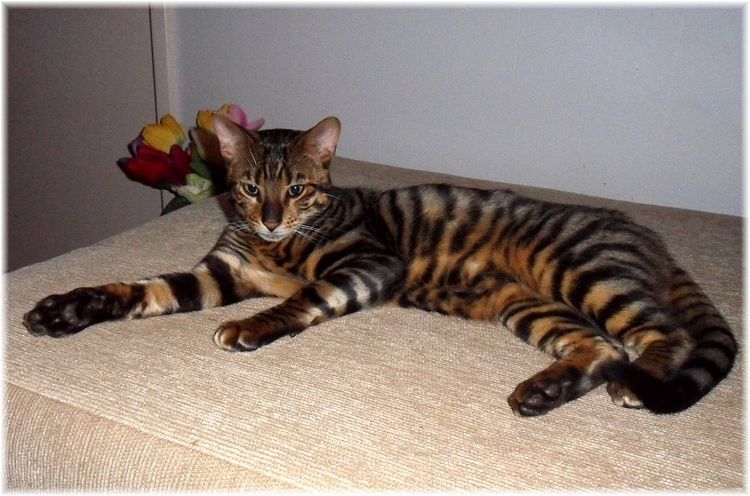
Toyger
The "Tiger Cat" is a designer cat and was developed in America. Its appearance and behavior resemble those of a wild predator, but it also possesses a kind heart and loyal nature. The breed only gained recognition in 2007, after which it was able to compete in international competitions. Coat toygers The Toyger has a spotted or striped-spotted coat, is soft to the touch, and has a golden sheen in bright light. It's no surprise that this breed is considered one of the most beautiful cats in the world. Today, only a few breeders, located in the United States, Australia, Canada, and the United Kingdom, are involved in breeding Toygers.
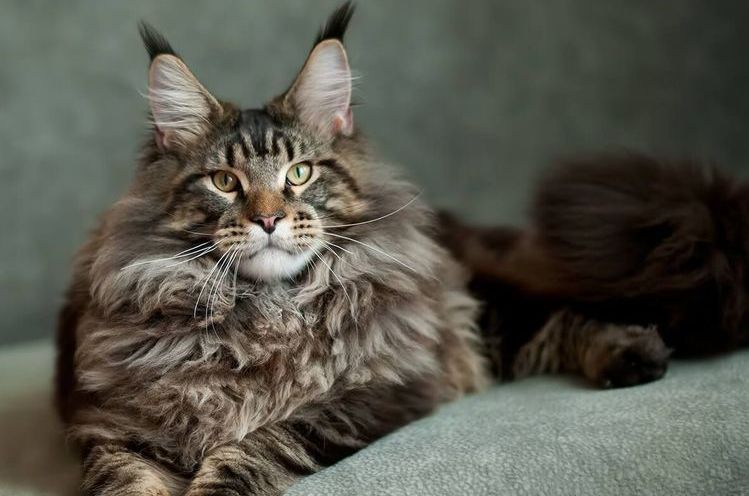
Maine Coon
Maine Coon The Maine Coon is one of the few breeds that was not artificially created. The first mentions of it date back to 1861. The ancestors of domesticated cats still live in North America. The harsh climate contributed to these cats developing thick fur, a bushy tail, and a hardened, resilient body. Adults weigh on average 8-10 kg. Despite their large size and predatory, lynx-like appearance, the Maine Coon, upon closer inspection, reveals itself to be a good-natured, tactful, and affectionate creature. They get along well with other dogs, are not afraid of water, readily play various games, and are comfortable with strangers in the house.
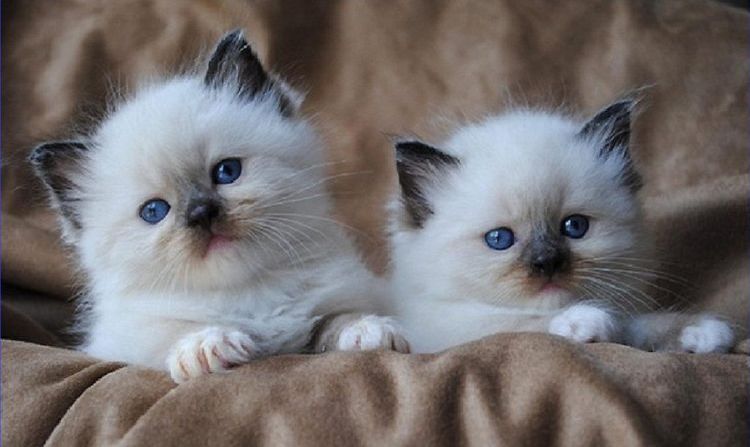
Ragdoll
The "laziest" cat breed, developed in the early 1960s by Californian breeders. Literally translated from English as "rag doll," Ragdolls live up to their name. Visually, these cats resemble their closest relatives, the Persian, with long, silky fur reminiscent of rabbit fur. These cats are very phlegmatic, docile, and good-natured. They get along well with other pets and don't require excessive attention. Children view them as toys, allowing them to do whatever they please.
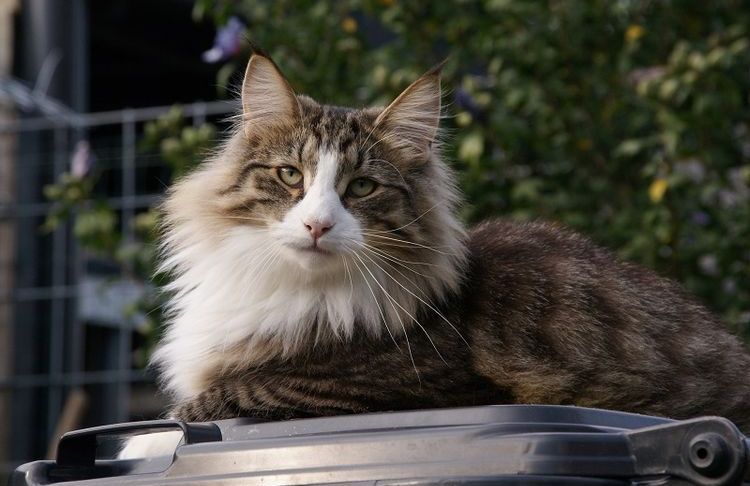
Norwegian Forest Cat
The official breed of Norway, which received recognition in 1977. Mentions of these cats are found in chronicles Norwegian An 18th-century epic. These animals are distinguished by their flexible and strong bodies, long fur with a water-repellent undercoat, powerful paws, and long legs. An adult male can weigh up to 7 kg, and their voluminous coat makes them appear even more massive. Norwegians are very freedom-loving and, despite their domestication, remain wild hunters at heart. They enjoy active play and happily explore new places in the house or garden.
Scottish Fold
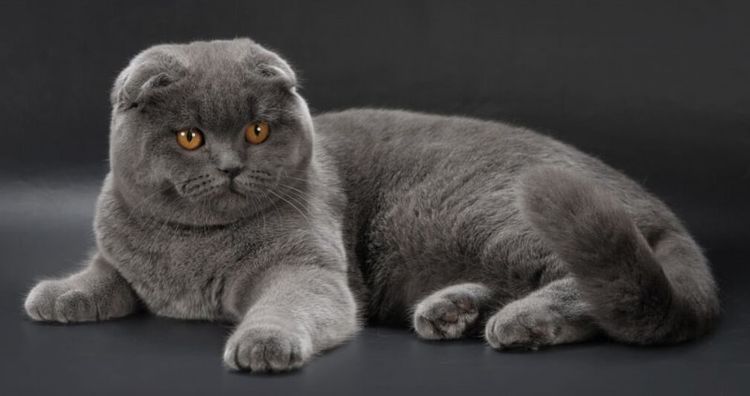
Scottish Folds The Scottish Fold is the result of a natural mutation that has become a favorite among many cat lovers. The breed's origins date back to 1961, when an unusual cat with small, folded ears held flat against its head was born on a Scottish farm. Today, Scottish Folds are incredibly popular worldwide, winning hearts for their good-natured and even-tempered nature, ability to get along well with other pets, and ease of care.
Choosing a breed is a purely personal decision. It's important to provide your pet with the utmost care and attention, remembering the well-known saying: "We are responsible for what we tame."
Read also:


Add a comment