
Saluki (Persian Greyhound)
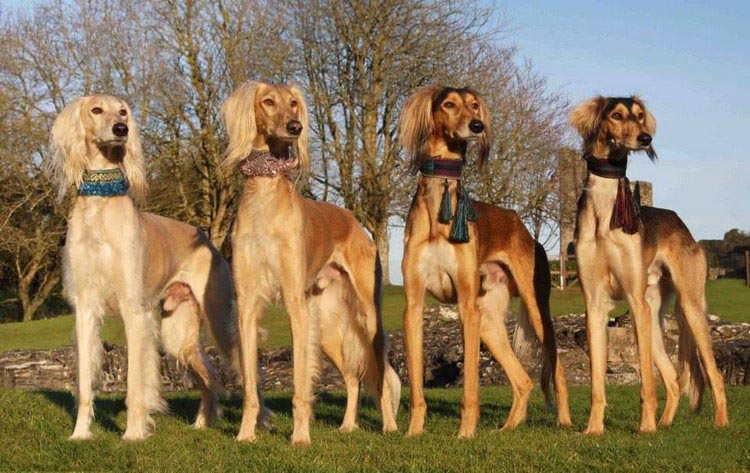
The Saluki is a model of oriental grace and mystery, one of the oldest and purest dog breeds, yet remains quite rare. Other names for this breed include the Gazelle or Persian Greyhound. These dogs have their own unique personalities and care requirements, making them unsuitable for every owner.
Content
History of origin
For centuries, sighthounds accompanied nomads and were essential hunting companions on the vast plains of the Middle East. For the Arabs, maintaining the breed's purity was crucial. These dogs were prized and never sold, only given as gifts to acquaintances. Apparently, the Saluki is an intermediate link between the Azawakh and Sloughi breeds. Their history before the 19th century is convoluted, controversial, and uncertain, leaving cynologists unable to formulate a unified understanding of their development and formation.
Salukis first appeared in Europe after the Crusades, but faded into the background among other breeds. Interest in them only resurfaced after the Crufts show in 1913. In 1922, the breed was recognized by the British Kennel Club, a breed club was established, and the name Persian Greyhound was officially approved. Salukis are also known as gazelle dogs. greyhounds, which emphasizes their purpose and use in their historical homeland. In 1927, the breed was recognized in the United States. Little was known about the Saluki in the Soviet Union, but it can be said that the breed was encountered and even participated in some shows. The targeted import and breeding of Salukis in Russia only began in the late 1990s. Representatives of the breed were imported primarily from Europe to Moscow and St. Petersburg.
Video about the Saluki dog breed:
Appearance and standards
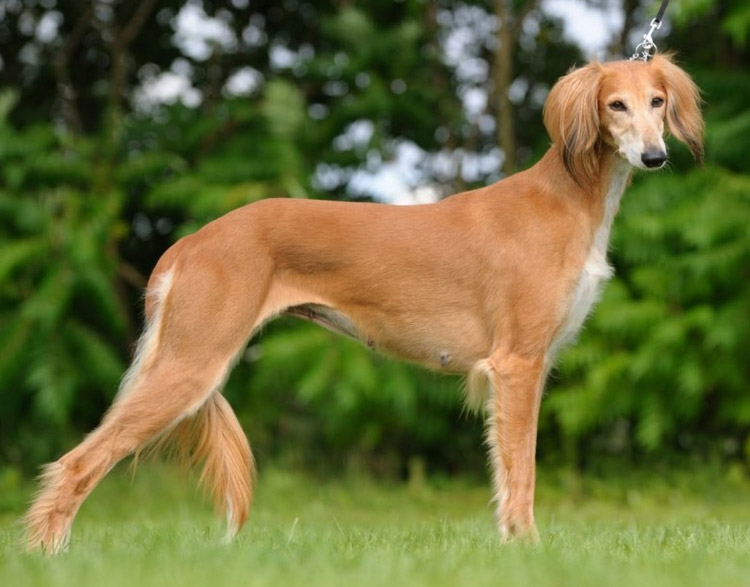
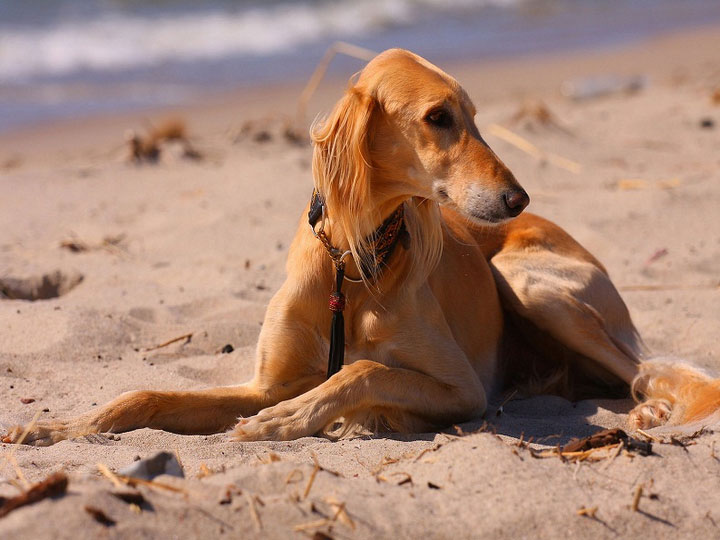
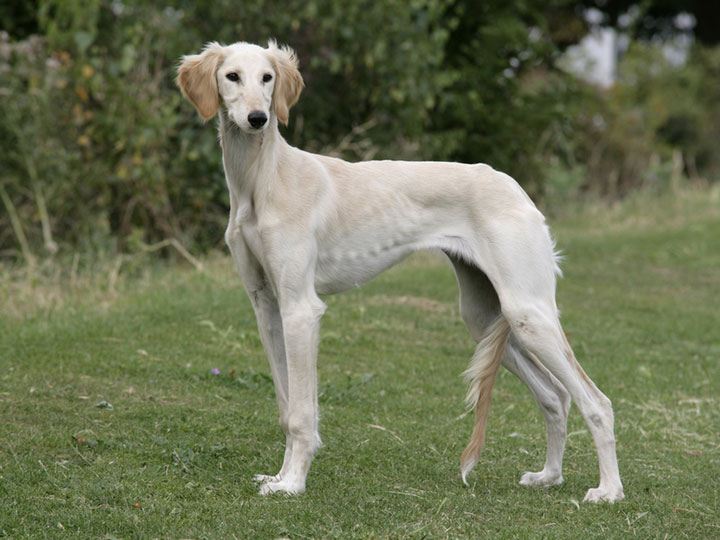
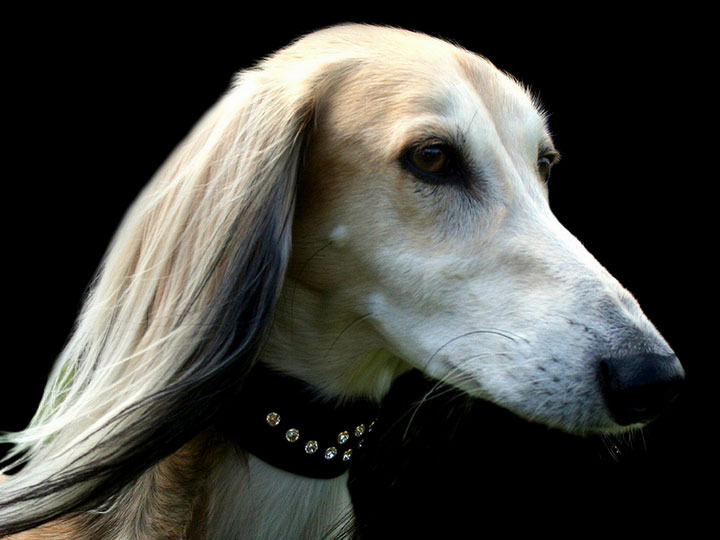
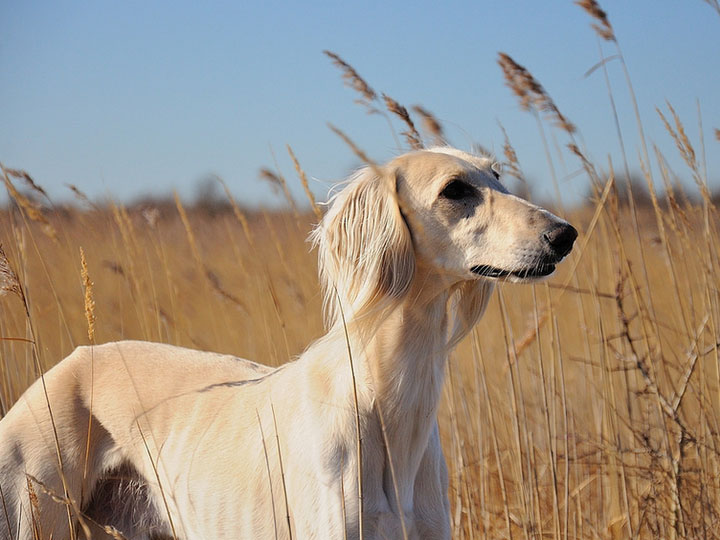
The Saluki gives the impression of nobility and high breeding. They are graceful, agile, and swift, with smooth, light, and elastic movements. They stand 60-70 cm tall and weigh an average of 15-25 kg, with males weighing up to 30 kg.
Head and muzzle
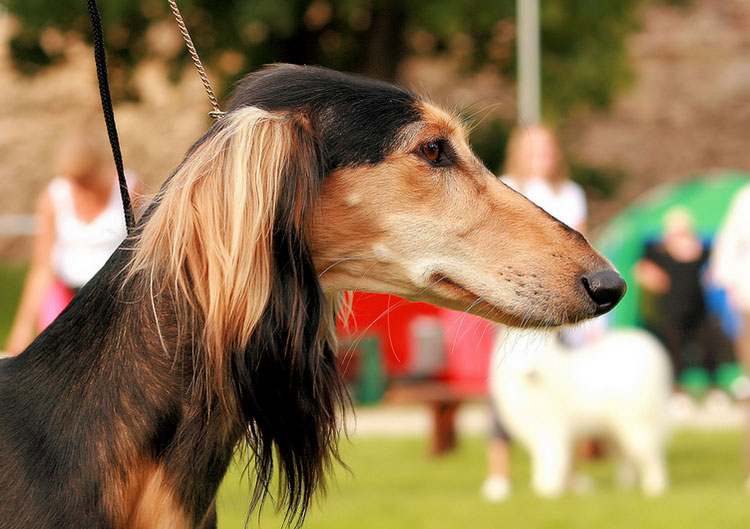
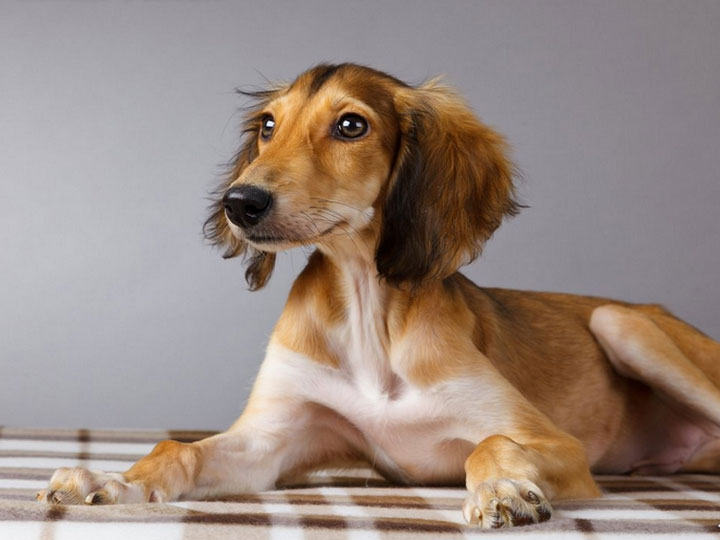
The skull matches the muzzle: long and narrow. The stop is slightly defined. The earlobe should match the coat color: black or brown. The teeth are strong and complete, with a correct bite. The eyes are oval-shaped and brown (light or dark). The ears are set high, mobile, and fairly long. They hang down and lie close to the head when the dog is at rest.
Frame
The neck is flexible, long, and muscular. The length of the body is approximately equal to the height. The chest is moderately narrow, deep, and long. The back is broad and level. The loin is slightly arched. The hips are wide apart. The underline is well tucked up. The tail is long, set low, and carried loosely in a curve. The limbs are long, lean, and angulated correctly, clearly. The feet and toes are of moderate length.
Coat, colors
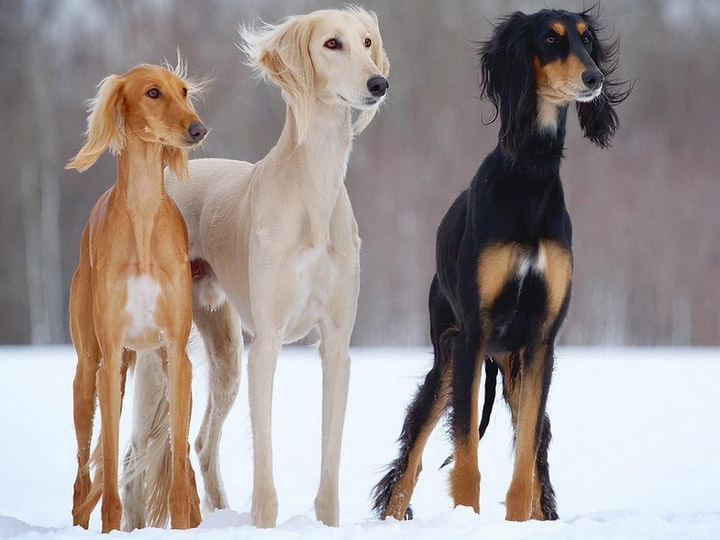
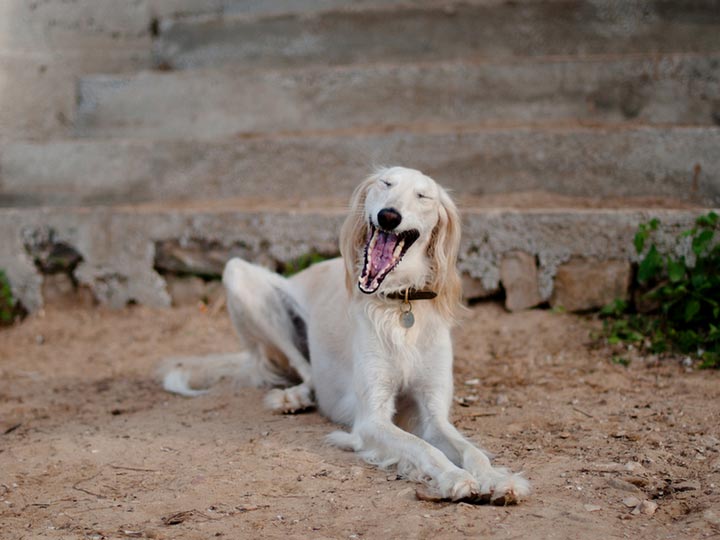
The Saluki's coat is very soft, smooth, and silky. There is no undercoat. The hair is short, with only some specimens having feathering on the ears, tail, chest, and legs, leading to two distinct types of the breed:
- Longhaired;
- Smooth-haired;
Almost any color is acceptable, but brindle is undesirable. The most popular are:
- White;
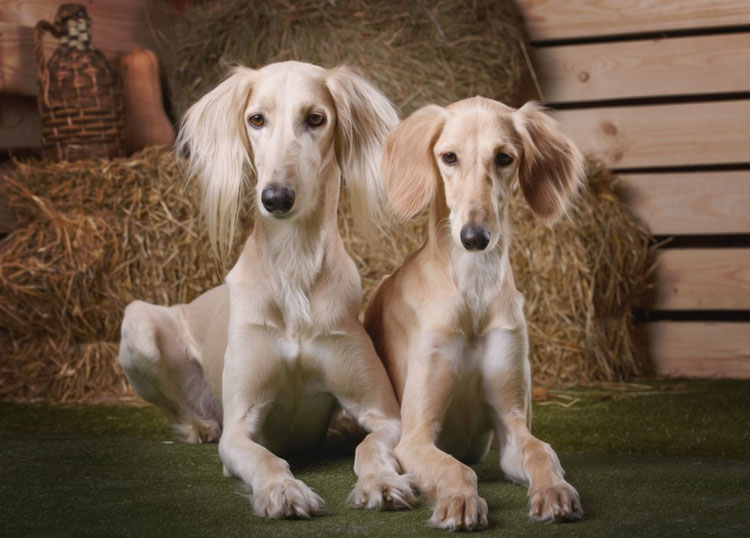
- Pale yellow;
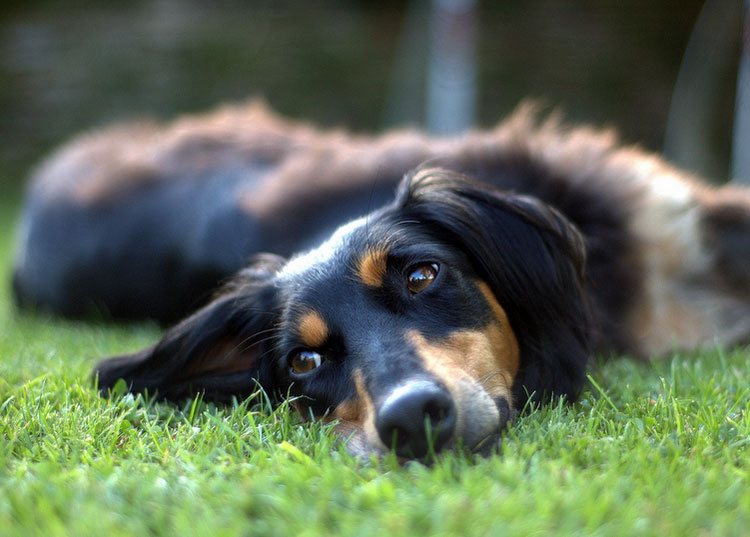
- Black and tan;
- Grizzly.
Character and psychological portrait
Salukis have a very willful, calm, but easily excitable nature. Generally, they are peaceful, friendly, and non-aggressive dogs, reserved in their expressions of emotion, moderately cautious, and curious. They are always self-sufficient and independent, but can be quite stubborn. This is especially evident during the developmental period, up to about two years of age. Salukis are calm or friendly with strangers, but if necessary, they will stand up for themselves or even defend their family.
The Saluki is primarily a sighthound with a well-developed hunting instinct, but it can live peacefully without this activity if the owner devotes enough time and attention to the dog and offers it an activity it enjoys.
Salukis are safe for families with children. They are very gentle and careful with small children. However, it's not recommended to leave a child with a dog completely unsupervised; even a patient Saluki can accidentally cause harm. They will happily play with older children, but are unlikely to see them as an authority figure to obey.
Salukis get along well with other dogs, as long as they don't mind company. They feel more comfortable in company than alone, especially if it's the company of other Salukis. Small animals and birds remain potential prey for a hunting dog, no matter how well trained. Salukis are generally reserved around domestic cats, but will never pass up an opportunity to chase a stray cat.
Training and exercise
The process of training and raising a Saluki will require considerable effort and patience from the owner. This isn't because Salukis are stupid; on the contrary, they are exceptionally intelligent, independent individuals with their own opinions. They quickly learn household rules and adapt to the family's pace of life, but achieving perfect obedience (especially outdoors) is virtually impossible; the dog's will must be respected. This breed can be very challenging for a novice, and the assistance of an experienced trainer may be necessary.
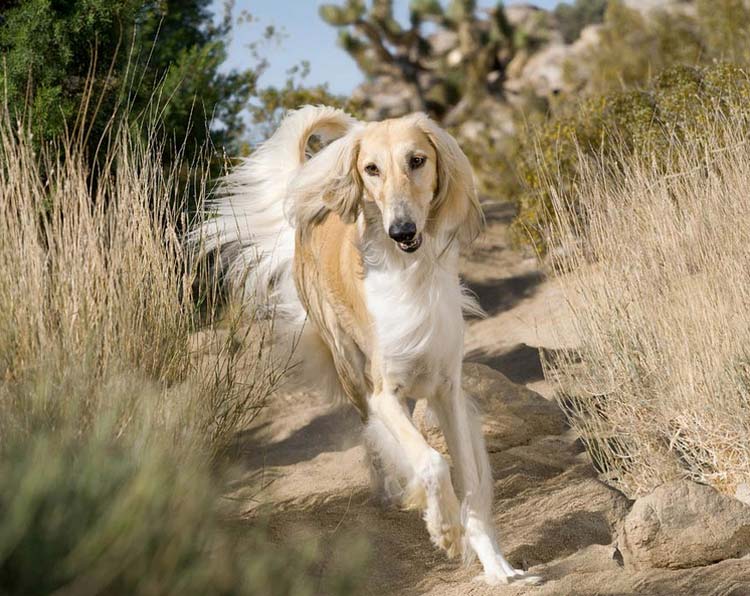
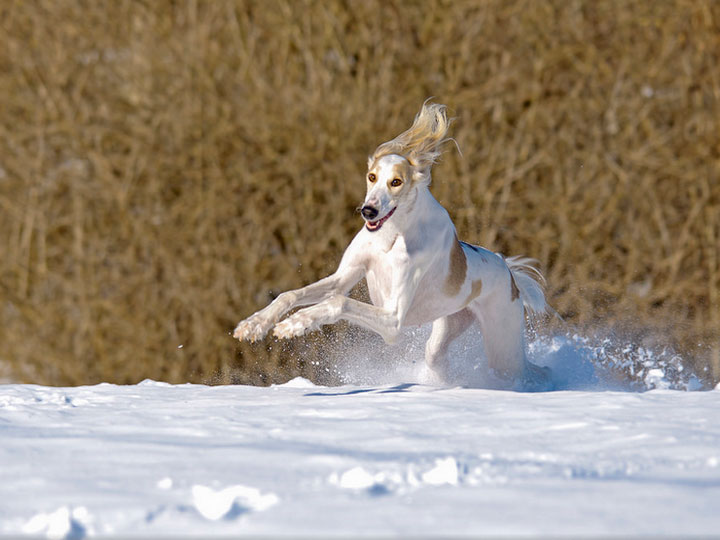
Salukis need to be walked twice, for 40-60 minutes each. You can also make the morning walk short and give them a full workout in the evening. Ideally, the dog should have the opportunity to run off-leash on mixed terrain.
Hunting with greyhounds
Salukis, like other sighthounds, hunt using the "catch and kill" principle. Humans are relegated to the role of spectator in this "duel." All that's needed is an open space, a dog, and a target. The target can be anything that runs and doesn't hunt itself, typically hares and foxes. The Persian Greyhound can pursue game for long periods, but it's also remarkably sensitive to terrain and able to spot obstacles during the chase. For most sighthounds, combining all of these qualities in a single dog is rare. Salukis hunt best in packs of three or four dogs.
These days, this type of hunting isn't very popular, and is even banned in many European countries. As an alternative, dogs are encouraged to participate in coursing or racing.
Content
A Persian Greyhound should live exclusively in a house or apartment. It's not suited for a kennel or a crate. More importantly, there should be a suitable area near the house where the dog can run freely without being hit by vehicles. This could be a park, a forest, or a large vacant lot away from traffic. While it's possible to exercise the dog on a leash, such as on bike rides over mixed terrain, without free range, the dog will definitely be unhappy.
Saluki clothing
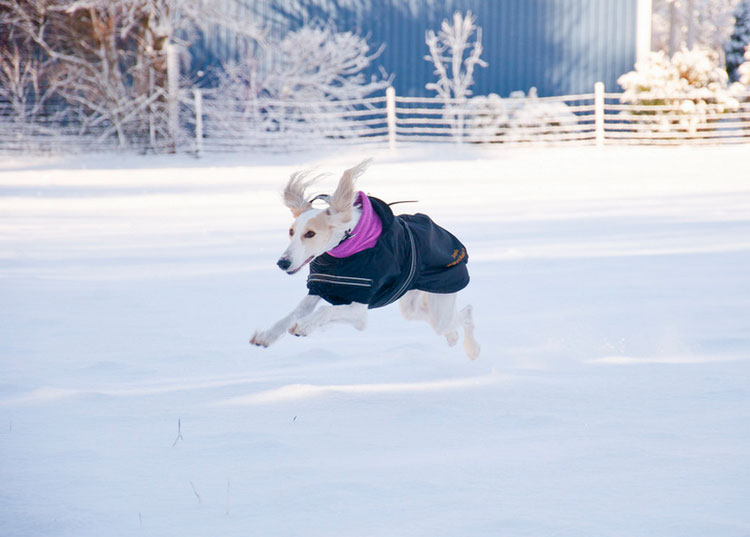
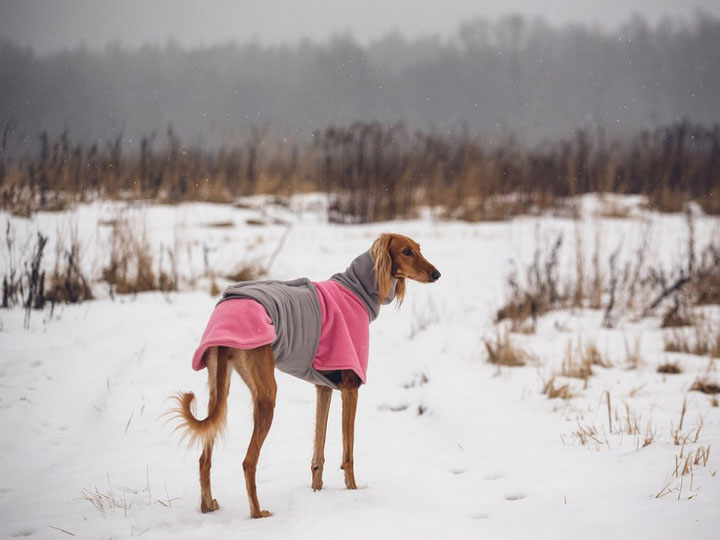
Salukis aren't prone to freezing at the slightest drop in temperature or a breeze, but in rainy and frosty weather, they need appropriate clothing. This can include overalls or blankets, but the key is to ensure they don't restrict movement. In extreme cold, it's also a good idea to protect their ears and paws.
Saluki Care
The Saluki's coat is very fine and soft, so it never smells doggy, but it is less resistant to dust, dirt, and moisture. Bathe the dog weekly with shampoo and conditioner, then thoroughly towel-dry and brush the coat while damp. If your home is cool, you can use a hair dryer on a warm setting. A good massage brush or a special mitt for smooth-coated dogs is suitable for brushing. If mats form very quickly, you should review your dog's diet or change its grooming products. The shampoo should be gentle, and the conditioner nourishing and rich. Incorrectly chosen grooming products can lead to dry hair and mats.
The length and amount of fur on long-haired Salukis is determined by nature. There are no methods for growing it.
In addition to grooming their fur, owners should pay attention to the condition of their ears, eyes, and teeth. It's helpful to accustom your puppy to using a toothbrush and toothpaste from an early age. Eyes and ears should be regularly inspected for dirt and cleaned as needed.
Saluki nutrition
Salukis are generally not picky eaters, allowing owners to maintain a balanced natural diet supplemented with vitamin and mineral supplements. If desired, a complete premium or super-premium dry food is available. Despite their slim frame, Salukis have a very good appetite, but they are not prone to overeating. Salukis can be fed a lower-protein diet than other breeds. However, their diet can be higher in fat, especially in cold weather.
Health, disease and life expectancy
Salukis are considered a genetically pure breed, so they don't suffer from the typical hereditary diseases found in many other dogs. The most common problems are allergies and sports injuries. Cancer can develop in old age. Salukis are often sensitive to anesthesia. Like other dogs, they require routine maintenance. veterinary and preventive measuresAverage life expectancy is 13-15 years.
It's worth remembering that approximately 60% of deaths are caused by road accidents. After picking up a scent and reaching speeds of 50 km/h, a dog can run out onto the roadway and be run over.
Choosing a puppy and price
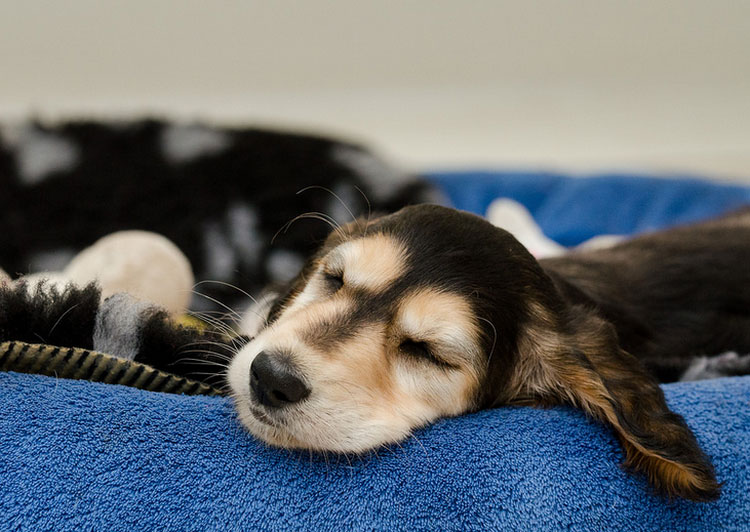
Buying a Saluki puppy on impulse is unlikely. This breed is very rare, and the few breeders who do exist are very demanding of potential owners. They will often refuse to sell a dog if they believe they cannot provide it with good living conditions.
A Saluki puppy with proper papers and a good pedigree costs an average of 40,000 rubles. Importing a Saluki from abroad typically costs twice as much, approximately $1,800-$2,000.
Photos
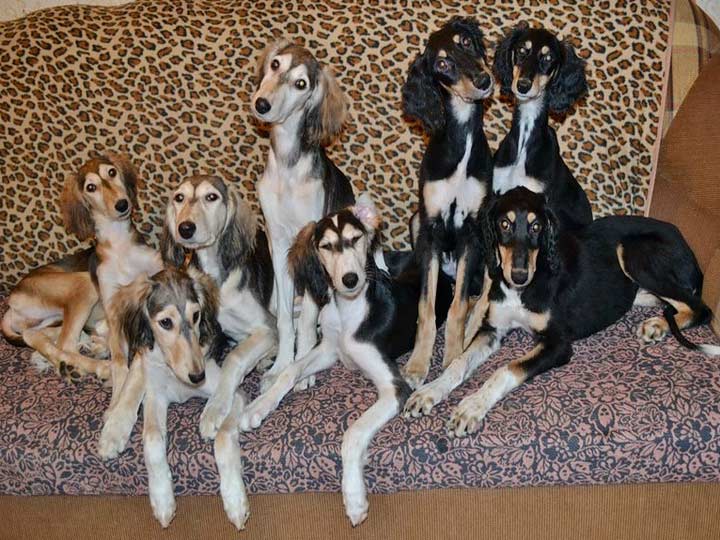
Photos of Persian Greyhound puppies and dogs:
Read also:


Add a comment