
Salmonellosis in cats: symptoms and treatment
Salmonellosis is a group of infectious diseases that affect the gastrointestinal and respiratory tracts, causing severe intoxication. In cats, salmonellosis (also known as paratyphoid fever) most often develops at a young age, with kittens experiencing a much more severe illness. This disease is very dangerous, but it can be prevented by understanding the routes of infection and taking preventative measures.
Content
Pathogen and routes of infection
The disease is caused by rod-shaped bacteria measuring 1-4 µm in size, belonging to the genus Salmonellosis of the Enterobactheriaceae family. Of the 20 members of this family, the causative agents of salmonellosis in cats are S. typhi murium, S. enteritidis, and S. suipestifer. These bacteria do not produce spores but are highly resistant to environmental influences: they can remain viable in soil, floor cracks, and landfills for over a year, in frozen foods for up to six months, and in drinking water for 3-4 months.
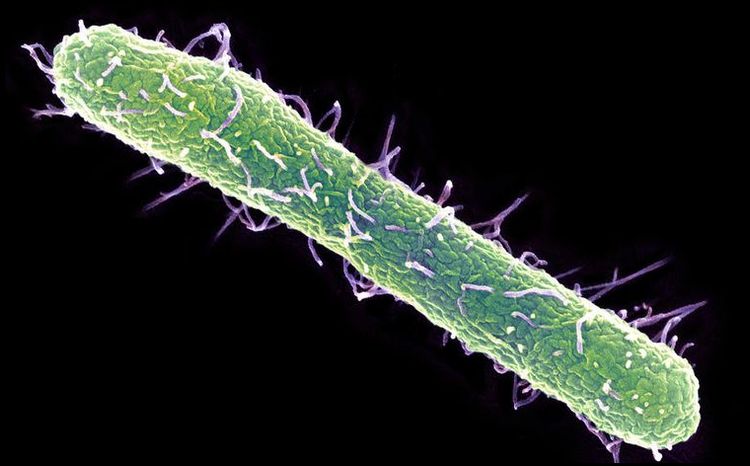
A cat can become infected with salmonella by consuming food contaminated with the bacteria. Milk, meat, or bone meal from animals that have recovered from salmonella pose a particular risk. Infection can also be caused by contact with an infected animal or its feces. Domestic chickens, ducks, and geese, as well as wild animals such as sparrows, seagulls, mice, rats, and moles, can all carry the infection.
Important! Salmonellosis is a zoonotic disease, meaning it affects both animals and humans. Humans can become infected from cats if proper hygiene practices are not followed. A cat infected with salmonellosis must be isolated from other household members and other pets and kept in a separate room.
Symptoms
The incubation period for salmonellosis is usually about 14 days, after which, depending on the severity of the disease, its symptoms begin to appear.
Typical clinical signs in the acute course of the disease:
- depressed state;
- refusal to eat;
- increased body temperature to 40-41°C;
- purulent discharge from the nose and eyes;
- vomiting, constant salivation;
- cough, difficulty breathing due to developed bronchopneumonia;
- watery feces mixed with blood and mucus;
- convulsions.
Without emergency care, the cat may become comatose and die within 2-3 days.
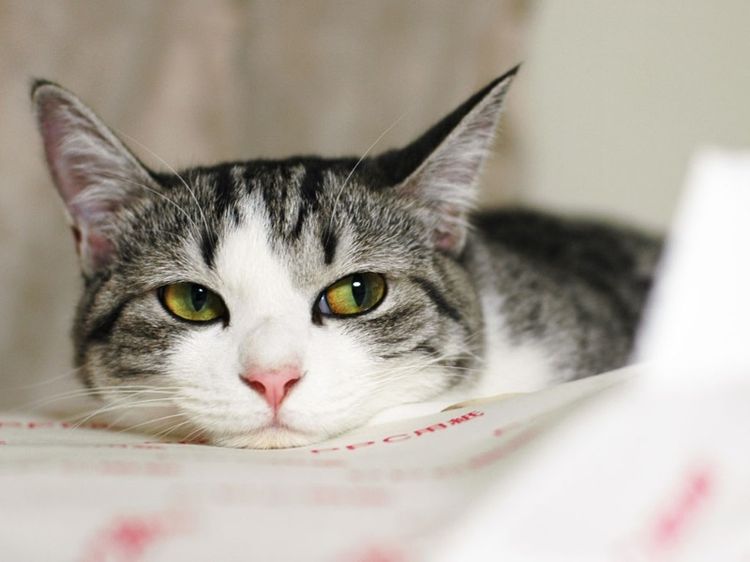
In subacute and chronic salmonellosis, the clinical symptoms are the same, but the disease manifests itself more subtly, so the cat has the strength to "hold on" longer. However, after 1-2 or 3-4 weeks, the animal dies from dehydration and general exhaustion. Signs of significant fluid loss can be seen in sunken eyes and decreased urine output. Signs of anemia include severe weakness, rapid weight loss, and a rapid pulse.
Diagnostics
Self-diagnosis is impossible, as its symptoms are similar to those of other infectious diseases. Therefore, if you notice any of the above symptoms in your cat, you should seek veterinary care immediately. Your veterinarian will prescribe a series of diagnostic tests for your pet, which may include:
- general blood and urine tests;
- bacteriological analysis of blood taken from the animal's ear vein;
- analysis of feces and/or vomit for the presence of Salmonellosis bacteria;
- analysis of the food the cat ate for the presence of the pathogen.
Salmonellosis is easily detected by bacterial analysis. The sample is inoculated into agar-agar and incubated for 6-7 hours in a thermostat. The culture is identified using agglutinating serum. Thus, a diagnosis can be made within 24 hours. This allows for prompt treatment and avoids death.
Treatment
Treatment of salmonellosis in cats involves the following therapeutic measures.
Destruction of the wand
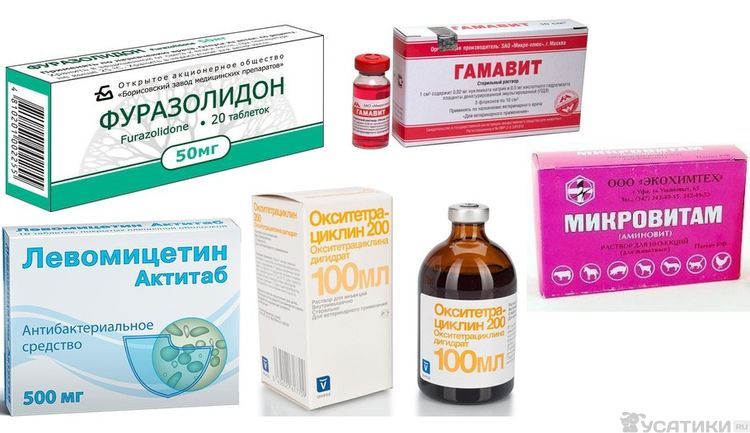
To kill salmonella, broad-spectrum antimicrobials are used. In veterinary medicine, the following are used for this purpose:
- Furazolidone (dosage: 30 mg/kg of animal weight, 2 times a day, treatment course: 7 days);
- Levomycetin (dosage: 25 mg/kg, 2-3 times a day, course of treatment: 7 days);
- Oxytetracycline (0.1-0.3 g/kg of weight, 2 times a day, treatment course 7 days).
Detoxification
To remove toxic products formed during the breakdown of pathogenic microorganisms, detoxifying drugs are prescribed:
- Antitoxin-Vet;
- Gamavit;
- Armalite;
- Divopride;
- Microvitam.
Restoration of flora
To restore the natural microflora of the gastrointestinal tract, probiotic drugs are used. Bifitrilak, Zoonorm, Subtilis, Enterol.
Combating dehydration
To compensate for fluid lost through vomiting and diarrhea and to restore water-salt balance, use 2% glucose solution, hypertonic sodium chloride solution, or isotonic Ringer-Locke solution, which contains calcium and sodium chloride, sodium bicarbonate, and glucose. Since intravenous injections are difficult for cats, these medications are administered subcutaneously, into the animal's scruff.
Important! If your cat hasn't been drinking for more than 24 hours and is producing virtually no urine, nutrient solutions should be administered every 3-4 hours. Once normal urine output is restored, continue administering saline until your cat can drink on its own. Do not use saline solutions to dilute medications!
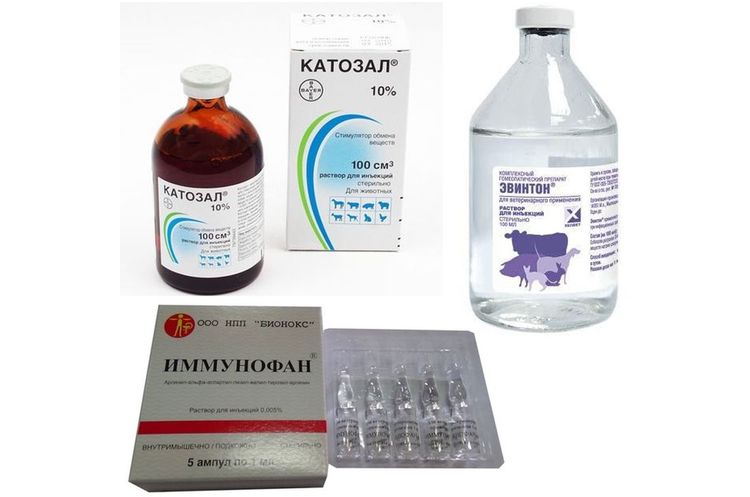
Complex therapy for salmonellosis in cats also necessarily includes a gentle diet using easily digestible food that does not irritate the intestines, as well as general tonics: Gamavit, Katozal, Immunofan, Evinton.
Prevention
The main requirements for the prevention of salmonellosis in cats are the use of high-quality food and compliance with hygienic requirements for keeping animals.
Only safe foods should be chosen for feeding cats. Raw meat, which is a major source of infection, should only be given to cats after it has been cooked. Salmonellosis, which tolerates low temperatures well, dies within 10 minutes at 80°C. It's better to feed kittens acidophilus milk instead of milk.
To prevent your cat from contracting salmonella, limit its contact with stray animals. An effective preventative measure is eliminating rodents from your yard: mice, moles, and rats can be carriers of the infection while remaining healthy.
Read also:
- Leptospirosis in cats: symptoms and treatment
- Hemobartonellosis in cats: symptoms and treatment
- Coronavirus in cats


Add a comment