
Diabetes in cats
Diabetes in cats is considered a rather serious condition. Yet some people believe that animals don't suffer from "human" illnesses. Few pet owners are aware that cats can also get diabetes. But unlike in humans, it can be cured, as long as you catch it early and strictly follow all veterinary instructions.
If you let diabetes in a cat progress, you can ruin its life forever by putting it on insulin injections (though most owners choose to euthanize their pet just to make life easier for themselves). But if you understand why diabetes develops in cats, how it manifests, and how to manage it, you can keep your beloved whiskered friend healthy and alive.
Content
What is diabetes?
Diabetes mellitus is a disease in which pancreatic cells stop producing insulin, or the insulin they produce is not detected by the body's cells. Insulin is necessary for glucose entering the bloodstream to enter the cells.
The body experiences hunger when blood glucose levels are low. Every cell requires this organic compound for intracellular processes. If there's not enough sugar, the body feels tired and lethargic, and tissues starve. And if there's not enough insulin (or the cells stop responding to its "commands"), glucose won't enter the cells, but instead circulates throughout the body in the blood.
Types of diabetes

Humans have two types: insulin-dependent (type I) and non-insulin-dependent (type II). Dogs and cats have more types—three, to be exact. But again, diabetes in dogs differs from that in cats. But now we'll talk about cats.
First type
As in humans, this type is insulin-dependent diabetes (IDDM). If an animal has this type of diabetes, its pancreas is not only unable to produce insulin, but some of the cells responsible for this function have "died." Therefore, it's safe to say that the pancreas is destroyed in IDDM.
Unfortunately, owners only suspect diabetes when the pancreas is severely damaged. But there's good news: type 1 diabetes is extremely rare in animals.
Second type
Unlike type 1, which requires insulin therapy (if the pancreas doesn't produce the hormone), type 2 diabetes in cats is considered non-insulin-dependent (NIDDM). This form of diabetes is found in 70% of affected animals.
The good news is that with the right approach (consultation, regular examinations, effective VETERINARY medications) the animal can be completely cured.
Insulin is either not perceived by the cells, or very little of it is produced and it is not enough for the complete absorption of glucose.
The third type
Animals also have a third type. This type of diabetes develops in cats after an illness (especially if there's a chronic condition that has led to pathological processes in the pancreas or metabolic disorders). However, once a pet suffering from a chronic illness is treated, their blood glucose levels will return to normal.
What happens in the body of a cat with diabetes?
Understanding the mechanism of diabetes immediately reveals the symptoms an animal will experience. In fact, it's much simpler than it might seem at first glance.
Glucose enters the bloodstream. Normally, with the help of insulin, it enters the cells, saturating them and providing energy. When blood glucose levels become low, we feel hungry, and the same applies to animals. However, if a pet doesn't produce insulin or the cells don't respond to it, glucose doesn't enter the cells. Naturally, the tissues remain "starved," and all cellular processes slow down or stop.
Moreover, high glucose levels cause the blood to thicken. The body is designed in such a way that if the blood is thick, cells release their moisture to facilitate and speed its movement through the vessels. As a result, tissues become dehydrated. This causes increased thirst in animals. They need to regenerate their cells, which is why they need to drink a lot.
Urination also increases due to the large amount of water consumed (despite the fact that most of it is absorbed by the tissues within the body). Frequent urination is also associated with the fact that excess glucose needs to be removed from the blood, which is "filtered" through natural filters—the kidneys. Normally, they will not allow either proteins or glucoseBut when its levels become excessive, the animal's only salvation is to eliminate it by any means necessary. Therefore, if blood and urine samples are tested, the sugar detected serves as an "indicator" of diabetes in cats (dogs, humans).
But where do ketone bodies and the smell of acetone come from?
This is a very dangerous process in the body, which will be followed by destruction of the brain, coma and death of the animal.
Since glucose doesn't enter the cell, it remains "hungry" and exhausted. But it needs organic matter for its "internal processes" and energy production. Where does it get it? By breaking down fats, since carbohydrates can't be digested. But one of the byproducts of fat breakdown are ketone bodies. This is why the animal smells like acetone. And the ketone bodies themselves begin to circulate in the blood throughout the body, poisoning everything they "reach."
Causes of diabetes in cats
Next, we will look at the traditional causes of diabetes in cats.
- Improper nutrition. It not only leads to hair loss, vomiting or diarrhea, but also various digestive problems (gastritis, ulcers, enteritis, pancreatitis), but also metabolic disorders. And this leads to diabetes. In general, the consequences of poor nutrition could be discussed at length.
- Heredity. It's no secret that a predisposition to diabetes is passed down from parents to their children.
- Obesity. This is more of a predisposing factor. After all, excess weight is a consequence of metabolic disorders.
- Physical inactivity. If an animal doesn't move enough, excess weight quickly accumulates. As you can see, almost all the causes are closely related.
- Chronic stress. Again, stress can cause digestive problems. Because of stress, cats don't want to move, but instead eat. This, in turn, leads to obesity and metabolic changes.
- Viral infections, especially those that affect the digestive tract and lead to pancreatitis (inflammation of the pancreas) and hepatitis (inflammation of the liver).
- Chronic diseases of internal organs.
- Hormonal therapy. Caution is essential when using hormones. Unsupervised use of such medications without veterinary supervision is very dangerous and can lead to changes in overall hormonal levels. Besides diabetes, your cat may have other health issues.
Symptoms of diabetes in cats
Let's look again at the symptoms of diabetes in cats depending on its type.
First type
With type 1 diabetes in cats, the most obvious symptom is extreme thirst. They constantly run to the water bowl. They also visit the litter box just as frequently. It's a vicious cycle: drinking, peeing, drinking again, and then back to the litter box. Unlike bladder or kidney disease, urination is painless.
The cat loses a lot of weight (although it doesn't always refuse food; often the cat has a ravenous appetite), the fur becomes dull and falls out.
But a clear sign of diabetes mellitus (type 1) in cats is the smell of acetone (from the mouth, urine, even skin). This is known as ketoacidosis (how it develops is described above).
In addition to the acetone smell, there will also be an unsteady gait, vomiting and diarrhea, and a racing heart. This symptom is extremely life-threatening and requires immediate veterinary attention.
Second type
Key symptoms of type 2 diabetes in cats:
- The appetite is increased, due to which weight is gained very quickly.
- The thirst is constant and urination is frequent.
- However, there will be no acetone smell with this type.
Often, owners don't even realize their pet is sick and continue to overfeed or feed it improperly until they finally get tests done at the clinic. That's why it's important to visit your veterinarian at least once a year for a preventative checkup. A blood and urine test will immediately reveal whether your cat has diabetes. A good veterinarian will perform multiple blood tests to be absolutely certain that high glucose levels are due to a lack of insulin, not stress or food surreptitiously eaten without the owner's knowledge. However, glucose in the urine is a clear indicator of underlying problems.
The third type
Symptoms are often mixed and depend on the underlying disease that caused this form of diabetes.
Treating a cat with diabetes
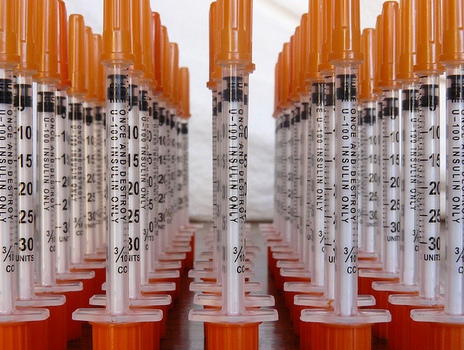
The most important thing is that the treatment of a cat with diabetes mellitus is cannot be carried out with "human" drugs.
- Firstly, many of them are simply not suitable for animals.
- Secondly, they are not effective against pets.
| First type | Rapid-acting insulin (injectable) is used to treat animals suffering from type 1 diabetes. However, if the problem is that the cells are unable to absorb the hormone, the approach is different: medications must be selected empirically, monitoring the cat's condition over time. This treatment is expensive and lifelong. Not all owners are willing to undergo it. |
| Second type | This one is a bit simpler. You'll need long-acting insulin. It's gentler, and it's not always administered intramuscularly. There are also oral insulin alternatives. They lower glucose levels slowly (not abruptly). |
| The third type | The first step is to address the underlying cause. Eliminate it, and your cat's diabetes will disappear. |
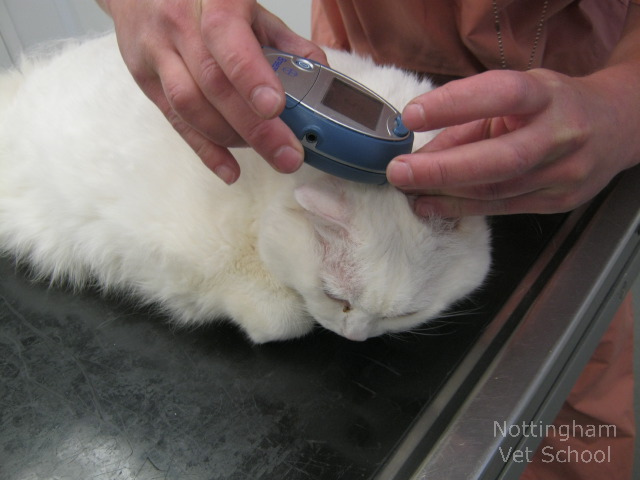
Treating a cat for diabetes should always be supervised by a veterinarian. There are severe cases where the standard regimen is ineffective. These are extremely rare, but they do happen. For example, when a cat has a true insulin resistance, or the so-called Somogyi effect (blood sugar drops sharply and then spikes just as quickly). Or, if the cat has a very rapid metabolism, the administered insulin will be eliminated almost immediately. Sometimes, the animal has insulin antibodies, which can be particularly serious.
But there are also common reasons why treatment doesn't work. This can happen when the medication itself was improperly stored or administered. Or if other hormones are being administered in addition to insulin. It can also happen if the cat still has underlying medical conditions. Diet therapy is essential for any type of diabetes. Without it, you'll have to constantly administer insulin and its analogs.
Diet therapy
The diet should consist of protein foods and a minimum of carbohydrates!
After all, it's the breakdown of carbohydrates that causes a surge in blood glucose. Proteins, on the other hand, don't cause such a sharp spike, and blood sugar levels remain within normal limits. Of course, completely eliminating carbohydrates isn't possible, as even small amounts are present in almost every food. And a protein-only diet is dangerous. Your kidneys will fail, and your metabolism will slow down even further. As a result, your diabetes will worsen.
Almost all veterinarians recommend switching their cats to a ready-made dry therapeutic super-premium food or a holistic food suitable for diabetic animals. It's a balanced diet.
Another important point: you'll have to feed her often!
Do you know the essence of fractional feeding? It's about feeding small, frequent meals. Firstly, this way the animal will always feel full. Secondly, blood glucose will rise slowly. Thirdly, fractional feeding helps speed up metabolism, which leads to recovery. The frequency of feeding is determined by your veterinarian. Everything is calculated individually, based on the severity of the condition.
Insulin is administered during feeding (a liquid preparation that can be given orally is convenient) or immediately after.
A very detailed webinar on treating diabetes in cats (video):
Preventing diabetes in cats
Be careful what you put in your cat's bowl.
Don't overfeed. Don't feed too many carbohydrates. Meat or fish alone (especially raw) is also a no-no, as it impairs metabolism (causing not only diabetes but also kidney stones). No sweets! Even if your cat loves sweets, never give them candy, chocolate, or ice cream. These are poisonous to healthy animals, and should only be given to diabetics to quickly raise their blood glucose levels (if their blood glucose levels are close to zero and the animal loses consciousness).
More walking and movement
Pets need to be active, especially after eating. This is good for their bowel movements (preventing constipation), digestion, and overall health.
Pedigree
When choosing a pet, you should definitely inquire about its parents. It's all about genetics, after all. A ton of diseases and predispositions to them are inherited.
Preventive annual examinations with a veterinarian
Provide blood and urine for analysis. Donate blood only on an empty stomach! Only water is allowed. Otherwise, blood sugar will be elevated. Furthermore, the examination may reveal advanced or latent inflammatory processes (including in the pancreas).
Don't self-medicate! Under no circumstances! Even if you think this medication can help, it can actually permanently damage your pet's health! And this applies not only to hormonal medications. Many owners don't even realize that paracetamol, although relatively safe for us and children, is extremely dangerous for cats even in small doses (it leads to renal failure and a slow and painful death).
If you have any questions about diabetes in cats, please leave them in the comments. We'll do our best to answer them!
Read also:
- Diabetes in Dogs: Symptoms and Treatment
- Elevated Creatinine in a Cat: What Does It Mean and What to Do?
- Diabetes Insipidus in Dogs: Symptoms and Treatment


Add a comment