
Diabetes in Dogs: Symptoms and Treatment
Diabetes mellitus is an endocrine disorder caused by a deficiency of insulin, an anabolic hormone that facilitates glucose utilization. If the pancreas produces insufficient amounts of this protein hormone, glucose enters the body's tissues slowly, and most of it remains in the blood. This condition is known as hyperglycemia and is accompanied by disruption of all metabolic processes.
Cats and dogs are just as susceptible to diabetes as humans. Although there's no complete cure for this condition, if you follow all your doctor's instructions and adjust your dog's diet accordingly, your dog can live a full life.
Content
Reasons for development
Factors that can trigger diabetes in dogs include:
- Age. In older dogs, the activity of metabolic processes decreases, including those associated with glucose absorption.
- Floor. Due to changes in hormonal levels during pregnancy, heat, and childbirth, female dogs suffer from diabetes much more often than male dogs.
- Pancreatic pathologies (exocrine insufficiency, pancreatitis).
- Heredity. Dogs whose parents had diabetes remain predisposed to the disease.
- Breed. Signs of diabetes are more common in small breed dogs: pugs, spitz, terriers, miniature schnauzers, and poodles. Large breeds predisposed to the disease include retrievers, setters, and collies.
- Unbalanced diet. Dogs are at higher risk of developing diabetes with obesity, whose diet is dominated by animal fats and contains little protein.
Symptoms
There are two types of diabetes. In the insulin-dependent form, the anabolic hormone is produced in insufficient quantities. Non-insulin-dependent diabetes develops when the hormone is produced in normal quantities, but due to a disruption in its interaction with tissue cells, it ceases to regulate metabolism.
You can suspect that your dog has diabetes if it exhibits:
- lethargy, apathy, unwillingness to play and go for walks;
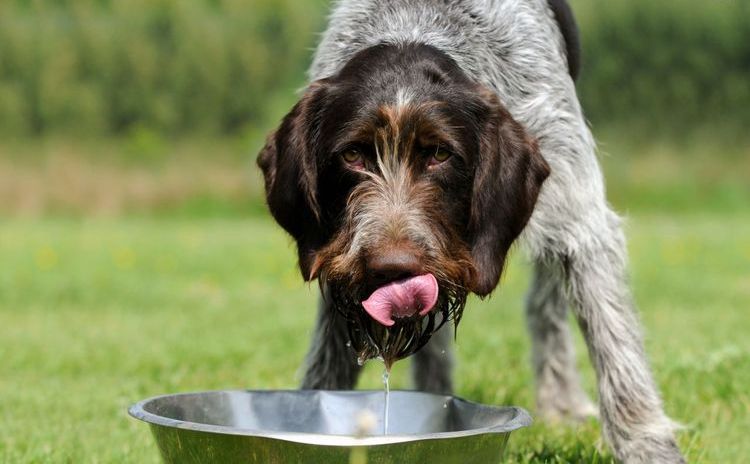
- persistent intense thirst (polydipsia);
- increased appetite, even to the point of gluttony, against the background of significant weight loss;
- abundant and frequent urination (polyuria);
- sour smell from the mouth;
- dry skin, dull coat, signs of alopecia.
As the disease progresses, clouding of the lens of the eye, hepatomegaly (enlarged liver), and slow healing of scratches and wounds due to low blood clotting may be observed.
If you notice several of the symptoms described above in your dog, do not rush to make a diagnosis yourself; these signs are also characteristic of other diseases:
- severe thirst - in case of kidney dysfunction;
- frequent urge to urinate - with cystitis;
- exhaustion with a good appetite - with helminthiasis.
In addition, there is diabetes insipidus, when the body doesn't respond to vasopressin, an antidiuretic hormone that regulates fluid levels in tissues. This condition produces virtually the same symptoms as diabetes, but is treated differently.
Diagnostics
To correctly diagnose a dog with suspected diabetes, in addition to examining the animal to identify the characteristic signs of this disease, a number of tests will be required:
- urine test for the presence of ketone bodies (acetone);
- quantitative analysis of blood sugar levels (glucometry);
- blood test for protein and hemoglobin A1C levels;
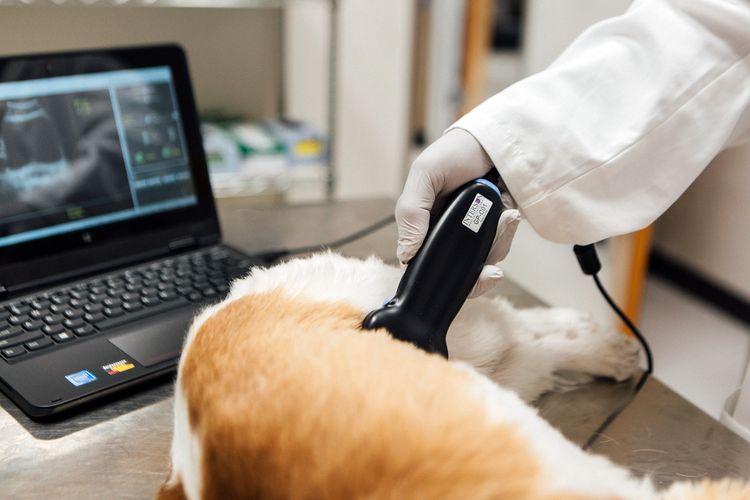
- sonography (ultrasound examination) of the pancreas.
Treatment and prognosis
Treatment methods for diabetes in dogs depend on the type of endocrine disorder and the animal's age. The goal of therapy is to eliminate symptoms and normalize glycemic control (a glucose level of ≤ 8-10 mmol/L is considered normal). Optimal blood sugar levels are maintained with insulin injections, which will be administered throughout the pet's life.
The medication dose is individually titrated, starting with the minimum. The veterinarian monitors glucose levels over several days, and sometimes weeks, and observes the dog's condition, urination frequency, appetite changes, and the return of activity and normal weight. Once the optimal insulin dosage is reached, the main symptoms of diabetes are relieved.
Usually, glucose levels are brought to the upper limit of normal to eliminate the risk development of hypoglycemia(a drop below normal), which is no less life-threatening than hyperglycemia, when sugar levels exceed normal.
Insulin is administered to dogs using a reusable needleless injector or a disposable insulin syringe. The needle is inserted into a fold of skin on the withers, chest, or abdomen.
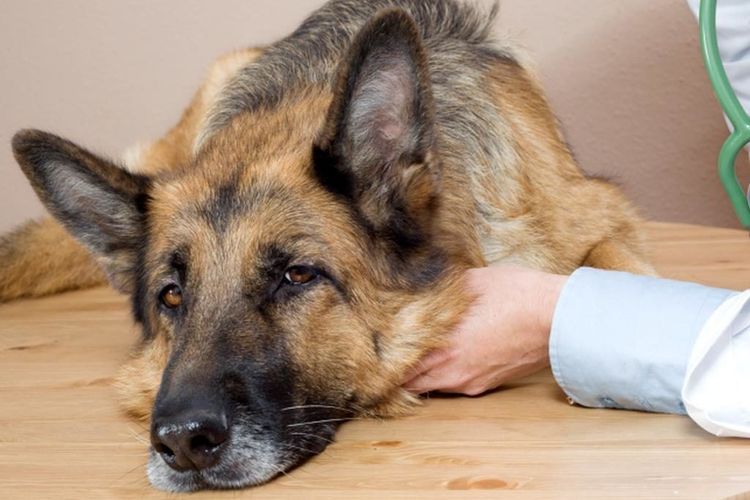
A diabetic dog's blood sugar may drop from time to time. Signs of this may include weakness, an unsteady gait, convulsionsIf hypoglycemia occurs, provide immediate assistance: if the dog is conscious, feed it and give it water, then slowly administer the contents of 1-2 ampoules of glucose solution into its cheek, drop by drop. If the dog is unconscious, place a small amount of sugar or honey on its tongue.
Diet
A diabetic dog's diet should include foods low in carbohydrates but high in protein. If your dog is on a home-cooked diet, the main foods should be poultry, lean beef, fish, and vegetables. Excluded from the diet are:
- animal fats;
- white rice and other high-carbohydrate grains;
- sugar-containing treats;
- raisins and grapes.
Veterinarians recommend purchasing prepared foods designed for diabetic dogs that are balanced in energy value and nutrients, high in protein, and contain additives that help stabilize glucose levels.
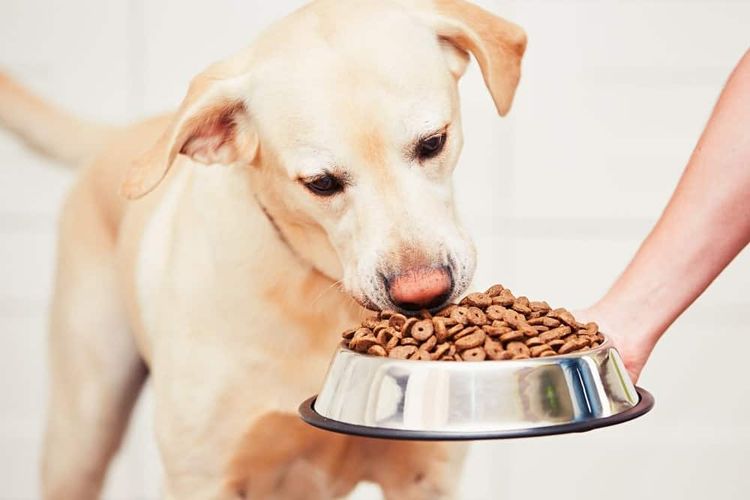
Wet foods contain meat, poultry, liver, vegetable fiber, vegetable oil, the sulfonic acid taurine, the amino acid L-carnitine, minerals, vitamins, and seaweed-derived polysaccharides. The best in this category are:
- Royal Canin Diabetic LC Dog Cans pate, made in Austria;
- Royal Canin Diabetic Low Carbohydrate canned food and pates, manufactured in France and Poland;
- Royal Canin Satiety Weight Management Canine Cans, manufactured in France.
Grain-free dry food for diabetic dogs is made from dehydrated (dried) meat, liver, chicken and fish oil, dried vegetables and fruits, legumes, and yeast extract. Croquettes received high praise from experts:
- Brit VD Diabetes Dog, manufacturer - Czech Republic;
- Hill's PD Canine Metabolic, manufacturer - Netherlands, Czech Republic;
- Royal Canin Diabetic Dog, manufacturer ― France, Poland.
Preventive measures
Protecting your dog from a serious condition like diabetes is entirely possible. If your pet is prone to obesity, it's best to switch them to a low-calorie diet. Their diet should be high in protein and low in carbohydrates. Spaying your female dog will prevent her from experiencing hormonal fluctuations. Physical activity—daily walks, playtime, and training—is an excellent way to maintain health and prevent any illness.
Diabetes in dogs: veterinarian's advice
Read also:
- Blood sampling for dogs at home: cost
- Oncology in dogs: symptoms and treatment
- My dog's ears are bleeding: cause and treatment


Add a comment