
Sakhalin Husky (Karafuto-ken) is a dog breed
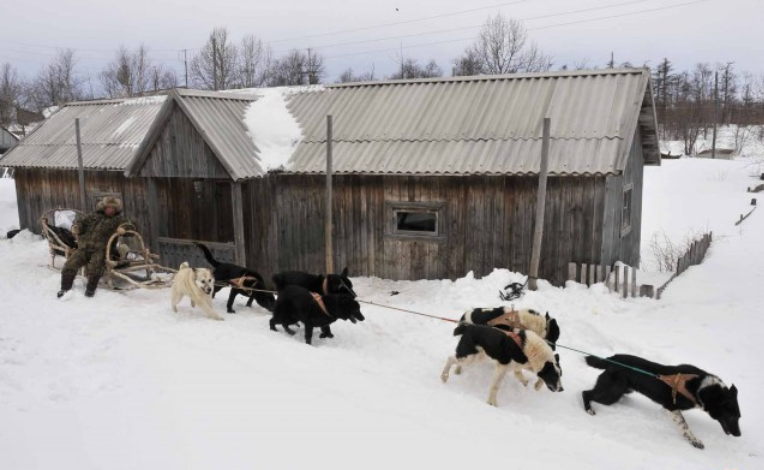
The Sakhalin Husky is one of the oldest breeds, developed as working sled dogs. Other names include the Sakhalin Laika, Gilyak Dog, and Karafuto Ken (樺太犬), which translates from Japanese as "Sakhalin dog"—all of which more than accurately reflect their area of origin.
Content
Appearance and character
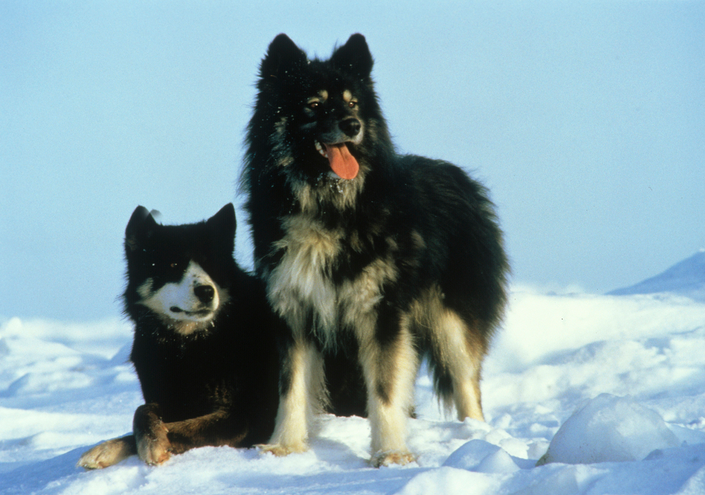
Sakhalin Huskies are a Spitz breed, believed to be closely related to the Akita Inu and Japanese Spitz. Their height at the withers ranges from 56 to 66 cm, and they weigh up to 40 kg. All dogs are distinguished by strong bones and well-developed, powerful muscles. They come in a wide variety of colors, including solid, spotted, and brindle.
Sakhalin Laikas are dogs with a high level of intelligence, extraordinary courage, devotion to their owners, and simply astonishing endurance. Their temperament is calm and unperturbed. The Nivkh people used Sakhalin Laikas for bear hunting and sea hunting, but they were primarily used as sled dogs.
The importance of Sakhalin Laikas
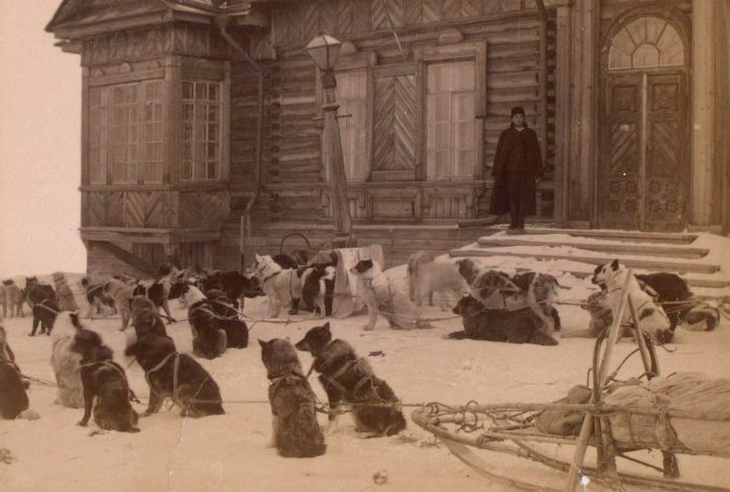
From the 1920s to the 1940s, Gilyak sled dogs were successfully used in the Red Army. They were considered among the best military dogs due to their unwavering character and calm, unhurried movements, which were mistaken for sluggishness. Their exceptional endurance and undemanding nature are worth mentioning again, as is the fact that in winter, the Nivkhs fed their dogs dried fish once a day—or rather, not even a whole fish, but only the backbone.
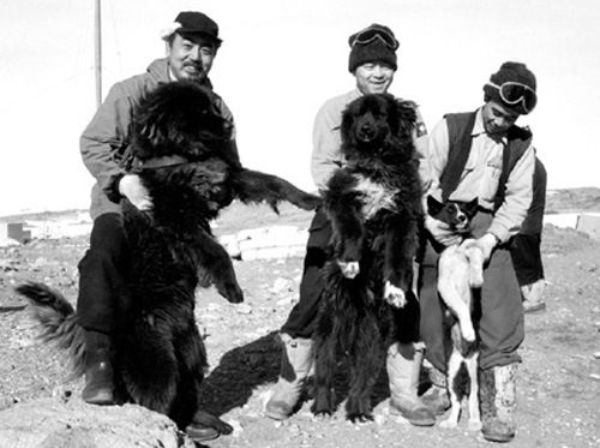
In the late 19th and early 20th centuries, these dogs were the best sled dogs, and therefore actively participated in various expeditions, including international ones. Sakhalin Laikas were purchased for Robert Scott, and his musher on the expedition was Dmitry Girev, a Sakhalin native. Gilyak Laikas also participated in the first Japanese expedition to Antarctica.
Today, Sakhalin Huskies are on the verge of extinction; only a few breeders remain in the world, in Sakhalin and Japan, who are trying to preserve the population.
The story of one expedition
When the Japanese abandoned the previously inhabited part of Sakhalin, they took several four-legged helpers with them. In Japan, these dogs became known as Karafuto-ken. In 1956, the Japanese selected 15 of what they considered the best dogs for an expedition to the South Pole, which earned the Sakhalin residents worldwide fame.
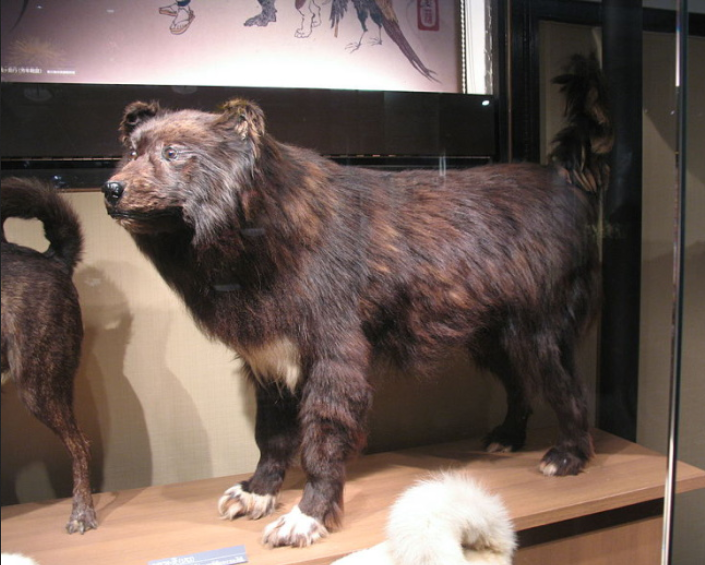
The expedition proceeded according to plan, but due to an unforeseen setback, the scientists were unable to retrieve the dog sled for the return journey, leaving the animals in the snow, doomed to die. This decision met with public outcry in Japan. Eleven months later, the expedition members returned to the site where they had abandoned the dogs and were shocked: five of them had died without breaking free from their leashes, eight had disappeared without a trace, and two more—brothers Jiro and Taro—had survived! Their fates soon diverged. Jiro died two years later during another expedition, and Taro was taken to Hokkaido University, where he lived until he was 20. Their stuffed figures are on display in museums. Taro remained in Hokkaido, and Jiro (pictured) stands in the Tokyo National Science Museum next to a stuffed Akita Inu, Hachiko.
The Japanese made a film about these events called "Antarctica," which was later remade by the Americans and renamed "White Captivity," with Canadian Laikas playing the role of Karafuto-ken.
Reason for disappearance
Dogs served humans faithfully until it was discovered they were eating valuable fish species destined for export. The indigenous peoples of Sakhalin ate primarily salmon fillets, and the dogs, as mentioned above, were left with the backbones. But someone decided the animals were eating away at the workers' hard currency income. Dogs were shot, and people were relocated to horses and moved from tents to houses.
There was also some inept "improvement" of the breed. Several northern Laikas were lumped together to form a single breed called the "Far Eastern Laika," but the result was a standard for a yet-to-be-existent Far Eastern Laika, while the actual breeds were deemed "non-existent." This led domestic cynology to a dead end and led to the extinction of several local sled dogs.
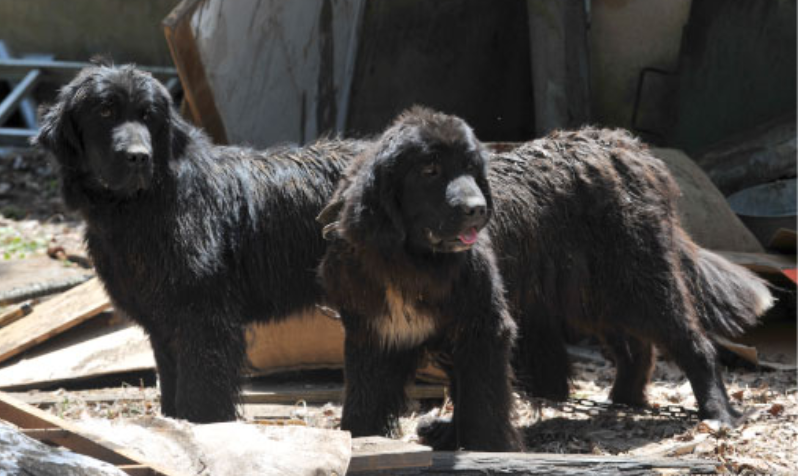
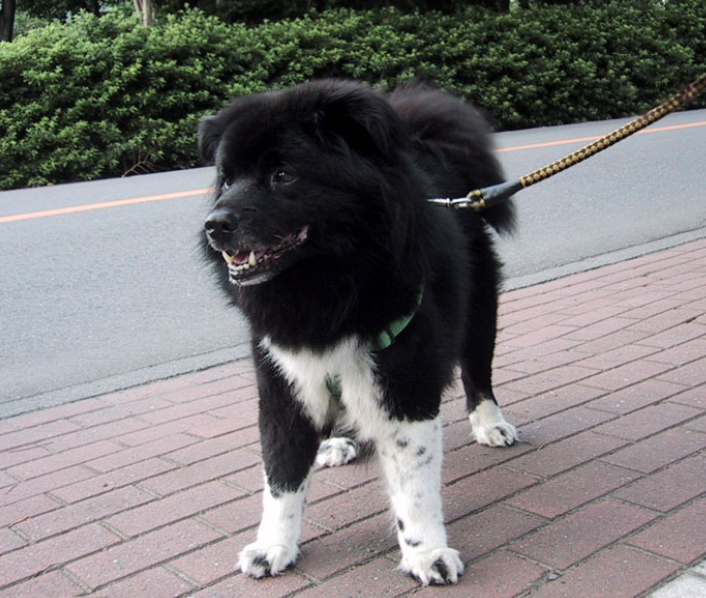
Photos of the Sakhalin Husky breed:
Read also:


Add a comment