
Fish oil for dogs: dosage, benefits, and harm
For normal development, animals require a diet containing not only sufficient nutrients—proteins, carbohydrates, and fats—but also vitamins, minerals, and other beneficial components. Certain foods, particularly fatty fish, are contraindicated for dogs, so to ensure they receive the beneficial substances found only in these types of fish, they require special supplements. One dietary supplement essential for dogs is fish oil, a product made from ocean fish: salmon, mackerel, trout, herring.

Content
Fish oil, its composition and beneficial properties
Fish oil is a mixture of glycerides, an oily yellowish liquid with a distinctive fishy odor and taste. It is obtained from fish carcasses and livers by heating or steaming. The main benefit of fish oil for dogs is its exceptional content of aliphatic carboxylic acids, which serve as the building blocks of cellular lipids. Most marine fish feed on algae, which are a source of natural fatty acids.
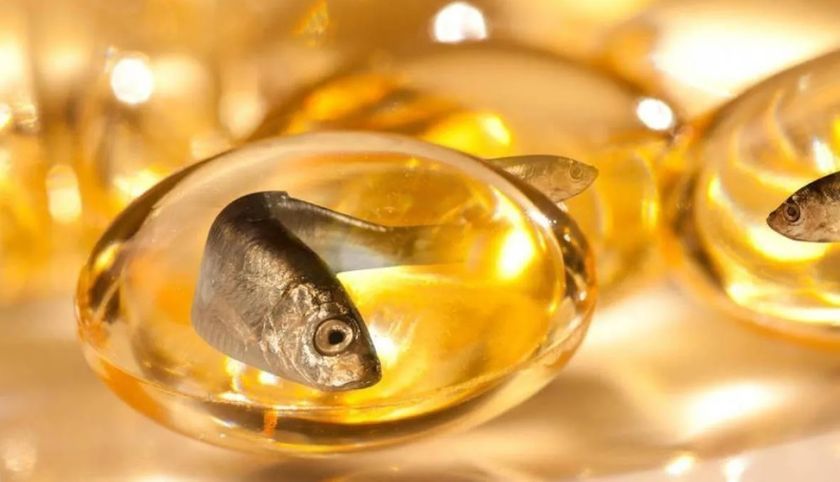
This dietary supplement contains:
- The polyunsaturated amino acid groups Omega-3 (alpha-linolenic, thymnodonic, nervonic) and Omega-6 (linoleic, gamma-linolenic, arachidonic) are involved in the immune response, support metabolism, and are components of cell membranes. A deficiency of these substances in the body leads to decreased immunity, slower tissue regeneration, and an increased risk of dry dermatitis.
- A group of polyunsaturated amino acids. The main ones are the carboxylic acids palmitic and oleic, which stimulate the secretion of digestive enzymes and are involved in the distribution and use of energy by cells.
- Vitamin A (retinol) is involved in maintaining immunity, intercellular communication, and reproductive function. A deficiency in dogs can result in impaired eye adaptation to darkness, dry skin, and brittle fur.
- Vitamin D (ergocalciferol) regulates the absorption of calcium and phosphorus and their transport into bone tissue. A deficiency of this vitamin can lead to increased bone fragility, poor coat condition, and tooth loss.
- Vitamin E (tocopherol) – its primary function is to protect cells from the destructive effects of free radicals. Tocopherol deficiency negatively impacts the immune, nervous, and cardiovascular systems.
- Microelements chromium, iodine, phosphorus, calcium, potassium, iron, zinc are involved in protein and lipid metabolism, hematopoiesis, and the functioning of the immune system.

Given the above, the answer to the question of whether dogs can take fish oil is always yes. Veterinarians recommend using this unique supplement starting in puppyhood. Regular intake of fish oil helps:
- increasing immunity;
- normalization of all types of metabolic processes;
- improving the condition of the skin and coat;
- strengthening teeth, bones and muscles;
- sharpening of vision;
- prevention of the development of cardiovascular diseases;
- prevention rickets in puppies and slowing down degenerative changes in the musculoskeletal system in older dogs.

However, a veterinarian should prescribe fish oil to a dog. When calculating the dosage, the animal's age, weight, and breed-specific requirements for polyunsaturated amino acids must be taken into account. Fish oil is especially necessary for dogs during the autumn and winter, when their immune systems are typically weakened.
Contraindications and side effects
Side effects from fish oil in dogs are rare, mostly due to overdose. Excessive amounts of carboxylic acids can cause nausea, vomiting, gastrointestinal disturbances such as diarrhea, loss of appetite, thirst, and increased urine output. Apathy and drowsiness are also possible. Some dogs using fish oil capsules may develop an allergy to cow's milk gelatin, resulting in dermatitis or rhinitis.
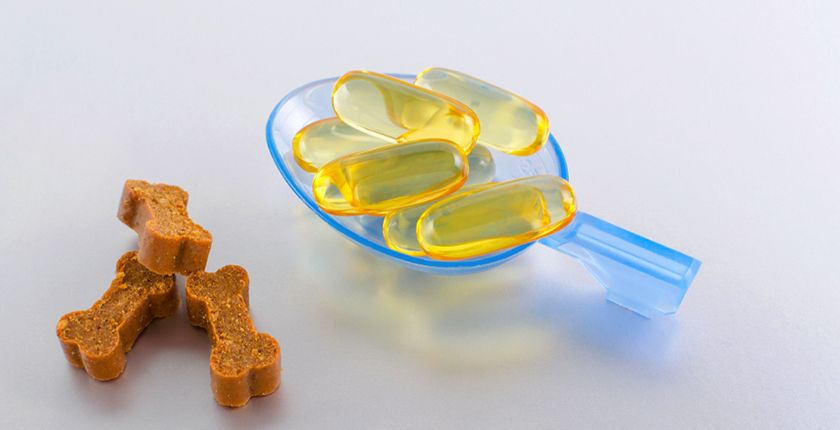
Contraindications to the use of fish oil for dogs include:
- individual intolerance to the components of the dietary supplement;
- intestinal diseases (acute or chronic, in the acute stage);
- diagnosed kidney or liver pathologies;
- urolithiasis;
- the presence of malignant neoplasms.
Do not combine fish oil with other dietary supplements: an excess (overdose) of bioactive substances can harm your pet's body.
Dogs weaned on prepared foods usually do not require fish oil—most dry kibble and canned dog food contain all the vitamins, minerals, and carboxylic acids necessary for the animal's body.
Release forms
Veterinary fish oil (in foreign classification this product is called "salmon oil") is produced in bottles and gelatin capsules.
The liquid form of the dietary supplement is attractive due to its low price: a 0.5-liter bottle costs approximately 200 rubles. The disadvantage of this form of release is the rapid loss of the beneficial properties of the supplement after opening, as well as the possibility of harmful impurities if cheap raw materials are used in production.

Capsules are easier and more convenient to administer in terms of dosage, and their hermetically sealed packaging preserves their contents for longer. However, the absorption rate of active ingredients in capsules is somewhat slower, so they should be purchased from a veterinary pharmacy rather than a regular pharmacy. Humans and dogs have different stomach acidity, so the capsule shells have different compositions. A blister pack of 10 veterinary fish oil capsules costs 18-20 rubles.
When purchasing fish oil for your dog, pay attention to the product's quality. The raw materials should be highly purified, as specified in the instructions, and the product should be free of residual impurities and additives such as flavorings or preservatives.
Premium quality veterinary fish oil is produced by:
- Brit Care (VAFO PRAHA, Czech Republic);
- Salmon Oil (Netherlands);
- O.L.KAR (AgroZooVet-Service, Ukraine);
- Garden of Life (USA);
- Lans-Khim (Russia);
- Vetbiopharm (Ukraine) and other manufacturers.
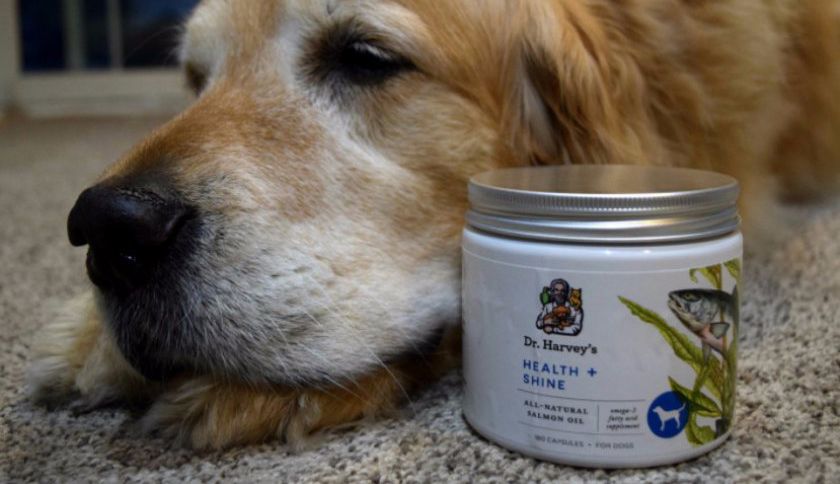
How to give fish oil to a dog
The standard fish oil dosage for adult dogs is 1.5-2 teaspoons or 2 capsules per day. The daily dose for senior dogs is 1 teaspoon or 1 capsule (the dosage is reduced due to age-related changes in liver tissue). The individual dosage depends on the animal's weight: a small Chihuahua requires much less food and supplements than a German Shepherd or Labrador.
Pregnant and lactating females are recommended to take 1 teaspoon or 1 capsule per day in early pregnancy and 1.5 teaspoons or 2 capsules from mid-pregnancy until the end of the lactation period.

Fish oil is essential for puppies starting at two months of age – until then, their bodies receive all the nutrients from their mother's milk. Formula-fed puppies can be given fish oil starting at two weeks of age. During the first week, puppies are given 0.5 teaspoon or 1 capsule. Gradually increase the dosage to 1-1.5 teaspoons or 2 capsules, and after six months, to 2-3 teaspoons or 3 capsules. At one year of age, puppies are transitioned to the adult dosage.
This supplement can be fed to your dog directly or mixed into his food. Both options are acceptable: unlike humans, dogs, despite being natural meat eaters, enjoy the smell and taste of fish oil. Your dog will happily eat his portion, even licking the spoon clean.
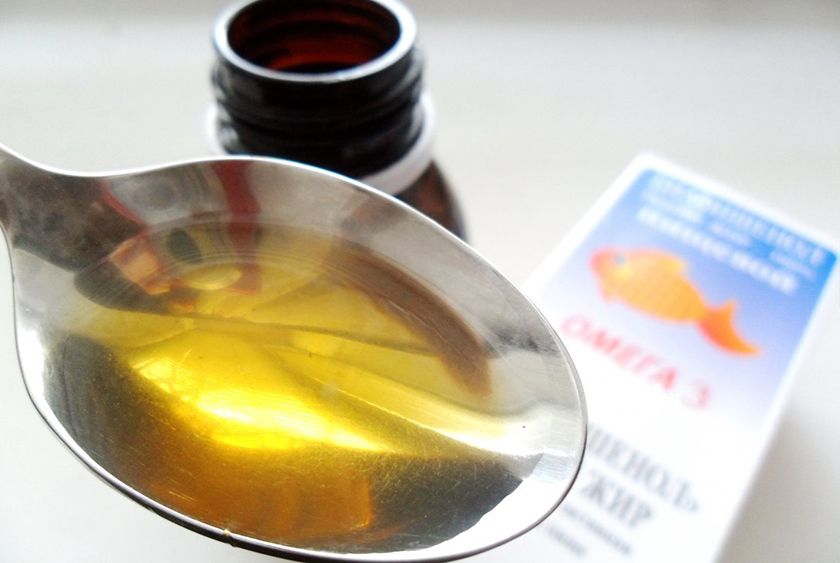
Fish oil can be included in your dog's diet on a regular basis, using it several times a week during the morning or evening feeding. Alternatively, you can alternate dosing every day for two weeks, followed by a two-week break. Your veterinarian can also suggest a customized schedule based on your pet's health.
Read also:


Add a comment