
Russian Black Terrier
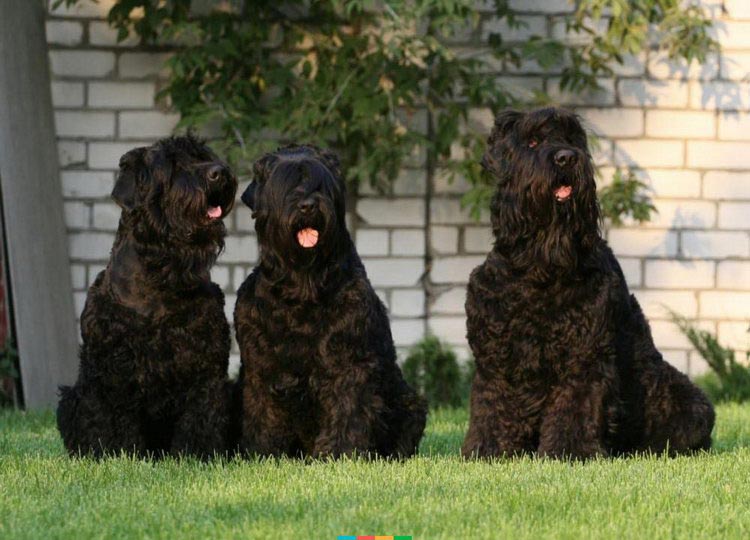
The Black Russian Terrier is a shining example of the achievements of Soviet cynology. This legendary breed is also known as Stalin's dog, and to enthusiasts, simply as the Blackie. Beneath its unique appearance lies a versatile creature that combines the courage of the Caucasian Shepherd, the cunning of the Giant Schnauzer, the strength of the Rottweiler, the restraint of a diver, and the zest for life of the Airedale Terrier.
Content
History of origin
In 1924, the Revolutionary Military Council approved the use of dogs for military purposes. The "Red Star" kennel was established near Moscow, and immediately after the war, it received a special government order to obtain high-quality dogs for the protection of strategic and economic facilities in all climatic conditions.
The breeders began their work by crossbreeding the stock they had. They mated everyone: East European Shepherds and Newfoundlands, St. Bernards and Caucasian Shepherds, German Shepherds and Giant Schnauzers, Rottweilers, and Airedale Terriers. As a result, several breed groups emerged, from which the Russian Black Terriers (RBT) and Moscow watchdogsThe main method used by army specialists was complex reproductive crossbreeding.
Later, in the 1950s, the kennel began to distribute Black Russian Terriers to amateur dog breeders. Obtaining such a puppy was highly prestigious. The dogs began to migrate abroad, and large numbers still exist in Finland, Hungary, and Poland. Enthusiasts continued to work on the breed, focusing on its appearance rather than its guarding qualities. It is believed that around 14 breeds were involved in the development of the Black Russian Terrier. The FCI officially recognized the Black Russian Terrier in 1984.
Video review: everything you need to know about the Black Russian Terrier dog breed
https://youtu.be/F9BXhTiJ1lw
Appearance and standards
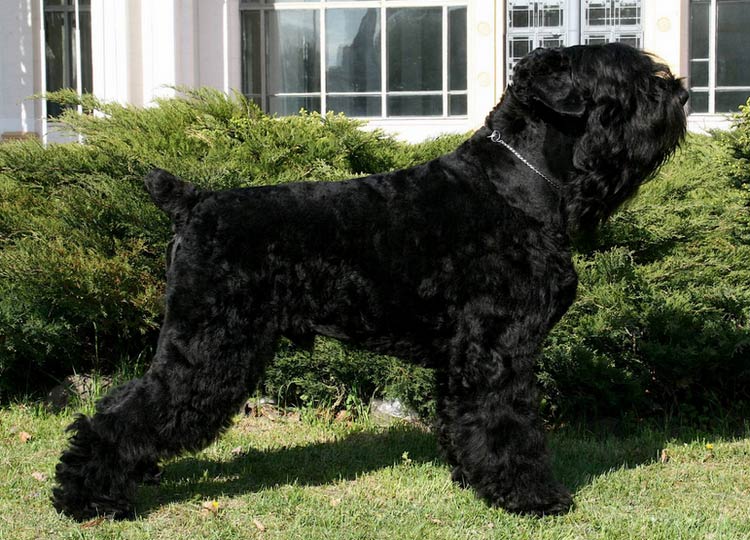
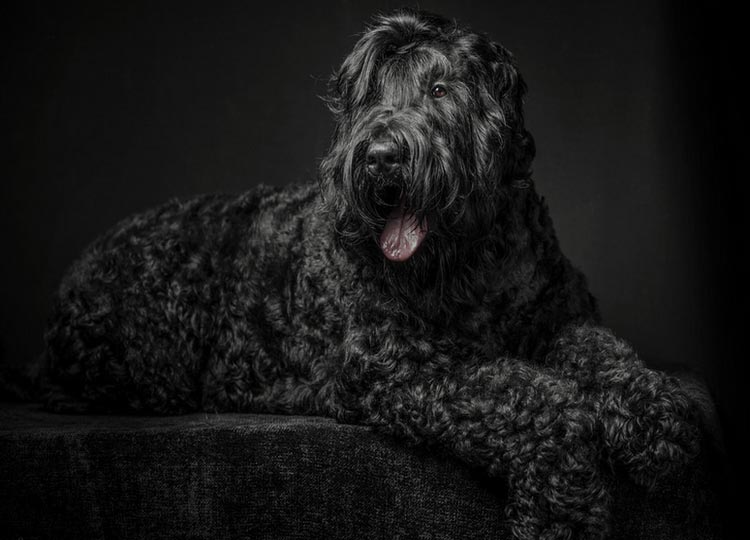
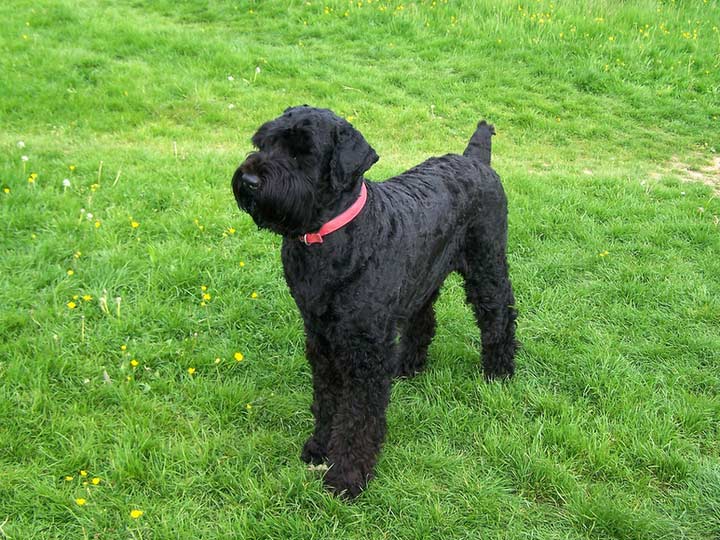
Russian Black Terriers are large dogs with massive bones and well-developed muscles. They have a coarse build and a slightly elongated format (100:105). They stand 70-78 cm tall and weigh 45-60 kg. Their sexes are clearly distinguishable.
Head and muzzle
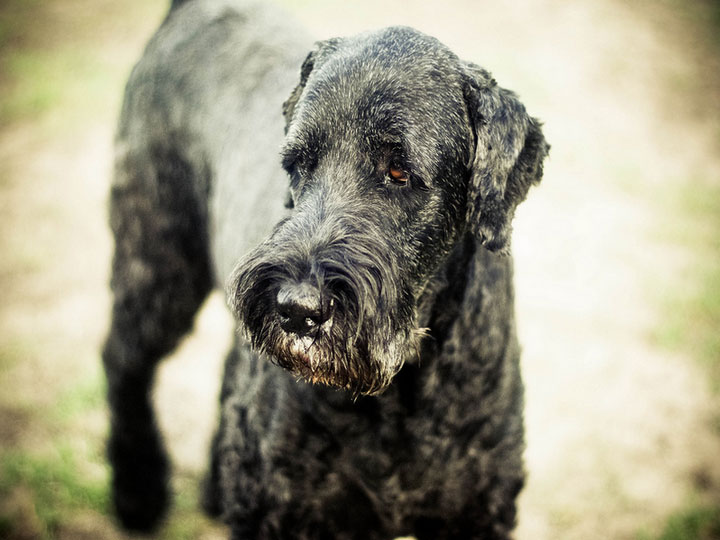
The RCC has a moderately wide, long head with rounded cheekbones and a flat forehead. The stop is not abrupt but well defined. The muzzle is massive, slightly pointed, but the mustache and beard create a somewhat square shape. The lips are fleshy and thick, without flews. The ears are triangular, small, set high, and hanging. The eyes are obliquely set, dark in color, oval in shape, and relatively small in relation to the muzzle. The teeth are complete and the bite is correct.
Physique
The body is strong and athletic. The neck is massive and dry. It is set at a 40-45° angle to the back. The chest is deep, with slightly sprung ribs. The withers protrude noticeably above the straight back. The loin is slightly arched. The croup slopes down to the high-set, thick tail. The belly is tucked up. The limbs are straight. The paws are large, arched, and rounded. The skin fits tightly to the body, is elastic, and evenly pigmented.
The tail may be docked unless the dog is to be shown in countries where such modification of appearance is prohibited.
Coat and colors
The coat consists of a harsh, thick, kinked guard hair and a dense undercoat. The feathering forms the moustache, beard, and long eyebrows. The coat is black, but the standard allows for black with light graying (no more than 1/3 of the total surface area).
Character and psychological portrait
The goal of creating the breed was to produce a large, strong, and courageous dog with a strong guard instinct, manageable in any situation, versatile in work, and easily adaptable to various climatic conditions. It's worth noting that Black Terriers possess all of the above qualities in abundance.
Blackies are balanced, self-assured, easy-going, reliable, and friendly. If necessary, they will immediately assume a defensive stance, but they also calm down quickly and easily once the danger has passed. They are sociable and intelligent, capable of analyzing the situation and making their own decisions.
Character and psyche are fully formed late. Only by 2.5 years does a blackie fully develop a sense of individuality, understand his strength, and appropriately manage it. Until then, it's crucial to pay special attention to upbringing, socialization, training, and developing essential qualities and skills.
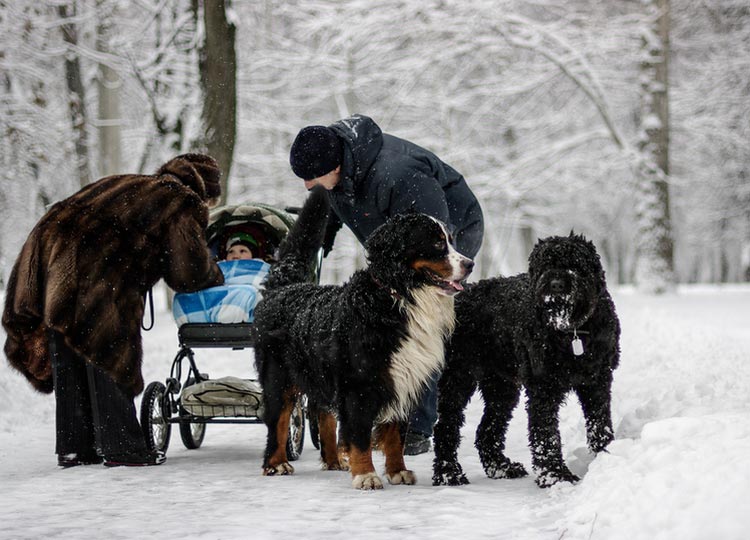
Despite their large size and stern nature, RCHs can be true friends, loyal and reliable. They are sensitive and attentive to all family members, their owner's friends, and a variety of animals. They are gentle and protective with children.
Training and exercise
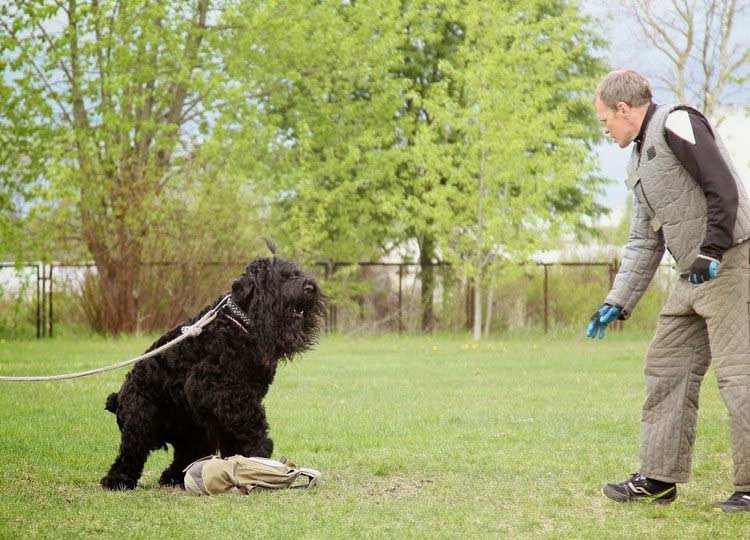
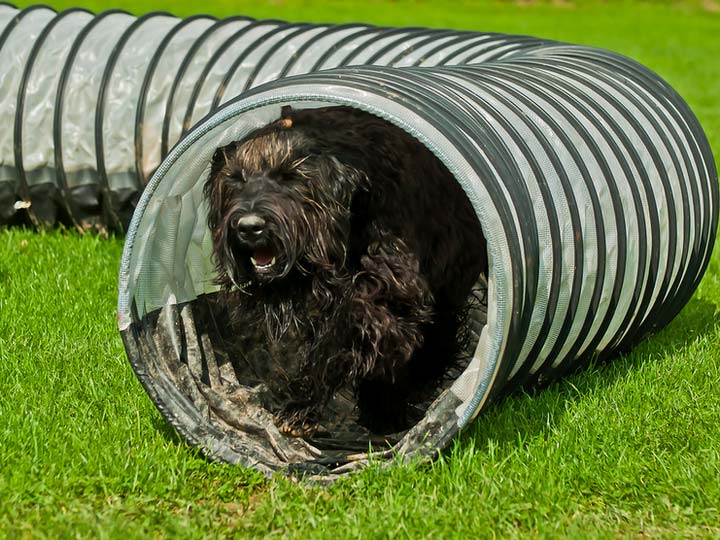
The Black Russian Terrier is an intelligent and highly trainable dog, fully capable of mastering a wide range of training. Of course, this doesn't mean a single dog can be a guard dog, a rescue dog, and a guide dog. Talent for a specific task also plays a role.
Chernysh considers himself quite independent, so a firm hand, consistent demands and a certain amount of experience (or the help of a competent instructor) are important in training.
Physical activity
To maintain good shape, a Russian Terrier requires regular, long walks, interspersed with games and training. It's best to walk twice a day; the first walk can be short, but the second should be a full-length walk.
From 3 months onwards, puppies should be walked for no more than 15 minutes. Gradually increase the intensity; by 10 months, walks should last about an hour, and by 1.5 years, up to 2 hours. Swimming is possible at any age, but exercise is recommended for dogs over a year old. The key is to avoid overexertion.
Maintenance and care
Representatives of this breed can equally thrive in a kennel with free range (as long as they're not on a leash) and in apartments (as long as they're well-walked). Many owners note that despite their size, the dog causes virtually no trouble indoors. In an apartment, these dogs are calm and unobtrusive, and with proper care, they have virtually no odor.
Key points in care issues
Caring for a blackie is not too difficult, but it must be done regularly and will require some time and financial costs.
- The ear canal is completely covered with hair, which should be plucked little by little but often. Excess wax is removed with special lotions. Using cotton swabs for cleaning is not recommended, as they can push the wax deeper.
- The eyes are regularly examined and wiped.
- The beard and mustache require daily washing, especially if your cat is fed a natural diet. Failure to keep them clean can lead to fungal growth.
- Nails should wear down naturally; if this doesn't happen (for a variety of reasons), the owner is responsible for maintaining the required length. The tufts of hair between the paw pads should be trimmed periodically.
- Grooming the coat of a Russian Shepherd Dog is a whole science, especially when it comes to show dogs.
Black Terrier Grooming
Brushing is the foundation of coat care. A puppy's coat doesn't require frequent brushing and is relatively easy to maintain, but this will help accustom the puppy to regular brushing, which will be required daily as an adult.
There's no definitive answer to how often a Black Russian Terrier should be bathed. A rough guideline is once a month. Only high-quality products should be used: shampoos that improve the hair structure and conditioners that add texture and shine. After bathing, the dog should be thoroughly dried with a hairdryer and brushed.
For complete grooming, you will need a whole set of tools:
- Slicker brush;
- Rake;
- Matter cutter;
- Straight tooth comb and massage brush;
- Claw cutter;
- Hair dryer.
To keep a dog looking even neater and more well-groomed, its coat is trimmed periodically. A puppy is first introduced to scissors and clippers at 4-5 months of age. Subsequently, the interval between trims depends on the purpose, the weather, and the need to participate in shows.
Diet
Blackies can be fed either natural food or dry, prepared food. The diet chosen should be appropriate for their age and physiological condition and fully meet all their body needs, as the quality of their nutrition determines their health and appearance.
The basis of a natural diet should be meat, organ meats, and cereals, with some vegetables and fruits. Sometimes the diet is supplemented with fermented milk products, eggs, fish, and bread. The higher the quality of commercial food, the better. Feed your dog strictly according to portions and a schedule. Water should always be freely available.
Health and life expectancy
In general, members of the breed enjoy robust health and a strong immune system. Various illnesses are usually caused by improper care and nutrition. Hereditary conditions are rare in the breed, including dysplasia (hip and elbow) and progressive retinal atrophy.
Throughout their lives, dogs need scheduled vaccination, regular deworming, and treatment for external parasites, persistent bloodsuckers, and carriers of dangerous diseases. Their average lifespan is 11-12 years.
Choosing a puppy and price
Potential owners of Black Russian Terriers, as well as other dogs, can be roughly divided into two groups. Some don't bother with acquiring unnecessary knowledge about the breed, pedigree, and other canine terminology, searching through classified ads for a cheap puppy and seeing no need for paperwork. Others are wise and meticulous in choosing not only a puppy but also a kennel and parents, which is also an important consideration.
Consider in advance what you need a dog for: protection and guarding, a companion, or participation in shows and competitions. Even within a litter, puppies can have different personalities and talents. Finding the right dog will require the help of a breeder or breed expert.
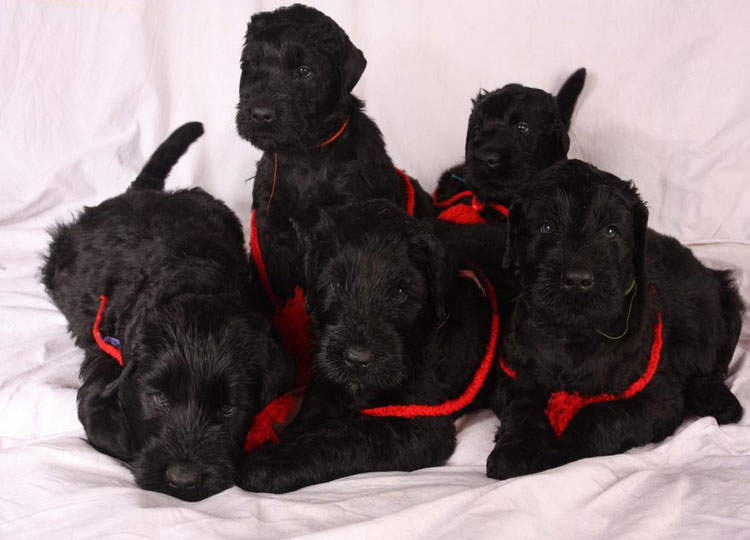
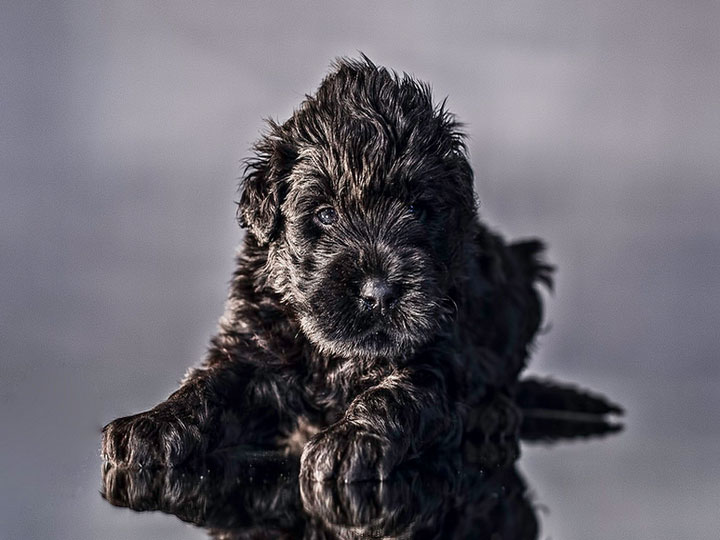
It's best to choose puppies between 1.5 and 2 months of age. At 45 days old, they receive their breeding papers and already look like miniature adult terriers. While not fully mature, it's now possible to assess their compliance with the standard and determine their character and tendencies. They won't be ready for their new homes until they're three months old. Puppies should be active and sociable, show no signs of illness, have a good appetite, and sleep soundly.
Price
A dog's price is influenced by many factors, including the breeder's location and status, the parents' achievements, and the puppy's class and prospects. Pet-class puppies range in price from 20,000 to 35,000 rubles. Promising puppies can fetch significantly more.
Photos
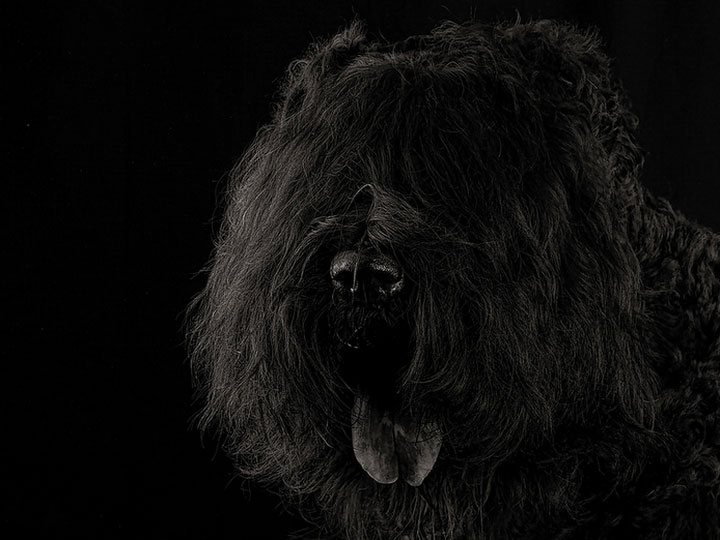
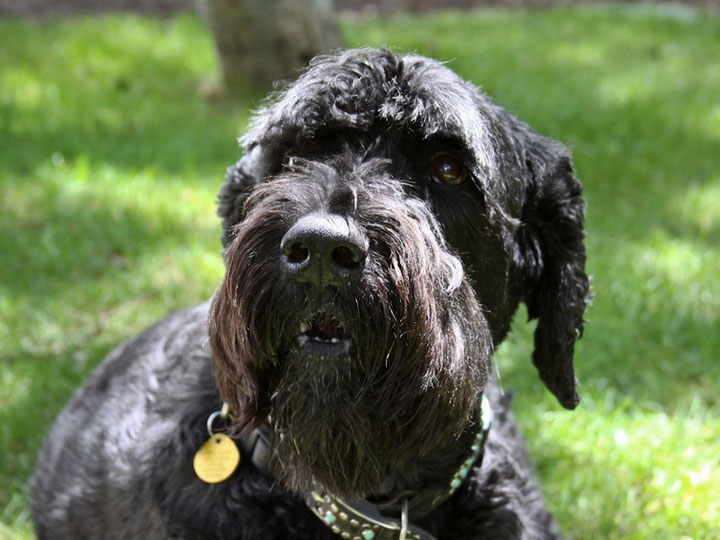
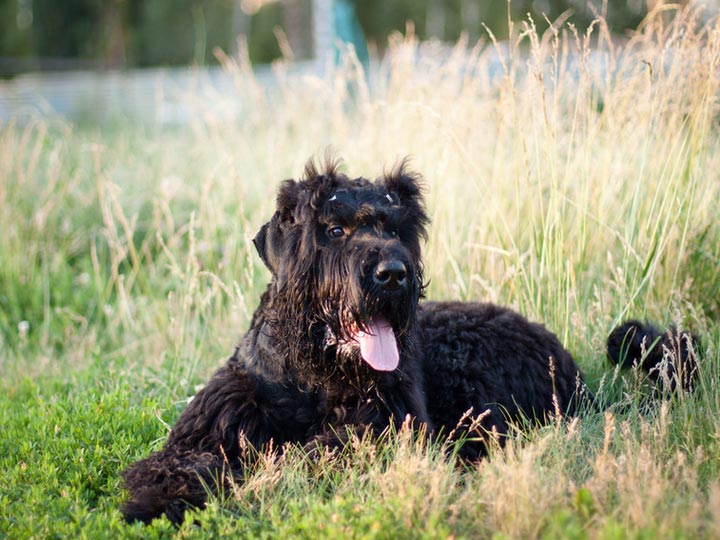
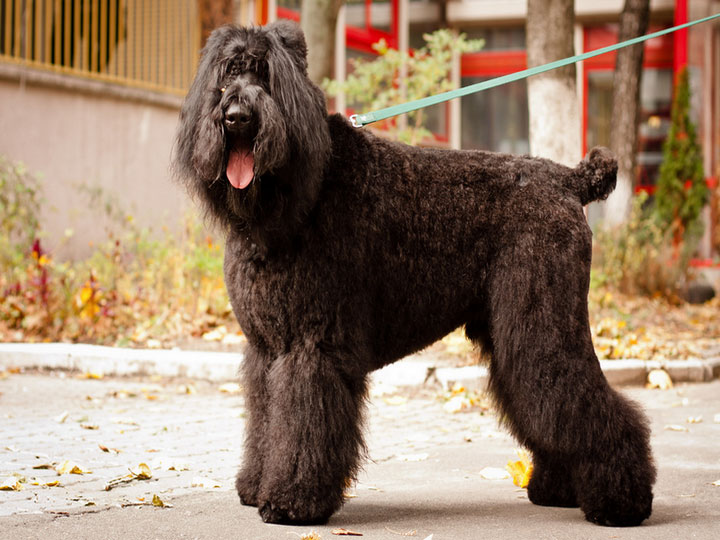
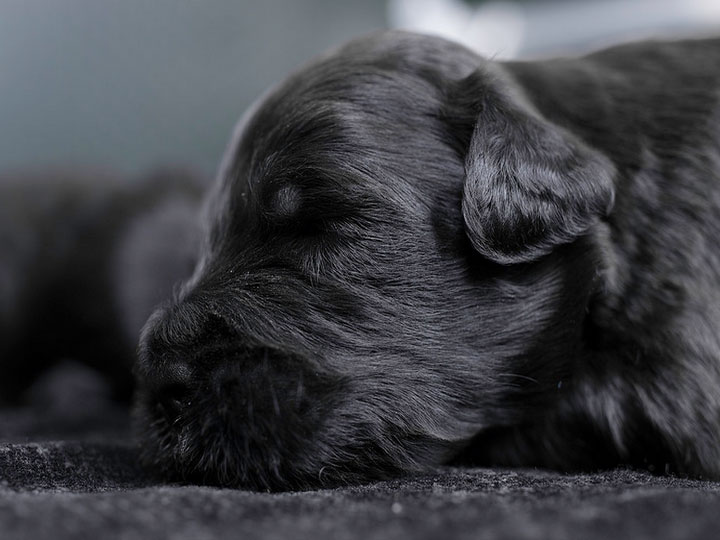
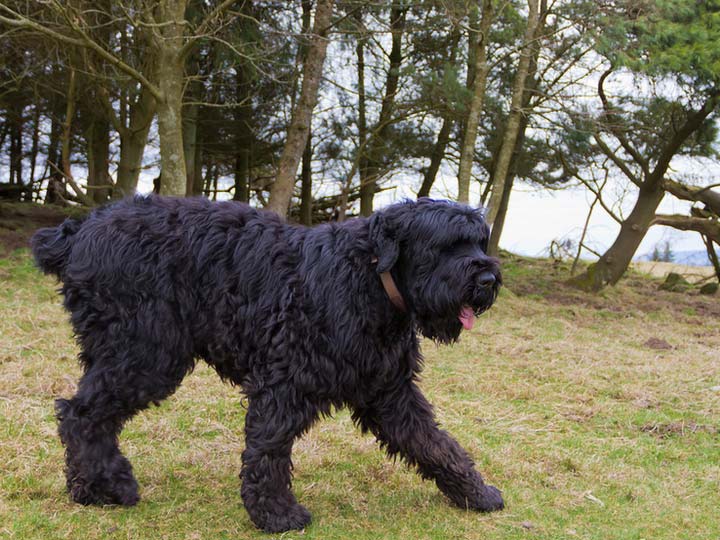
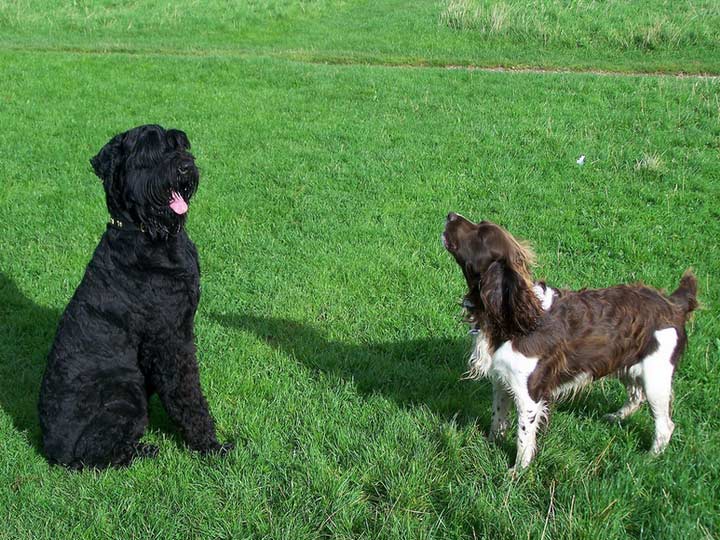
Photos of adult dogs, adolescents and puppies:
Read also:


Add a comment