
Russian Tsvetnaya Bolonka
The Russian Tsvetnaya Bolonka is a breed of miniature toy dogs native to St. Petersburg. Despite their doll-like appearance, they are distinguished by their strong character; they are intelligent, obedient, playful, and very devoted to their owners. They are a wonderful breed for those who want a small, affectionate companion who can and should be groomed regularly.
Content
History of origin
Russia lacks a rich selection of decorative breeds due to its cultural heritage, which assumed that most objects were used for practical purposes. After the Great Patriotic War, society showed interest in small and dwarf dogs, but domestic dog breeding was virtually nonexistent, and imports from abroad were minimal, so the quantity and quality of exhibited animals left much to be desired. It was very difficult for breeders to thrive under these conditions.
The breed's formation can be traced back to 1951. That's when the first black puppy, named Tim Tim, was produced in Leningrad from two lapdogs. As mentioned earlier, there were very few phenotypically suitable small dogs. Tim Tim's father, a white male named Trifon, came to Leningrad from Hungary, and his mother, a coffee-colored lapdog named Zhuzhu, was purchased from a circus that was touring the city at the time. Various breeds were involved in subsequent selection, including Maltese, Shih Tzu, Bolognese, Lhasa Apso, their crossbreeds and even yard Zhuchki.
By the late 1950s, a relatively homogeneous population had been achieved, earning the breed the status of a breed group. In 1999, the first National Club for the breed was founded. To date, the Russian Tsvetnaya Bolonka has not yet received official status with the International Cynological Association, but breed enthusiasts are actively working toward this goal.
Video review of the Russian Tsvetnaya Bolonka breed:
https://youtu.be/DCwDdemyj_s
Appearance and standards
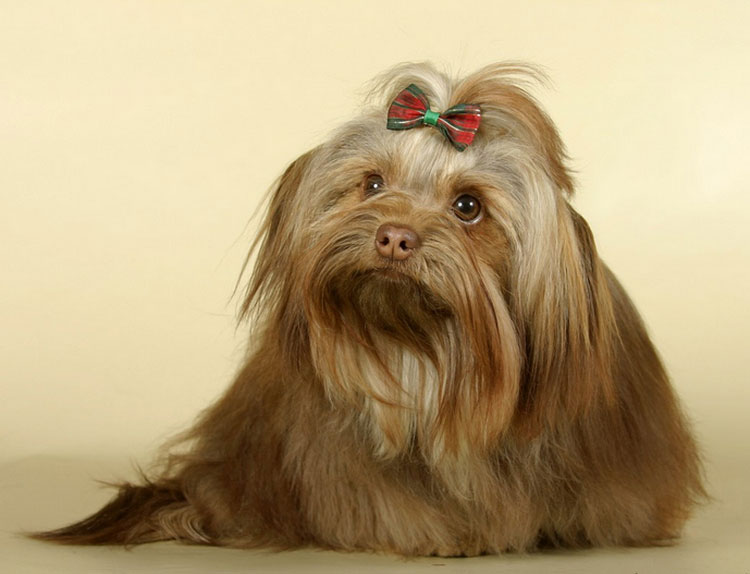
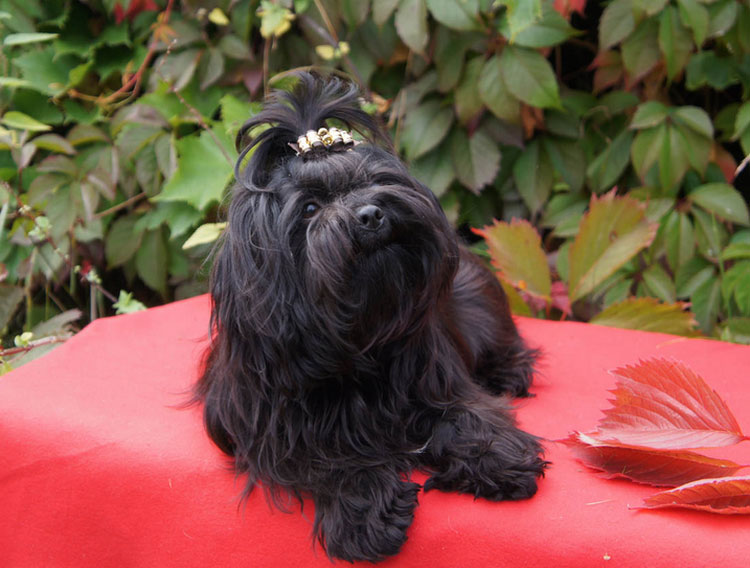
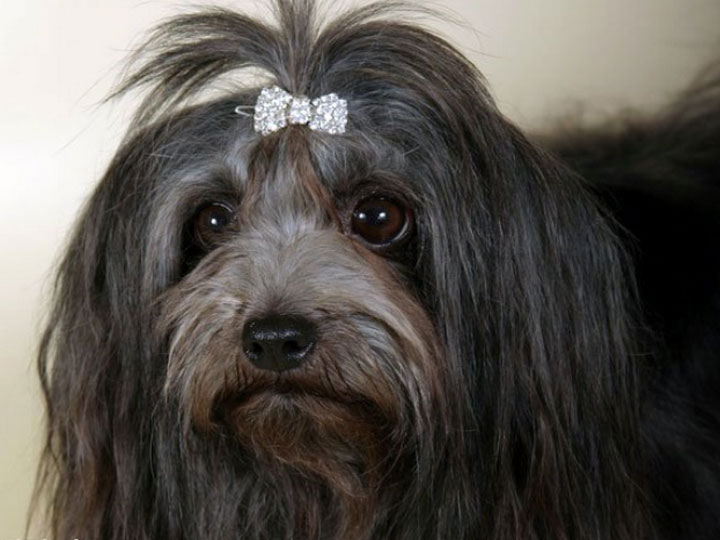
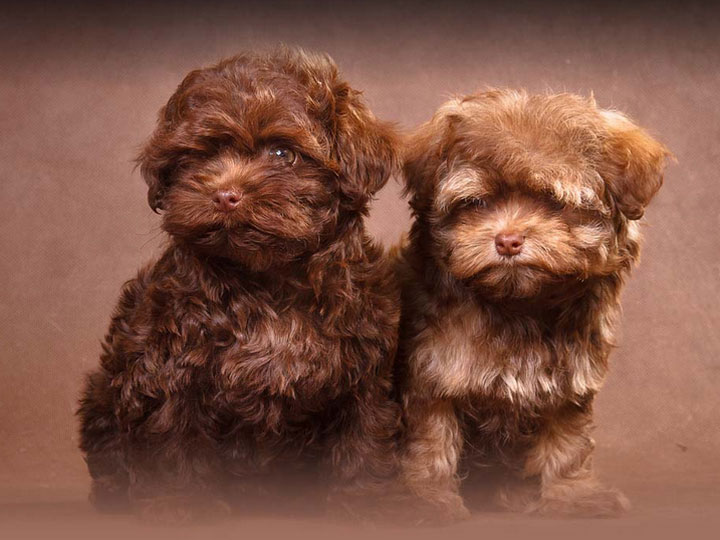
The distinctive feature of the Russian Tsvetnaya Bolonka is its solid, uniform colors, any color except white. The coat is long, wavy or curly, with an undercoat. And, of course, in breeding, special attention is paid to character; the Russian Tsvetnaya Bolonka must have a stable personality. In 1966, the preliminary standard for the Russian Tsvetnaya Bolonka breed group was approved by the All-Union Cynological Council.
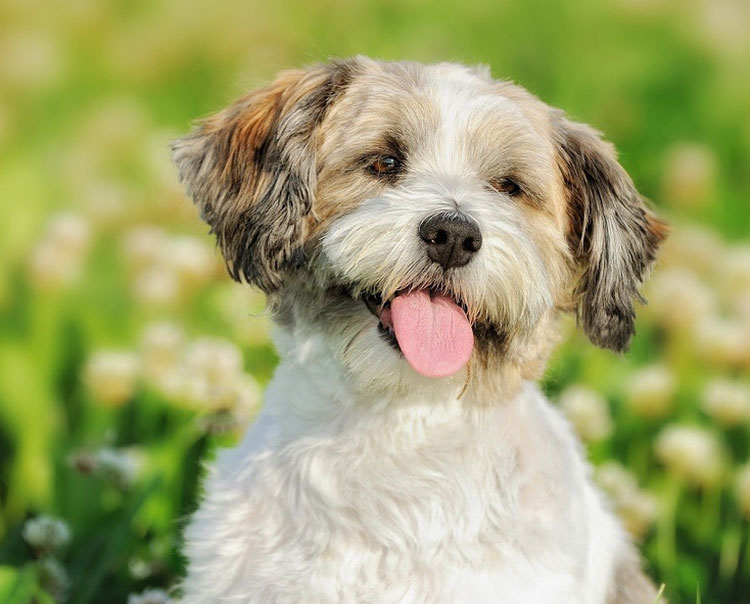
The Russian Tsvetnaya Bolonka is a small, slightly elongated dog with a harmonious build. Its long, colorful coat gives it a very elegant appearance. Its height should not exceed 26 cm and its weight should not exceed 3-4 kg.
Head The muzzle is proportionate to the overall build. The muzzle is not too long, tapering slightly toward the nose. The bridge of the nose is wide and straight at the base. The nose is dark and small. The eyes are medium-sized, round, dark, and set straight. The ears are set high, medium in length, and hang loosely on cartilage.
Frame Compact. The topline is level. The withers are moderately pronounced. The back is straight. The loin is slightly arched. The chest is broad and oval. The belly is moderately tucked up. The tail is set high, of medium length, lying on the back or curled into a ring. The limbs are straight, parallel. The hind legs are slightly smaller than the front ones, oval in shape, and well knit. The nails and pads are dark.
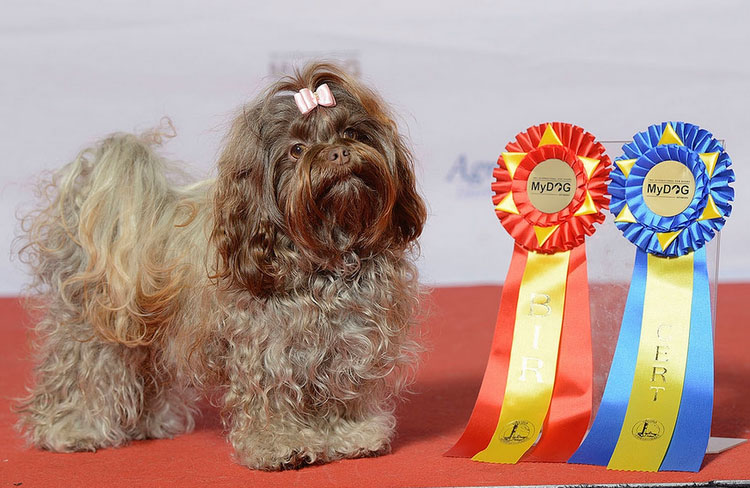
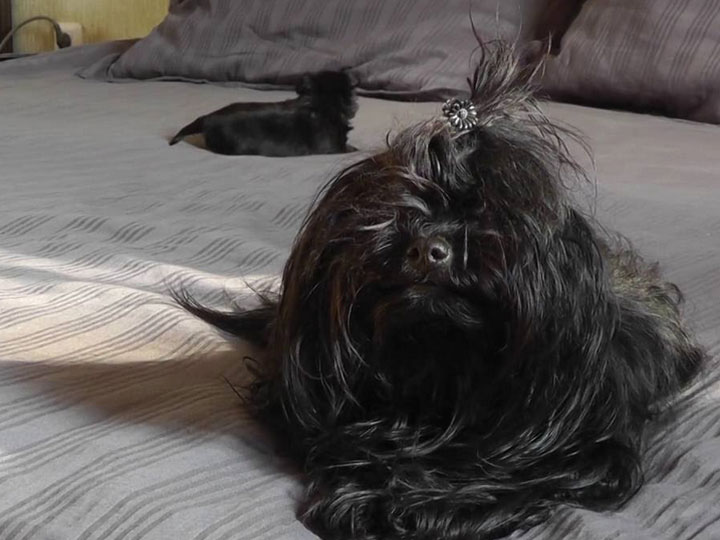
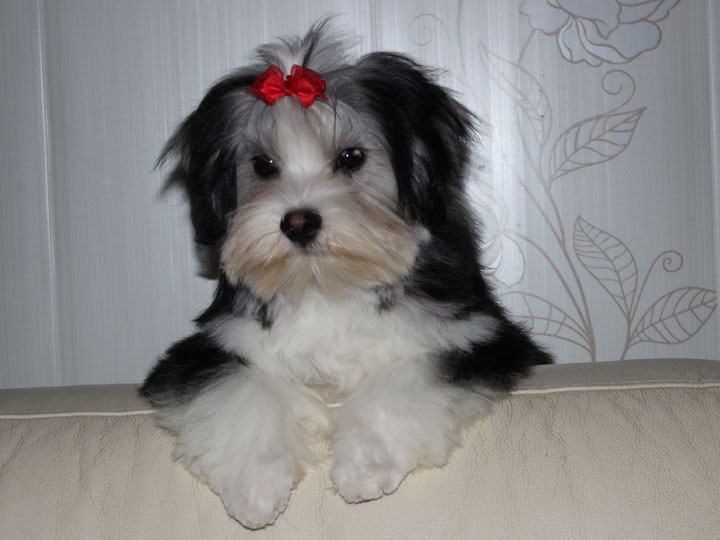
Wool Long, thick, and silky. Covers the entire dog evenly. The undercoat is well developed. The coat is heavy and dense, with a large curl preferred, but wavy hair is also acceptable. Color Can be any color except spotted and white. Small white markings on the toes and chest are allowed.
Character and psychological portrait
Russian Tsvetnye Bolonki are very sociable, friendly, and affectionate, but never intrusive. They are easy and engaging to be around. These dogs get along well with both children and adults, and are ideal for single people. The presence of another animal in the house also won't be a problem, and the Bolonki will certainly try to find common ground with it, unless the neighbor objected. Conflict or competition usually only occurs when dogs of the same breed are kept in a pack.
The Tsvetnaya Bolonka is a miniature and defenseless dog, which it understands and will not rush into trouble, but at the same time, it is quite brave and holds its own among its larger brethren.
The lapdog is usually very selective in its preferences and has a favorite among its closest people. It is very attached to its owner, but not to its owner's place. It adapts easily to new environments and is always ready to travel.
Despite many similar temperamental traits, the Russian Bolonka is still quite diverse. Each individual dog has its own distinct personality.
Education and training
Like any other dog, a lap dog requires training, but because it's so intelligent and quick-witted, the learning process is usually easy and seamless. The dog quickly learns requests and intonations, tries to comply with them whenever possible, and follows house rules. It does everything it can to avoid upsetting its owner and earn praise, and ideally, a treat. If desired, a lap dog can easily be taught a few tricks, and it will happily perform them to the amusement of onlookers.
Content
Due to their small size and adaptability, Russian lap dogs thrive in any environment, from a small city apartment to a spacious condo. At home, these dogs are calm, very neat, and clean. They take up very little space and, with regular grooming, do not shed their fur. Only during seasonal shedding may it be noticeable.
Bolognese dogs are very active for their size; they enjoy long walks in the park and are always eager to join in games. If necessary, they can be trained to use a pad. At home, a Bolognese should have its own space, even if it sleeps on the owner's bed, and several toys to choose from.
Caring for a Bolognese
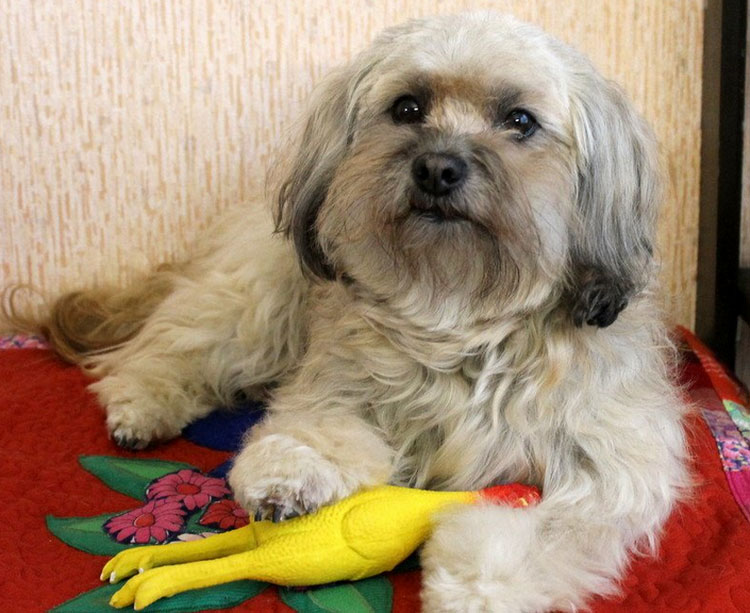
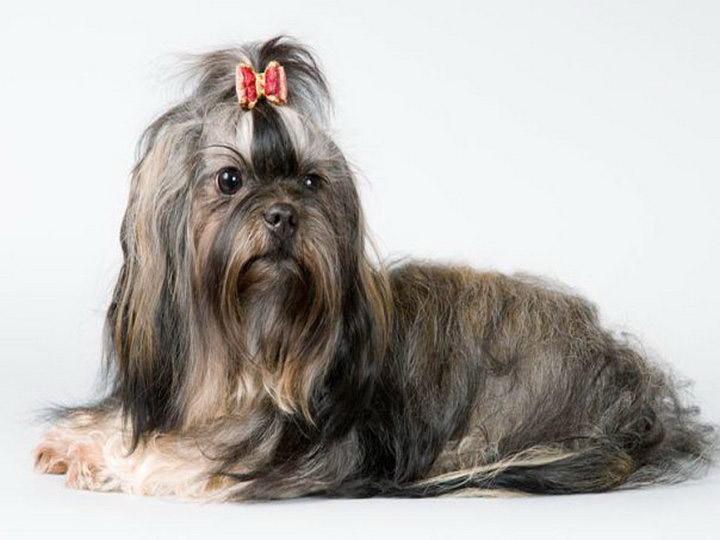
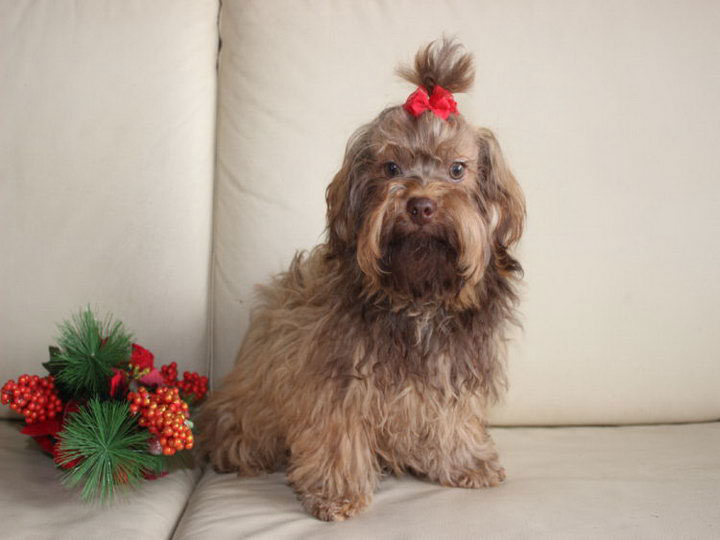
Looking at a photo of a Russian Tsvetnaya Bolonka, it's immediately clear that it requires regular grooming. Its long, flowing coat is brushed once or twice a day. Particular attention is paid to the areas behind the ears and under the ears, where tangles often form. A Bolonka is typically bathed once or twice a month. Shampoo is selected based on its coat type, and conditioner is used after washing to make brushing easier.
The dog's ears are regularly inspected and cleaned as needed. Nails must be trimmed to an appropriate length approximately every 2-3 weeks. These dogs rarely get enough exercise to wear them down naturally. Manicures are done with special scissors, and the tips can be trimmed with a regular nail file. A lapdog's eyes also require care. They don't tear as easily as those of a Shih Tzu, for example, but keeping the surrounding skin dry and clean is essential. It's also important to ensure that hair doesn't fall onto the cornea and cause injury. To prevent this, the dog's forelock is pulled back into a ponytail.
Oral hygiene consists of weekly brushing. Some owners limit themselves to dry food and special toys that help remove plaque.
Diet
What to feed a Russian Tsvetnaya Bolonka is an age-old question. Breeders claim that both options (natural and commercial food) are equally acceptable. The main thing is that the diet is appropriate for the dog's age and physiological condition, supplemented with vitamins and minerals if necessary. Bolonkas are generally not picky eaters. Owners have also not noted any tendency toward gluttony or obesity.
Health and life expectancy
It's too early to talk about any breed-specific diseases. The Russian Bolonka isn't really a breed yet, only a very diverse group of breeds.
Breeders take the health of their dogs very seriously. Most representatives of this breed group are robust, adapt easily and quickly to new conditions, travel well, and, like true northern natives, are not afraid of cold weather. The average lifespan is 12-13 years.
Choosing a puppy and the price of a Russian Tsvetnaya Bolonka dog
A truly good puppy can only be purchased from a handful of kennels scattered primarily in large cities. The majority of Russian Tsvetny Bolonkas are currently concentrated in Moscow, with a slightly smaller number in St. Petersburg. There are also kennels in many major cities in Russia and the CIS.
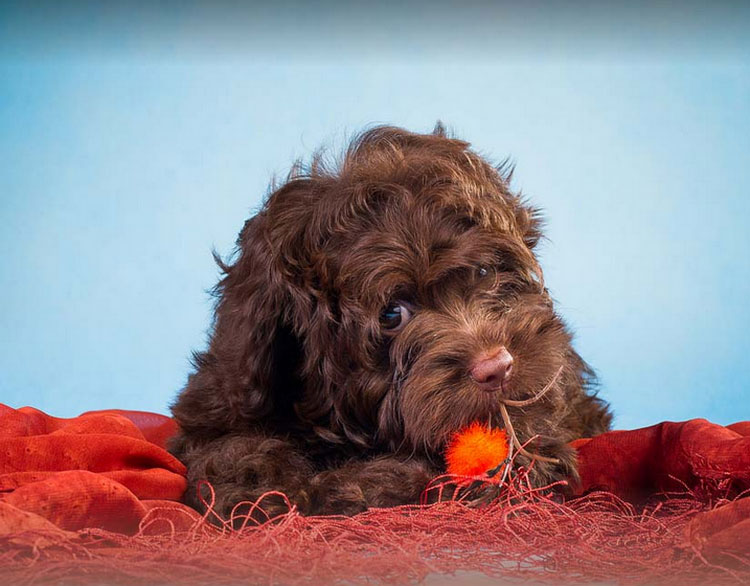
The breed is developing rapidly, but has not yet reached the point where all puppies in a litter more or less conform to the standard. Puppies are often born with obvious differences in body type or coat quality. Many dogs are rejected from breeding, even though they were bred from good parents with typical appearances. Those looking to buy a Russian Tsvetnaya Bolonka puppy will likely not have to wait long, unless there are specific requirements regarding gender and color.
A Russian Tsvetnaya Bolonka puppy not for breeding costs from 20,000 rubles. Promising puppies can cost significantly more, typically 40,000 rubles and up.
Photos
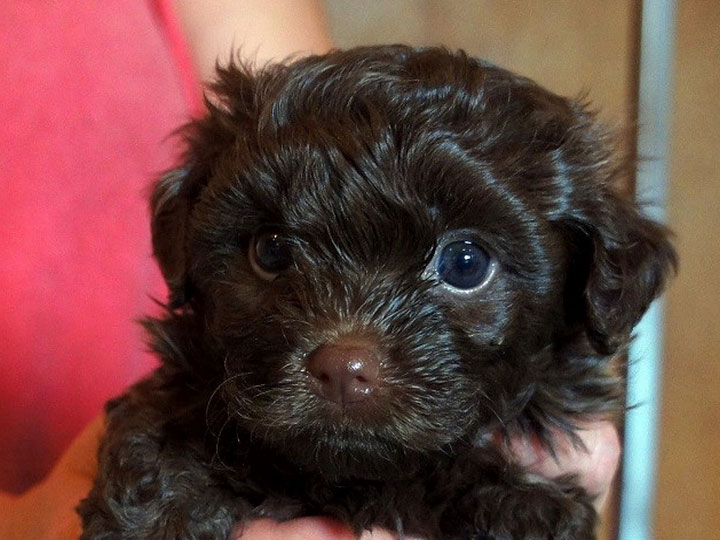
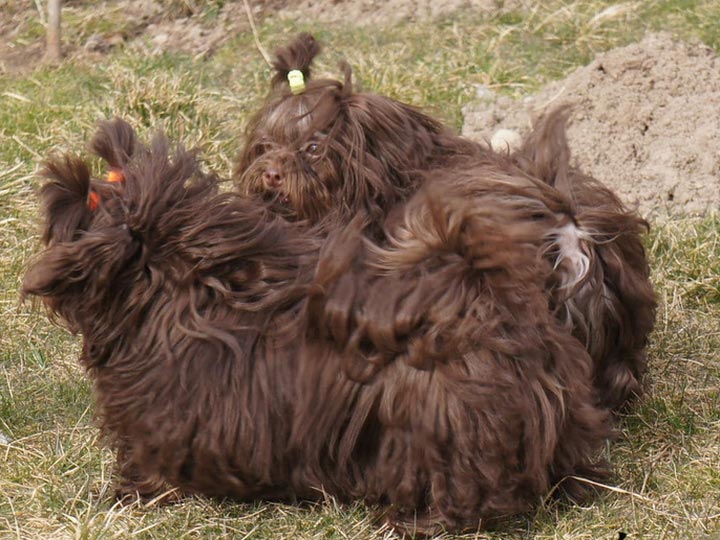
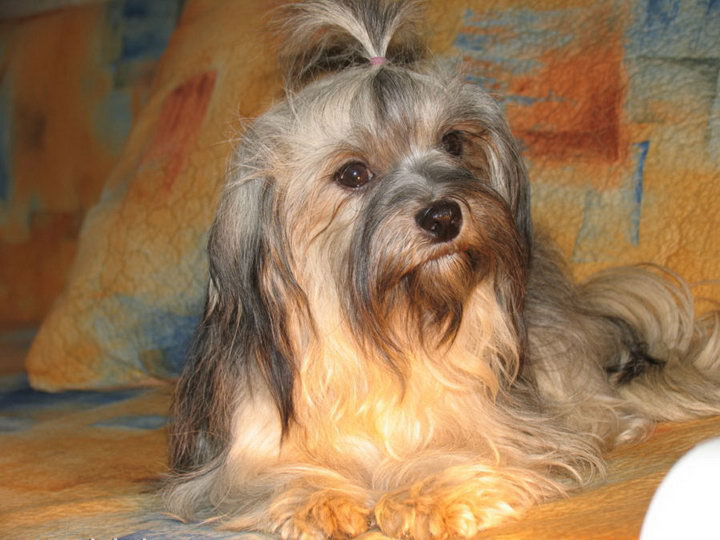
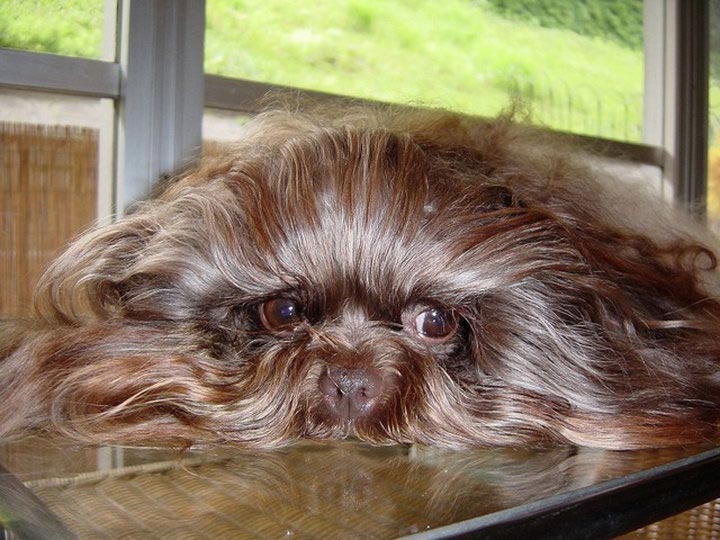
Photos of Russian Tsvetnaya Bolonka puppies and adult dogs are collected in the gallery:
Read also:


Add a comment