
Russian Parlor Dog (Rusalka)
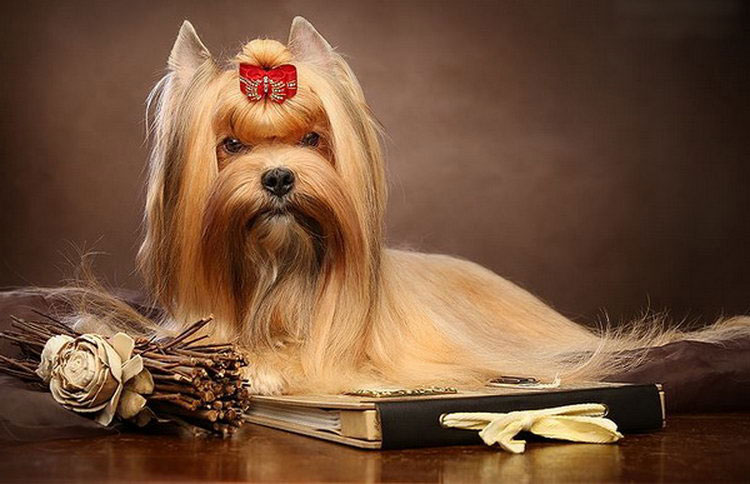
The Russian Salon Dog is a new breed, also known by the more beautiful and catchy name of Rusalka. The Russian Salon Dog is a small, decorative dog with a soft, flowing coat. It's a perfect pet for those seeking a friendly, miniature companion that can and should be groomed regularly.
Content
History of origin
Work on the breed began in Moscow in the early 2000s. The creator of the breed and leading breeder is international judge Yulia Aleksandrovna Lakatosh. She has been involved in cynology for over 30 years. Today, she is the owner of a kennel. Airedale Terriers "Constantina Ross" and, of course, the creator of the new Russian breed of decorative dogs that will be discussed.
During the first stage of breed development, planned interbreeding was carried out to obtain diverse breeding stock. Subsequently, desired traits were consolidated through reproductive crossbreeding. After this, it was possible to begin breeding within the breed group, stabilizing the genome and fixing the phenotype. Currently, matings are primarily carried out within the breed. Today, the Russian Salon Dog is officially recognized by the RKF as a breed group.
The author has not yet disclosed the list of dog breeds involved in the creation of the Russian salon dog. It is only known that three breeds formed the basis, including the Yorkshire Terrier.
It is a common misconception that the mermaid is a so-called designer breed. "Designer" is the name given to mestizos First-generation puppies from two well-known breeds, without further breeding or reinforcing any traits. Designer dogs are marketed as unique specimens. They are often not bred at all. The Russian Salon Dog is a designer breed.
Video review of the Russian Salon Dog breed:
Appearance and standards
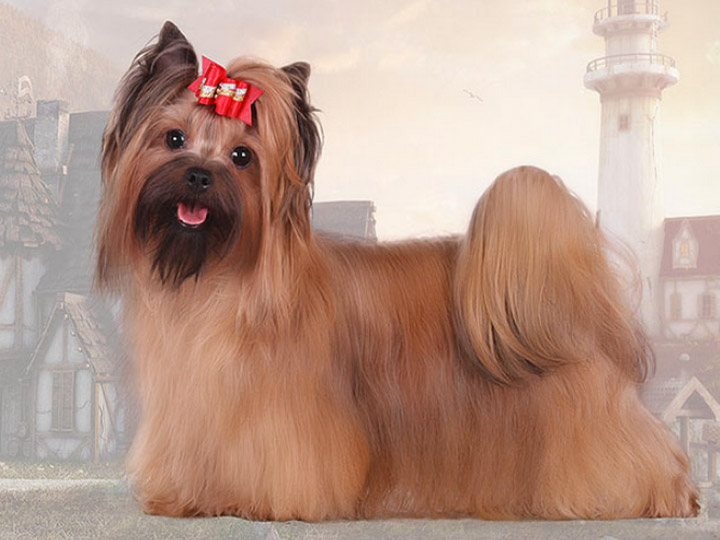
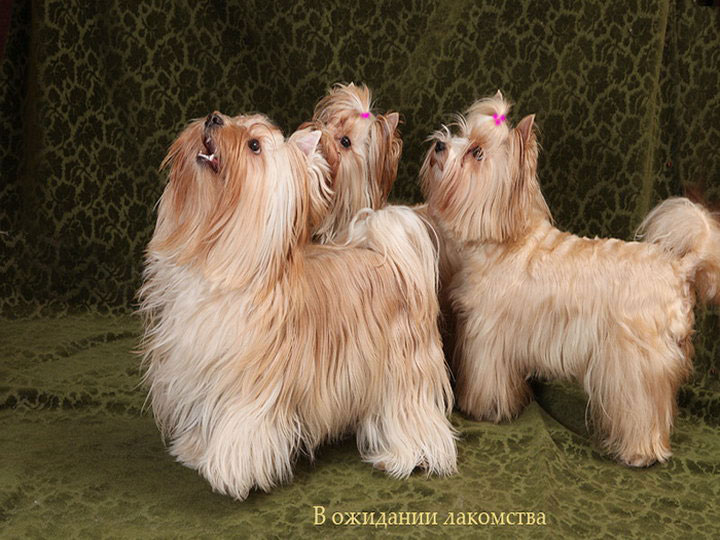
Russian salon - small (or even dwarf) A decorative dog with a strong, dry build, a slightly elongated format, and a proportional frame. Thanks to its abundant coat, it has a very elegant appearance. Dogs range in height from 18 to 28 cm and weigh 1.8-3.5 kg.
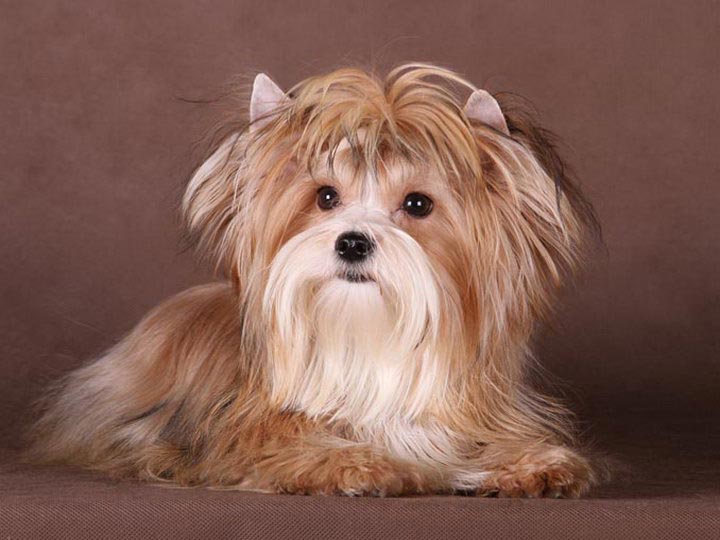
The head is proportionate to the body. The skull is rounded. The forehead is fairly high. The stop is deep and well defined. The muzzle is of medium width and depth, neither long nor short, tapering slightly toward the nose. The bridge of the nose is straight, without folds, and positioned approximately level with the lower eyelids. The eyes are medium in size, oval in shape, dark in color, not too prominent, and set straight and fairly wide apart. The ears are medium in size, set high, erect, triangular, and pointed at the tips. The nose is dark and shiny, with a slight lightening of the color permitted.
The body is compact. The length of the body is slightly greater than the height. The topline is level. The chest is well developed and oval in cross-section. The abdomen is moderately tucked up. The tail is set high and sickle-shaped.
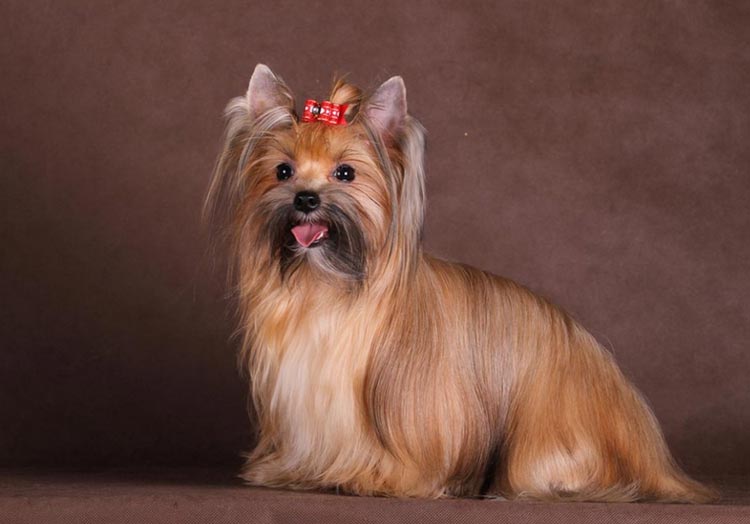
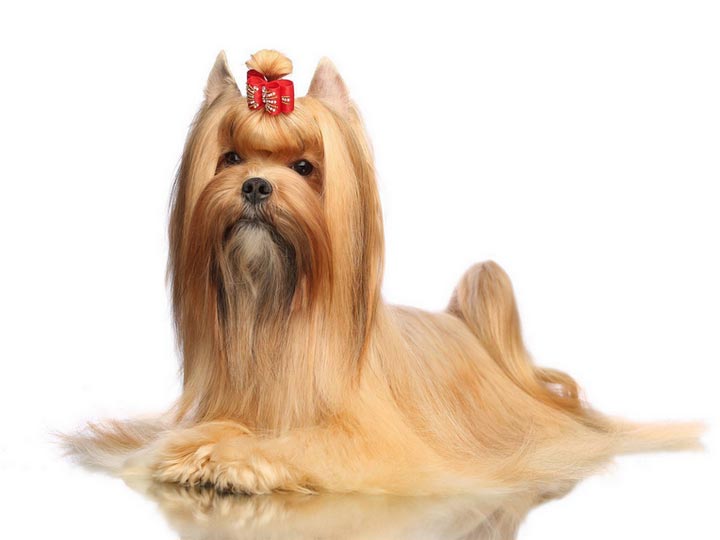
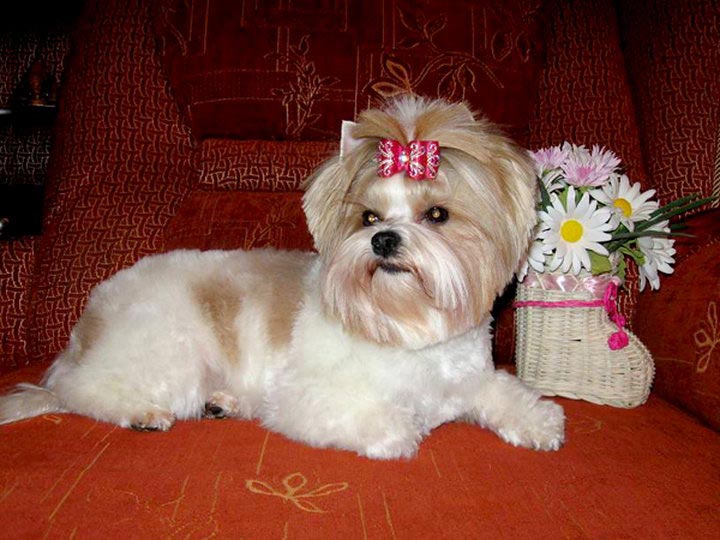
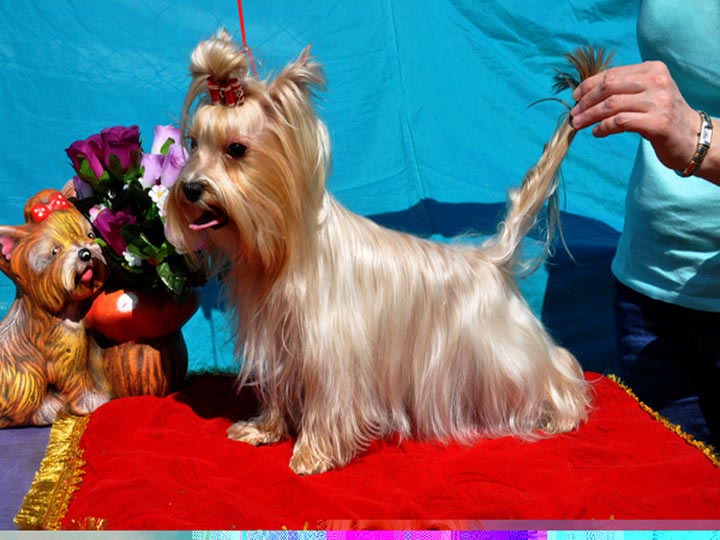
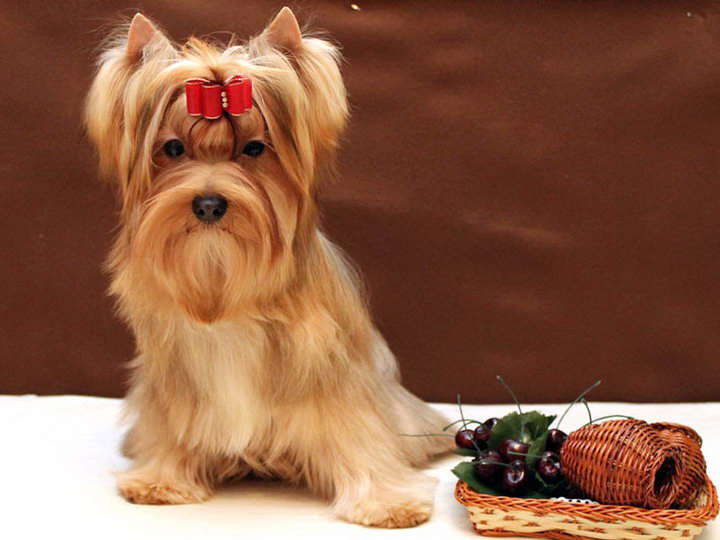
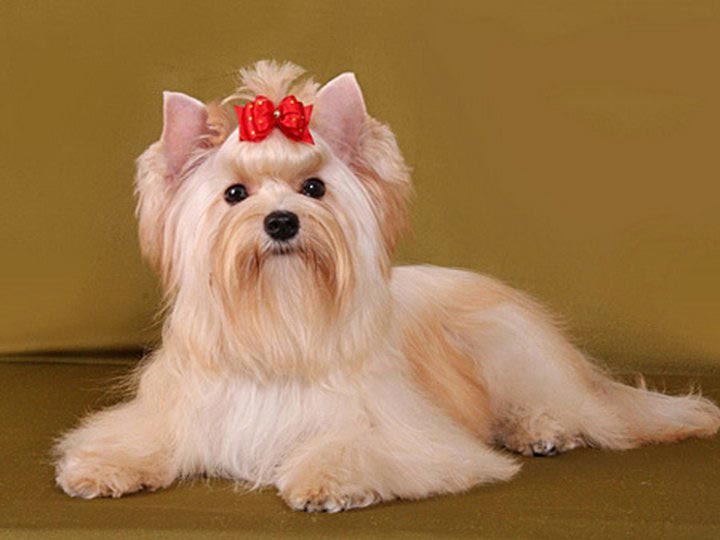
The natural coat should be as long and straight as possible. It should be evenly distributed over the body. There is a parting along the spine. The coat is soft to the touch and of medium thickness. There is little undercoat. Mermaids differ from Yorkie by hair structure. Terriers have silky hair, while Russian Salon Terriers have more volume, and feel like something in between Shih Tzu and downy Chinese CrestedThe coat is solid in any shade of red, from rich red to fawn or cream. A clear, rich color is most desirable. A dark mask on the face is possible.
Character and psychological portrait
Russian Salon Dog breeders place a great deal of emphasis on character. They strive to ensure their breed fully meets all the requirements for toy dogs: open and friendly, affectionate, playful, and loyal. Generally speaking, Russian Salon Dogs already possess all these qualities. They get along well with other pets and are suitable for families with older children. Russian Salon Dogs are intelligent, obedient, and docile, with a balanced temperament, neither aggressive nor shy.
Maintenance and care
Mermaids are very suitable for home keeping. They are small, clean, and tidy. They try to spend most of their time near their owner. Moderately active, they are content with leisurely walks near the house.
The most important aspect of grooming is brushing. It's necessary to do so frequently to prevent tangles. Between 9 and 12 months, the Mermaid transitions from its baby coat to its adult coat. At this time, it seems like the fur is matting faster than it can be brushed out. This is true, but it's temporary. You need to be patient and continue brushing. Adult coats are a bit easier to maintain. The frequency of brushing varies from dog to dog. Some may only need once a week, while others require daily brushing.
Dirty fur mats more easily, so the Mermaid needs to be bathed regularly, about 1-2 times a month. Never bathe a dog with tangled fur, as this will make it nearly impossible to comb.
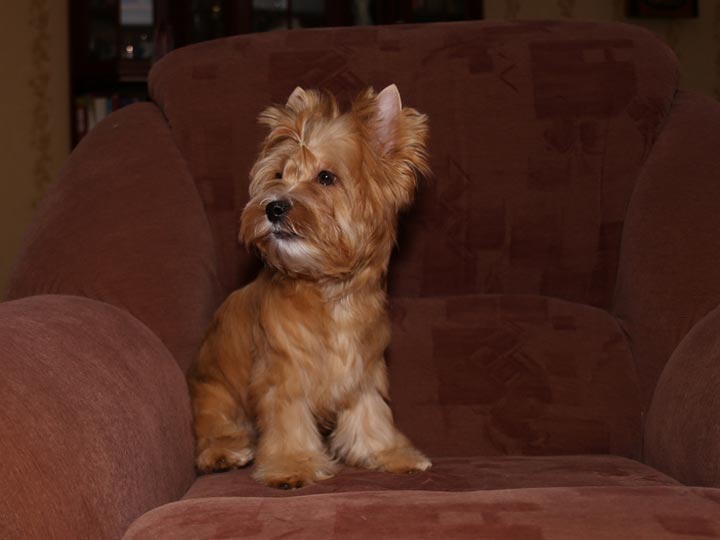
Russian salon dogs require regular grooming. There are three options: general grooming (the dog looks as natural as possible), "sporting," and "bob." At shows, dogs with long and short hair are judged equally.
The muzzle also requires attention. It's best to wash the whiskers after each meal. Wipe the mermaid's eyes daily to keep them clean and healthy. Ears are usually cleaned every 1-2 weeks. If water gets into them while swimming, dry them thoroughly with a napkin.
To prevent oral diseases, your dog needs regular dental cleaning. It's also important to keep in mind that during the teething period (4-8 months), baby teeth may fall out late. This prevents the normal growth of permanent teeth, and in some cases, veterinary attention is required.
Health and life expectancy
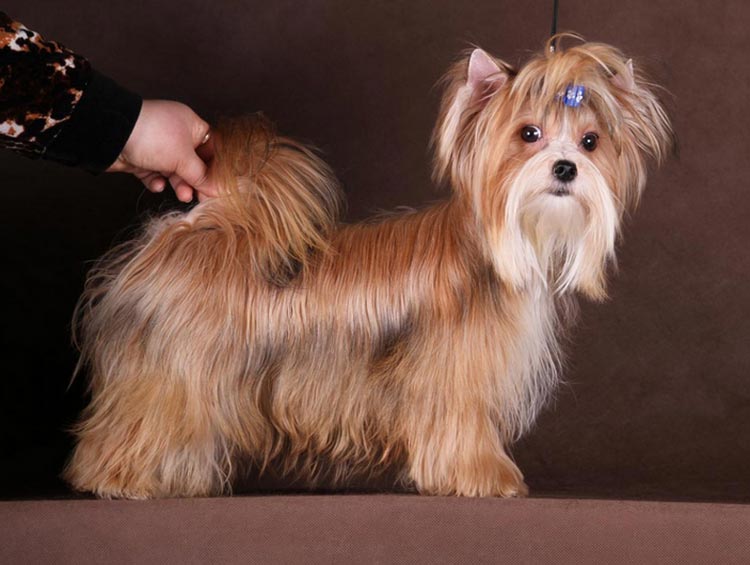
Russian parlor dogs are quite robust, have good immunity, and rarely get sick. Of course, much in this regard depends on veterinary preventative measures, living conditions, and the quality of their diet. It's too early to talk about any hereditary diseases; the breed is still developing. Breeders claim that no pathologies have been observed at this stage. This may be due to the high rate of heterozygosity, which is common to all new breeds.
Choosing a puppy and price
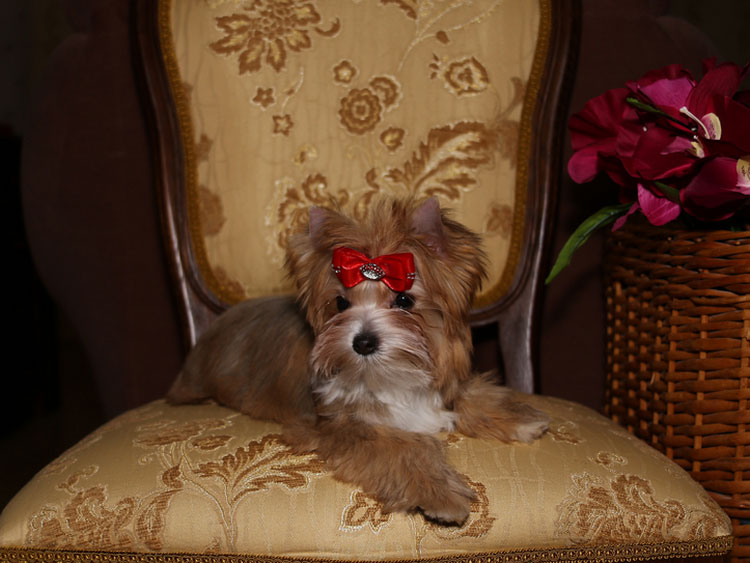
Currently, Russian Salon Dog puppies are only available from a few private breeders, who can be contacted through the breed's official website. Rusalka puppies are not sold anywhere else. If you see an online ad offering a good deal, it's worth verifying the information before purchasing. All litters are registered. Those who have purchased a Russian Salon Dog but have doubts about the breed's authenticity can submit a verification request to the club's website. Be sure to include the place of purchase, date of birth, and availability of breeding documents.
Along with the Mermaid puppy, the new owner receives original documents protected against counterfeiting by the club's seal, continuous numbering, and the signature of the breed's creator. Each number is unique and noted in the stud book.
The Russian Salon Dog is an exclusive breed today, and therefore the number of puppies is limited. If there are no puppies available, you will have to register for the next litter. The price of a Russian Salon Dog puppy starts at 20,000 rubles. It's best to inquire with the breeder for more detailed pricing information. Many factors influence a dog's price, including compliance with the standard, age, gender, purity, and more, so the price range for puppies within a single litter can be quite significant.
Photos
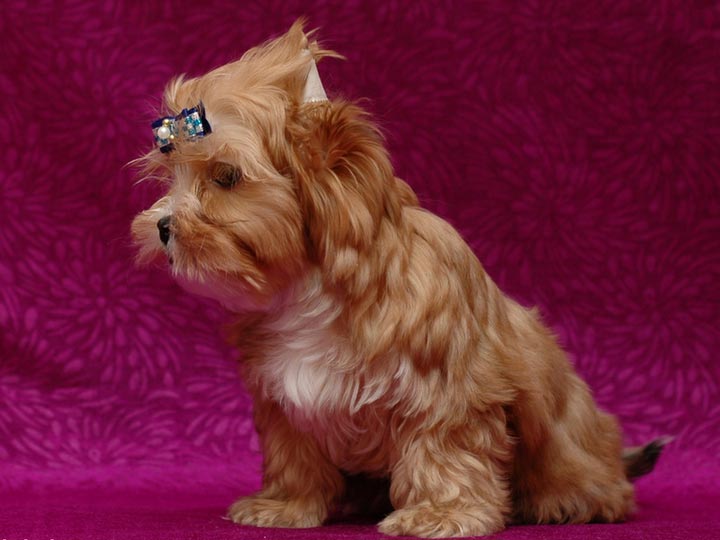
This gallery features beautiful photos of puppies and adult Russian Salon Dogs, true land mermaids.
Read also:


Add a comment