
Pink lichen in dogs: causes and treatment
Pityriasis rosea is a fairly common condition in pets. Many consider this type of lichen to be harmless, but it can sometimes cause severe discomfort and, in some cases, lead to serious complications, making it extremely dangerous to ignore.
Content
General information
Veterinarians currently disagree, but most believe that pityriasis rosea is an infectious and allergic condition, presumably caused by the herpes virus. It is very difficult to treat and carries the risk of frequent relapses. All owner efforts should be aimed at ensuring long-term remission.
Females are more susceptible to this disease due to periods of increased stress on the immune system during pregnancy and nursing. Animals under one year of age and over 10 years of age are also at risk. It is believed that pityriasis rosea is hereditary due to the inherited immune system.
Of particular concern is whether this disease can be transmitted to humans. Experts say that people with strong immune systems are immune to pityriasis rosea, but if your immune system is compromised, it's best to avoid contact with an infected animal.
Provoking factors and causes
The pathogen is present in the dog's body in a suppressed state, and after the immune system weakens, the infection may become active.
The main provoking factors are considered to be the following:
- history of serious illnesses;
- consequences of surgery and anesthesia;
- digestive disorders (prolonged diarrhea or vomiting);
- post-vaccination period;
- pathologies of the upper respiratory tract;
- avitaminosis or unbalanced diet;
- use of cosmetics and hygiene products that cause allergies or dry skin in dogs, etc.
Symptoms
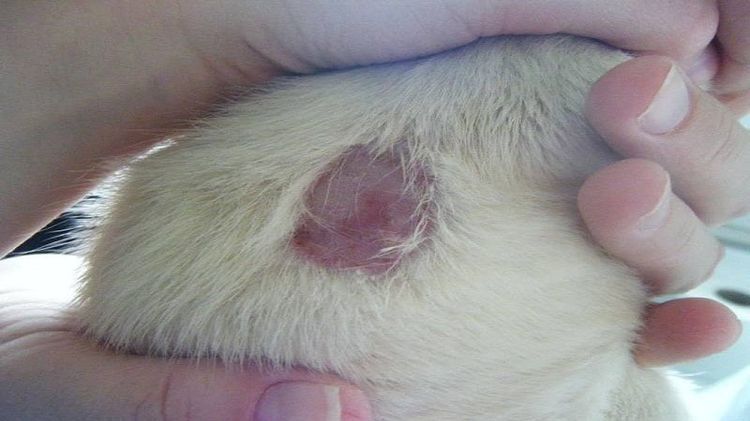
Symptoms vary depending on the stage of the disease. In the first few days, pink spots no larger than 2 cm in diameter may be visible on the pet's skin. This symptom is easier to notice in short-haired breeds.
To differentiate pityriasis rosea from other types of lichen, pay attention to the structure and color of the spots: in this form of the disease, they are wrinkled in the center, with a visible yellowish tint. Sometimes, small, peeling scales can be seen.
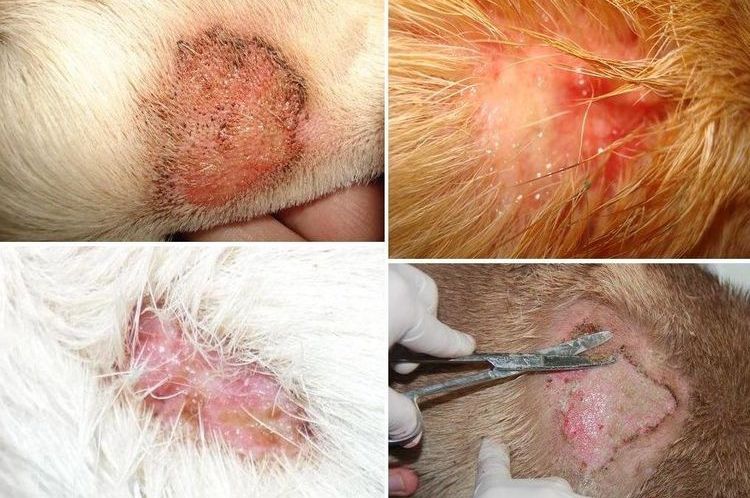
These spots don't increase in size for some time; most are only a few millimeters in diameter, although in some cases they can grow up to 2 cm. Sometimes, they resemble an allergic rash in appearance. At this stage, the dog experiences itching caused by dry skin.
After 5-7 days, the first lesions begin to disintegrate, leaving behind yellow spots with a severely flaky surface. The most commonly affected areas are:
- muzzle;
- groin;
- stomach.
Here, dogs' skin is usually more delicate and vulnerable.
The next stage is the complication of the course by the connected dermatomycosesIt occurs when fungal spores enter the affected areas, easily penetrating the affected skin. The surface becomes coated with a white film, the inflamed areas become larger, and serous fluid may ooze from them. This stage requires immediate treatment under veterinary supervision, as it can lead to sepsis.
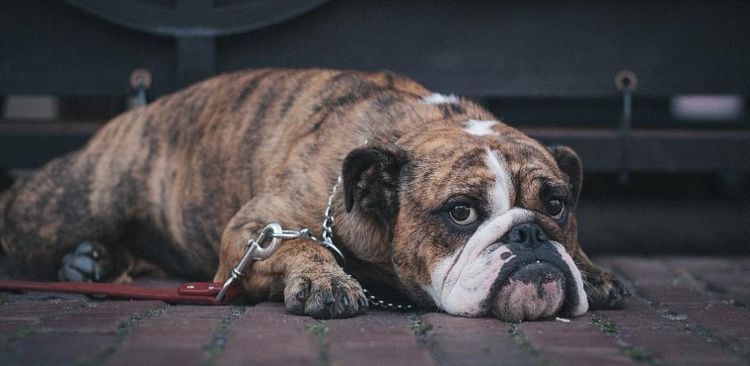
Signs of a complicated course are:
- intoxication;
- obvious discomfort;
- rapid fatigue of the animal;
- periodic fever;
- increased itching;
- inflammation and enlargement of regional lymph nodes.
Any stress associated with pityriasis rosea can dramatically worsen a dog's condition, with signs including increased heart rate and increased blood pressure. If complications do not develop, symptoms begin to subside approximately 20 days after the onset of the disease.
Treatment
To alleviate your dog's condition, treatment is essential from the first days of treatment. There are methods you can try at home, and others are recommended after consultation with a veterinarian.

Therapeutic methods
Veterinarians primarily recommend focusing on reducing itching, as scratching can spread wounds and can also encourage fungal growth in the affected areas. Antihistamines are prescribed for this purpose.
Veterinary treatment often involves the use of apricot kernel oil, licorice, or buckthorn infusions. All of these remedies should be applied to the affected dog's skin in areas affected by pityriasis rosea. It's important to prevent development of staphylococci, streptococci and other microbes that are very difficult to treat.
If fungal infection cannot be prevented, antibiotics are prescribed to suppress pathogenic microflora. Zinc ointment applications are prescribed to reduce flaking and dryness of the skin. The inflammatory process is controlled with anti-inflammatory corticosteroids.
Sometimes salicylic acid is recommended in solution, the concentration of which is determined by the veterinarian based on the skin condition. Salicylic acid not only has an antibacterial effect but also accelerates the healing process.
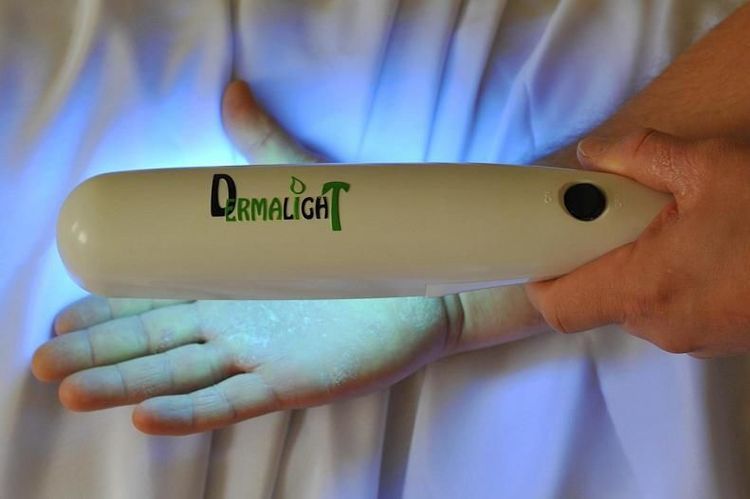
If the affected area is extensive, ultraviolet radiation may be prescribed. This is performed only with specialized equipment that allows for precise dosing and targeting of ultraviolet rays.
Home remedies
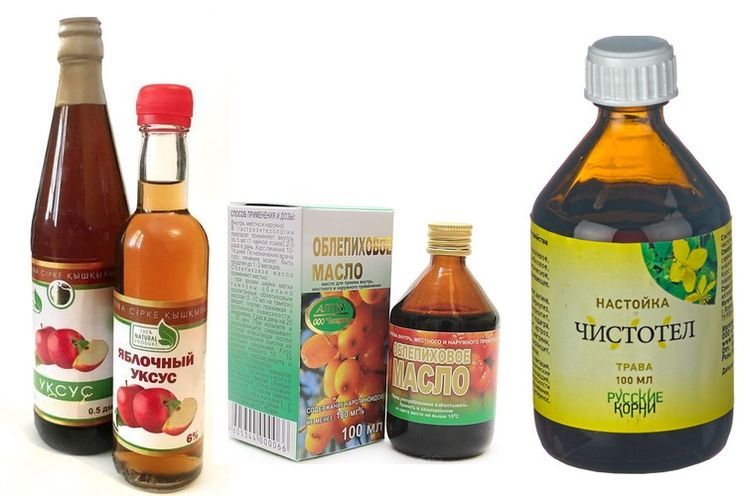
Home treatments can be effective and lead to symptomatic relief. One proven remedy is sea buckthorn oil. Apply a cotton swab soaked in the oil to the affected areas three times a day. There's no need to worry about your dog licking the oil, as it's completely safe for pets.
Another method involves rinsing the affected areas with apple cider vinegar seven times a day. Using regular table vinegar for this purpose is strictly prohibited, as its concentration is higher than that of apple cider vinegar, which can cause skin burns.
Equally effective is celandine tincture, which is easy to prepare at home. Place the crushed celandine in a dark glass jar and pour vodka over it. After 21 days, the tincture is ready. Give it orally to your dog, preferably after breakfast, 10 drops at a time. If you can't get your dog to swallow the tincture, you can wash the stains with a damp cotton swab.
Recommendations for the duration of treatment
There are a number of recommendations that, if followed, will speed up the recovery process and make life easier for the dog at this stage.
The main rules are as follows:
- the dog should be washed periodically using shampoos that have antibacterial and wound-healing effects;
- It is necessary to exclude from the diet any products containing flavorings, preservatives and other allergenic additives;
- you should not perform hygiene procedures more often than usual;
- It is advisable to postpone walks during sunny weather until recovery;
- You can use emollient creams that your veterinarian approves;
- The room where the dog is kept during treatment for pityriasis rosea should be periodically ventilated and maintained at a comfortable temperature.
All these recommendations will help shorten the therapy and reduce discomfort for your pet.
Read also:
- Cheyletiella in dogs: symptoms and treatment
- Scabies in dogs: symptoms and treatment
- Red spots on a dog's belly


Add a comment