
Rimadyl for dogs
Rimadyl is a potent nonsteroidal medication with analgesic and anti-inflammatory properties. It is commonly prescribed for musculoskeletal conditions and post-surgical interventions to reduce swelling, inflammation, and pain. Before using Rimadyl in dogs, it is important to read the instructions carefully, as overdose or improper use can have serious consequences.
Content
Composition and release form
Rimadyl is available in two pharmaceutical forms: tablets (more commonly used for treatment) and an injectable solution. The medication's composition and intended use differ depending on the form. The active ingredient is carprofen, but its concentration can vary within certain limits.
Pills
Carprofen tablets are available in 20, 50, or 100 mg strengths. They are packaged in polyethylene bottles with child-resistant screw-on caps. Each package contains between 14 and 180 tablets, but 20-tablet packs are the most popular.
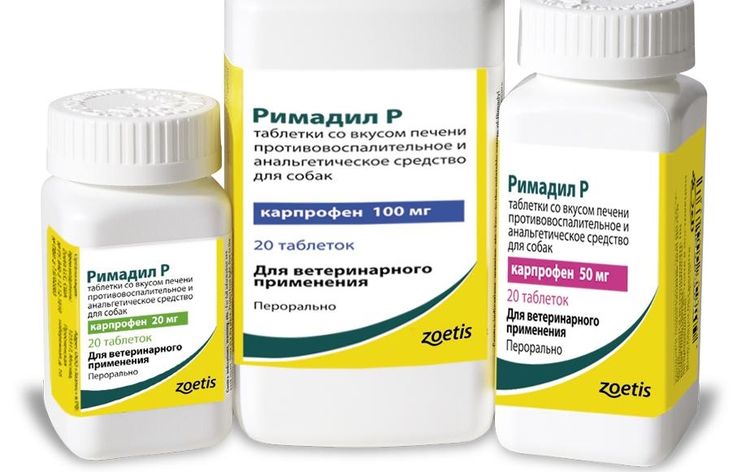
Rimadyl tablets are light brown. One side has a dividing line, making them easy to split if needed. The tablets contain dried pork liver powder, which gives them a pleasant, delicious aroma. To improve the taste, other excipients are included, including corn starch, glucose syrup, and vegetable protein.
Injection solution
The active ingredient in the solution is the same, but there are no flavor additives, since they are not necessary.
The solution is a clear liquid with a slight light-yellow tint. It is packaged in 20 ml brown glass bottles. Each bottle of Rimadyl is packaged in a cardboard box and comes with instructions for use.
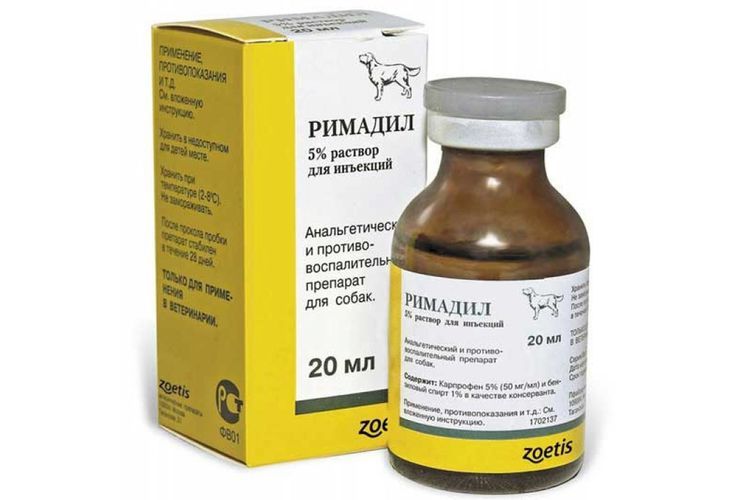
After puncturing the rubber cap, the product can be used for 4 weeks, after which it must be disposed of.
Pharmacological action
Since both tablets and solution contain the same active ingredient, their pharmacological properties and mode of action are similar. Carprofen inhibits cyclooxygenase production and has a greater effect on COX-2, which is involved in the synthesis of prostaglandins. These are integral players in the inflammatory process, causing pain and swelling. This is why Rimadyl has the following effects on the animal's body:
- relieves inflammatory processes;
- eliminates pain;
- has an antipyretic effect;
- eliminates swelling and other symptoms of inflammation.
A unique feature of carprofen is that it has virtually no effect on COX-1, meaning physiological processes proceed unaffected, and organs and systems function normally. Maximum blood concentrations are reached within 1-3 hours, and most of the carprofen is eliminated from the body within 8 hours. The drug is eliminated through feces and urine.

The drug may cause side effects, so taking it without a doctor's prescription or exceeding the dose is strictly prohibited.
Indications for use
The instructions for use indicate that Rimadyl for dogs is used to relieve or prevent inflammation and for pain relief in the following cases:
- for chronic pathologies of the musculoskeletal system, especially during periods of exacerbation;
- for joint disorders (osteoarthritis, bursitis, etc.), occurring in an acute form;
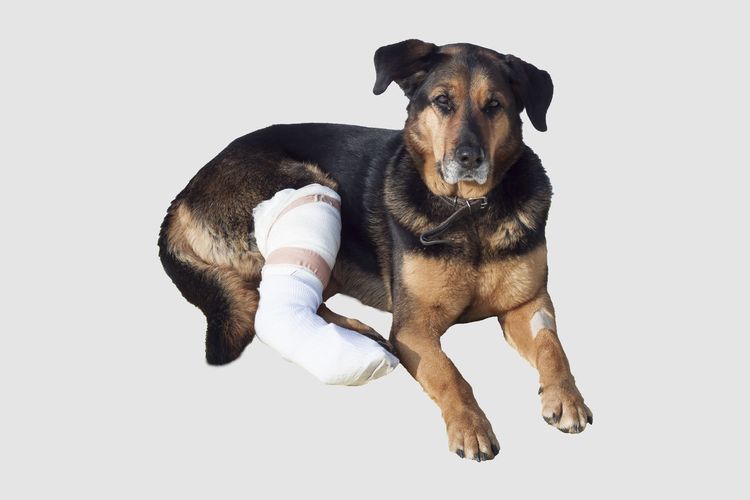
- after injuries (fractures, dislocations, bruises, cracks, sprains);
- after operations of various nature.
Since the drug works by blocking receptors and providing pain relief, it is used temporarily for chronic conditions to alleviate symptoms. Treatment aimed at eliminating the underlying cause of the condition should be administered concurrently.
Instructions for use
The dosage is calculated based on the animal's weight. The recommended dose is 4 mg of carprofen per 1 kg of body weight. The dosage depends on the dosage form.
Injection solution
Animals are given injections subcutaneously or intravenously, usually after surgery to prevent inflammation and reduce pain. The injection is given once. Depending on the pet's condition, the procedure is repeated after 24 hours. Subsequently, if necessary, injections are replaced with tablets. For every 12.5 kg of body weight, 1 ml of Rimadyl 5% is required.
Pills
Rimadyl tablets are more commonly used for dogs. As with injections, 4 mg of carprofen is required per 1 kg of animal weight. The number of tablets is calculated based on the concentration of the active ingredient. For example, a 50 mg tablet is sufficient for a weight of 12.5 kg.
When taking the medication, it is important to follow simple recommendations:
- The daily dose of the drug is given to the dog in two doses.
- The tablets have a liver aroma that attracts pets and they do not resist taking them.
- For long-term treatment, the daily dose should be halved to 2 mg/kg. The decision to reduce the dose should be made by a veterinarian, taking into account the dog's condition.
- If a dose is missed, take the missed pill as soon as possible and then resume your regular treatment regimen. Missed doses may reduce the effectiveness of the medication.
- It is better to give the tablets to your pet with food so that the impact on the gastrointestinal mucosa is minimized.
It is strictly forbidden to administer Rimadyl with other nonsteroidal or steroidal medications. They can replace the medication, but they should not be combined, as the dose could be life-threatening for your pet.
Contraindications
According to the instructions, Rimadyl R tablets, as well as the solution, cannot be used for dogs in the following cases:
- During pregnancy and lactation.
- For puppies (although the manufacturer doesn't specify an age). A veterinarian will determine the appropriate dosage on a case-by-case basis, taking into account the animal's condition, the risk, and other factors.
- In case of individual intolerance to carprofen or auxiliary components.
This medication should be used with caution in patients with chronic internal diseases such as the heart, liver, and kidneys, circulatory problems, gastritis, or other gastrointestinal disorders. Be sure to inform your doctor about any existing health problems. Furthermore, the medication may be dangerous for animals prone to allergic reactions. In such cases, closely monitor the animal and provide immediate assistance if necessary.
Side effects
The manufacturer claims Rimadyl is safe for dogs, but owner reviews often contradict this. The medication can cause the following side effects:
- nausea and vomiting;
- diarrhea or constipation;
- color change (sometimes to black);
- lack of appetite and lethargy;
- low dog activity;
- refusal to drink water or excessive thirst;
- redness or rash on the skin;
- the emergence of a craving for inedible foods;
- rapid heartbeat.
If any side effects occur, stop taking the medication and contact your doctor. Antihistamines and symptomatic medications are usually prescribed to alleviate the condition.

Price
The cost of Rimadyl for dogs depends on the dosage form and the number of tablets per bottle. A 20 ml injection solution will cost 1,700-2,000 rubles, while a package of 20 tablets will cost:
- 20 mg (active substance concentration) – 480-570 rubles;
- 50 mg – 520-670 rubles;
- 100 mg – 800-970 rubles.
Rimadil's analogs
Rimadyl (Zoetis) is an imported drug that is currently difficult to find in domestic veterinary pharmacies, so veterinarians can offer analogs that also contain carprofen as the active ingredient.
 Ricarfa
Ricarf tablets KRKA's products are available in different dosages of carprofen: 20, 50, and 100 mg (for small, medium, and large breeds, respectively). The dosage is determined by a veterinarian based on the animal's weight, but you can also calculate it yourself, based on the recommended dose of 4 mg per 1 kg of body weight, or 1 20 mg tablet for a 5 kg animal.
You can also purchase a 5% injection solution containing 50 mg/ml of the anti-inflammatory drug carprofen. These canine equivalents are less expensive than shipping imported Rimadyl, but it's important to note that 1 ml of solution is the daily dose for a 12.5 kg animal, so calculating the correct dosage for small breeds can be challenging.
 Remkal
Another carprofen-based tablet medication available in Russian pharmacies today. While Rimadyl for dogs can cost up to 800-900 rubles due to its popularity and logistical difficulties, cheaper alternatives like Remcal are more affordable. Tablets can be found for less than 400 rubles per package.
If you need to find a nonsteroidal anti-inflammatory drug for your dog, you don't necessarily need to look for Rimadyl or its complete analogues. There are good, inexpensive herbal-based medications available, such as Traumeel or Lobelon.
Meloxicam-based medications, such as Meloxivet or Meloxidil, are excellent for joint pain. They are available as both suspensions and injections.
Owner reviews
Alena, the dachshund's owner:
"Rimadyl killed my beloved dachshund, who lived with us for 12 years. Two weeks ago, the dog started pulling her paws behind her, and we immediately went to the clinic. The doctor prescribed Rimadyl. The dog categorically refused to take the pills, despite the liver odor. The dog developed severe diarrhea. She refused to eat and stopped getting up. We sought help at another clinic, and they prescribed homeopathic remedies, but the dog died. Be very careful with this drug!"
Anastasia, owner of a 2.5-year-old German Shepherd:
"I noticed that our young male dog (just 2.5 years old) had started limping during walks. We took him to the vet, had him examined, but couldn't determine the cause. The vet suggested Rimadyl, but warned him of the possible side effects. The treatment lasted seven days. Now the dog is doing well, running around actively again, and enjoying life."
Veterinarian Reviews
Anatoly, an experienced veterinarian:
"Rimadyl is a new-generation analgesic. Compared to other NSAIDs, it's considered safe, but its main drawback is its effects on the gastrointestinal tract. Your dog's condition should be monitored closely, and symptomatic treatment should be used if any side effects occur. Under no circumstances should this medication be administered to an animal without a doctor's prescription."
Raisa, a veterinarian with 20 years of experience:
"I prescribe Rimadyl for joint problems and after surgeries because I believe it's an effective medication. Of course, if administered incorrectly or if simple instructions aren't followed, it can be dangerous to an animal's health. I always give my clients clear recommendations on what to do if side effects are detected, which sometimes occur. In my practice, I haven't had any fatalities, although I've heard of them from others. I believe this depends on the doctor's qualifications and the attentiveness of the owners."
Read also:




2 comments
Natalia
Let's help other animals... I'm already afraid to give this drug to my dog.
Natalia
It's so awful reading the comments about this drug. Even though the doctor warned us, IF YOU HAVE DIARRHEA = STOP TAKING IT... and here they're writing that this drug killed a dachshund.
Add a comment