
Rimadyl for cats
Rimadyl is a veterinary painkiller prescribed to cats for injuries and musculoskeletal conditions. This nonsteroidal anti-inflammatory drug effectively relieves pain and other unpleasant symptoms, significantly improving the animal's condition. Despite its high effectiveness, using the medication without a doctor's prescription is strictly prohibited. Incorrect use can adversely affect the pet's health and even be life-threatening.
Content
General description
In pharmacies, the painkiller is available in two versions:
- injection solution (5%);
- tablets (come in different concentrations – 20, 50 and 100 mg).
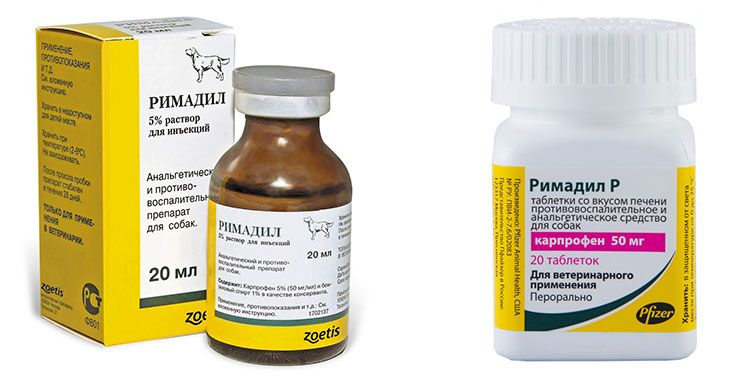
The instructions state that Rimadyl tablets are intended for dogs, but in practice they are often used for cats as well. Calculating the exact dosage is more difficult, so consulting a veterinarian is essential.
If the tablets can be stored in a cabinet or on a shelf in a cupboard, there are only two conditions: the location must be protected from sunlight and the air temperature must not exceed 25 degrees Celsius. The solution, however, should be stored in the refrigerator at a temperature of 2 to 8 degrees Celsius. After opening, the medication can be used to treat animals for 28 days, after which it must be discarded. No special disposal precautions are required. The medication can be disposed of with household waste.
How it works
Rimadyl works in a similar way to other nonsteroidal anti-inflammatory drugs (NSAIDs). Its active ingredient, carprofen, inhibits the formation of certain substances when it enters the body. These substances' main function is to participate in inflammatory processes. As a result, the drug has the following pharmacological properties:
- effectively suppresses inflammatory processes;
- quickly relieves pain;
- relieves swelling;
- has an antipyretic effect.
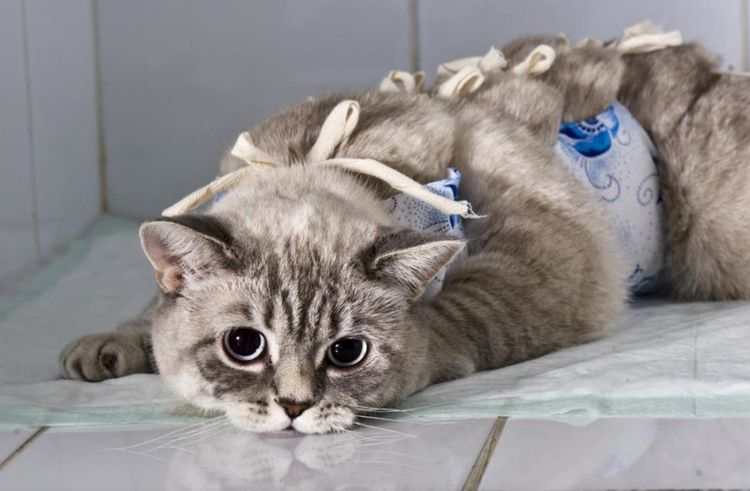
Once the active ingredient enters the bloodstream, it spreads throughout the body, so it works regardless of the location of the disease. The painkiller's effectiveness is due to the fact that 99% of carprofen binds to blood proteins. The concentration of the active ingredient reaches its peak within just an hour (or slightly longer if tablets are taken), and the onset of action typically occurs within 15-20 minutes after administration.
Rimadyl is a moderately hazardous substance and is well tolerated by cats when used as directed, but if the recommended regimen is not followed or the dose is exceeded, it can cause serious side effects.
Price
The price of Rimadyl varies depending on the dosage form. A 20 ml bottle of solution costs 2,000-2,200 rubles. Since cats typically receive one or two injections at most, purchasing a full bottle of the medication is generally impractical, and smaller bottles are not available. Furthermore, it cannot be stored for long after use. Many veterinary clinics allow you to pay for just one injection, which avoids overpaying.
A pack of 20 tablets (20 mg each) will cost 480-580 rubles. There's no point in buying other types of tablets for cats, as calculating the exact dosage is impossible.
When used
Since the main purpose of the drug is pain relief and the elimination of inflammatory processes, it is most often used in the following cases:
- in case of joint pathologies (arthritis, arthrosis, osteoarthritis, etc.);
- for intervertebral hernia and other diseases of the musculoskeletal system;
- for various injuries – lacerations, fractures, sprains, etc.
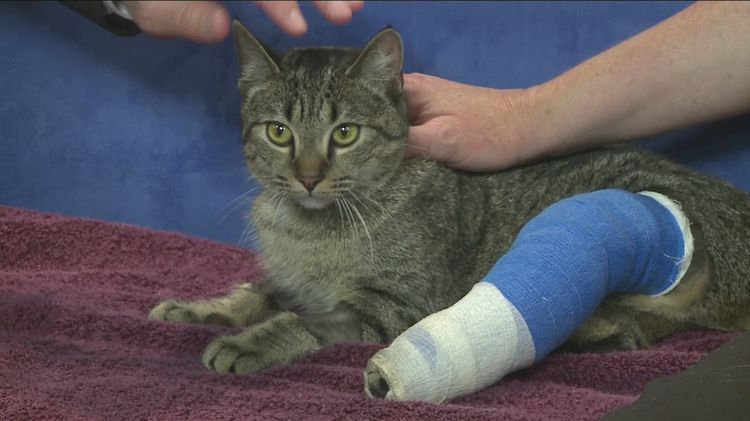
The medication is equally effective in relieving symptoms of acute and chronic conditions. Rimadyl is also commonly used in cats as a pain reliever during surgical procedures.
The medication can only relieve symptoms—pain, swelling, inflammation, and fever—so it's usually combined with other medications. Treatment of the condition can only be effective with a comprehensive approach. Along with relieving the unpleasant symptoms, it's also necessary to address their underlying cause, but the appropriate medication should be selected exclusively by a veterinarian.
Features of application
Rimadyl injections for cats are usually administered subcutaneously, especially when treating the animal at home. Most pet owners are familiar with administering subcutaneous injections. Intravenous administration of the medicinal solution is also possible, but this procedure is best left to a qualified professional.
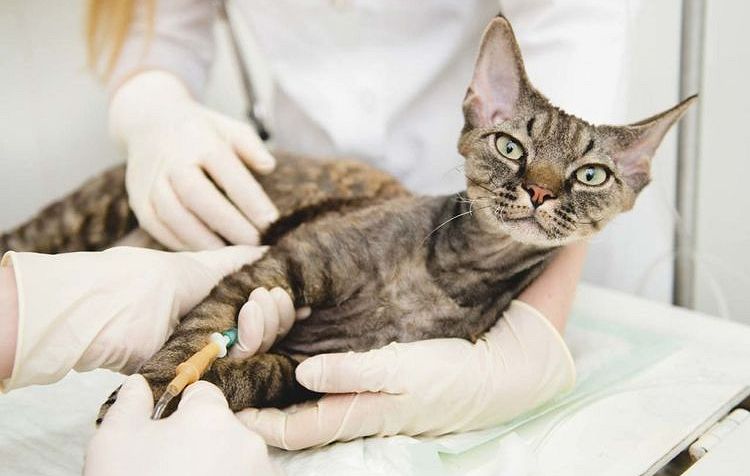
The dosage of the injection solution is calculated as follows: 0.24 ml per 3 kg of body weight, which is equal to 4 mg of active substance per 1 kg of body weight. Exceeding this dose is strictly prohibited. When using tablets, the dosage is also calculated as 4 mg/kg. For cats, only tablets with the lowest carprofen content—20 mg—are used. One tablet is sufficient for a 5 kg animal. The daily dose is usually divided into two doses to reduce potential adverse effects on the digestive system.
Important! The instructions state that Rimadyl should be used for cats only once. Repeated use should only be prescribed by a doctor, with the daily dose halved.
When using anti-inflammatory medications, there is a high risk of gastrointestinal bleeding, especially if the animal is given tablets. This is because the active ingredient can irritate the gastric lining. To reduce this risk, administer the tablets after meals, and also give the pet ranitidine, quamatel, or another medication that can prevent or stop gastrointestinal bleeding. When using Rimadyl, it is essential to strictly follow all doctor's recommendations and instructions.
Contraindications and side effects
The drug is contraindicated for cats in the following cases:
- during pregnancy;
- when feeding offspring;
- in case of renal failure and severe kidney pathologies;
- for gastric ulcer or duodenal ulcer;
- for other problems with the digestive system;
- in case of liver dysfunction.
For heart problems, Rimadyl should only be used under strict medical supervision. If your pet has chronic liver, kidney, or other internal organ diseases, the painkiller should only be used in emergency situations, and the doctor should constantly conduct tests and monitor vital signs.
The medication is also contraindicated in cases of intolerance to any of the components, as there is a high risk of developing allergic reactions, which can range from harmless (skin redness) to life-threatening (anaphylactic shock). If an allergy occurs, the pet is given an antiallergic medication and, if necessary, symptomatic therapy.
When taken as directed, the medication rarely causes side effects. Exceeding the dose may cause vomiting, nausea, upset stomach, and other digestive problems. These symptoms may be accompanied by lethargy and loss of appetite. Severe overdose can cause gastric bleeding, a life-threatening condition.
Important! Rimadyl should not be used concurrently with other nonsteroidal anti-inflammatory drugs (NSAIDs), including those containing a different active ingredient. Due to increased toxicity, the risk of side effects increases. For the same reason, this pain reliever should not be administered concurrently with medications that are toxic to the kidneys.
Owner reviews
Irina, owner of a 12-year-old cat:
"After his neutering, the cat gained quite a bit of weight. And although we fed him special food, his lack of mobility played a key role. As he got older, we noticed he started limping when he walked. We went to the clinic, where he was diagnosed with osteoarthritis. Excess weight could have been a contributing factor. After a Rimadyl injection, the cat stopped limping, but to get any improvement in the damaged joint, he had to undergo long-term treatment. The painkiller didn't cause any side effects, despite many negative reviews online."
Valentina, owner of a Siamese cat:
"We decided to spay my cat, but after the surgery, the incision site became very inflamed. The incision site was clearly painful, so we had to go back to the hospital. The doctor suggested Rimadyl for a couple of days. It worked immediately. We gave it in tablet form for three days. It's a shame we had to throw away almost the entire package, and I paid over 500 rubles for the medication. But my cat's health is more important."
Veterinarian Reviews
Dmitry, veterinarian from the Dog and Cat clinic:
"One of the most effective painkillers for animals. I usually use it on dogs, although I also prescribe it to cats, especially after surgery and for serious injuries such as falls from heights or being hit by a car. Owners are advised not to self-medicate with Rimadyl. The consequences can be dire, even fatal."
Evgeniy, a veterinarian with 7 years of experience:
"Although expensive, it's an effective medication. It quickly relieves pain, swelling, and inflammation. It can be used in combination with other medications, but it's expensive. Another drawback is the potential for side effects. However, not all nonsteroidal medications are safe."
Read also:


Add a comment