
Dog feeding regimens
Each owner decides for themselves what feeding regimen is right for their pet. Some rely on expert recommendations and information gathered from literature on the subject. Others believe their dog only needs kindness and scraps from their own food. Trouble usually awaits the latter group of dog owners. If a dog's feeding regimen is incorrect, animals suffer from digestive problems, become emaciated, or, conversely, obese.
These problems will be avoided if you choose the right foods for your pet and feed it according to a schedule tailored to its needs. A veterinarian familiar with your pet's needs will determine the optimal feeding schedule. What feeding schedules are available for dogs?
Content
Unlimited access to feed
A free-feeding regimen with unlimited access to food is one option. Free-feeding is convenient for owners and requires no special skills or portion control. It is important to ensure that fresh food is available to the animal at all times.
Pros and cons
Dogs kept on a leash don't have to worry about anything under this regime. If kept in a group, each pet always has the opportunity to get their share. This regime has a downside: when a pet has no appetite, the owner may not always be able to detect the problem, especially if several animals are being fed at the same time. Some animals, on the contrary, may consume excessive amounts of food, which increases the risk of obesity.
With unlimited access to food, you can pick up A dietary food whose volume and composition allow for quick filling, satisfying the animal's appetite and energy needs. A free-feeding regimen helps to establish the individual needs of each dog: some eat several times a day, while others eat infrequently but in large quantities.
When transitioning an animal to free-feeding, it's best to initially offer the usual amount of food. Once the dog has satisfied its appetite with the given portion, add more food so it knows more is available; this will prevent it from quickly devouring everything offered. Many pets overeat during the transition to free-feeding, but will later accept food more calmly. If a dog consistently overeats while on free-feeding, it's a good idea to establish time-limited mealtimes.
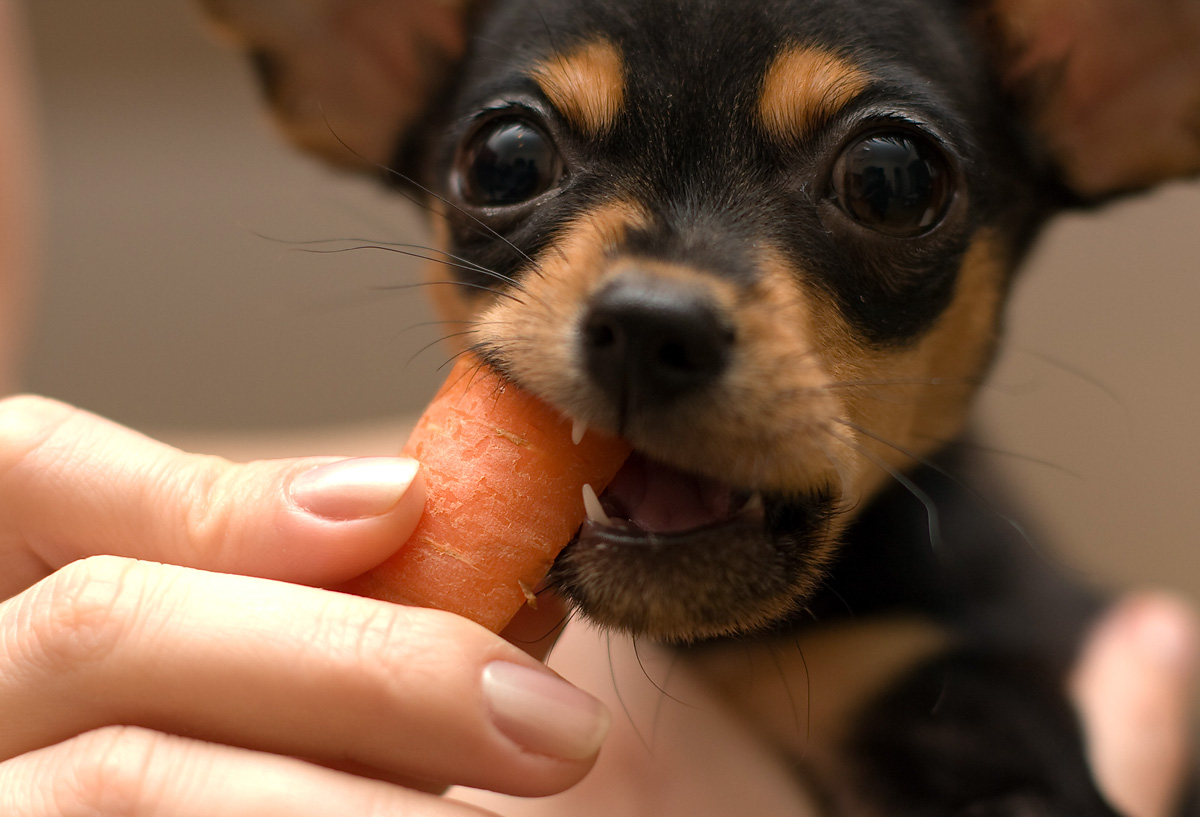
Is it suitable for puppies?
As for nutrition of puppiesFoods for this category of dogs are characterized by good taste and high calorie content. When left to their own devices, actively growing animals sometimes overeat, which can lead to obesity. If excess weight appears during the growth period, it's highly likely to be a lifelong problem.
Large-breed puppies are at risk for bone disease, along with obesity. While most young dogs can tolerate free-feeding without these problems, it's best to avoid this until the puppy reaches 90% of its adult weight. The optimal feeding schedule for puppies is time-restricted feeding.
Time-limited feeding regimen
Frequent feedings also have their pros and cons. For example, energy expenditure increases due to increased heat production. The average daily amount of food consumed also increases compared to less frequent feedings.
On the other hand, a split diet can help manage conditions such as liver or intestinal disease, hypoglycemia, pancreatic insufficiency, and diabetes. These health issues typically involve a disruption in the system that regulates blood sugar levels, impairing glucose absorption. Feeding dogs small, frequent meals often compensates for these issues. Multiple meals are beneficial for dogs with higher energy expenditure.
For example, these include females nursing puppies, dogs kept in cool environments, small-breed puppies under 6 months of age, and animals involved in heavy work. These categories of dogs should be fed three or more times per day, with the total amount of food per unit of body weight being 1.5 to 3 times higher than that of a typical adult dog. Feeding less frequently risks reducing overall nutrient intake.
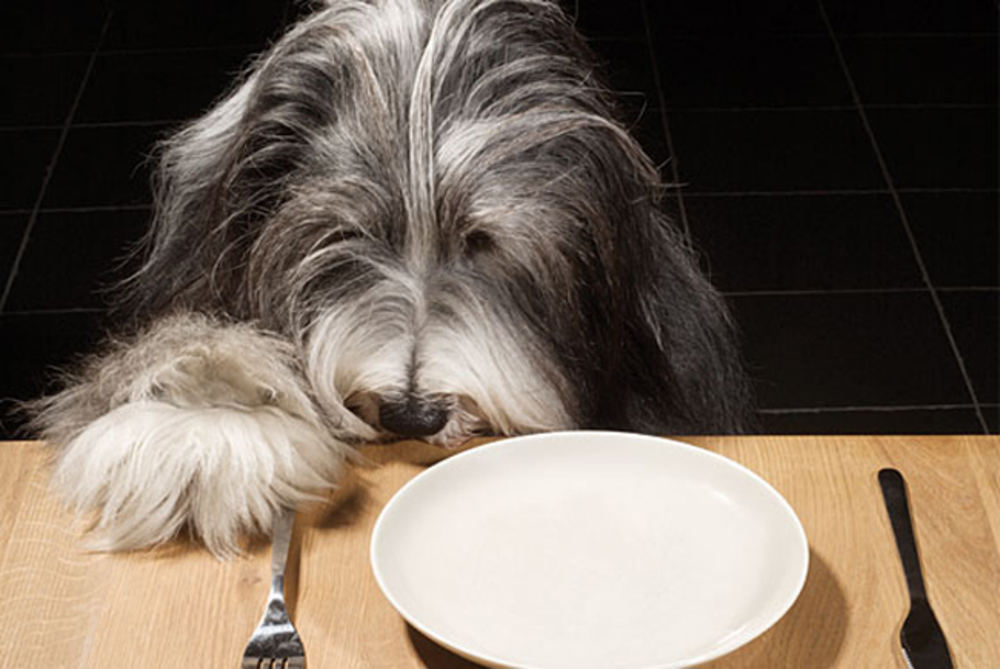
Limited feed regime
A limited-feeding regimen allows owners to control the amount of food consumed. This method is recommended for dogs with poor appetite, as it allows for early detection of critical malnutrition and appropriate intervention. Dogs weighing less than 5 kg, female dogs in the second half of pregnancy, and growing large and medium-sized breeds should be fed at least twice a day, as they have a higher energy requirement per unit of body weight.
A single meal per day doesn't always cover the dog's energy needs. Even if the dog eats its daily ration immediately, after a while it will begin begging for more. For example, if the animal eats in the morning, it may ask for more in the evening or even at night. Feeding twice a day eliminates this problem.
Many healthy pets (excluding working, stressed, or nursing females) in good physical condition with no appetite issues are able to consume their daily food intake within 10 minutes without any adverse health effects. However, frequent feeding is a better option than single feeding. Dogs fed once a day are prone to bloat and gastric dilatation, and this has been proven.
Unfortunately, eating too frequently can lead to another negative effect – renal hyperfusion, which can subsequently lead to the development of certain kidney diseases.
So, it can be concluded that feeding twice a day is optimal and will minimize any negative consequences for your dog's health. Veterinarians advise avoiding treats from the owner's table between regular feedings. Such unplanned snacks can lead to obesity and make the diet unbalanced. Dogs should not be offered sweets. Small bones, which can cause oral and gastrointestinal injuries, are also prohibited. Large bones are also a concern: while they help clean plaque from the pet's teeth, they can also damage the integrity of the tooth enamel.


Add a comment