
Irritation and itching in a dog after a haircut
Haircuts are an essential part of grooming, helping to maintain the desired appearance for different breeds. They also ensure the pet's overall health, as matted and tangled fur can become a breeding ground for bacteria, fungi, and parasitic insects. However, this process can often cause certain problems, the most common of which is irritation and itching in dogs after a haircut.
Many dog owners blame groomers for their pet's problems, citing their lack of expertise or failure to follow all hygiene rules during grooming. In reality, irritation and itching after grooming can have many causes, and to determine the cause and prevent it in the future, it's important to understand this issue in more detail.
How does it manifest itself?
It's fairly easy to notice if your pet is bothered by something after a haircut. The reactions depend on the severity of the itching and irritation, as well as the pet's temperament.
Most often, the first signs are changes in the dog’s behavior:
- active scratching and licking of inflamed areas;
- the pet becomes irritated and capricious;
- the animal may try to retire or, on the contrary, actively seek support and comfort from the owner;
- aggression often appears, the dog is sharply against being petted or simply touched;
- appetite decreases;
- lack of desire to go for walks;
- The animal rolls or rides on its bottom to relieve discomfort in the groin and tail area.
But there are also pets that show no outward signs of distress. However, they may exhibit external symptoms, sometimes very intense.
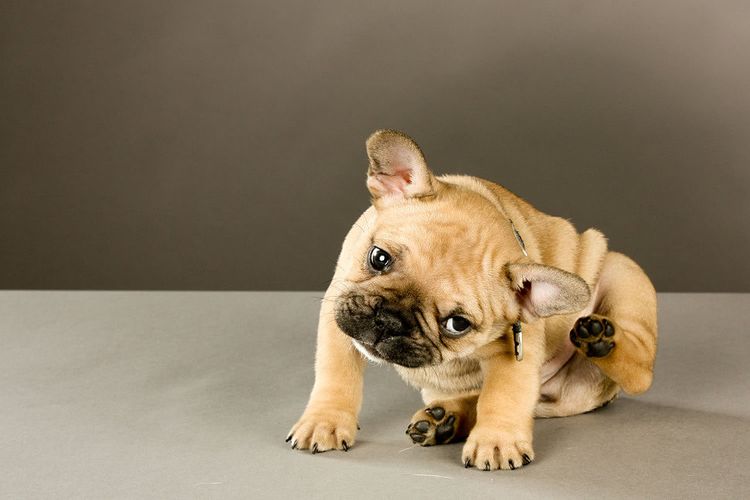
Most often, after grooming, the following manifestations on the skin occur:
- redness of any size;
- papules;
- small scabs;
- peeling.
Intensive brushing can cause sores to form in irritated areas, which will become even more inflamed and bleed. Most often, irritation after grooming occurs on the neck, ears, groin, and tail area.
Behavior may vary depending on whether the pet can reach the affected area. When the inflammation is out of reach, the dog often begins to whine. If it can reach it, it constantly licks or scratches the affected area with its paws.
Such reactions do not always occur on the same day; sometimes they may only appear on the second or third day.
Reasons
Irritation or itching after a haircut can occur for a variety of reasons, whether it's a Yorkie, a Pomeranian, or a Labrador. Some are physiological, but there are other factors as well. For example, the intense stress some animals experience during grooming. Some are afraid of the buzzing clippers, while others react poorly to strangers, making the grooming process very frightening. Severe stress can cause a rash to appear on the skin within a few hours, causing significant discomfort.
In addition, a new hairstyle may simply be unusual for your pet; such a short coat causes a constant urge to scratch, which can lead to negative consequences.
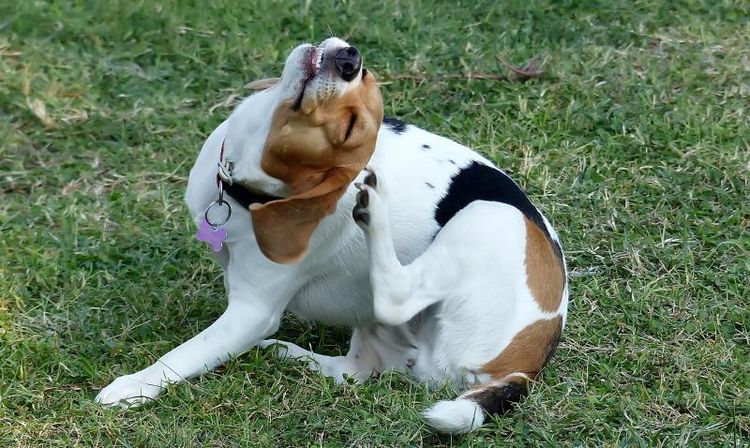
The remaining reasons can be identified as follows:
- Hygiene products used in grooming. Haircuts are never performed in isolation; with the right approach, a whole series of procedures follows, including washing, drying, ear cleaning, nail trimming, and more. These procedures involve the use of various products and solutions, some of which may cause allergies. There is an increased risk when sending a pet to a new groomer with an untried set of hygiene products and grooming techniques.
- A reaction to the contact of the skin and the metal blades of the clippers. This is especially common in breeds with sensitive and irritated skin. Generally, the shorter the haircut, the more likely it is to develop itching after a visit to the groomer.
- Too infrequent frequency of treatments. If treatments are performed extremely infrequently, the skin does not fully adapt to them. Regular visits to a specialist improve skin immunity and resistance to irritation.
- Large mats form in some breeds. For proper grooming, these mats must be untangled and combed out, which can cause additional microtrauma.
- Insufficient processing of the instrument, which is reusable and may contain germs and skin particles from other animals serviced by the technician.
In general, a haircut is a normal procedure, after which there should be no negative manifestations if everything is done with the required frequency and in compliance with the rules.
What to do
As soon as the owner notices any irritation, they should call the groomer who groomed their dog and inform them. The groomer will be able to take additional measures to prevent infection of other clients if a disease is the cause.
If a dog begins scratching itself vigorously, potentially increasing the irritation, it needs help. Ignoring these conditions is critical, as ulcers will soon develop, eventually developing into wounds that can become infected with bacteria. This can even lead to sepsis and death.
If the itching is severe and simply distracting the pet isn't enough to stop scratching, a sedative can be administered for several days. It's important to choose a safe medication that will allow the dog to sleep normally and control its activity.
Sometimes it's recommended to play with your pet more often during these days, or take them for walks, to keep them distracted and occupied. This will help them forget about the itching.
To reduce discomfort, treat the inflamed areas with an antiseptic solution such as Miramistin or Chlorhexidine, then apply a soothing ointment or cream such as Sudocrem, Bepanthen, or Boro-Plus. Sometimes tea tree oil or baby cream is recommended.
When applying any of these products, monitor your pet's reaction, as in rare cases they can cause a burning sensation. The key is to prevent the pet from licking the product off the skin. Sometimes, antihistamines may be recommended to help reduce inflammation and itching. The situation should resolve within 3-4 days.
If the inflamed areas of the skin begin to crust over, there is a high probability of fungal infection, so the dog should be shown to a veterinarian.
How to prevent
As with any problem, irritation and itching after grooming are easier to prevent than to treat. To avoid this, follow these recommendations:
- Gradually accustom your pet to hygiene procedures so that they do not become too stressful.
- Choose a groomer who can find common ground with the client and in whose presence the dog can feel normal and relaxed.
- A specialist must be responsible and never neglect the requirements of hygiene, disinfection and preparation of instruments before procedures.
- Grooming should be done as often as required for the breed. Trying to save money on grooming visits can be detrimental to the animal's health.
- It's important to choose a shampoo that won't cause allergic reactions and use it before grooming. There are many such products, but owners should be aware of which ones cause irritation and itching in their pet.
- Remember the area where the sensitivity occurred and point it out during future visits so that the hair in these areas can be left a little longer - this will reduce discomfort.
- The tail and groin should cut special attachments, and if you don’t have these, then use regular hairdressing or thinning ones scissorsIn these areas, experienced specialists leave the hair slightly longer than on other parts of the body.
If all rules are followed, the risk of itching and irritation is reduced to a minimum, and slight redness and discomfort in sensitive areas will disappear on their own within a couple of days.
Read also:


Add a comment