
Rickets in dogs
Rickets in dogs most often develops at a very young age. As dogs become more mature, osteoporosis and osteomalacia (softening of the bones due to the leaching of large amounts of calcium) develop. Owners can feed their pets kilograms of cottage cheese, but if they overlook one small detail, it will all be in vain. Today, we'll cover the symptoms and treatment of rickets in dogs in detail.
Content
What is rickets?
Rickets is a non-contagious disease. Therefore, there's no need to worry about it being transmitted from a dog to other pets or humans. It's extremely rare to inherit (although a predisposition is possible, especially if the nursing dog has calcium or phosphorus issues).
But rickets is a threat to young puppies. Older pets experience more serious problems, such as osteomalacia and osteochondrosis, and postpartum morbidity in females who have given birth. eclampsia, which can even lead to the death of your pet.
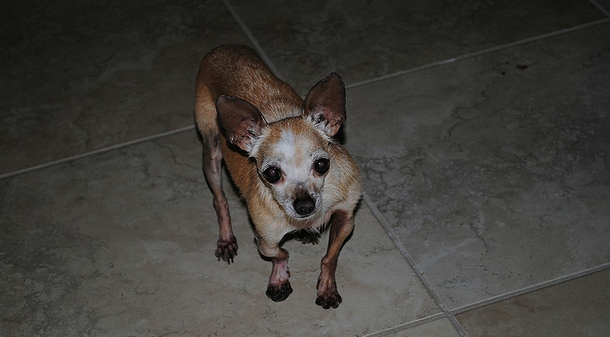
Causes of rickets in dogs
There are several causes of rickets in dogs:
- Lack of calcium in the diet.
- Phosphorus deficiency.
- Vitamin D deficiency.
Even just one cause is enough to trigger serious health problems. Even if you enrich your dog's diet with calcium and phosphorus, but don't provide enough vitamin D, rickets will develop. Without this vitamin (which can be produced in the animal's body if it's exposed to ultraviolet light), calcium simply isn't absorbed.
If there's a phosphorus deficiency, the balance is disrupted. In short, a seemingly harmless deficiency of one nutrient can lead to irreversible consequences. After rickets, bones won't straighten; they'll remain wheel-shaped.
The onset of the disease may go unnoticed, as there are no visible changes in the bones yet. The first, subtle signs include changes in the central nervous system. It senses metabolic problems and sends alarm signals. At this stage of rickets, the dog becomes timid and restless. It tires quickly, is unusually excitable, and has problems with reflexes. Additionally, the pet periodically experiences itching. The dog begins scratching and rubbing its naturally thick fur. The animal remains in this condition for a short time – 2-3 weeks. After this, if no action is taken, noticeable changes in the skeletal system appear. This is because there are no longer enough mineral salts to fully saturate the bones. In dogs with rickets, the calcium salt content in the skeleton is three times lower than what is naturally required. This affects the bones as follows:
- they are softer;
- there is a feeling of pain;
- the shape of bones changes easily.
The change in shape is most noticeable in the limbs. The long bones of the legs bear the brunt of the body's weight. Each joint of the paw, due to the increased load, develops a thickening—a bracelet. The forearm bones become arched, and they also become very fragile and prone to fracture. This problem especially affects large dogs. Naturally, all this causes problems with mobility.
Then comes the teeth's turn. Healthy puppies already have a fully formed jaw by the eighth month. A sick animal begins to lose baby teeth Around a year old. Furthermore, some teeth change shape, sometimes causing disfigurement. The enamel of these teeth is in critical condition; they become yellow and crumble. Due to the elongation of the upper jaw and deformation of the lower jaw, the natural bite is disrupted.
Symptoms of rickets in dogs
Although the symptoms of rickets in dogs vary, they are difficult to confuse with those of other diseases. After all, almost all signs of the disease are external and quite obvious. But let's take it one step at a time. How can you identify rickets in a dog?
- The spine becomes curved and a strong stoop appears.
- The animal becomes very lethargic, gets tired quickly, and is in a completely unplayful mood.
- The muscles are weak. Because of this, even when walking, the legs are slightly bent. If you palpate the muscles, you'll feel a lack of tone. They're very flabby.
- One of the obvious symptoms of rickets in dogs is the fact that the joints on the paws thicken (osteochondrosis), and nodules appear on the ribs - rachitic beads.
- Visible problems include poorly developed teeth. They can become crooked, crumble, or even fall out.
- A sick puppy may start eating everything in sight: soil, dirt, feces. It may also lick walls, floors, and doors. Overall, this isn't exactly normal behavior, even for a puppy.
- Bones can easily break, even with a minor impact or fall. And puppies rarely look where they're going, like toddlers, clinging to everything, their paws getting tangled. This makes them very prone to injury.
- The rib cage also changes, becoming wider, as if it were sinking due to the pressure of the weight on the rib cage bones.
- Some signs of rickets in a puppy can only be recognized by a veterinarian during a thorough examination. A deficiency in calcium, vitamin D, and phosphorus can lead to heart, liver, and kidney problems.
This is what rickets looks like in a puppy:
Below are some examples of rickets symptoms in dogs in the photo:
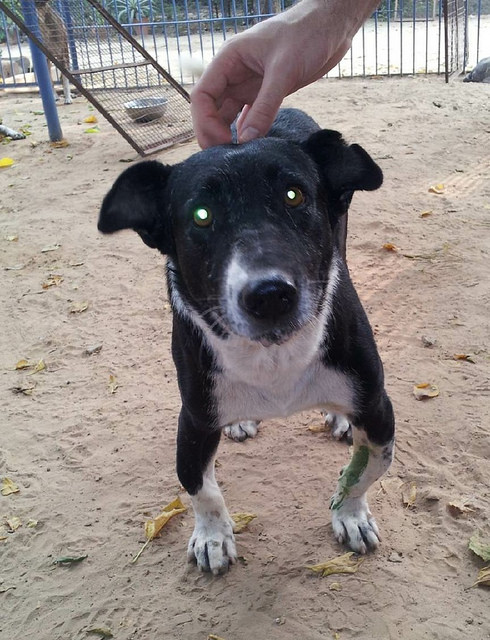
If you notice one or more of the above signs of rickets in dogs, we recommend that you immediately consult a doctor and begin treatment.
Rickets in dogs affects more than just the internal bone structure. The disease causes uneven deposition of calcium on the skeletal system. This is visible as thickenings and nodules. These are often found on the forehead and crown. If you palpate the anterior ribs of an affected animal, there's a good chance thickenings will also be present there.
This is the peak period of the disease, and in addition to the above, rickets is accompanied by changes in the musculoskeletal system. The ligaments become less elastic and resilient. This can lead to the dog's rear-end "thrown up" and the hind legs splaying out. Due to laxity and flabby condition, the abdominal muscles sag, no longer able to withstand the pressure of intestinal gases. This leads to a gradual increase and decrease in the abdominal size.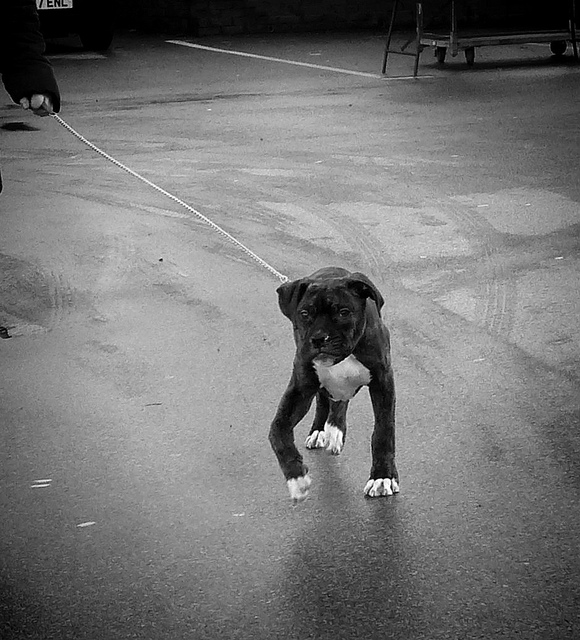
Rickets is unlikely to be fatal for a dog. However, the risk of severe disability and unsuitability for normal living conditions is quite high. For example, you can't take a dog with rickets hunting.
But these aren't the most serious consequences of the disease. Much worse are the changes to the hip joint, pelvic bones, and rib cage. If a dog's hip joint is affected, it becomes lame. At first, this isn't very noticeable, but over time, the pathology worsens. Deformed pelvic bones also pose a problem with reproduction.
The chest is more susceptible to rickets than other bones. The ribs become painful and easily injured.
Initial problems with the central nervous system continue to manifest themselves later. The dog may suffer from convulsions, spasms, and seizures. These symptoms can range from mild to severe. A prolonged seizure can be fatal.
Treatment of rickets in dogs
How to treat rickets in a dog? If a veterinarian confirms the diagnosis, treatment should begin as soon as possible to avoid serious complications. The process isn't quick, it's not cheap, and it's not always effective. Before starting treatment, be sure to visit your veterinarian. They can determine exactly what your pet needs. Only then can treatment begin.
- If you're deficient in this vitamin, ergocalciferol (5,000-10,000 IU) is ideal. Don't exceed this dose, as it can lead to hypervitaminosis.
- Along with ergocalciferol, calcium gluconate (0.5 ml total) should be administered intravenously. The frequency should be two to three times a week.
- You'll also need trivitamin. It's administered either intramuscularly twice (sometimes once) at a dose of 1 ml per 10 kilograms of body weight, or directly into the mouth (one to ten drops). This will strengthen the immune system and support your pet.
Don't rely solely on vitamin D therapy. It's a good idea to supplement your dog's rickets treatment with retinol capsules (vitamin A), tocopherol (E), Duovit, Aevit, and other vitamin supplements. However, don't exceed the recommended doses. Follow your veterinarian's instructions.
And be sure to take longer walks. Not just 5 minutes to relieve yourself, but a full, long walk in the sun so the puppy is exposed to ultraviolet light, thereby stimulating vitamin D3 production in its body.
Prevention of rickets in dogs
The only thing cheaper than treatment is preventing rickets in puppies. And it's quite simple. First of all, you need to create a diet that contains everything in the required quantities. That's why it's so important to feed your puppy properly. Don't feed just one type of food. Be sure to diversify your dog's diet. It should include not only meat and cereals, but also dairy products. Plain milk isn't always digested. Yes, when puppies are very young, their intestines contain enzymes that break down milk components. But as they grow older, these enzymes are lost, which is why after drinking milk, the dog develops diarrhea.
For this reason, it's recommended to add fermented dairy products to your puppy's diet: kefir, sour cream, fermented baked milk, cottage cheese, and yogurt (unsweetened and without any additives; you can make natural yogurt yourself from milk and a special starter culture). These foods should be included in the puppy's bowl daily. Just make sure to include enough so that your puppy eats everything. And be sure to thoroughly wash the bowl after each meal to prevent spoilage and food poisoning.
You can add special vitamins for puppies to their food. Apply only the amount recommended according to the instructions. Don't forget about minerals. You can often find specialized fortified fish oils for sale. You'll have to force it into the puppy's mouth; it's unlikely they'll take it voluntarily. Don't give it every day. The ideal frequency is every other day. The amount depends on the puppy's size. The smaller the puppy, the smaller the dose. It ranges from 3 to 30 ml per serving.
Just make sure your puppy doesn't grab anything from the ground or sniff other pets before vaccination, otherwise there's a high risk that your little pet will contract distemper, parvovirus enteritis, or other infectious diseases.
Any questions? You can ask our website's staff veterinarian in the comments below, who will answer them as quickly as possible.
Read also:


16 comments
Alexey
We bought a French bulldog puppy, 1 month and 10 days old, everything seems to be fine, but he has a very big belly, is active, cheerful, does he have rickets?
Daria is a veterinarian
Hello!
I hope your puppy grows up active and healthy!
At this age, puppies and kittens do have larger bellies relative to the rest of their bodies. This is especially noticeable after the puppy has fed. As the puppy grows, this characteristic disappears.
Rickets develops when a child is fed an unbalanced diet. Most often, the first obvious signs of rickets appear at 2.5 to 3 months, and then they only worsen.
A diagnosis of rickets can only be made after conducting an X-ray to determine bone density.
If your pet is fed a commercial diet or a balanced natural diet, this problem will pass you by.
Wishing your Frenchie a long and healthy life!
Olga
Good afternoon. We have the same problem. We bought a puppy. At 1.5 years old, he developed a problem with his paw.
Daria is a veterinarian
Hello! You need to make sure it's actually rickets and not a genetic defect. If it is, you need to supplement your puppy's diet with calcium, phosphorus, and vitamin D (add fish oil and increase sun exposure). Without vitamin D, calcium simply won't be absorbed. Without phosphorus, you won't achieve positive results; the crooked limbs will persist. With a balanced diet, all defects disappear within a couple of months. There are special foods, supplements, and injections are also possible (but they'll require daily injections, which are traumatic for the puppy).
Nikita
What should a dog do when it wakes up and cries?
Daria is a veterinarian
Hello! I need to take my pet for an examination to determine the problem. It's unclear whether her paws are hurting (possibly arthritis or an injury) or whether there's an organ system issue (heart or lung pathology, since she's groaning when she stands up). There's no information about her body temperature, age, living conditions, how long the animal has been sick, or any other symptoms. In any case, an X-ray or ultrasound is necessary, along with a blood biochemistry panel. It's impossible to make a random diagnosis without a detailed history and examination data.
Ilyas
Hi everyone, guys, I have a 3.5 month old hound puppy. Around 2 months old, he started jumping up on one paw. I thought he stepped on it by accident. His lameness has gone away. Now he runs and jumps well. But now I can see small bumps on his paws where the curves are, unlike other dogs. Will this go away? I need him for hunting, will he be able to work?
Daria is a veterinarian
Hello! The easiest way is to get an x-ray. Rule out dysplasia (it occurs not only in the hip joints) or other orthopedic conditions. Based on the x-ray, the vet will tell you what awaits the puppy: whether it can be corrected or whether it will be a lifelong pathology, whether it will be able to hunt normally or whether it will be a "reject" (a terrible word for a living creature, but there's no other way to say it).
NATALIE
Our puppy, 6 months old, has weak hind legs and pulls them up when walking. If you walk quickly, he starts jumping with his hind legs, and there's a sort of arched hump on his back. And on the top of his front paws, where the nails are, the nails themselves wear down to the point of bleeding from walking for a long time. It sounds like we have RICKETS.
Sasha
Hello, we got an Alabai puppy who has rickets, but they said they gave her injections and her paws seem to be straight. I give her calcium gluconate and fish oil, but my puppy still licks the walls. What medication should I give her that has everything she needs? I think I'm giving her this gluconate for nothing.
Svetlana
After treatment, the dog makes a full recovery. What are the consequences for the future? I wanted to get a puppy from a shelter, but he's being treated for rickets, and I don't know what to do, whether I'll be able to cope in the future.
Dasha is a veterinarian
Hello! This isn't a contagious disease, so there's nothing to worry about. Improve your puppy's feeding and care, introduce calcium, phosphorus, and vitamin D into their diet, take them for more walks, and engage in physical therapy. If your puppy has developed this condition, it's only because they weren't getting enough calcium and vitamin D. The consequences (if the disease is left untreated) include brittle bones, a crooked chest and paws (especially the front ones), and teeth that may wear down and crumble earlier (if you don't monitor their diet). But with proper care, a balanced diet, and preventative visits to the veterinarian (at least a blood test for biochemistry), these animals are completely healthy, no different from other whiskered pets. The veterinarian will give you feeding recommendations. So don't worry! Even previously healthy dogs with improper nutrition can suffer from a similar condition—osteomalacia (softening of the bones). Everything will depend on your approach. But there's nothing to worry about or worry about. It can be treated and quite well.
Sergey
After the vaccination, my dog's front legs became very crooked. What should I do? The dog is 3 months old.
Dasha is a veterinarian
What does this have to do with vaccinations? The animal clearly shows signs of rickets! Give it vitamin D, give it calcium! The legs won't straighten out, but at least you'll avoid serious health problems. If you keep pulling, the last tail vertebrae will dissolve, the rib cage will become distorted, you'll feel "rosary beads" on the ribs, the bones will become brittle, and the teeth will be bad. Get to the vet right away! Let them prescribe vitamins and minerals, create a healthy diet, and monitor the puppy's condition.
ivan_t
Prevention is, of course, much better. Why treat when you can try to prevent it? We go for walks every morning and try to go out again in the evening, if possible. I feed him natural food. I developed the diet with the advice of a veterinarian, and I give him Radostin vitamins for puppies. I didn't know about the fish oil before; it somehow slipped my mind…
Carpet
Hello! Is it possible to put splints or bandages on the front paws? Maybe there are exercises to be done in conjunction with therapy.
Add a comment