
Rickets in kittens: symptoms and treatment
Cats, kittens, and puppies sometimes exhibit symptoms similar to those of human rickets. This condition in pets is also called "rickets," and often, without understanding the cause, people begin to treat it themselves. In reality, kittens and puppies don't suffer from this condition—they have a condition called "secondary hyperparathyroidism." The pathologies are different, and the treatments are also different.
Content
Rickets in kittens: what is it?
Rickets is a medical term for a condition that develops in children due to a lack of vitamin D. This deficiency is caused by poor nutrition and a lack of ultraviolet light, which is necessary for the production of this substance.
Note! Vitamin D is not a single substance, but a group of substances. These include ergocalciferol (D2), which enters the body only through food, and cholecalciferol (D3), which is found in foods and synthesized in the skin when exposed to sunlight.
Without these nutrients, calcium won't be absorbed or absorbed into the bones—the body will eliminate it in the stool. Even if there's enough calcium in the diet, if this "intermediary" is deficient, it won't be absorbed into the bones. In a young body, when the skeleton is forming and the bones are growing, this can lead to the development of rickets.
The bones of the limbs, which contain so-called growth plates, are primarily affected. Rickets disrupts their function, so the bone does not grow to the required size, meaning it becomes shorter, curved, and sometimes longer.
Unlike humans, cats and dogs are unable to synthesize vitamin D from sunlight, so their only source is food. And, importantly, they only require D3.
Research has shown that rickets does not develop in kittens due to vitamin D deficiency. What we commonly call rickets is actually secondary (alimentary) hyperparathyroidism. It is caused by a calcium deficiency and when phosphorus outnumbers calcium. The cause is an unbalanced diet.
When phosphorus levels are too high, parathyroid hormone is overproduced, resulting in the body taking calcium from bone tissue, as maintaining a stable blood composition is impossible without it. Due to decreased bone density, a painful process, the kitten becomes less active, moves less, and frolics less.
The difference between rickets and secondary hyperparathyroidism
The development and progression of both diseases share a common factor: vitamin D, although its role is slightly different. In one case, its deficiency causes calcium deficiency, while in the other, it disrupts the phosphorus-calcium balance.
Distinguishing factors:
- Rickets It is diagnosed in humans and some farm animals, such as calves, piglets, and lambs. Cats, kittens, and puppies are not diagnosed with this condition—they have secondary hyperparathyroidism.
- ReasonsRickets develops due to a lack of vitamin D and sunlight, while secondary hyperparathyroidism occurs due to a lack of calcium and an imbalance between calcium and phosphorus. Phosphorus levels are higher than required if the diet is dominated by meat.
- ManifestationsRickets causes the growth plates on the bones to shift, causing the bones to become deformed. Alimentary hyperparathyroidism reduces bone density, and fractures are common.
- ForecastBone deformity due to rickets is irreversible if treatment is delayed. With timely treatment, the prognosis is good. In the second case, recovery is good in the absence of pathological fractures.
Signs of alimentary hyperparathyroidism
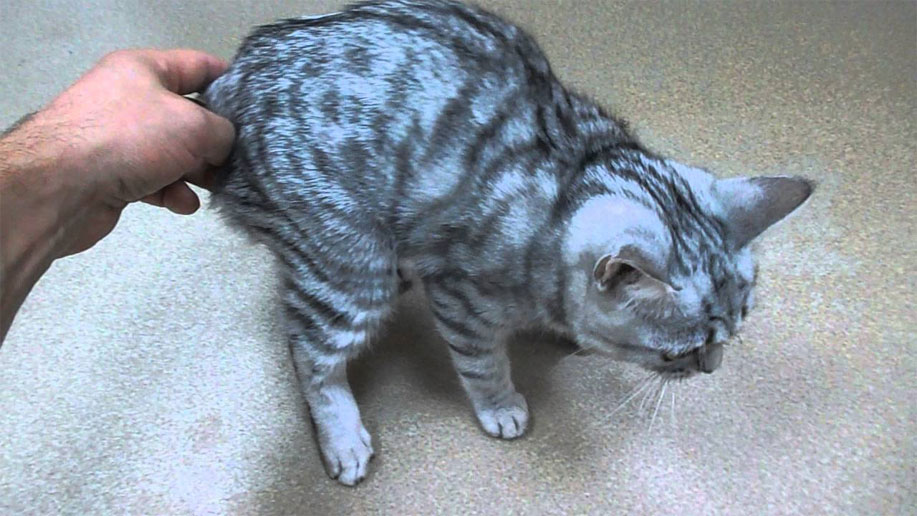
Between 3 and 5 months of age, kittens' bones are actively growing, their skeletons are forming, and they are highly active. Insufficient attention to diet can trigger a process of "softening" of the bones, causing them to become deformed even with minor stress. Multiple fractures are also common, causing significant suffering to the animal.
The main symptoms in a kitten (similar to rickets):
- meows often and for a long time (even gets tired of it);
- sometimes it is difficult to stand and walk;
- sometimes appears emaciated (it is possible that the fractured vertebra has caused intestinal problems);
- there is no desire to run fast, play, jump, or frolic;
- pathological fractures occur during normal movements (for example, when playing with a ball, jumping from a small height);
- the paws are deformed, there is incorrect support on them;
- squatting on hind legs;
- disruption of innervation of the bladder, intestines, paresis and paralysis of the limbs due to vertebral fractures;
- "unusual" gait.
If you experience such symptoms, you should consult a specialist to identify their cause and take appropriate measures based on the diagnosis.
Diagnosis and treatment
A definitive diagnosis cannot be made at home, as specialized tests are required. After collecting a medical history and verifying the pet's details, a complete blood count, biochemical analysis, and blood tests for electrolyte balance are performed. X-rays are also performed to determine bone condition and deformities.
Treatment is step-by-step. The first step is pain relief and fracture prevention. Prevention of limb and spinal fractures involves limiting mobility for 1-1.5 months.
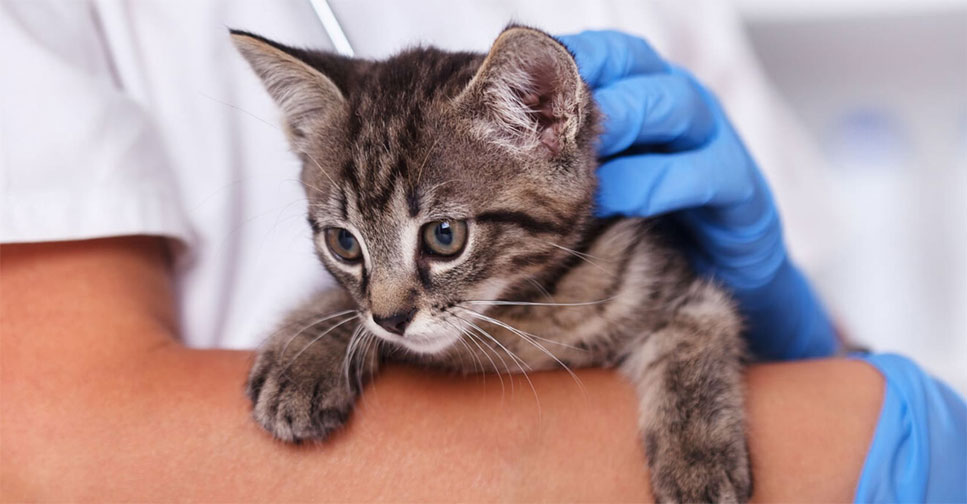
It's impossible to cure the disease without adjusting your diet, so it's essential to balance its composition. Simply supplementing with vitamins and minerals won't do the trick.
The solution is to feed balanced foods designed specifically for kittens of different ages. These will help restore the normal calcium and phosphorus balance. According to reviews from those who have encountered this problem in kittens and cats, choosing the right food after a metabolic analysis helps overcome the condition.
If your pet's behavior raises suspicions or symptoms resemble those of rickets, self-diagnosis is not recommended. Forums often offer advice and recommendations without delving into the details, which can delay treatment and make the situation more difficult to manage.
Veterinarian's advice
Read also:
- Why is my cat losing weight and what should I do?
- False Pregnancy in Cats: Signs and Treatment
- Why does a cat shake its head and ears?


Add a comment