
Ragamuffin is a breed of cat
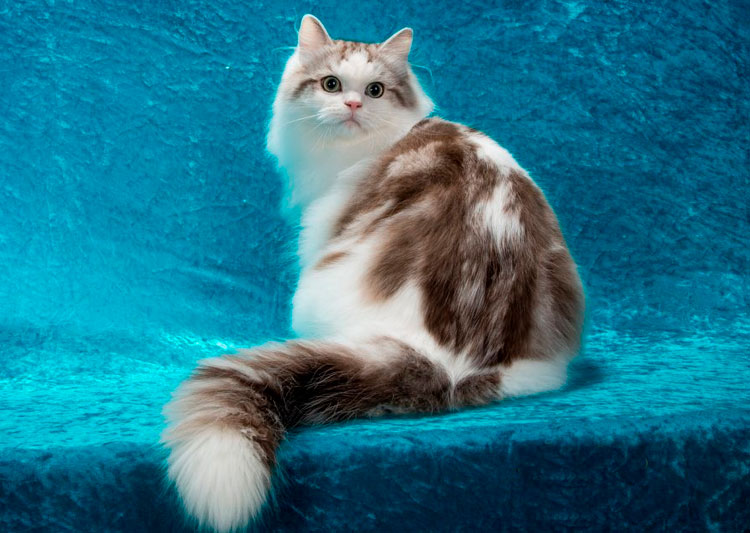
Ragamuffin - a young American breed of cats related ragdollsTheir main distinguishing features are a charming face with a perpetually touching gaze, a plush coat, and a friendly nature. These cats are rarely seen outside their native land, but judging by their steady rise in popularity, this will change in the near future.
Content
History of origin
It would be logical to begin the history of the Ragamuffin's origins with the emergence of a more well-known cat breed called the Ragdoll. In the 1960s, a breeder Persian cats Ann Baker, from California, began developing her own breed based on common mongrel cats. The main criteria for selection were a gentle, friendly nature and a strong attachment to people. Also involved in the selection were Persians, Burmese And Burmese cats, which gave the new breed its soft, long coat and beautiful pointed coloring. In the 1970s, Baker trademarked the name "regdoll." She subsequently developed strict regulations for those wishing to breed Ragdolls, separated from phenological organizations, and created her own registry, the International Ragdoll Breeders Association (IRCA).
Naturally, many owners and established breeders were dissatisfied with the status quo. In 1993, when Baker's retirement failed, they decided to split off, and their first step was to seek recognition of the new breed by the American Cat Fanciers' Association. Since the name "Ragdoll" was unavailable, another was chosen: Ragamuffin. Translated from English, it means "ragamuffin." Suggested as a joke, it suited the breed, which had developed from ordinary house cats in Riverside. Ragamuffins were first shown at a show in 1994.
In 2001, Ragamuffins were officially recognized by the American Cat Federation (ACFA). Today, the breed is recognized by virtually all international organizations, including the WCF and UFO.
Video about the Ragamuffin cat breed:
Appearance
The American standard uses the word "sweetness" to describe the Ragamuffin. These cats' appearance should evoke affection and evoke health. Ragamuffins are fairly large, with well-developed muscles and a noticeable layer of subcutaneous fat, especially in the abdominal area. Females weigh 4-6 kg, males 7-10 kg.
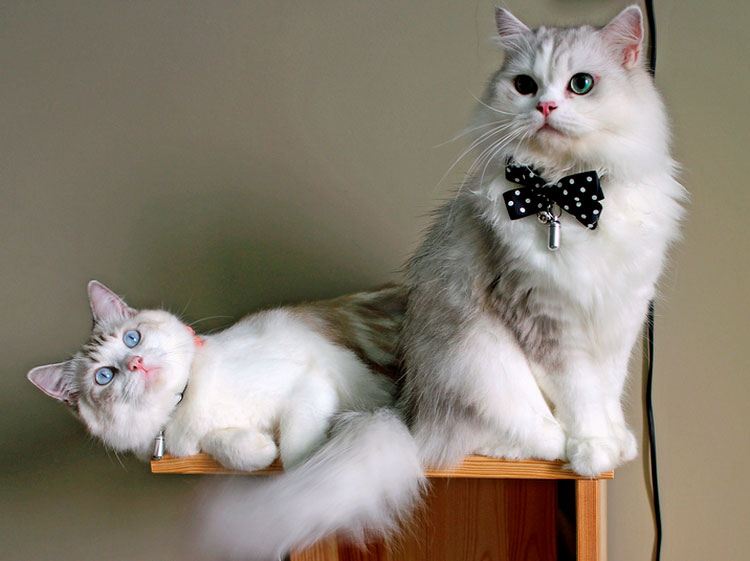
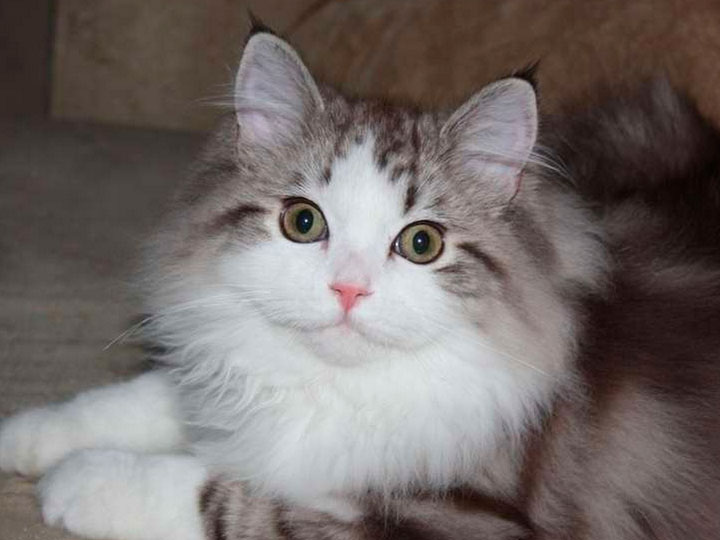
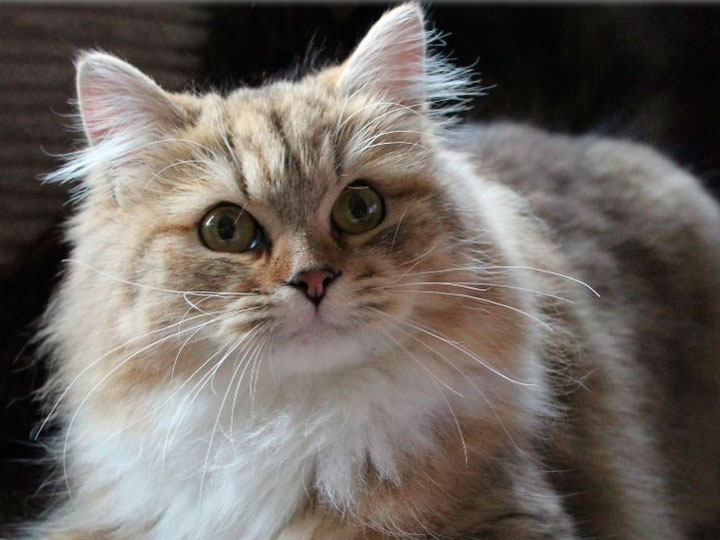
The skull is broad. The muzzle is a wide wedge. The cheeks are prominent. The ears are medium-sized with rounded tips. Some individuals have tufts on the ears. The eyes are slanted, almond-shaped, and most often golden-green or bright green, but blue and aquamarine shades are also found. The eye color should be bright and rich.
Ragamuffins are impressive in appearance. They have a fairly large body with well-developed muscles. Their paws are large, with fur between the toes, and their hind legs are slightly longer than their front legs. Their tail is long and bushy, tapering to a point.
Ragamuffins differ from Ragdolls mainly in their wide variety of colors.
Ragamuffins have a medium-length, silky coat that is generally tangle-free. It feels very soft to the touch and should appear flowing. The hair on the neck and the outside of the head is slightly longer, forming a beautiful ruff. Any color is acceptable except for pointed (Siamese). The standard allows all patterns and colors, even with markings on the back, paws, and chest. Symmetry of markings or patterns is not important. The paw pads and nose can also be any color or combination of colors, and may even differ from the base coat.
Character and attitude towards owners
The Ragamuffin's unique personality traits make it a desirable cat for many families. Like its ancestor, the Ragdoll, the breed is distinguished by its easygoing nature. They are very friendly, attentive, and affectionate. If picked up, they immediately relax and begin purring. The Ragamuffin always tries to be around people. They greet family members and guests at the door with a happy meow. Among the sociable Ragamuffins, there are true clingy cats who will not pass up the opportunity to be held. Their affection for their owners makes them excellent companions, comfortable in everyday life and traveling. The Ragamuffin is moderately energetic. They don't run wild, but retain their playfulness well into old age.
These cats are very attached to their owners. They require a lot of attention and should not be left alone for long periods of time, as this can cause stress. They absolutely adore cuddling, love affection, and can sit in their owner's arms for long periods of time.
Ragamuffins aren't athletic, but they enjoy playing, chasing toys, and climbing around a play structure. But most of all, they value spending time with their owner and family. They'll greet you at the door and accompany you everywhere in the house. They get along well with other pets and children.
These cats are very intelligent and quick-witted. If you're willing, you can even try training them. Ragamuffins are very friendly and can get along with any pet. This is true, as long as the pet isn't aggressive, otherwise they simply won't be able to defend themselves. Don't expect a Ragamuffin to catch mice; they lack a hunting instinct.
Content Features
Generally, there are no particular restrictions when it comes to Ragamuffins. The only thing worth noting is that they need to live in a family with a willingness to give them attention. The breed is well-suited to apartments and doesn't particularly seek adventures when outdoors. Due to their lack of self-defense instincts, it's best not to let Ragamuffins outside without personal supervision. They are also fairly easy to train to walk on a leash. Remember, your care is key to a Ragamuffin's long life.
Ragamuffins are very affectionate with children and won't show their claws, even when they're playing too much. If you have very young children or are planning to have them, think twice before getting a Ragamuffin cat. Children often have little control over their behavior around animals and may torture a defenseless animal.
Care
The semi-long, thick coat requires regular brushing and infrequent bathing. These measures are sufficient to minimize shedding and maintain a well-groomed appearance. Ragamuffins are typically brushed once or twice a week. Some cats are more prone to tangling, especially those with recent Persian heritage. Shedding is noticeable, but not excessive, especially if brushed regularly. For washing, choose a shampoo and conditioner designed for long-haired cats.
You should also pay attention to the ears and eyes, cleaning and wiping them regularly. Claws should be trimmed every 3-4 weeks, but it's best to acclimate your kitten to a scratching post from an early age so they can shorten naturally.
Nutrition
Breeders recommend feeding Ragamuffins prepared dry or wet foods of a premium or higher quality. These foods provide complete, balanced nutrition that requires little effort from the owner to prepare and formulate a diet. Ragamuffins are often picky eaters, so providing these types of eaters with a complete diet of natural ingredients can be difficult. Prepared foods make it easier to regulate calorie intake. While a Ragamuffin may be plump, it shouldn't be excessively overweight. Combined with a sedentary lifestyle, even regular food and overfeeding can sometimes lead to obesity.
As a supplement to the diet, it is recommended to give a hair removal paste and cat grass.
Health and life expectancy
Ragamuffins are generally healthy, and most cats remain healthy into old age. However, in rare cases, hereditary diseases can occur:
- hypertrophic cardiomyopathy;
- polycystic kidney disease;
- various gastrointestinal dysfunctions;
- allergies.
Life expectancy is 12 years or more. All that is required from owners in terms of medical care for their pet is to take it to the veterinarian for annual checkups and vaccinations, regularly treat it for external and internal parasites, provide it with nutritious nutrition, and monitor its general well-being.
Responsible breeders make an effort to test their breeding animals for known hereditary problems to prevent them from spreading within the breed.
Where to buy a Ragamuffin kitten
Most catteries are located in the United States. Registered representatives of the breed can be found in Canada, Austria, England, the Netherlands, Hungary, and South Korea. There are no official Ragamuffin catteries in the CIS countries, but there are many breeders of Ragdolls—their closest relatives.
Ragamuffin breeding is regulated by feline organizations with which breeders are registered, making it much easier to find a cattery and a kitten abroad. Simply contact the breed club in a country with a sufficient Ragamuffin population and obtain comprehensive information about litters. Similar clubs exist in the United States, Canada, and the United Kingdom.
Price
The price of a Ragamuffin kitten depends on the country, the cattery, the breeder, the value of their cats, and many other factors, and is usually determined on a case-by-case basis. The limited number of litters allows for a very high price. Based on the average price of a Ragamuffin worldwide, it's approximately $1,000.
Photos
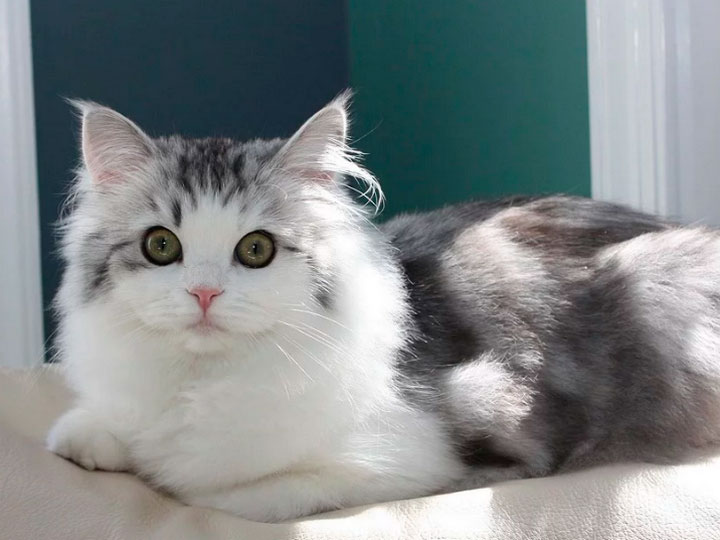
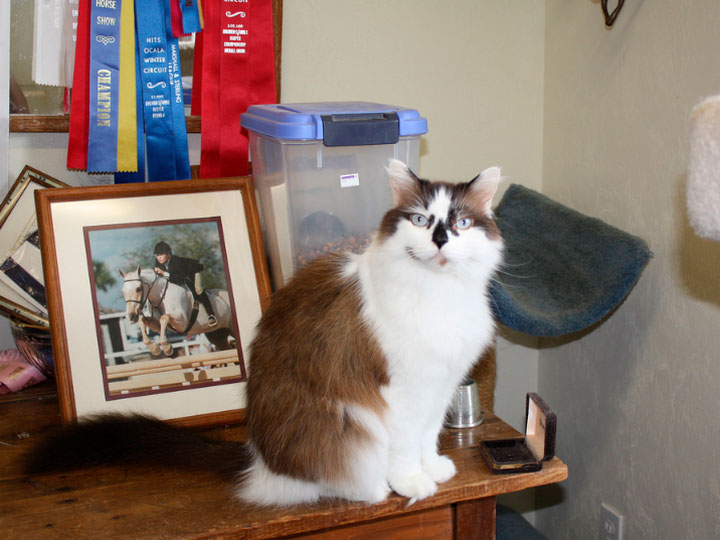
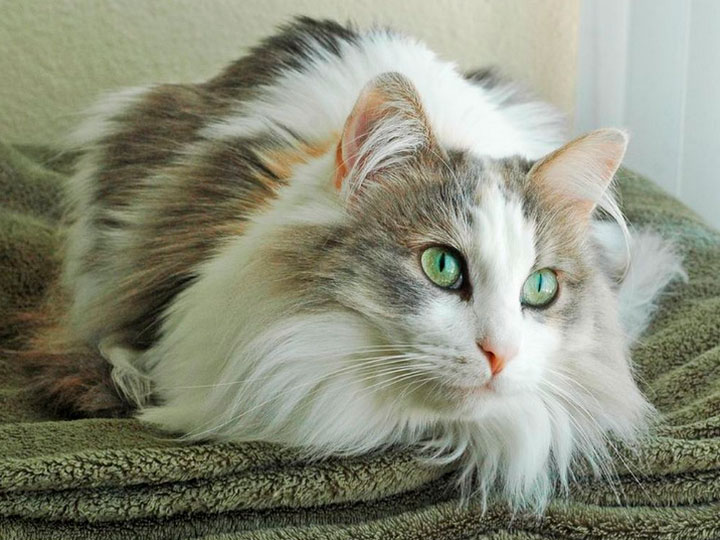
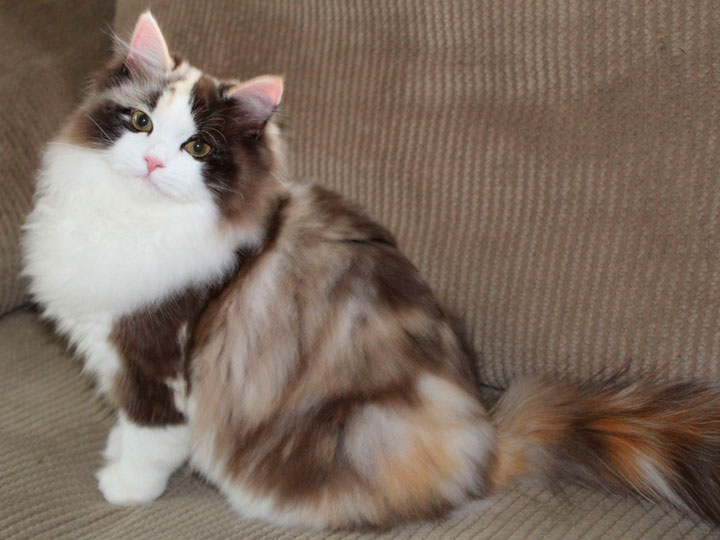
The gallery contains photos of Ragamuffin cats.
Read also:


Add a comment