
Spotted cats: breeds
Few can afford the luxury of keeping a live leopard or puma at home, and taming wild animals is virtually impossible. However, owning a purebred cat with a leopard-like coat is a great idea and, most importantly, feasible. There are many breeds with excellent personalities and low maintenance requirements. Here's a ranking of the most popular "mini leopards."
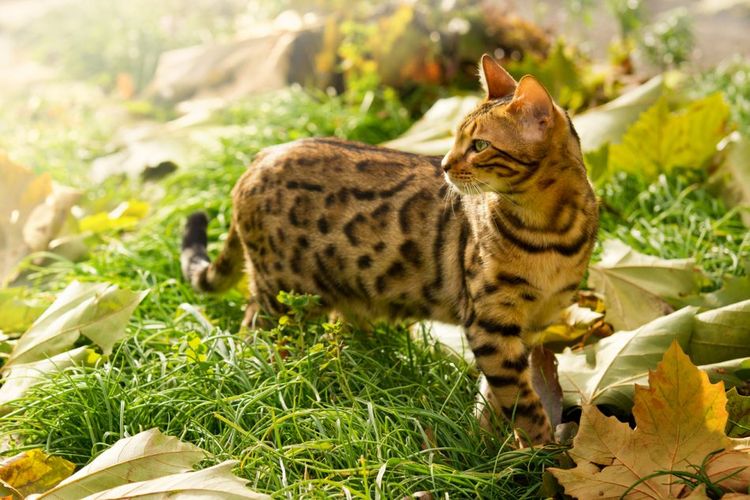
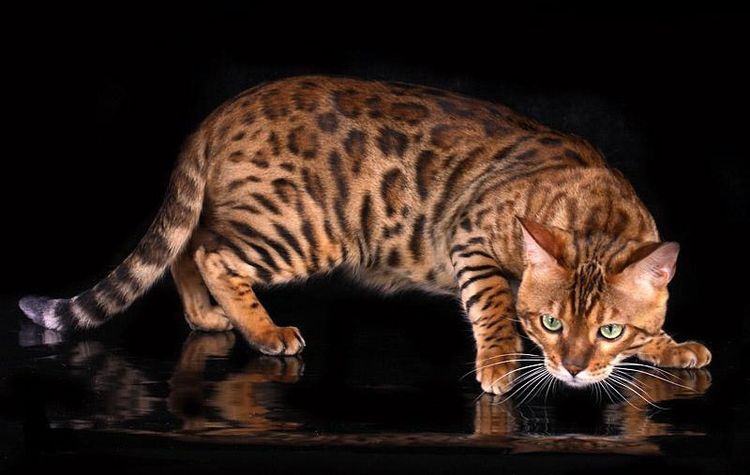
Bengal
The breed was created by crossing a wild leopard with mongrel domestic cats. Geneticist Jane Mill played an active and direct role in its "birth," and it was her name that later became associated with the Bengal breed's origins. Since the experiments were conducted on cats of various colors, the current colorings were also influenced by the breed. Bengal beauties They also offer a wide variety. The most common variant is brown, coffee, or gray, with jet-black spots of a characteristic elongated shape scattered over the body.
The animal is quite large, with a thin, long neck and a tail with a slightly curled, rounded tip. Bengal cats inherited a love of water from their freedom-loving relatives, so they are completely unafraid of bathing. They have a peaceful nature, are very sociable, and get along well with children. They are highly trainable and can even perform certain dog commands, such as fetching a ball or other objects for their owner.
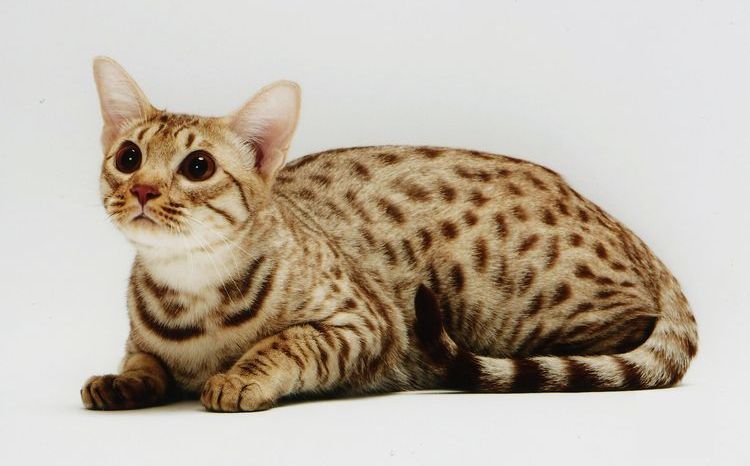
Ocicat
The ancestors of this breed are Siamese And Abyssinian catsIt was developed through a random experiment by Virginia Dale, a resident of the United States. To improve the genetics, the new breed was "diluted" with American shorthaired cats, resulting in the birth of a completely unique animal, reminiscent of a wild ocelot in appearance. Hence the name— Ocicat.
The breed's distinctive characteristics include a distinctive spotted coat, typically brown, expressive almond-shaped eyes, large rounded ears, an elongated muzzle, and a large body. Ocicats are highly intelligent, energetic, and sociable. They quickly become attached to all household members, but choose only one owner, demonstrating their unwavering devotion in every way possible.
Naturally extroverted, they love active games, quickly connect with new people, and are good conversationalists. They are relatively easy to train, self-teaching, and persistent in their desires. They absolutely hate loneliness, so in their owners' absences, they can form friendships with other pets, if present.
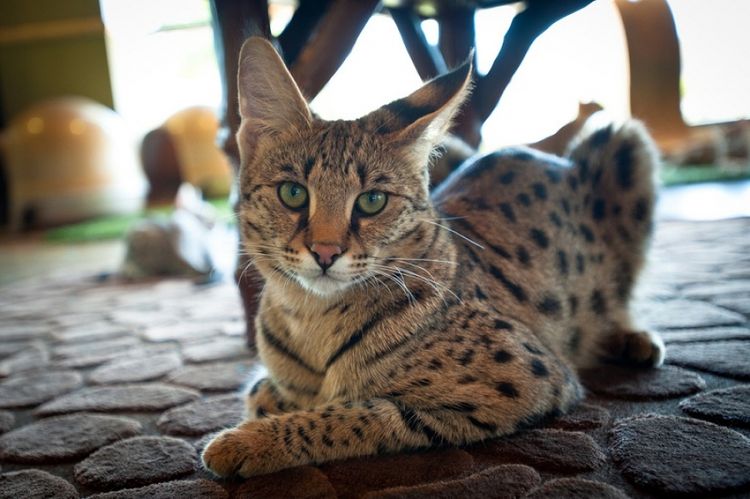
Savannah
Breed savannah The serval is the result of crossing a wild African serval with a common domestic cat. From its freedom-loving relative, it inherited a graceful posture, an elongated neck, a long, flexible body, a fluffy tail with a black tuft at the tip, and a beautiful leopard-print coat. The base color of its fur can vary in shades: from chocolate and dark brown to golden and silver.
The breed was officially recognized only in 2001. Breeding them is quite difficult, so the price of these cats can reach tens of thousands of dollars. Savannahs are very sociable, inquisitive, and active. If left unattended, they can become quite active and cause quite a ruckus in the house, maintaining their own order. They prefer games that mimic hunting, involving a lot of jumping and running. They are not aggressive, but when overly excited, they can accidentally scratch or injure a person.
Serengeti
Breed Serengeti The Cattery was developed relatively recently, in 1994, by crossing Oriental, Bengal, and Abyssinian cats. This spotted beauty resembles a puma or cheetah in appearance, with a graceful posture, a large, elongated body, wide-set ears, and a short, thick tail. The average weight of this cat reaches 10-15 kg, and its leap can reach up to 2 meters. This leaping ability is due to certain anatomical features of the cat—a muscular, well-developed body and powerful legs that provide excellent shock absorption. To date, the breed has not yet been recognized internationally, although it is officially registered.
Cats have a friendly nature, but with a distinctly dominant streak. They readily engage in combat not only with their meowing relatives but also with dogs. They are the first to attack and selflessly fight for their place in the sun. With people, on the contrary, they are affectionate, gentle, and tender. They demand a lot of attention and, if not given, will pester, rub, purr, and rumble until they get what they want. They love active games and happily hunt birds and rodents, but more for pleasure and entertainment than for food.
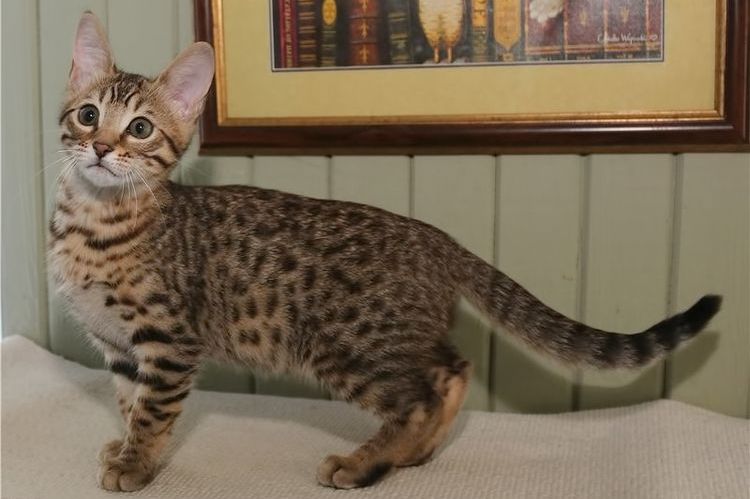
California Shining
Considered one of the most expensive and exotic cats in the world, the Manx is a cross between the Abyssinian, Siamese, Angora, British Shorthair, and Manx breeds. It took 11 years of painstaking work to achieve the leopard-like appearance. The species was officially registered in 1986. The cat's name comes from its unusually soft, velvety, and shiny fur, which lies close to the body.
Shining Californian The Cat has well-developed muscles, a strong and toned body, a prominent forehead, and expressive golden-brown eyes. Their front legs are bent at a 90-degree angle, giving them a low, ground-hugging gait, like a true wild predator. Their temperament is gentle and affectionate, but theirs tends toward activity and restlessness rather than calm. This is why they require regular, long walks and do not tolerate being alone. They are quick to litter-box train, are highly trainable, and are easily taught.
Read also:
- Kanaani (Canaani): cats and cats
- Toyger: male and female cats
- Wild Cats: Breeds with Photos and Names


Add a comment