
Fluffy Cats: A List of Breeds in Alphabetical Order
Only a select few furry cat breeds have earned official recognition according to the standards of international organizations. Our selection, complete with brief descriptions of the breed's characteristics and colorful photographs, will help you choose the right purebred cat. Only these cats are allowed to be bred by breeders and participate in national and international cat shows.
Content
- 1 Top 20 Fluffy Cats
- 1.1 01 American Curl Longhair
- 1.2 02 Balinese
- 1.3 03 Burmese
- 1.4 04 British Longhair
- 1.5 05 Himalayan
- 1.6 06 Munchkin
- 1.7 07 Maine Coon
- 1.8 08 Nevsky Masquerade
- 1.9 09 Nibelung
- 1.10 10 Norwegian Forest Cat
- 1.11 11 Oriental Longhair
- 1.12 12 Ojos azules
- 1.13 13 Persian
- 1.14 14 Ragamuffin
- 1.15 15 Ragdoll
- 1.16 16 Siberian
- 1.17 17 Somali
- 1.18 18 Turkish Angora
- 1.19 19 Chantilly-Tiffany
- 1.20 20 Japanese Bobtail
- 2 Which pets are considered fluffy?
Top 20 Fluffy Cats
This list includes descriptions and photographs of the fluffiest cats, listed alphabetically with their original names. All listed species have received official recognition from one, two, or three international associations.
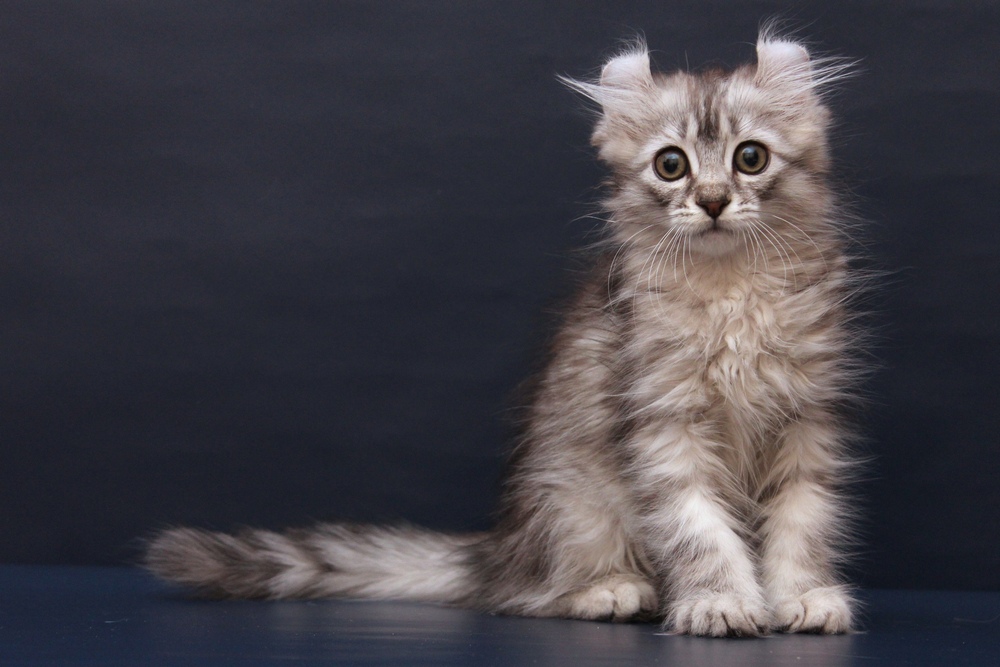
01 American Curl Longhair
Purebred cats with a distinctive feature: backward-curling ears. Their ears begin to curl backwards 3-10 days after birth. The standard angle is considered to be 90-180º. They are friendly, get along well with other cats, and enjoy playing with dogs.
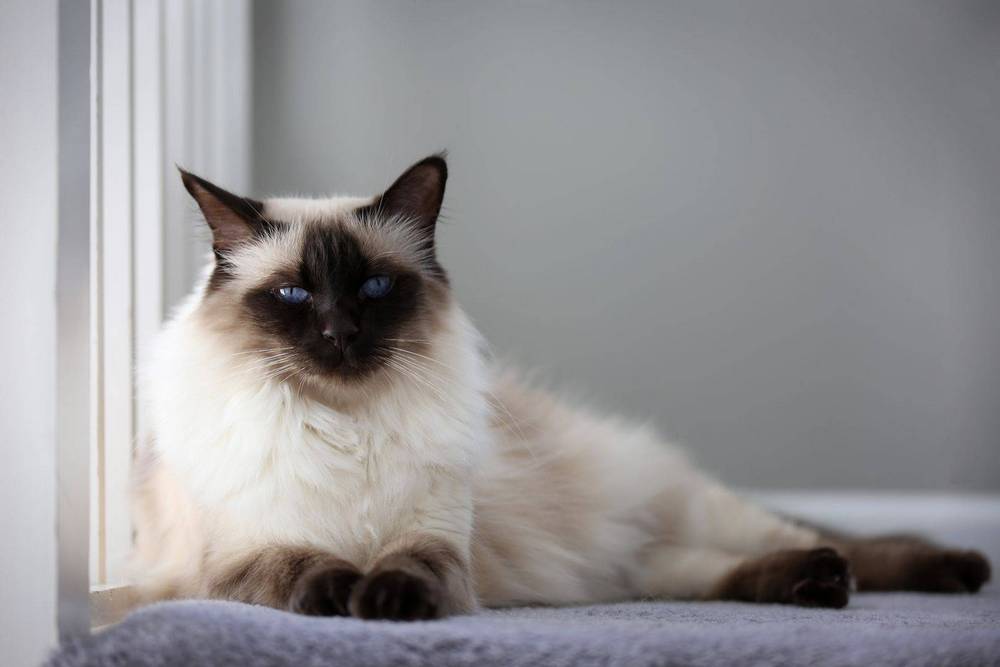
02 Balinese
The domestic cat is a descendant of the Siamese. It is distinguished by its wiry, semi-long, colorpoint coat and bright blue eyes. The coat appears shorter than it actually is due to the close-lying guard hairs. The tail has the longest hair. These sociable pets, who dislike being alone, enjoy playing with children.
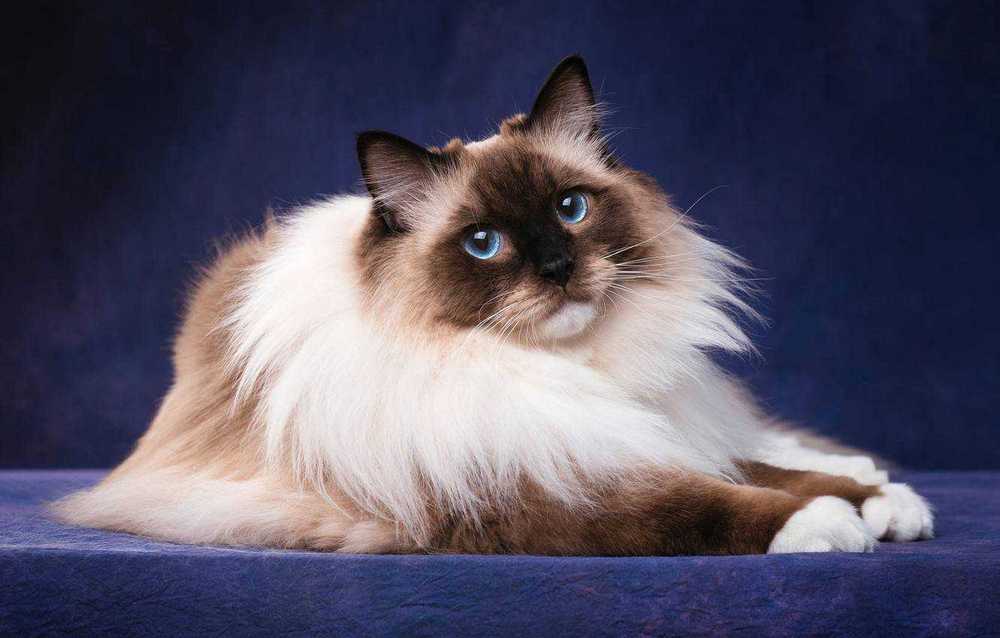
03 Burmese
Another ancestor of the classic Siamese breed with snow-white socks. Their heads are rounded, and their fur is silky. Kittens aged 1-2 months retain their snow-white coat, but as they mature, the coloring darkens. They are very affectionate, sometimes to the point of being clingy. They can be overly curious.
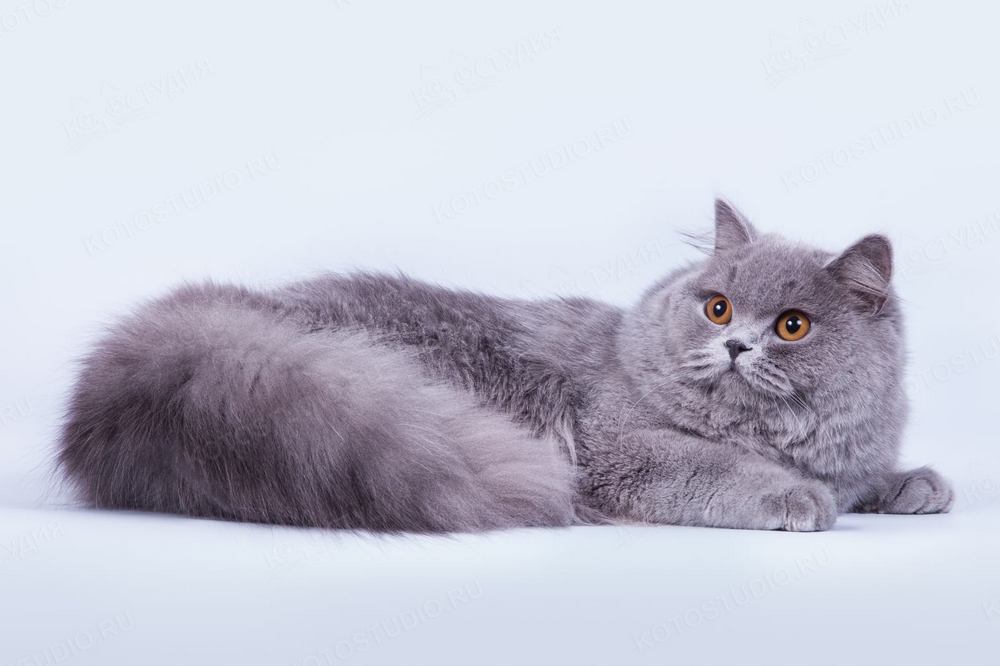
04 British Longhair
With their plush, very thick fur and expressive cheeks, they are rightfully considered the most phlegmatic felines, prone to obesity. Cream and peach colors are most common, but breeders also offer bright red cats. They tolerate extended periods of absence from their owners.
05 Himalayan
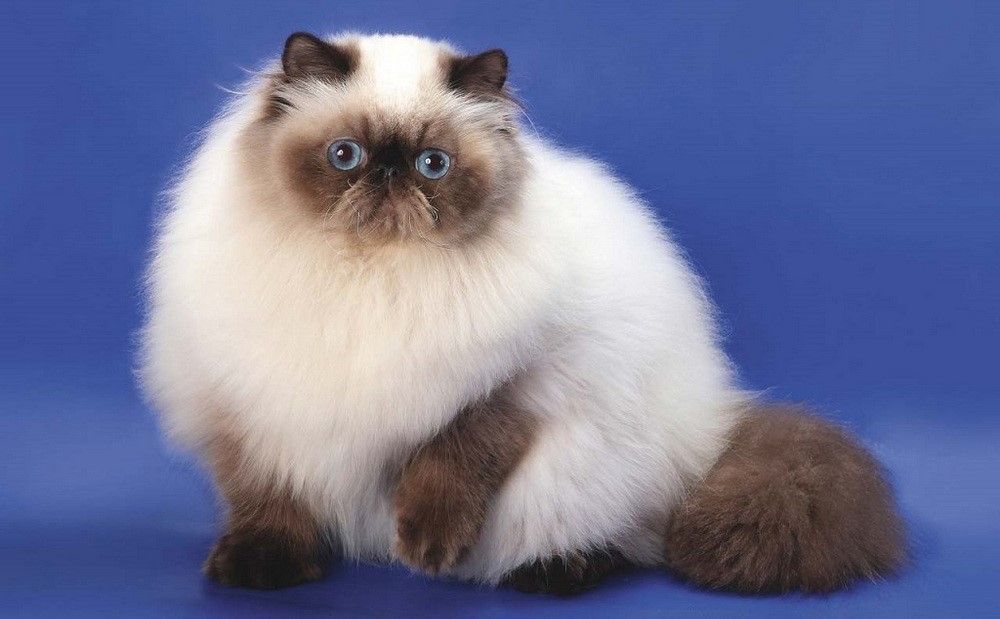
They resemble Persians in personality and appearance, but have bright blue eyes that stand out against their colorpoint coat. They are comfort lovers, loving to lounge on soft pillows and carefully avoiding stress. They'd rather retreat to another room than show their claws and get involved in a conflict.
06 Munchkin
The Munchkin's unusual appearance lies in its small paws, which are two to three times shorter than those of other felines. Another characteristic of the Munchkin is its habit of perching like a marmot. These friendly, playful pets, with their outgoing nature and sweet faces, can resolutely rebuff overly intrusive admirers of their appearance.
07 Maine Coon
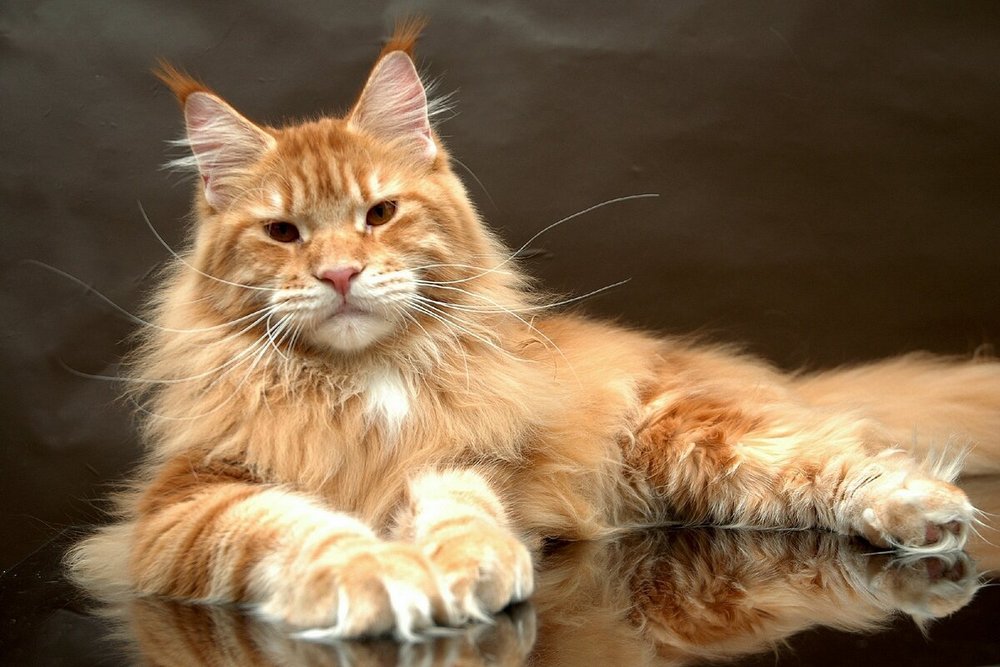
These large, stern-looking animals, with tufts on their ears like a lynx, actually love affection. Their shaggy coat is especially thick around their belly and breeches. They are characterized by a canine devotion and playfulness. However, by the age of five, their activity level drops significantly, and Maine Coons become very lazy.
08 Nevsky Masquerade
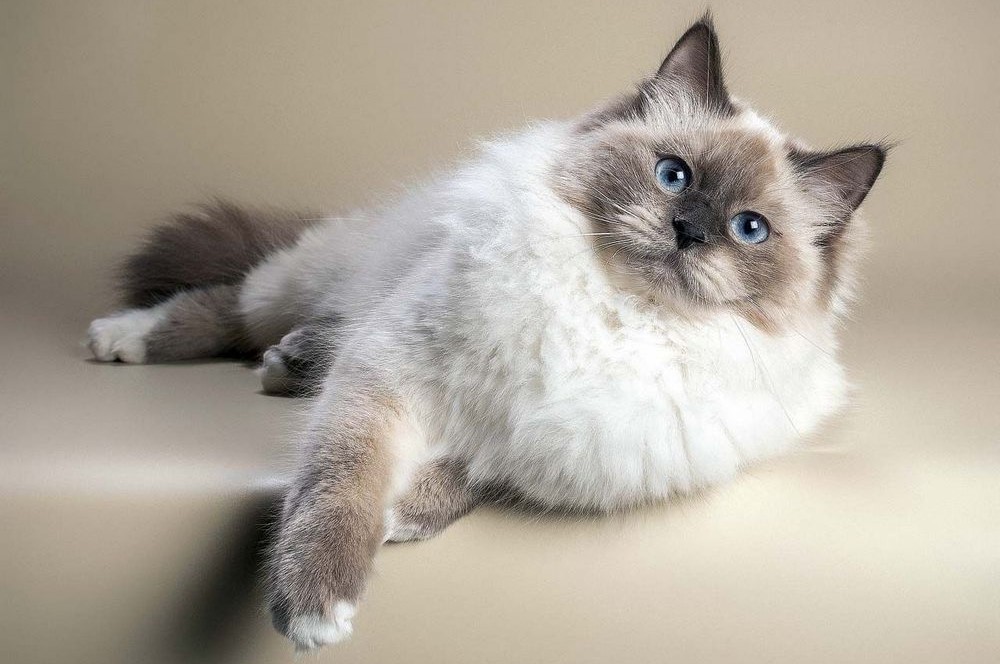
Descendants of Siberian cats with a distinct colorpoint pattern and blue irises, giving their faces a particularly languid appearance. They require a lot of attention and love playing with children. They are gentle with children, keeping their claws on even during active play. However, they are wary of strangers and can be aggressive.
09 Nibelung
The Nibelung's neck is adorned with a shaggy frill, visually creating a stocky appearance and shortening its stature. The upper fur of its hind legs forms luxurious breeches that blend harmoniously with its bushy tail. Newborn kittens have yellow eyes, which turn green after 4-8 months. Phlegmatic animals do not tolerate invasions of their personal space.
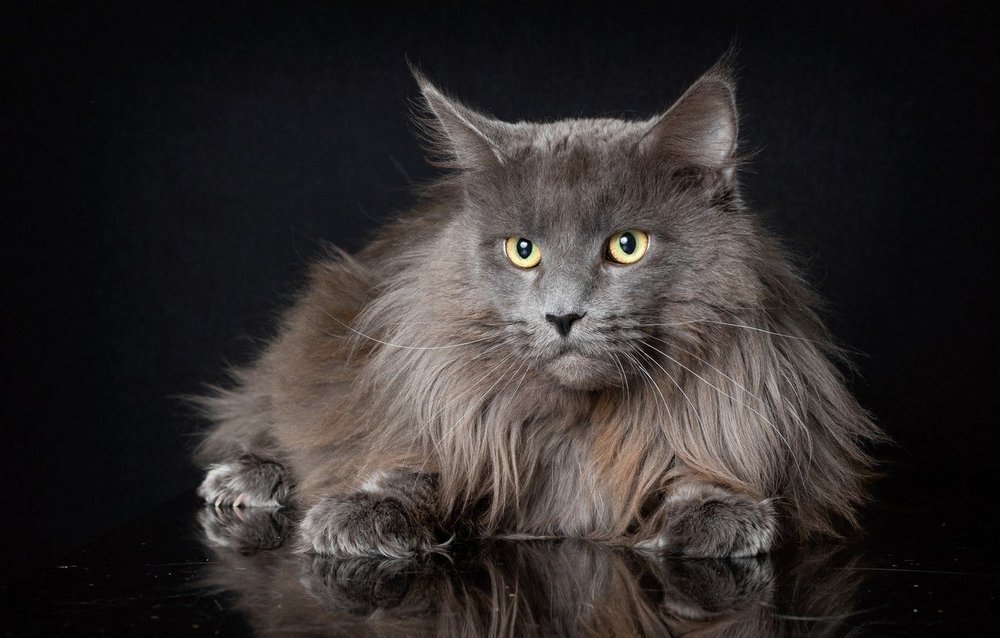
10 Norwegian Forest Cat
The photo clearly shows that this large cat's coat appears unkempt. The collar and pants, along with the thick fur on the back and belly, give the impression of being tousled due to the protective oily layer that protects the Norwegian Forest Cat from rain and snow. They only feel comfortable in a country house with open access to the outdoors.
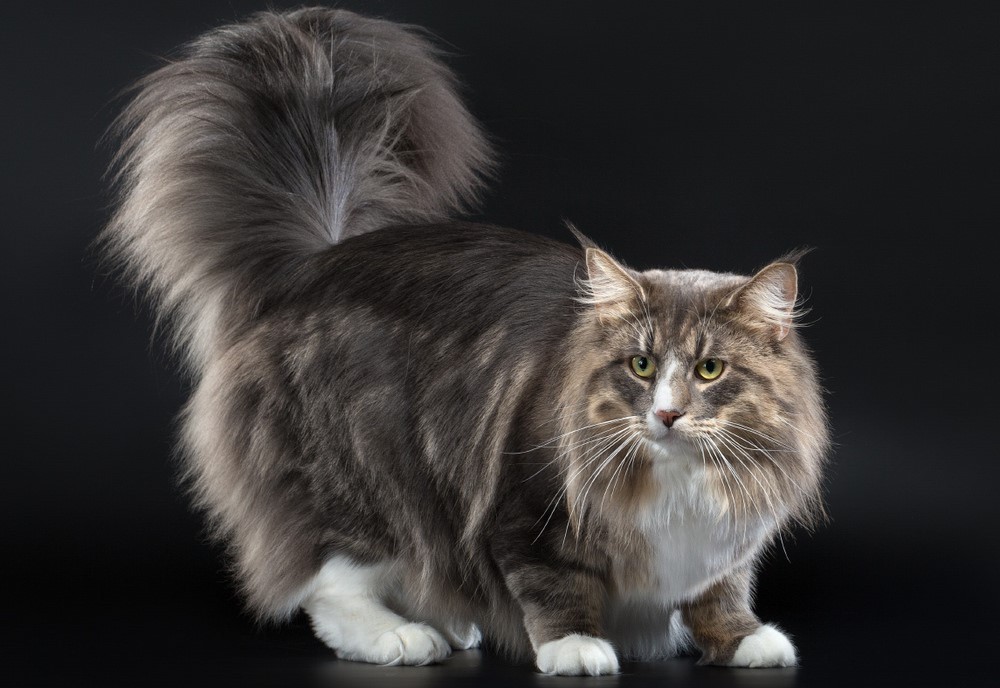
11 Oriental Longhair
Representatives of this ancient oriental breed have a tabby coat. They are known for their friendly nature and trusting nature. They do not tolerate loneliness well and have difficulty adjusting to strangers. Once an oriental is adopted, it should not be passed on to new owners, as the pet may not be able to bear the longing for its previous owner.
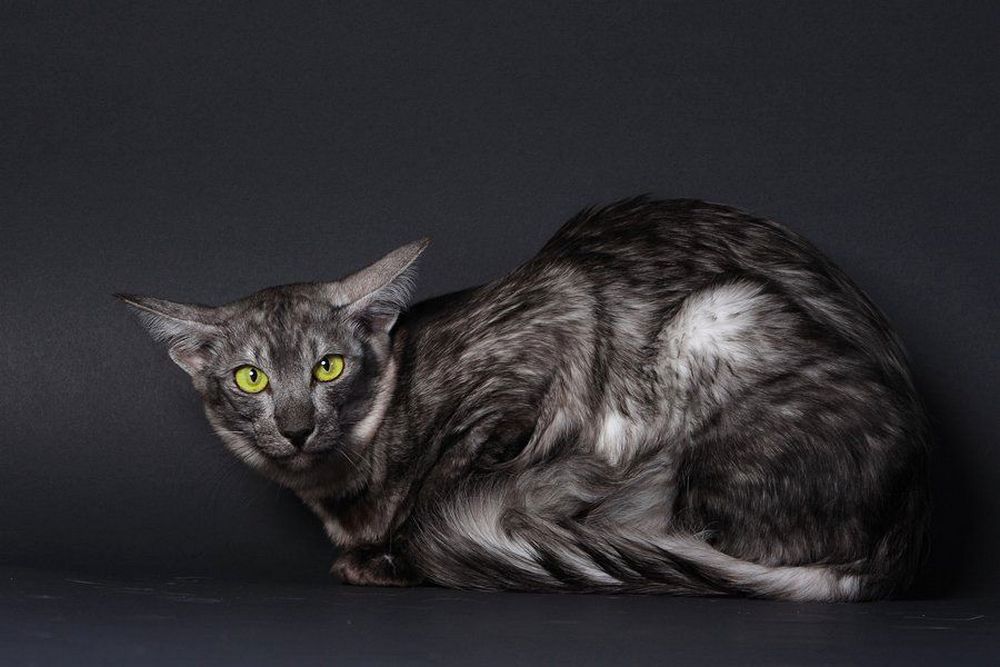
12 Ojos azules
The cream-colored coat complements the deep blue, almond-shaped eyes perfectly. Translated from Spanish, the breed is even called "blue eyes." These cats are highly intelligent and easily trained. They quickly become familiar with families and bond well with children. Aggressive behavior is only possible in the event of real danger.
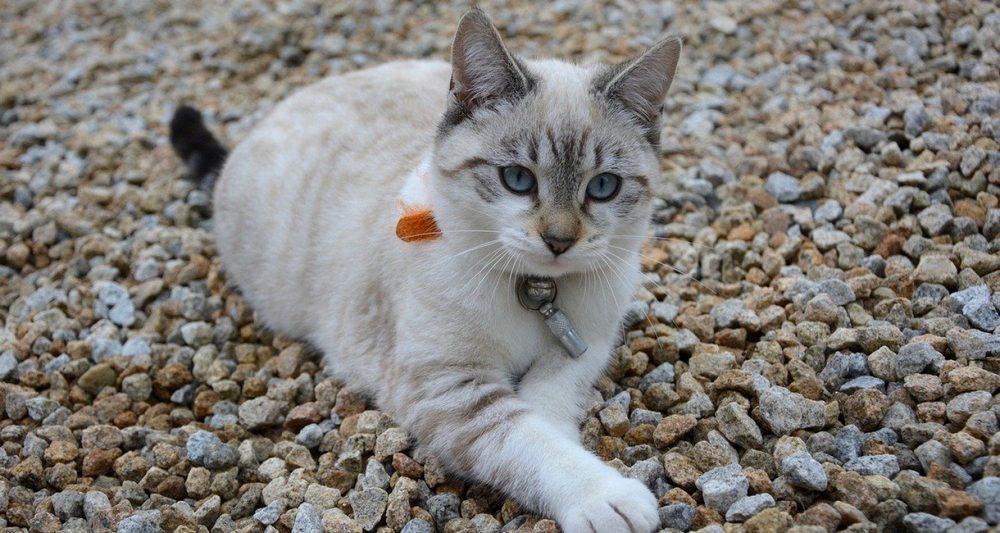
13 Persian
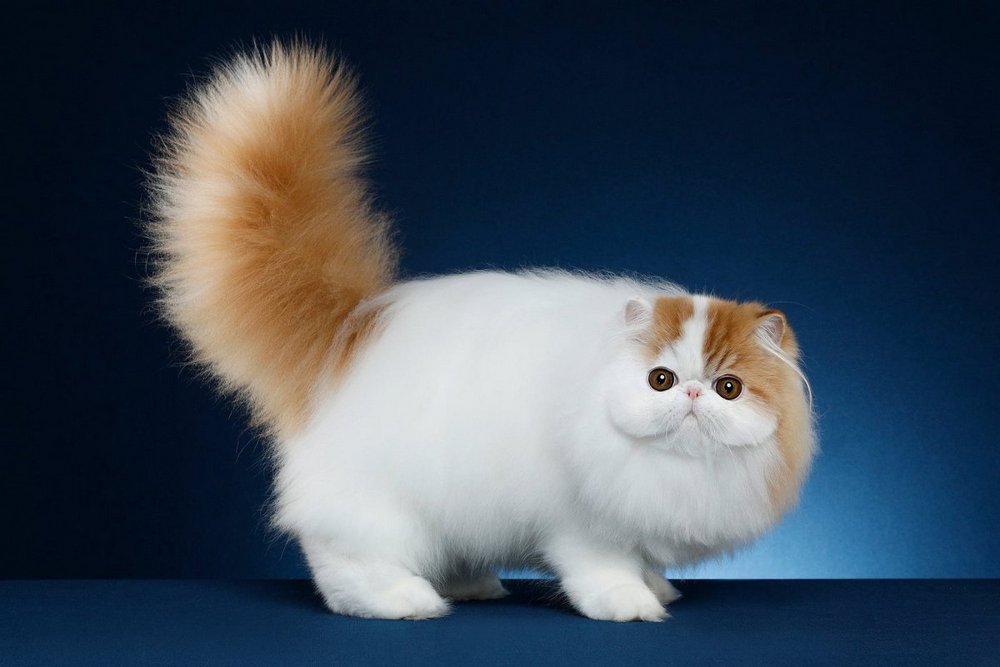
It's a well-known fact that Persians have the longest fur, sometimes reaching 15-20 cm. The Persian breed is also one of the most popular cats, making it an ideal family pet. They are non-aggressive and friendly with both adults and children.
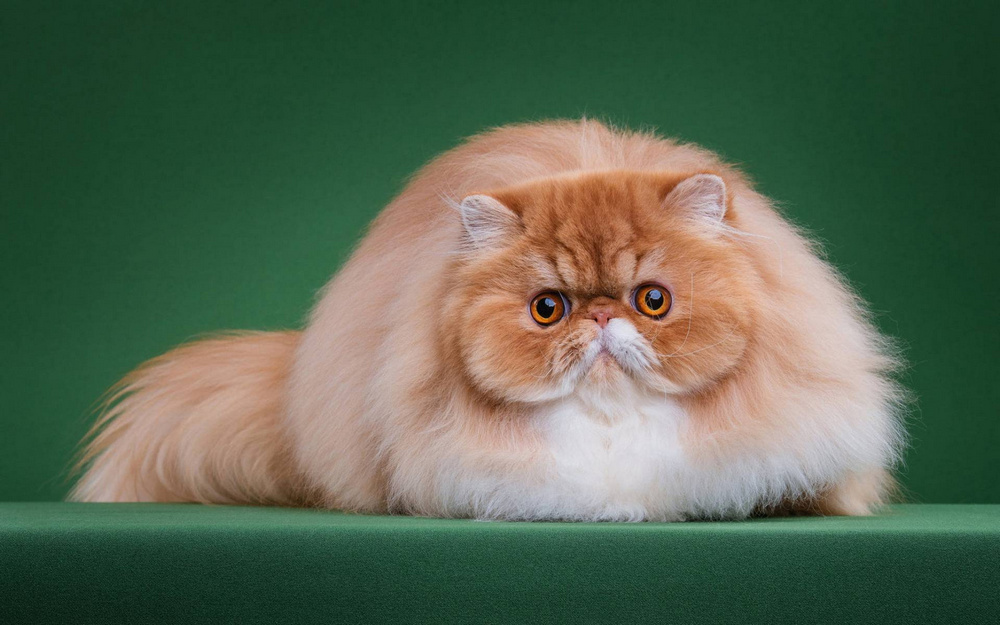
14 Ragamuffin
This breed was created by crossing mixed-breed cats with Ragdolls, Himalayans, and Persians. The Ragamuffin is characterized by incredibly sweet eyes, a rabbit-like coat, and a soft belly with a decent layer of fat. Created for the comfort of home, these pets are not suited to outdoor life—they are too trusting and defenseless.
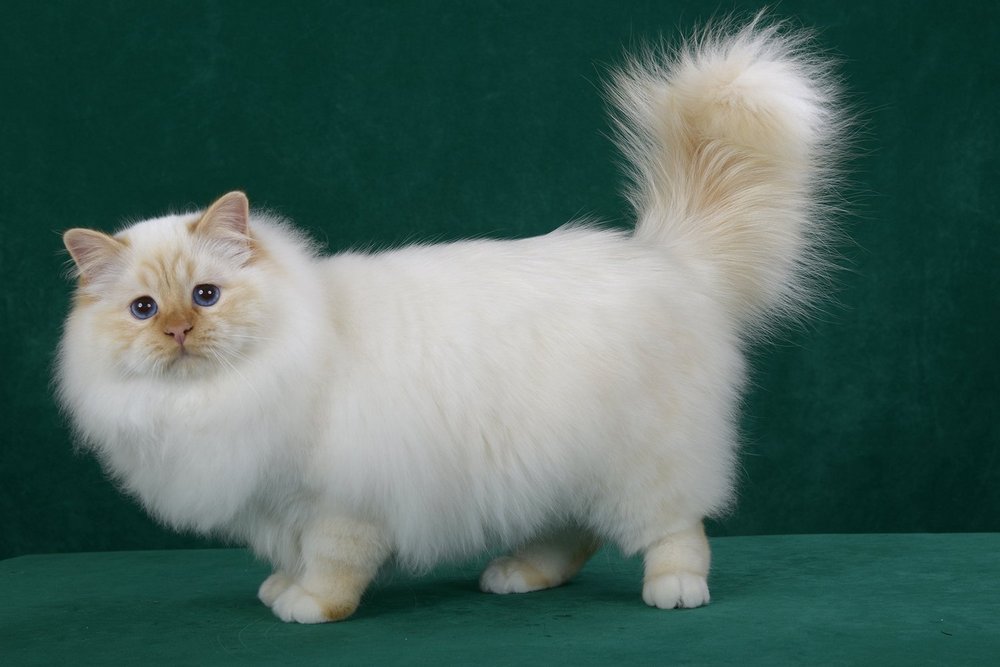
15 Ragdoll
The Ragdoll's ability to relax its skeletal muscles is so powerful that members of the species have become the subject of hilarious videos, pictures, and memes. It's possible they're the source of the popular belief that cats are liquid. In your arms, the animal, which can weigh up to 12 kg, sag like a soft rag doll. Incredibly affectionate, they avoid conflict and cannot stand separation.
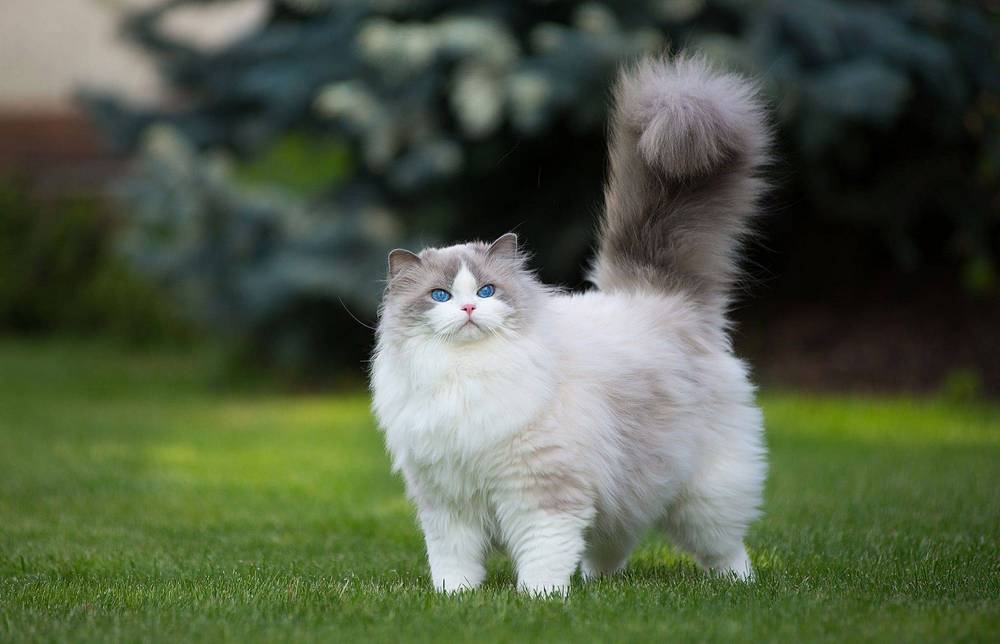
16 Siberian
The oldest breed, known for its longevity and robust Siberian health. Many specimens live to be 20 years or more. Their coat is prone to heavy shedding due to congenital characteristics. In the summer heat, the undercoat almost completely disappears, leaving only the tail fluffy. The undercoat regains its full volume by winter. Until 2.5 years of age, they resemble kittens in personality—they love active games and hunting.
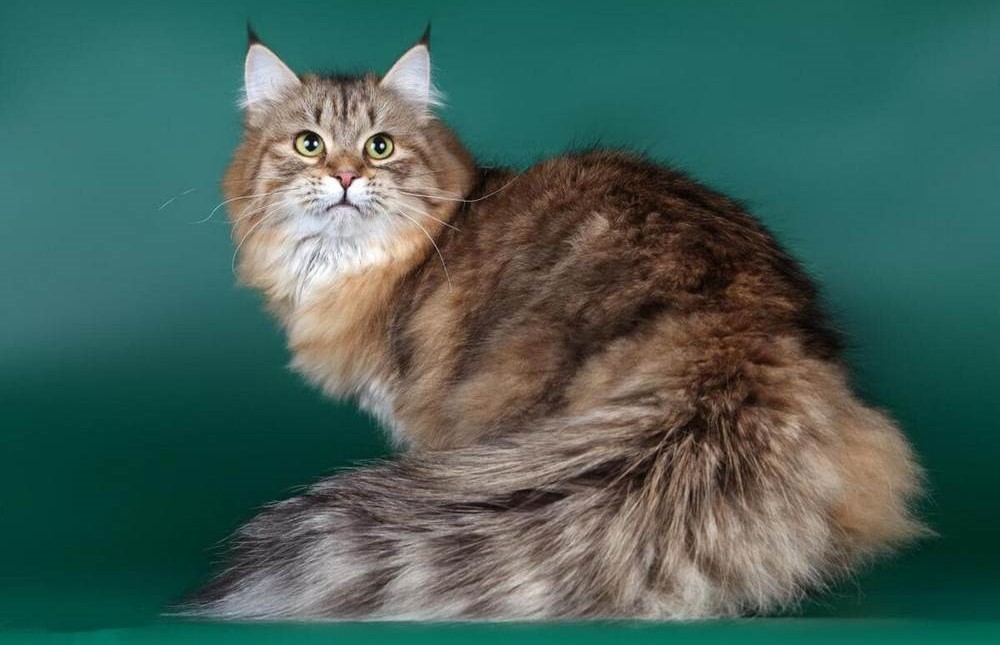
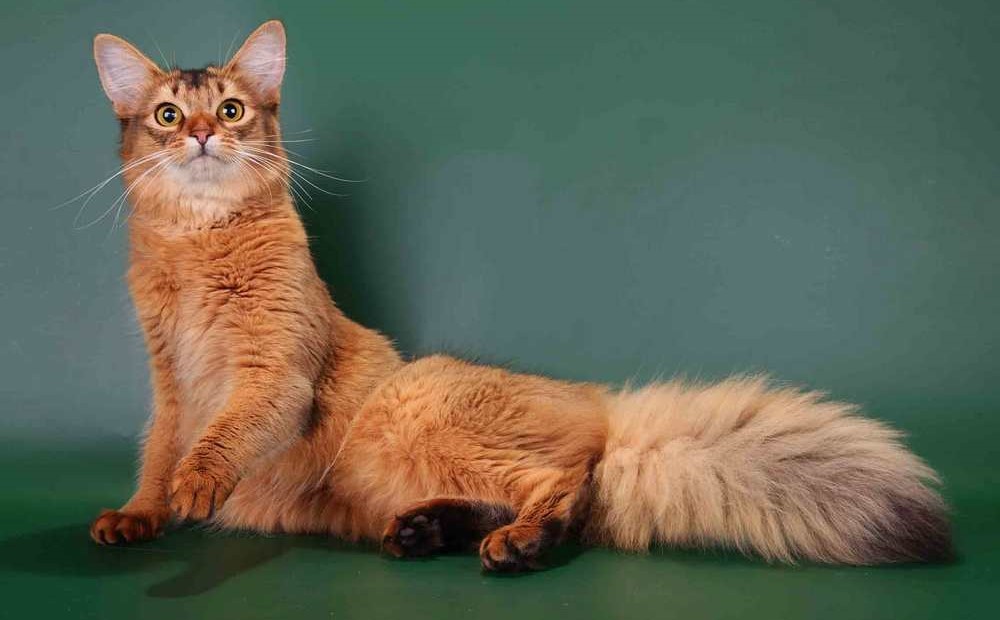
17 Somali
With their reddish fur, Somalis resemble fox cubs. Their fine guard hairs form a lush ruff around their necks. Their lifestyle is similar to that of their Abyssinian ancestors—they are not afraid of water, readily swim, and can spend hours playing in a stream or admiring its current.
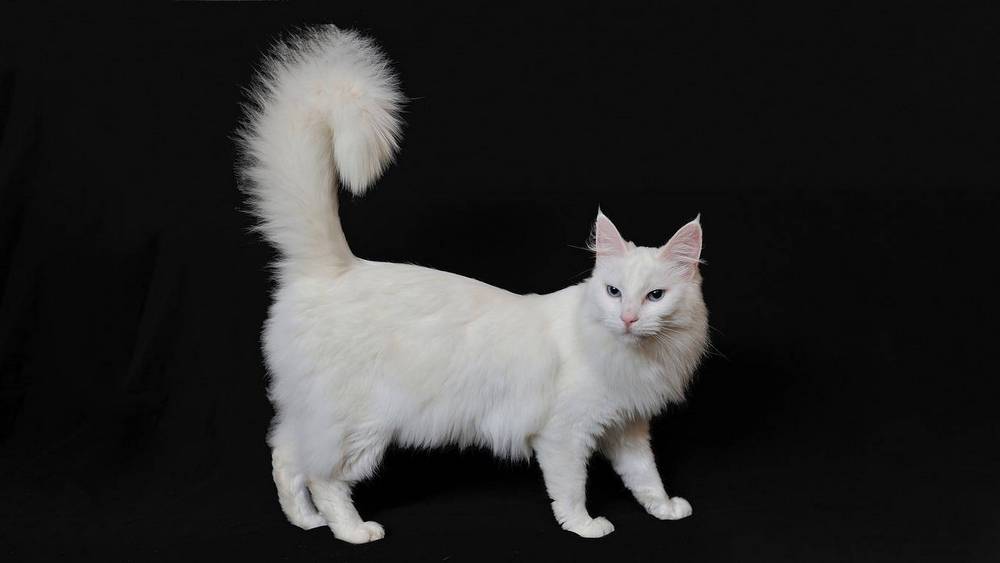
18 Turkish Angora
Snow-white, very dense and soft fur is considered a classic. Cream, striped, red, brown, and smoky colors are also acceptable. Distinguishing features include a willful nature, a love of walks, and a well-preserved hunting instinct. They are highly intelligent—they quickly learn to open refrigerators, doors, and turn on lights.
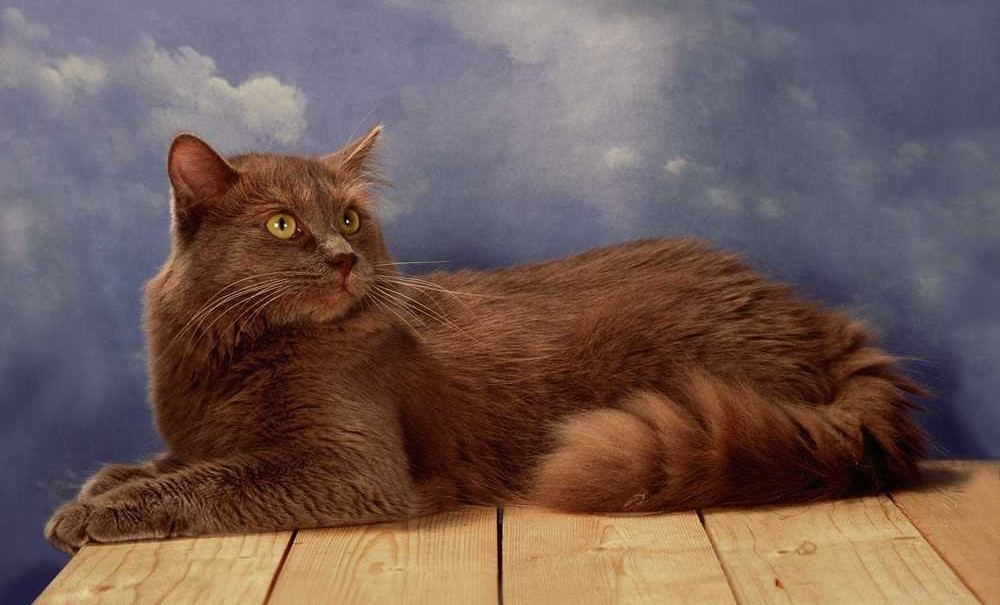
19 Chantilly-Tiffany
Rare chocolate-colored cats with piercing amber eyes. They are as phlegmatic as Persians and as affectionate as Orientals. Their fur is thickest on their paws and chest. They love to sit on people's laps and are very attached to small children.
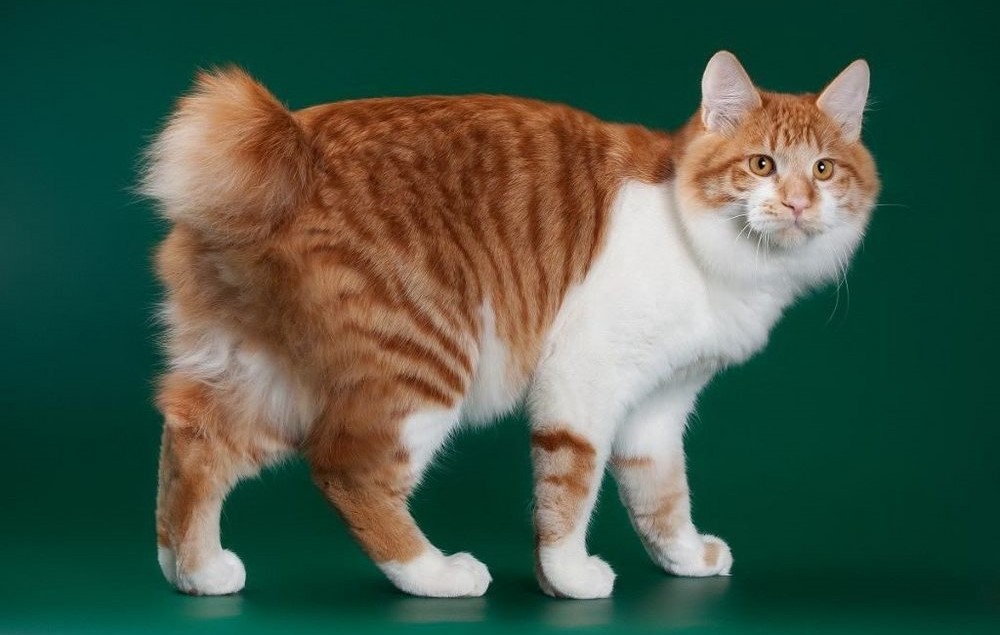
20 Japanese Bobtail
A playful, large cat with a short, pompom-shaped tail. Bred specifically for indoor living, she gets along well with people and enjoys social interaction. Among her distinctive features is her unique sitting posture with a raised front paw.
The list of furry creatures is incomplete—there are varieties not yet recognized by any international organization, and the list is constantly growing. However, according to cat lovers, there are no non-pedigree cats; each one is unique.
Which pets are considered fluffy?
A cat's fur consists of two types of hairs: the undercoat and the guard hairs. The guard hairs are responsible for their coloring and protect the body from injury, so they grow longer and coarser. The undercoat is similar in structure to down: the hairs are shorter than the guard hairs and much softer and more delicate. The undercoat also helps regulate temperature, so long-haired and semi-long-haired cats tolerate cold and heat better than short-haired or hairless cats. The longer and denser the undercoat, the fluffier its owner.
There are many cat breeds worldwide, including many beautiful, fluffy creatures. However, not all of them are recognized by international organizations. Official statuses are awarded to newly developed breeds such as FIFe, WCF, and CFA. According to statistics, the following have been legalized since the establishment of felinological organizations:
- FIFe has 42 varieties in total;
- WCF about 70;
- CFA – about 40 types.
A number of breeds are present on the official lists of all organizations, although their names have been changed. Only 31 varieties have been approved for exhibition and breeding.
Read also:


Add a comment