
Purina Urinary cat food
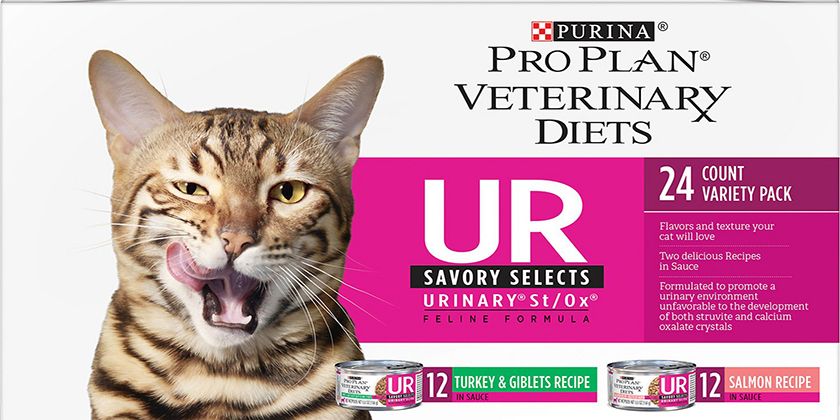
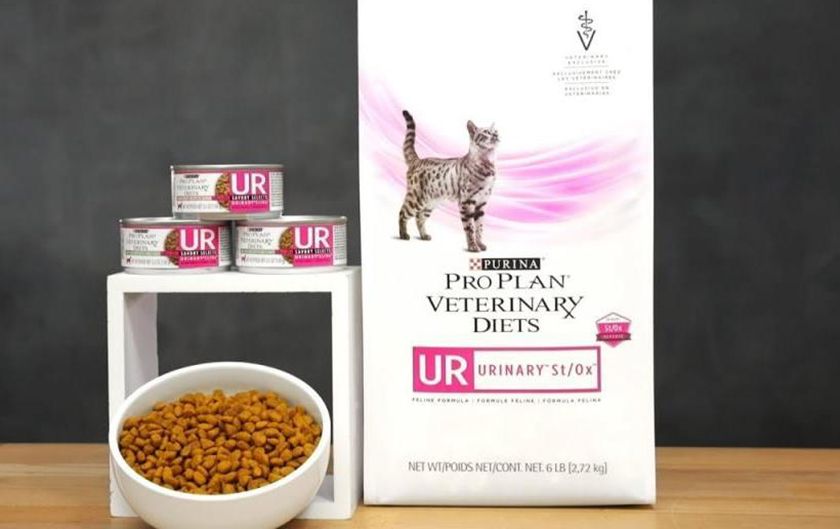
Purina Urinary therapeutic cat food is one of the best healthy dietary options for lower urinary tract problems. These conditions, especially urolithiasis, are common in pets. Therefore, a special diet is essential not only for treatment but also to prevent the formation of any type of stone or the recurrence of chronic urolithiasis. Purina Urinary cat food is part of a special veterinary line, contains various medicinal additives, and should be included in your pet's diet under the advice of a specialist.
Indications for use
A diet based on Purina Urinary food promotes the dissolution of stones, reduces the pH and concentration of urine, prevents the development of kidney disease, and also reduces the manifestation of painful symptoms and prevents the development of obesity in sick animals.
This diet is recommended for the following pathological conditions:
- urolithiasis;
- idiopathic cystitis;
- urethritis;
- obstruction of urine outflow.
Purina for cats Urinary is also prescribed to prevent the formation of new stones and prevent the recurrence of chronic diseases.
Contraindications
It is contraindicated to give products from the Purina Urinary line:
- cats during pregnancy;
- kittens up to 6 months of age;
- animals with heart disease and hypertension.
Elderly cats can be given therapeutic food only after a kidney examination and a urine culture test, if the results are normal.
Compound
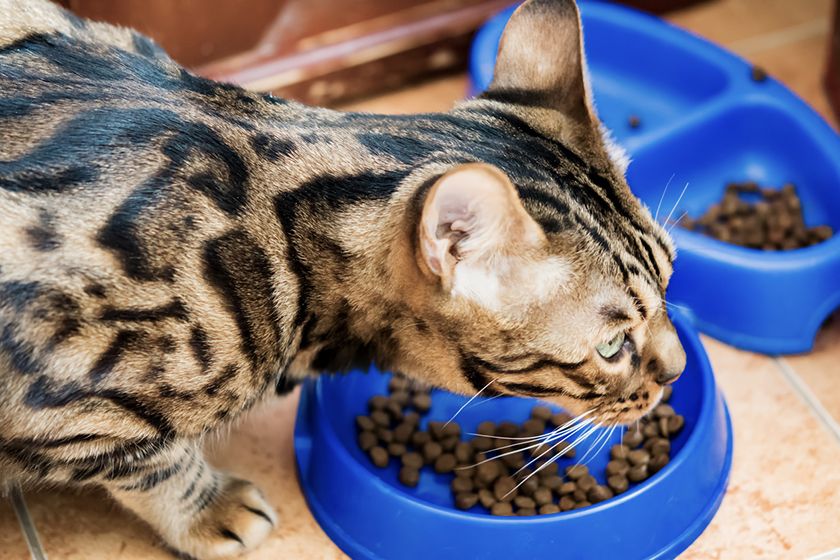
Purina Urinary Veterinary Diets products are complete therapeutic and preventative foods for cats.
The basis of the composition:
- cereals – rice, wheat;
- poultry or fish;
- vegetable proteins (corn, pea);
- egg powder;
- dry beet pulp,
- hydrolyzed animal protein;
- fats - fish and animal.
The BJU indicators are in the following ratio:
- proteins – 35-40%;
- fats – 12%;
- carbohydrates – 37% (of which fiber – 1.5%).
This low-fat, moderate-calorie formula helps maintain optimal body weight while providing your cat with everything they need.
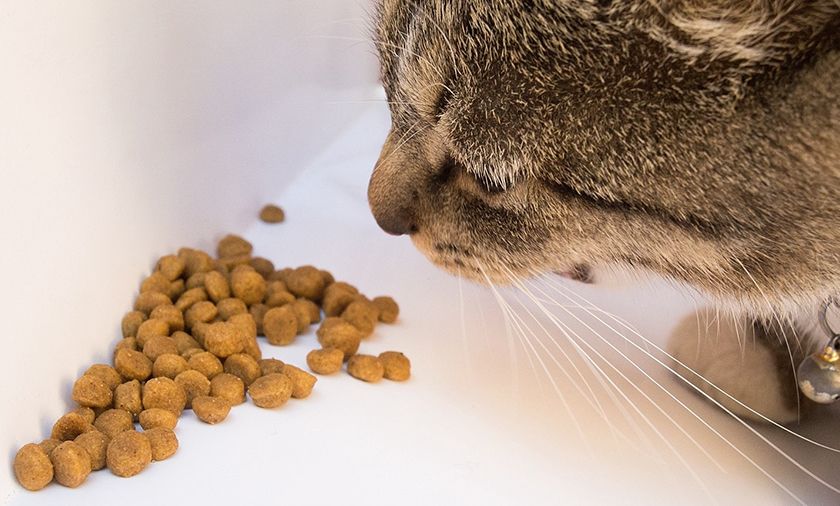
To lower urine pH, Purina Urinary dry cat food contains phosphoric acid, while the wet food contains calcium sulfate and sodium bisulfate. The main therapeutic effect is provided by a special St/Ox complex, which dissolves struvites and oxalates and prevents the formation of new urinary stones.
Minerals, vitamins, amino acids, and antioxidants are used as beneficial additives. Among the components, the following substances provide additional therapeutic benefits:
- glycosaminoglycan – protects the inner surface of the bladder from damage and the aggressive effects of acids, salts, and alkalis;
- Omega-3 fatty acids – reduce urine concentration, eliminate inflammatory processes in the urinary tract;
- Chlorine – promotes stable urine excretion;
- sulfur – improves metabolism, normalizes cellular functions, and participates in the destruction of oxalates;
- Taurine – increases the body’s own defenses during illness.
Thanks to the optimally selected composition and the comprehensive action of all components, the cat's key vital processes are normalized during treatment, including:
- oxidation/reduction reactions;
- cellular (tissue) respiration;
- energy production;
- blood clotting.
To ensure a variety of flavors and enhance the aromatic qualities, each product in the Purina Urinary line, in addition to natural ingredients (chicken, turkey, salmon, etc.), uses appropriate flavor additives.
Given that Purina Urinary food is sold in various weights and sizes in stores and on numerous online platforms, prices also vary significantly. On average, a 350g bag of dry food costs 450 rubles, while 1.5 kg costs 2,000 rubles. Wet food is more expensive: a 10x85g (850g) bag costs 1,350 rubles.
Duration of the diet
The duration of the Purina Urinary-based diet depends on the cat's condition:
- when urolithiasis is diagnosed, therapeutic nutrition is prescribed for 5-12 weeks;
- to prevent relapses and minimize the risk of new stones appearing, the diet is followed for 6 months;
- For a castrated/sterilized animal that has undergone surgery for urolithiasis, such feeding is indicated throughout its life.
As a preventative measure after a urinary tract infection, it is recommended to periodically switch your pet to Purina Urinary cat food (optimally, three times a year for one month). However, it is important to note that this does not completely eliminate the risk of urinary stones. Therefore, urine samples should be tested every three months.
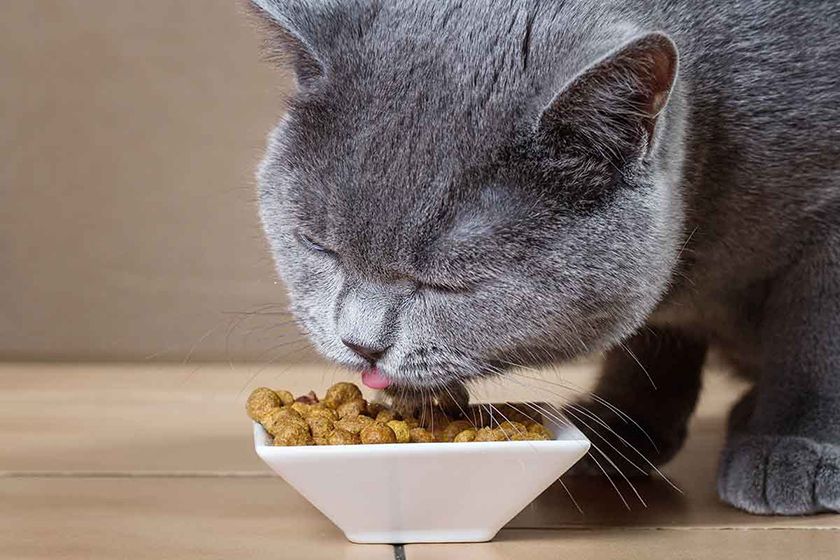
Treatment of urolithiasis and other lower urinary tract diseases in cats requires a comprehensive approach. A properly selected diet can significantly enhance the effectiveness of medication, improve the pet's well-being, and speed up recovery.
Reviews
Mikhailov Valery, veterinarian, Moscow:
"Urinary Purina cat food is essential in the diet of sterilized pets, as they are most susceptible to urolithiasis and other lower urinary tract pathologies. Of course, despite its excellent composition and high therapeutic and preventive properties, diet alone is not enough to fully treat urolithiasis, cystitis, or urethritis. However, this diet will provide powerful support for the pet, both in terms of eliminating the underlying condition and in promoting overall health, improving well-being, and reducing pain."
Natalia, owner of Tim the cat:
"I chose Purina Urinary based on reviews on a forum discussing the problems of older cats, and many owners wrote that they switch their pets completely to this diet every 3-4 months. My Tim was already 11 years old at the time and was having trouble using the litter box—he went frequently, but urinated very little. He became restless, and his appetite decreased. Our vet diagnosed urolithiasis. I consulted with him and, along with treatment, switched him to a diet. Incidentally, he liked the "menu." For variety, I tried chicken and salmon. After Tim's recovery, I've been giving him a month-long preventative feeding every 3 months."
Irina, Sevastopol:
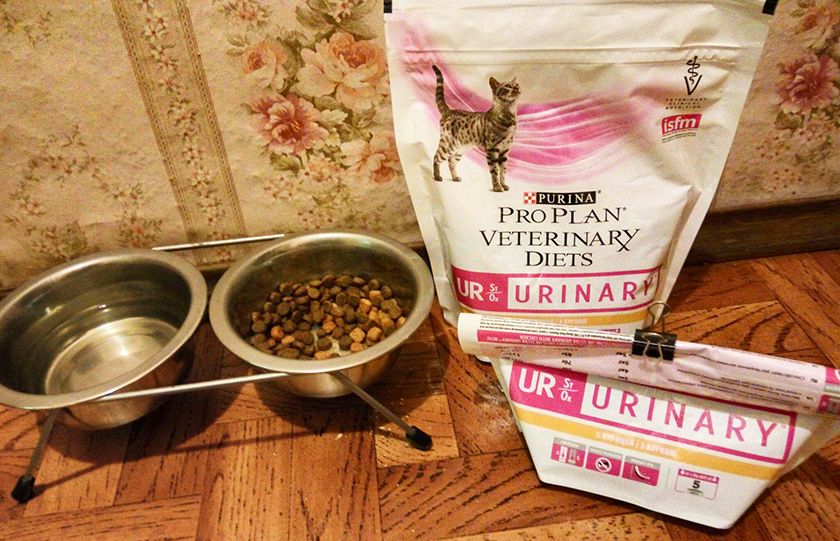
"My cat suffers from urolithiasis. Treatment helps temporarily, but then relapses occur again. The intervals between relapses depend heavily on his diet, as I've already learned. Purina Urinary cat food is the one that's helping us gradually get used to the fact that the relapses are becoming less frequent. I give him one tablespoon three times a day, as prescribed by the veterinarian based on his weight and age. I make sure there's always fresh water in his water bowl. His blood tests and his general well-being have shown improvement. Of course, I'm not expecting miracles, but the main thing is that he's feeling much better on this food."
Read also:


Add a comment