
Hungarian Pumi
The Pumi is a medium-sized Hungarian herding dog breed. Active, intelligent, and friendly, Pumis require ample physical and mental stimulation. They have proven themselves to be excellent family dogs and companions for active people. They can be used for their intended purpose—herding livestock—and are also suitable for a variety of sports.
Content
History of origin
Cynologists believe that the ancestors of the Pumi are small shepherd dogs, who migrated to the territory of modern-day Hungary with the Magyars and their cattle from the Ural-Altai region in the first century AD. Given this, the Pumi likely shares common ancestry with Tibetan and Chinese dogs. For centuries, Pumis were used to herd and drive livestock, and also worked as guard dogs, alerting their owners and larger dogs to the approach of people or animals. Today, they are also used to detect drugs and explosives.
The origin of the breed's modern name is unknown, but several hypotheses exist. According to one, "pumi" is a corruption of the word "Pomeranian." Another suggests that "pumi" is a shortened form of puli miskulancia. Puli is another Hungarian herding dog, and the word miskulancia comes from Latin and means "crossbreed." The second theory supports the idea that the Pumi was developed by crossing Hungarian Puli shepherds with French and German herding dogs.
At the beginning of the 20th century, Hungarians divided their herding dogs into three breeds: bullets, pumi and moodyA little later, Emil Reitsist developed standards for them. The breed was officially recognized by the International Cynological Association in 1935. The Pumi has some terrier-like traits: it is agile, agile, strong, with a well-proportioned body and well-developed muscles, and is capable of hunting small game. However, there is no terrier blood in the breed.
Video about Pumi dogs (life with Pumi):
Appearance
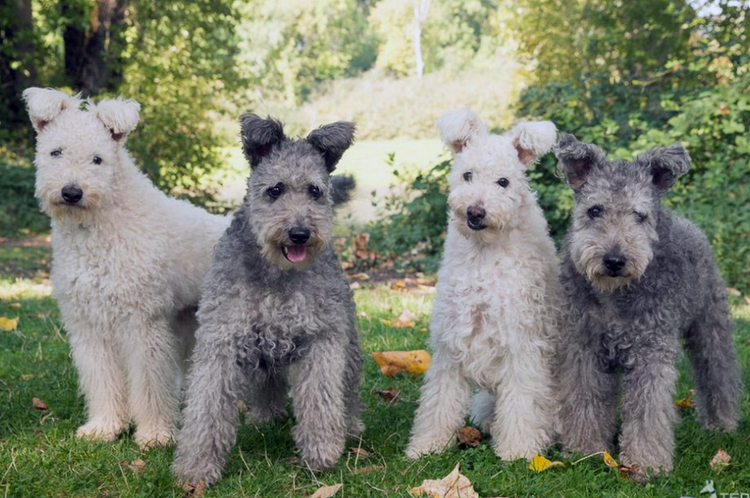
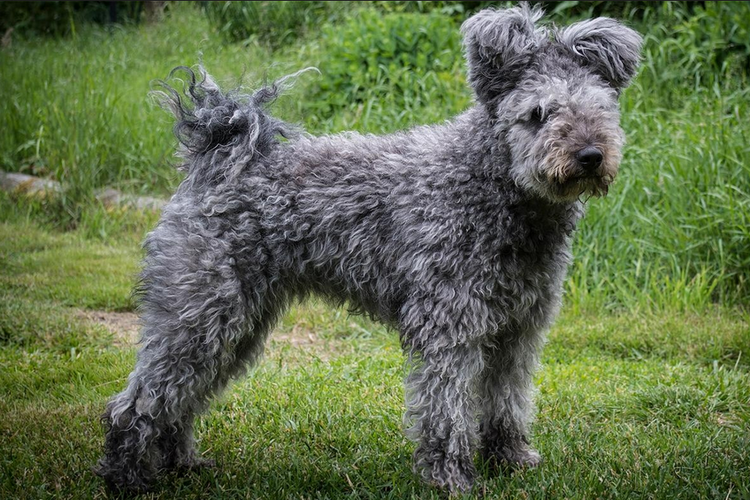
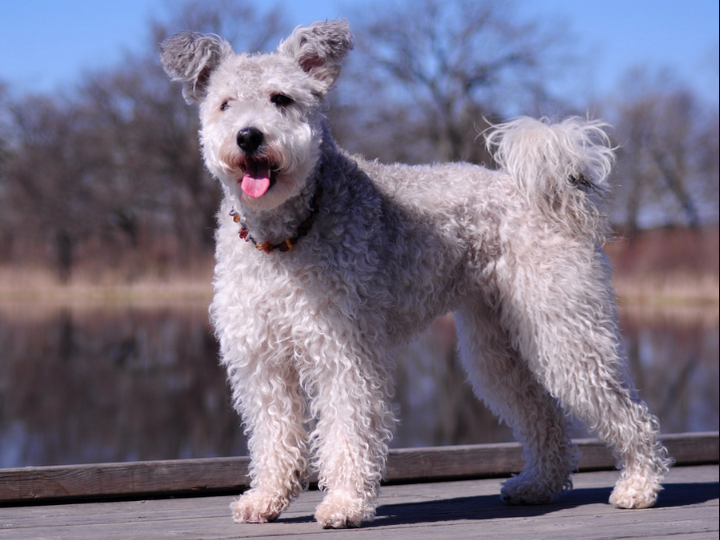
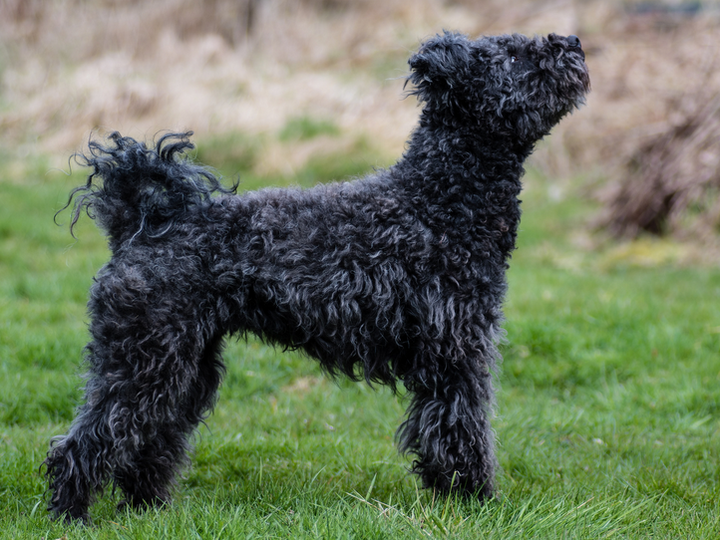
The Pumi's appearance is quite amusing, as is its small shepherd's temperament. The Pumi is a slightly smaller-than-average dog with a terrier-type build, a strong frame, and an elongated muzzle with semi-erect ears. Its body is square, its neck is set high, and its tail is carried high and curled. Its medium-length, curly or wavy coat forms strands. Sexual dimorphism is moderate. Males stand 41-47 cm at the withers and weigh 10-15 kg; females stand 38-44 cm and weigh 8-13 kg.
The head is long, dry, and relatively narrow. The skull is slightly domed with a flat, long forehead. The stop is weakly defined and flat. The muzzle is long, tapering toward the nose, but not pinched. The bridge of the nose is straight. The nose leather is straight and narrow; any color is allowed. The lips are dry, close-fitting, and well pigmented. The jaws are well developed and strong. The bite is scissor-like. The eyes are medium in size, set obliquely, oval in shape, with a lively and intelligent expression. The color of the eyes is dark brown. The eyelids are tight-fitting, well pigmented, and dry. The ears are set high, semi-erect. The upper third of the auricle is broken, the tips hang forward and slightly to the side. The ears are medium in size, very mobile.
The neck is muscular, medium length with a small nape. Set at an angle of 50-55 degrees. The length of the body corresponds to the height. The bones are strong. The muscles are elastic and dry. In general, the constitution type is dry. The line of the back is level. The withers are well defined and long. The back is short, strong, and level. The loin is straight and short. The croup is fairly wide, sloping, and short. The chest is flat in the front part, deep, and moderately wide. The belly is well tucked up and elastic. The tail is set high and curled into a ring. A bobtail or docked tail is not allowed. The legs are straight and parallel, dry and strong. The paws are high, arched, and rounded with well-knit toes. The claws are strong, black or gray. The pads are elastic and flexible.
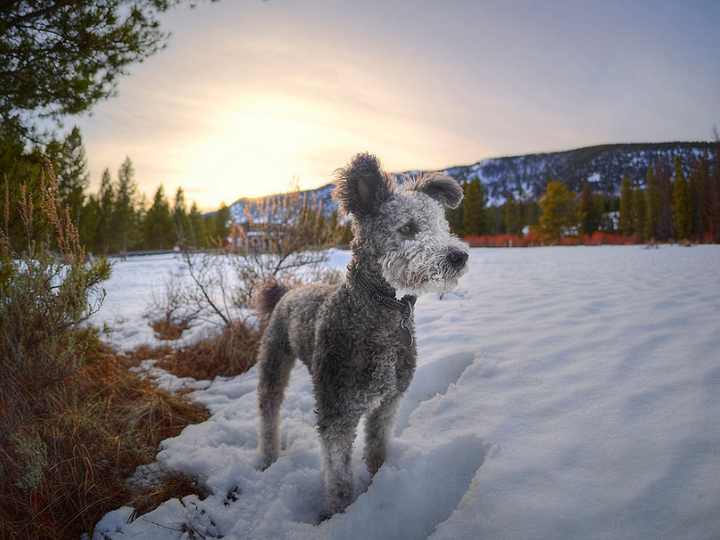
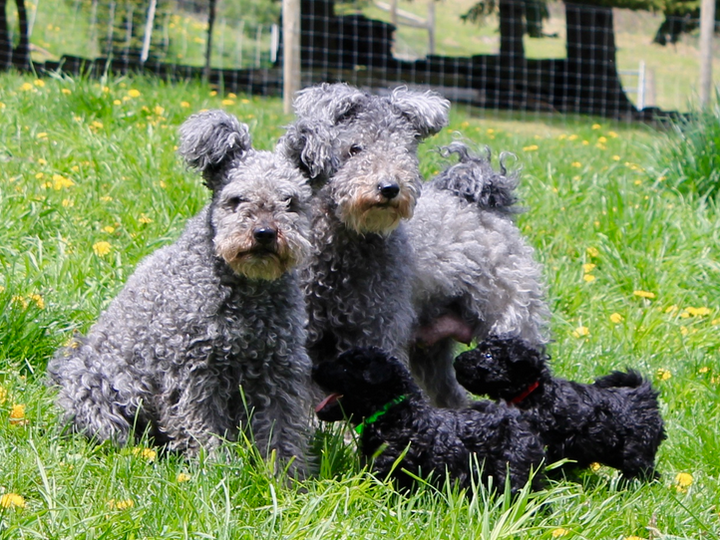
The skin is thin, tight, wrinkle-free, elastic, and well-pigmented, with a slate-gray color. The coat is wavy or curly, forming locks or strands up to 7 cm long. It should not mat into cords like a Puli or be smooth. It consists of a guard hair, a topcoat, and an undercoat. On the ears, the hair forms tufts that stick out in all directions. The eyes and muzzle are clearly visible. Solid color:
- Gray in all shades
- Black
- White
- Sable, fawn, red with black or grey tint on the tips of the ears, muzzle, along the spine and on the tail.
Dark dogs are allowed to have a white spot on the chest and small slippers on the paws.
Character and behavior
The Pumi is cheerful, restless, hardy, and incredibly active. Always ready to work, yet unobtrusive, bold, and courageous, it is reserved and sometimes distrustful of strangers. It enjoys being at the center of things and attracts attention with its intelligence. It has an opinion on everything and is not shy about expressing it. Even its show stance conveys the impression of speed and alertness. Dogs with timid or phlegmatic personalities are disqualified.
The Pumi has a fiery temperament; it's versatile, intelligent, and alert, always on guard, hearing and seeing everything, and will alert its owner to anything. It adapts well to life in any environment. The Pumi was originally bred and adapted for herding, as evidenced by its habits and activity. It is also capable of hunting small game and has proven itself as a companion and sporting dog.
Puli bark loudly, loudly, and frequently. In a farm environment, this is a useful quality, which, along with their activity, makes them good shepherds and guard dogs. However, for dogs living in urban areas, including apartments, this quality is undesirable and should not be encouraged.
Pumis get along well with children of all ages. If overwhelmed by attention, they'll prefer to retreat to a safe distance. They'll happily join children in games and other amusements. They're very attached to all family members and obedient, but they usually see their owner and mentor as only one person.
They get along well with other animals. They may occasionally show a hunting interest in small animals and birds, but will not harm their own if they have been well trained and socialized.
Education and training
The Pumi is very intelligent and quick-witted. It can exhibit some independence in its work if it feels confident, but is otherwise people-oriented. It quickly learns house rules, learns new commands easily, and is always eager to please its owner. Thanks to its high trainability, it is well-suited even for novice dog owners and can be considered a good dog for a responsible teenager.
Pumis living on farms learn the basics of herding from adult dogs. The owner simply teaches the dog basic commands and can then correct or direct them if necessary. Socialization is crucial for Pumis. From early puppyhood, the dog is introduced to various situations and praised for good behavior. Particular attention is paid to interactions with small animals, which can awaken their hunting instinct. It's important to teach city dogs from an early age not to bark at every sound.
Content Features
Pumis are completely undemanding when it comes to living conditions. They adapt well to apartment life, provided they receive adequate physical and mental stimulation. They can live outdoors and even in a barn with livestock. The only option unsuitable for energetic guard dogs is living in a cage or on a leash.
The Pumi is a very energetic, active dog that thrives on work and exercise. If bored, it develops bad habits and becomes prone to wandering.
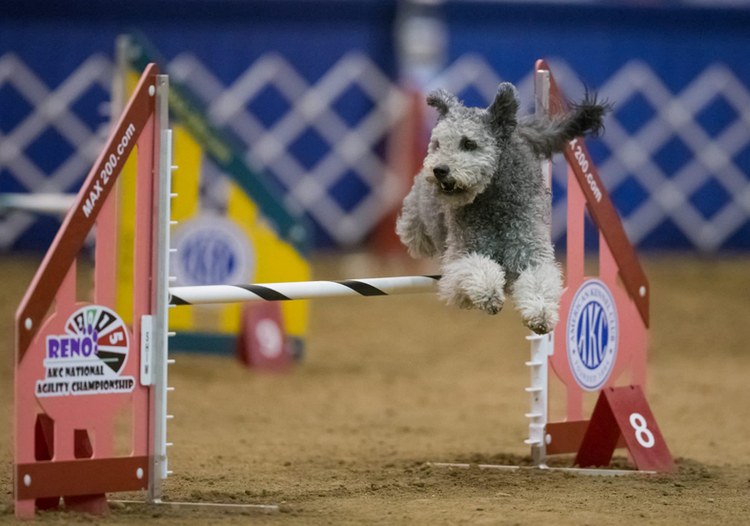
The Pumi requires moderate exercise and is always willing to accompany its owner anywhere, including on long hikes. For dogs that don't live on farms and aren't allowed to run around all day, it's important to provide long walks, diversifying them with games and exercise. Sports are a great way to entertain both dog and owner. Pumis excel in agility, freestyle, flyball, and other competitions.
Care
Pumi grooming includes regular brushing, grooming, bathing, inspection and cleaning of the ears, teeth, and nail trimming. Two to three times a year, it's recommended to trim the Pumi, meaning pluck the hair everywhere except the head and legs, where trimming is permitted. Show dogs are regularly groomed to maintain a neat appearance. Brushing is recommended at least once a week, and immediately after walks, removing plant debris from the coat, which can cause tangling. A distinctive odor is only caused by skin conditions and poor grooming. Bathe the dog once or twice a month. The ears are examined weekly and cleaned as needed. It's also a good idea to accustom your pet to having their teeth brushed to prevent future tartar buildup. Closely monitor the eyes, wiping them as needed to remove any accumulated secretions. Normally, Pumi eyes don't tend to water excessively; they should be dry and clean.
Nutrition
Pumis are generally not picky and adapt well to any diet. This can be natural food or prepared foods. In both cases, a balanced diet is essential. A natural diet is formulated according to standard guidelines. It should be appropriate for the dog's size, age, and physical condition. If the dog is a gourmet and picky about what it eats, it's best to choose dry food above the super-premium level. During periods of intense physical activity and in cold weather, portion sizes or calorie intake should be slightly increased.
Health and life expectancy
Pumis are naturally strong and resilient. Most dogs enjoy good health and only begin to suffer from common ailments of old age in adulthood. However, some are less fortunate. Several hereditary diseases are common in the breed. To prevent their spread, breeders continue to test dogs for these conditions and, if any are detected, remove the animal from breeding. These conditions include:
- Hip dysplasia;
- Patellar dislocation;
- Primary lens dislocation;
- Generative myelopathy;
- Dysplasia of the knee joint.
To maintain the health of your Pumi, preventative measures are important, including vaccinations, annual checkups, and regular treatments for external and internal parasites. The Pumi's lifespan typically ranges from 12 to 15 years.
Choosing a Pumi Puppy
The Pumi is a very rare and relatively small breed. The majority of the population is concentrated in Hungary and the United States. In Russia and neighboring countries, you can find breeding kennels in large cities where you can put your name on a waiting list for a puppy. Occasionally, you can find ads for available puppies.
Heredity is an important factor influencing the appearance and psyche of a Pumi puppy. Therefore, it's important to meet the litter's parents. Regardless of the purpose of acquiring a Pumi puppy, pay attention to its health, compliance with the standard, and the presence of defects, which are called breeding faults (cryptorchidism, missing teeth, malocclusion, non-standard color, and others).
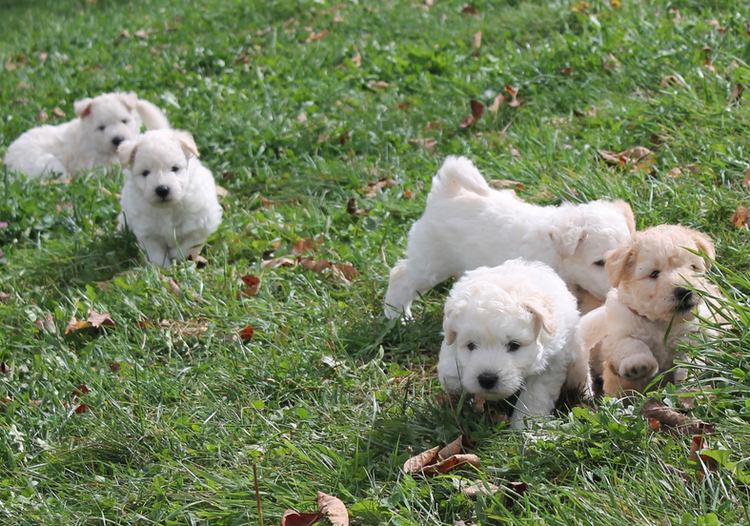
It's recommended to pick up a puppy at 2-3 months. It should be dewormed and vaccinated according to age. Along with the puppy, future owners should receive a birth certificate (the puppy card is later converted into a pedigree) and a veterinary passport with the vaccination date.
Price
Pumi puppies are relatively inexpensive in Russia, which is likely due to low demand. A Pumi puppy not intended for show or breeding can be purchased for 15,000-25,000 rubles. Promising dogs can cost significantly more. In Hungary, Pumi puppies are relatively inexpensive, but shipping costs can significantly increase the price.
Photos
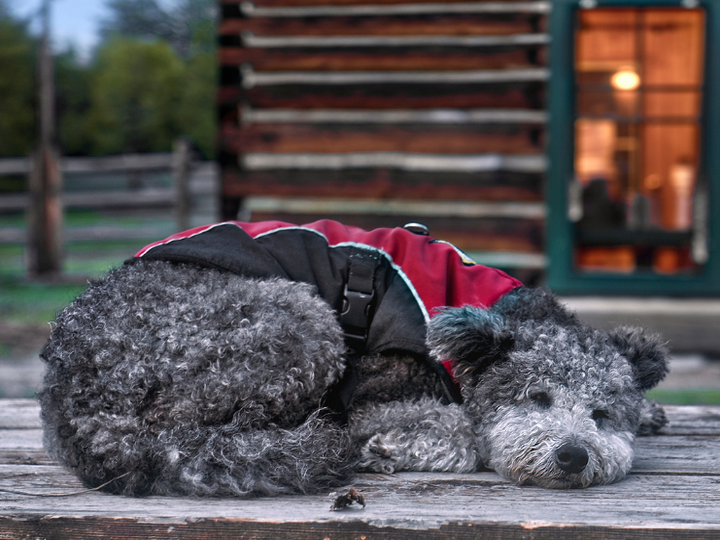
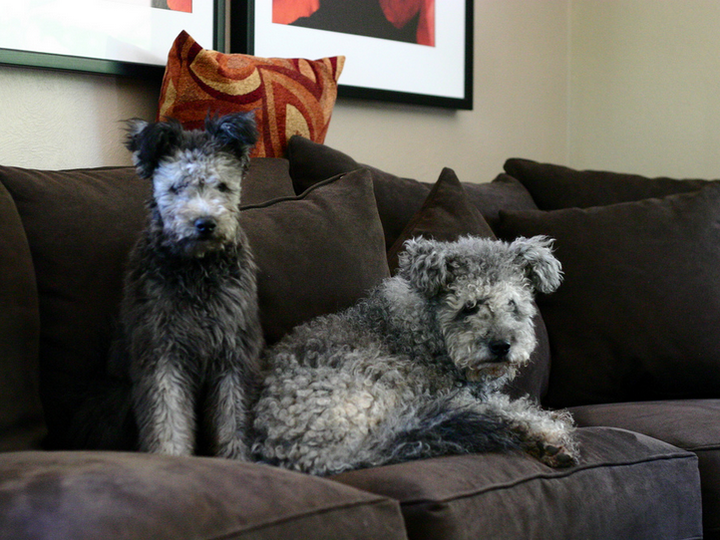
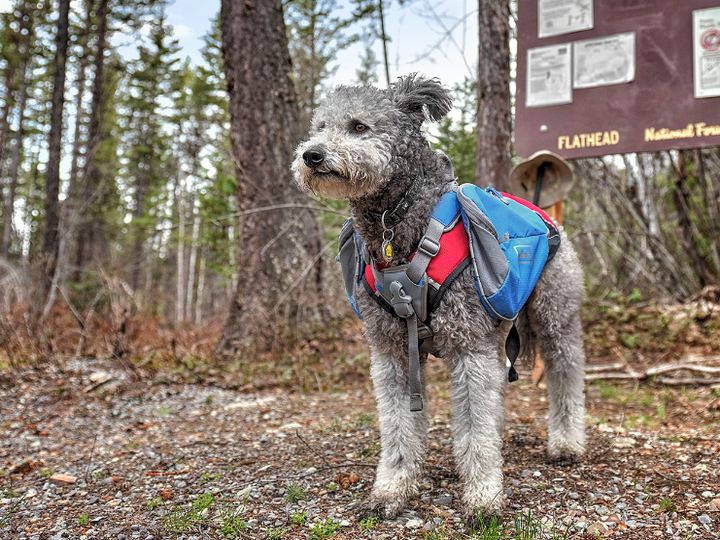
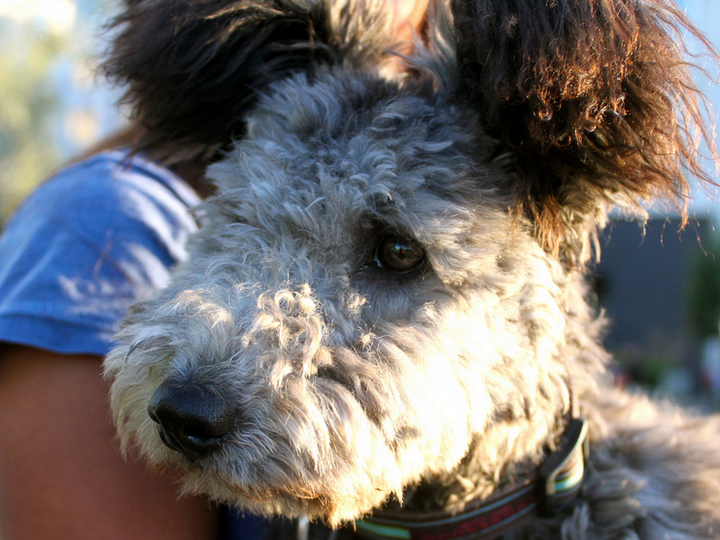
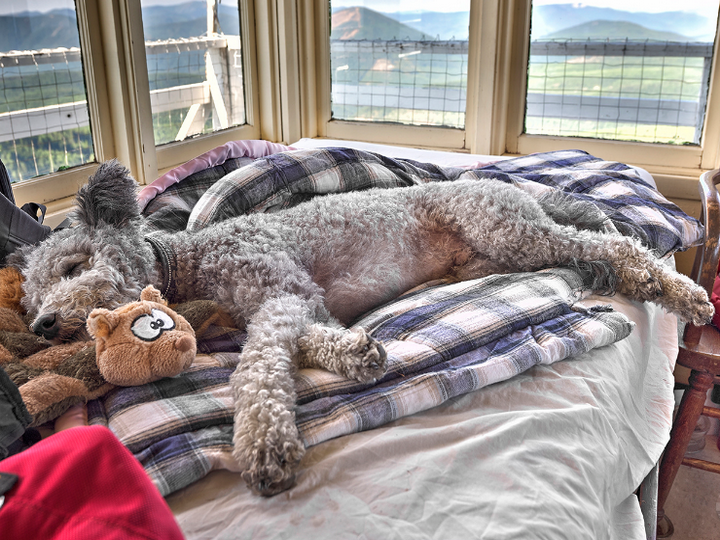
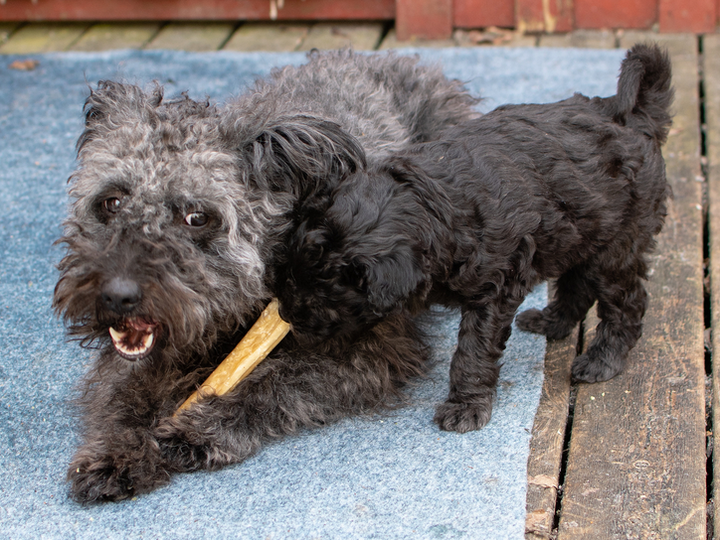
The gallery contains vibrant photographs of Pumi dogs of varying ages and colors.
Read also:
- Hungarian Vizsla (Hungarian Shorthaired Pointing Dog)
- Kuvasz (Hungarian Kuvasz)
- Hungarian Greyhound (Magyar agar)


Add a comment