
Pimples on a dog's body: causes and treatment
Acne can appear on a dog's face and body as a result of infection, injury, or poor hygiene. Self-treatment often leads to complications, so it's important to consult a veterinarian about the best course of action to address the problem. Only professional treatment will relieve your pet's suffering.
Causes of pimples on a dog's body
The main cause of skin rashes in pets is poor hygiene. Dirt and oil get into the pores, forming a plug that quickly turns black and serves as a breeding ground for pathogenic bacteria. If acne isn't treated promptly, a small ulcer will develop in the affected area. These pimples most often appear on the face of breeds with excessive drooling, such as English and French bulldogs and pugs.
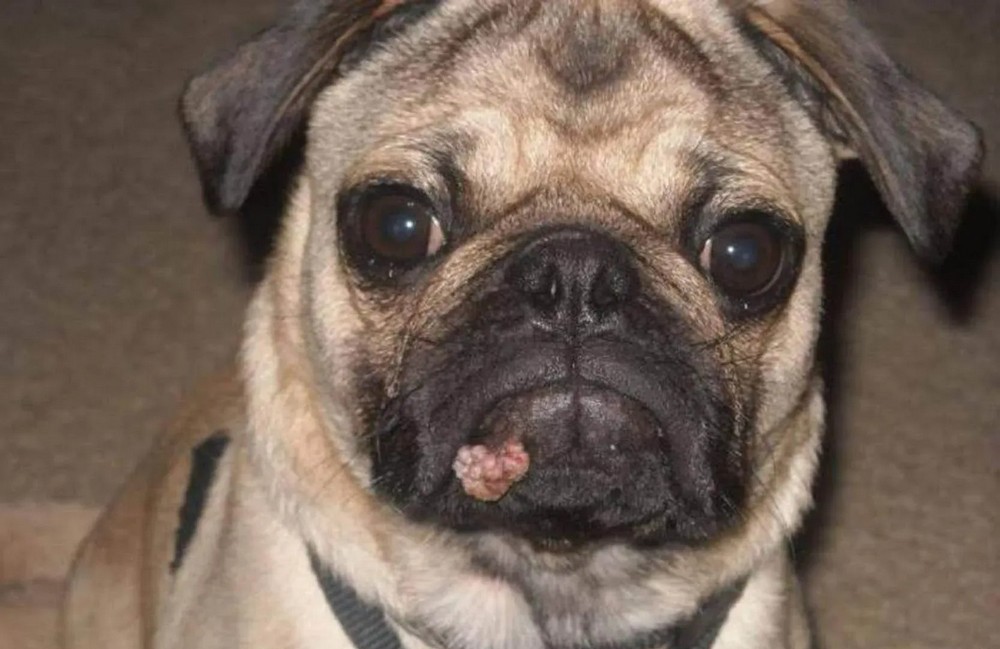
The following reasons also lead to the defect:
- Allergy. An adverse reaction occurs in response to an irritant—food, detergents, household chemicals, environmental conditions, or pharmaceuticals.
- Ectoparasites. Pimples appear after bites from fleas, ticks, and lice. The animal scratches the bite site, which leads to the formation of abscesses, festering scabs, and scars.
- Scabies. Parasitic insects burrow microscopic burrows into the skin, causing severe irritation, hair loss, and scratching of the affected areas.
- Demodex. The mite infests the hair follicles. The mites become inflamed, and the skin around them becomes red and intensely itchy. A fungal or bacterial infection may develop.
- Ringworm. Depending on the type, this condition can even affect the nails. After hair loss, the skin becomes flaky, cracked, and inflamed. A characteristic symptom of dermatophytosis is an unpleasant odor.
- Pityrosporosis. An infection caused by a weakened immune system and the growth of yeast fungi. Typically, the affected areas are the facial area: ears, chin, lips, and nose. Simultaneously, the animal experiences drooling and discharge from the eyes.
- Trauma. In Yorkies and other dogs that aren't prone to drooling, facial pimples are caused by trauma that ruptures the hair follicle and causes hair loss. Fluid from the hair follicle leaks out, causing irritation and inflammation in the affected area.
- Heredity. Some breeds have a genetic predisposition to skin rashes. These include the bulldog, Great Dane, German Shorthaired Pointer, Doberman, Rottweiler, Boxer, Weimaraner, and Mastiff.
In puppies 4-5 months old, rashes are often present on the belly and appear as a result of wet bedding or drafts.
Clinical picture
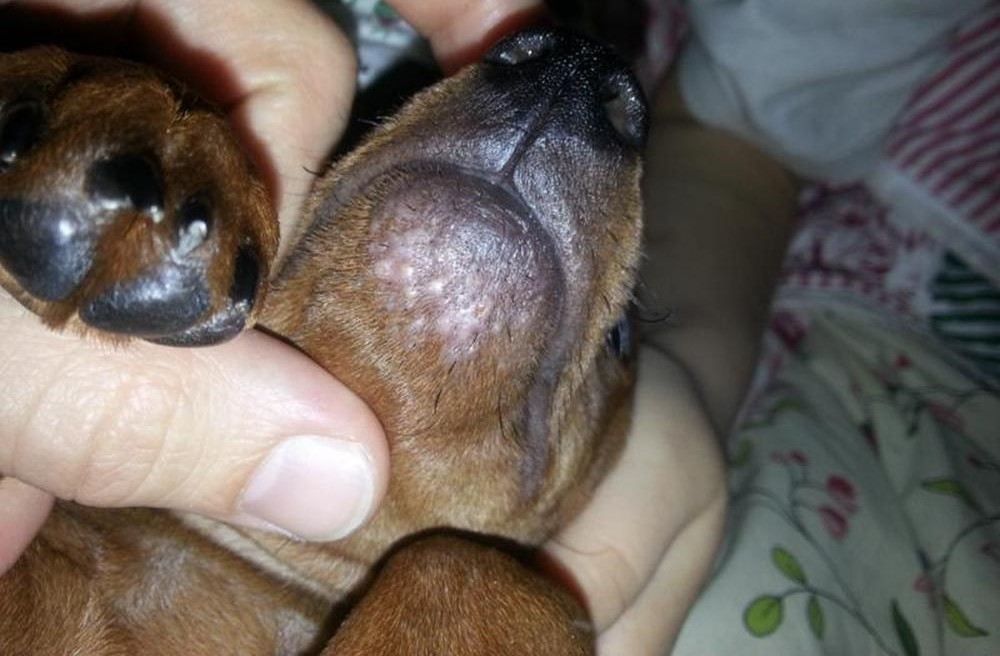
Regardless of the cause, the rash develops in a similar pattern. The main signs of the condition are:
- Red areas with swelling, as in the photo.
- Inflammation that is accompanied by peeling, cracks, and the release of ichor.
- The addition of a bacterial infection with the formation of pimples with a white head, purulent ulcers that merge into spots.
- The hair around the inflamed area falls out.
The dog experiences pain and severe itching. It often displays aggression, refusing to let its owner approach, or, conversely, appears apathetic.
What to do
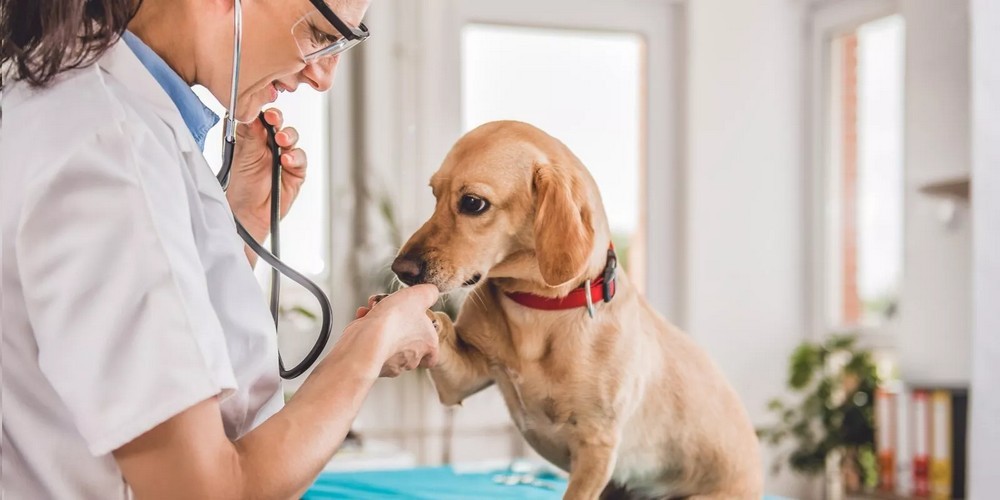
If a rash is detected, it's important to visit a veterinarian to determine the cause of your pet's skin problems. The veterinarian will carefully examine your pet's head, abdomen, and back, and may prescribe diagnostic procedures if necessary:
- skin biopsy;
- allergy test;
- bacterial culture.
What medications are used in treatment:
- For a small number of pustules and mild cases, benzoyl peroxide is used topically. When applied to the inflamed area, it cleanses the follicles and inhibits bacterial growth. For severe cases, long-term treatment is necessary to reduce the risk of recurrence, even after the symptoms have subsided.
- Steroids, which are effective in reducing inflammation, are sometimes recommended. Prednisolone, betamethasone, and flucinolone are most commonly used.
- Mupirocin and other topical antibiotics are helpful in cases of bacterial infections. Oral antibiotics are prescribed for extensive lesions. Depending on the animal's condition, they are prescribed for 4 to 8 weeks.
- If the rash is caused by inflammation of the hair follicles, isoretinone is often effective.
Squeezing abscesses at home is strictly prohibited. Pressing on inflamed skin can rupture the follicle, causing purulent fluid to leak out and spreading infection.
Preventing Acne in Dogs
From puppyhood, the animal must be accustomed to hygienic procedures:
- comb out tangled fur;
- treat minor abrasions with disinfectants;
- bathe your pet periodically using special detergents;
- wash paws after a walk.
To reduce the risk of acne, your pet should receive all the vitamins and minerals necessary for healthy skin and coat. It's advisable to consult with your veterinarian about the optimal supplement. Your veterinarian's recommendations are especially important when using immunostimulants and immunomodulators, which are prescribed based on your pet's condition and age.
If your dog is constantly scratching and the skin around the scratches appears inflamed, it's best to consult a veterinarian instead of attempting to treat the condition yourself. The vet will determine the cause of the problem and recommend the most effective treatment.
Read also:
- Scabies mites in dogs: symptoms and treatment
- Lipoma in dogs: what does it look like and how to remove it
- Dermatitis in dogs


Add a comment