
Birth control pills for cats
One possible way to prevent unwanted pregnancy in a cat is to use birth control pills. Some cat owners consider them a more humane method than spaying. The latter is especially drastic, meaning it will be impossible to reproduce with your pet in the future. Are these medications safe for your cat's health?
Content
Types of contraceptives
A wide range of contraceptives are available on the veterinary pharmaceutical market. They can suppress the production of sex hormones, suppress the desire to mate, prevent unwanted pregnancy, and regulate the psycho-emotional state during estrus.
Based on their composition, they can be divided into 3 groups:
- High-dose hormonal (based on synthetic hormones). They induce a false pregnancy with corresponding symptoms, leading the cat to believe that the reproductive function has been fulfilled.
- Low-dose hormonal. They belong to the modern generation of contraceptives against pregnancy that suppress sexual desire.
- Natural. They are made from herbal ingredients, help suppress sexual activity, and have a mild calming effect.
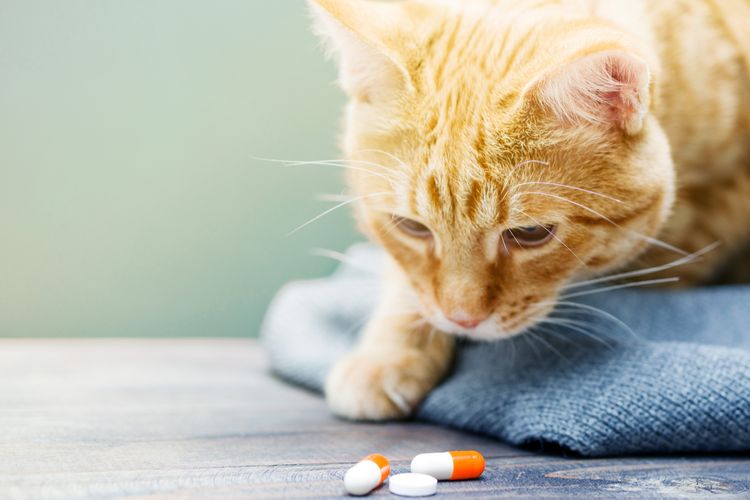
Manufacturers offer these drugs in different forms.
Injections
Contraceptive injections for cats have a long-lasting effect (4 to 6 months), during which time the cat will not go into heat. It is recommended that the initial administration of the chosen medication be carried out by a veterinarian, and all subsequent injections can be administered at home a few days before the expected heat date. Key advantages include prolonged effectiveness and a virtually 100% success rate, but a high risk of side effects and complications. Additional inconveniences may be associated with the injection procedure itself: if the owner is inexperienced, the assistance of a partner who can restrain the pet will likely be required.
Injections should not be given to pregnant females or to individuals over 5 years of age unless this contraceptive method has been used previously.
Pills
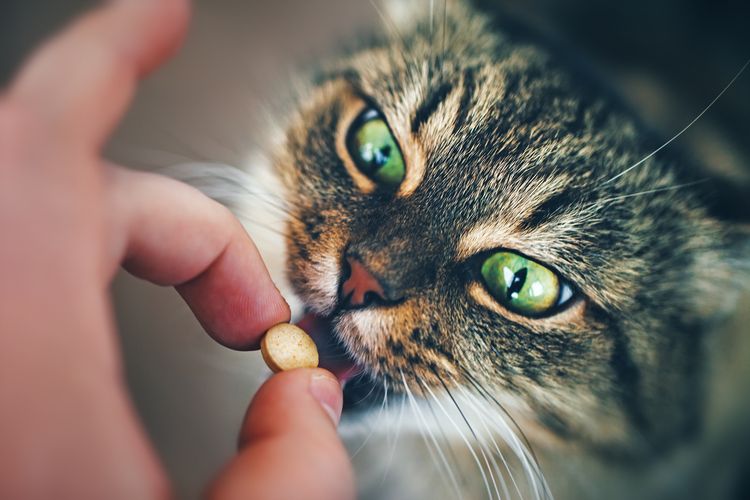
The contraceptive effect of pills can be achieved through the use of synthetic hormones or natural ingredients. The former are considered more effective, but can have negative effects on the animal's body. The latter are virtually harmless, but have a shorter duration of action, which increases the risk of unwanted pregnancy. Furthermore, the pill must be administered to the pet with care, so that it cannot be spit out.
Drops
Drops (oral or applied to the withers) have properties similar to birth control pills and injections, differing only in the form of delivery. The latter also makes it easier to use: the solution is easier to drop into the cat's mouth, preventing her from spitting it out. They should be used no later than two days before the onset of estrus.
The form of contraceptives depends on the composition: herbal preparations are available only in tablets or drops, hormonal agents - in any of the three forms.
Popular drugs
Contraceptives are approved for use in animals older than 8-12 months. Use at a younger age can cause hormonal imbalances and physical problems. Dosage and frequency of administration are calculated individually based on the pet's weight and physiological characteristics. The most popular contraceptives and their prices are presented in the table:
|
Name and active ingredient |
Description |
Average price |
|
(mepregenol acetate water soluble, ethinyl estradiol) |
A bihormonal drug with analogues of natural sex hormones. It suppresses libido (also known as "sex pills") and pregnancy, and corrects unwanted behavior. |
295 rubles/2 ml |
|
205 rub./ 10 tablets. |
||
|
Countersex (acetobumedone, ethinyl estradiol) |
A highly hormonal drug with a sedative effect that prevents unwanted pregnancy. |
128 rubles/2 ml |
|
112 rub./10 tablets. |
||
|
(mepregenol propionate, ethinyl estradiol) |
Reduces sexual arousal, prevents pregnancy and normalizes the behavior of cats during the estrus period. |
222 rubles/1.5 ml |
|
178 rub./10 tablets. |
||
|
(proligestone)
|
Injections help reduce sexual activity and prevent the onset of estrus, but cannot guarantee the prevention of pregnancy. |
2030 rub./20 ml |
|
Stop intimacy (megestrol acetate) |
Promotes suppression of sexual desire and associated behavioral problems |
159 rub./2.5 ml. |
|
125 rubles / 15 tablets |
||
|
Libidomin |
Suppresses the production of sex hormones and the onset of ovulation, prevents aggression and agitation |
37 rubles/5 ml |
|
Pillkan 5 (megestrol acetate) |
Helps interrupt or delay estrus without threatening subsequent pregnancies. |
619 rub./ 8 cu.m. |
|
Depo-Promon (metroxyprogesterone) |
Injections based on synthetic progesterone hormones to suppress ovulation and prevent conception. |
105 rubles/1 ml |
Effect on the cat's body
Indiscriminate use of any contraceptive can lead to hormonal imbalances, endometriosis, pyometra, cancer, and other serious health problems. They can also impair the animal's reproductive function and its ability to bear viable offspring (kittens are stillborn). Therefore, before use, it is essential to carefully read the instructions, adhere to the recommended dosage, and consider the pet's underlying health. Even better, consult a veterinarian first. However, even under these circumstances, the risk of complications is quite high.
Hormonal contraceptives are strictly contraindicated for pregnant and lactating animals, as well as animals with chronic reproductive system conditions or tumors. These medications are also not recommended for those with diabetes or endocrine disorders.
Most veterinarians confirm the negative impact of contraceptives on cats, especially when used regularly. To prevent unwanted pregnancies, it is recommended to use the medications no more than once or twice a day and only on young, healthy cats. In cats with chronic illnesses or in advanced age, contraceptives can cause even more harm. The only correct and safe method, according to breeders and veterinarians, to prevent pregnancy is spaying.
Regarding the use of birth control pills after birth, they should not be given during the first heat cycle or while nursing kittens, as this can lead to poisoning of the kittens. The best option here is also spaying after the kittens have grown.
Reviews
Angelina:
"I've been giving my cat Covinan injections every six months for over three years. I haven't seen any deterioration in her health during this time. We also have a male cat, who is best friends with us, but we haven't had any offspring. Friends have also had positive experiences with this medication, provided it's started early and the injections are given regularly as prescribed."
Svetlana, veterinarian:
"In practice, I've seen adverse effects from using Libidomin, Sex Barrier, Contrasex, and similar medications on cats. They contain high doses of hormones, which significantly increases the risk of side effects. The most common of these is uterine inflammation, which can sometimes be caused by just one tablet. As a veterinarian, I adhere to the principle: 'If you don't want to have offspring, spay your cat!'"
Elena:
"After several doses of birth control, I finally decided to spay my cat. Firstly, it's important not to miss the right time. Secondly, contraceptives need to be used frequently anyway, which increases the risk of side effects. I'm no longer expecting kittens from my cat, so I can now rest assured about her health."
Read also:
- How long after giving birth can a cat become pregnant?
- Mastopathy in cats: symptoms and treatment
- Vet Calm for Cats


1 comment
Svetlana
Sexual arousal in female and male cats should be reduced at the first sign of its onset. To do this, administer SEX BARRIER daily for 3-5 days. This medication is recommended for maintaining a calming effect. To maintain a low level of sexual activity in female cats, administer 1 tablet regularly once every 2 weeks. For female dogs, administer the medication 7-14 days before the expected estrus cycle for 5-7 days, based on the animal's weight, at the dosage indicated above.
Add a comment