
Colds in Dogs: Symptoms and Treatment
A cold in dogs is an acute respiratory viral infection that can affect animals of any age. While this condition may seem harmless to dogs, this isn't entirely true. Colds can lead to serious complications, so it's important to recognize symptoms early, begin treatment, and, if necessary, take your pet to the veterinarian for professional help.
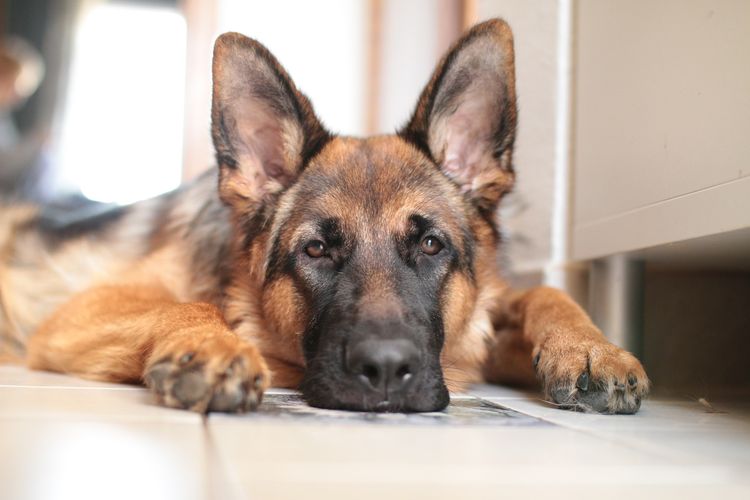
Predisposition factors
Those most at risk for developing colds often include older animals, toy breeds, and those with weakened immune systems. The most common triggers include:
- Breed predisposition. Toy and small breeds are considered to be most prone to frequent colds.
- Old age, since age-related changes also cause a weakening of the immune system and viruses easily enter the body.
- Violating feeding and housing rules. Poor-quality food lacking essential vitamins and minerals, lack of vaccinations, delayed deworming and antiparasitic treatment, and being kept in a cold environment—even one of these factors leads to weakened immunity and frequent illnesses.
- Hypothermia (being kept outside in extreme cold, caught in the rain, or immediately after a bath). Hypothermia due to falling into an ice hole or cold water deserves special mention. Such cases require immediate veterinary attention.
- Contact with sick animals while walking or when kept in enclosures.
Many owners wonder about the possibility of dogs catching a cold from humans. Currently, veterinarians don't have a definitive answer. On the one hand, the viruses that cause acute respiratory infections, acute respiratory viral infections, and influenza in humans and animals are different. On the other hand, viruses sometimes mutate and adapt to new, unfamiliar conditions. For example, there have been recorded cases of dogs contracting the H1N1 swine flu virus from humans.
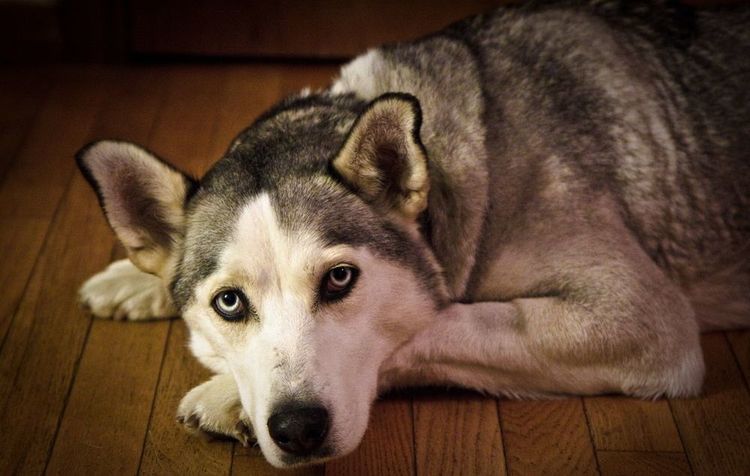
Symptoms of the disease
Colds in dogs are not asymptomatic. There are a number of signs that owners can look for to identify the illness:
- Dry and hot nose – the primary symptom that signals an increase in body temperature, provided that the animal is not in a hot room.
- Increased body temperature. It's important to remember that a dog's normal temperature is slightly higher than a human's and, depending on the breed, can range from 37-39°C.
- Dullness of the coat.
- Behavioral changes: the dog becomes lethargic, refuses active play and gets tired very quickly.
- Nasal and ocular discharge. It's important to remember that with a cold, discharge should be clear and transparent, while the presence of pus, blood, or other impurities can be a symptom of more serious illnesses.
- Tremors and fever: observed when the pet's body temperature rises sharply, causing them to shiver and seek any source of warmth. This may indicate an acute illness that requires veterinary attention.
- Decreased appetite or complete refusal to eat, but the dog drinks water very often and greedily.
- Cough and sneezing: these appear when the animal needs to clear the airways, but the appearance of a cough is a more serious symptom, which may indicate the spread of the virus to the bronchi or lungs.
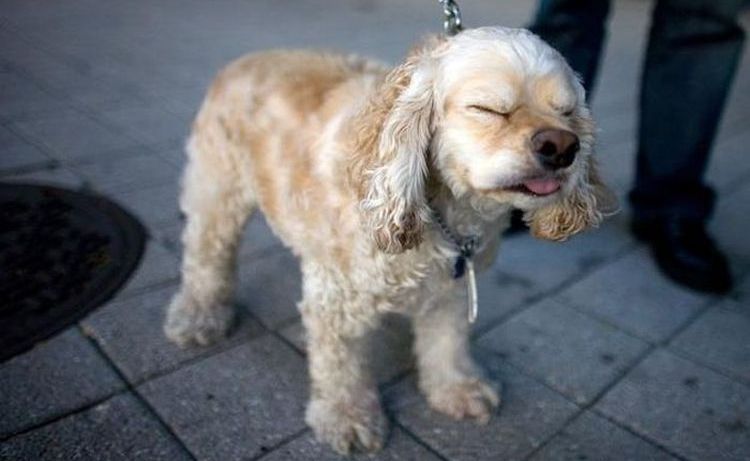
Note! Coughing, sneezing and snot against the background of normal body temperature, they may be a symptom not of a cold, but of an allergic reaction.
A cold doesn't necessarily require all of the above symptoms, but even two or three of them are a compelling reason to monitor your pet more closely. If your dog's condition worsens over time and the symptoms become more pronounced, it's not a cold. Wheezing, severe coughing, and vomiting are typical symptoms of the pneumonic form. plagueIn such cases, you should immediately contact a veterinarian, otherwise your pet will die.
Treatment of colds
Dog owners should understand that home treatment is only suitable for mild colds. In some cases, general strengthening measures aimed at stimulating the immune system are sufficient to improve the condition and speed up recovery. To do this, you should:
- Ensure comfort and peace: eliminate possible drafts, ensure normal temperature and humidity in the room.
- Provide high-quality, balanced nutrition and warm drinks.
- Cover the pet's area with a warm cloth; sometimes a blanket and heating pads may be necessary. Plastic bottles filled with moderately hot water can be used as heating pads.
- Wipe your nose and eyes (if discharge appears) with a sponge soaked in warm water, and if the mucous membranes become dry, use additional moisturizing drops.
- Brush your dog with a soft brush or rub the skin with your palms to stimulate blood circulation.
- Limit walks.
Use of medications
Medication at home should be administered after consultation with a veterinarian and only in the early stages of a cold, provided the dog remains active and drinks water. The most common medications include:
- Gamavit: 2 ml subcutaneously once a day for 5 days.
- Cycloferon (125 mg/ml): 1 ml intramuscularly at intervals of 1 day for 5-7 days.
- Analgin with diphenhydramine (1:1 ratio): 1 ml of the drug intramuscularly up to 2 times a day in the presence of high temperature.
Important! Under no circumstances should any medications containing paracetamol be used to treat dogs, as it is highly toxic to their bodies.
If a severe cough with phlegm and wheezing develops, antibiotics are added to the treatment. If consulting a veterinarian is not possible in this situation, broad-spectrum medications are recommended. Volparen and Amoxiclav (2.5 mg) are considered the most effective. The latter is prescribed at a dose of 1 tablet per day for 7-14 days. When using antibiotics, medications to restore intestinal flora (Enterol, Linex) are essential.
During home treatment, it's important to closely monitor your pet's condition. If medication fails to improve or worsens, you should immediately visit your veterinarian or request a home visit.
Read also:


Add a comment