
Colds in Cats: Symptoms and Treatment
Any warm-blooded animal can catch a cold or become ill. Almost all domestic animals are susceptible to colds: dogs, cats, rodents, and birds. However, recognizing the illness in a timely manner isn't always possible. A simple illness can progress to complications. And instead of a simple runny nose and sneezing, your pet may need to be treated for bronchitis or pneumonia. How do colds manifest in cats, and why do they develop?
Content
- 1 Why might a cat catch a cold?
- 2 Cold symptoms in cats
- 3 Treating a cat with a cold
- 4 Preventing colds in cats
- 5 What tests are performed in a veterinary clinic to help determine the cause?
- 6 Support and Treatment Plan - What's being done in the clinic and what can be done safely at home
- 7 Prevention of relapses and strengthening the immune system
- 8 Special risk groups and what they need to know
Why might a cat catch a cold?
- The most common cause is hypothermia. It's not necessary for the pet to be in a draft (although this is often what causes it). runny nose (and tearing in the animal). A cat may be exposed to low temperatures after active play, or after being in a warm room, or after a bath (even a drop of a few degrees can be a contributing factor to the development of a cold in a cat).
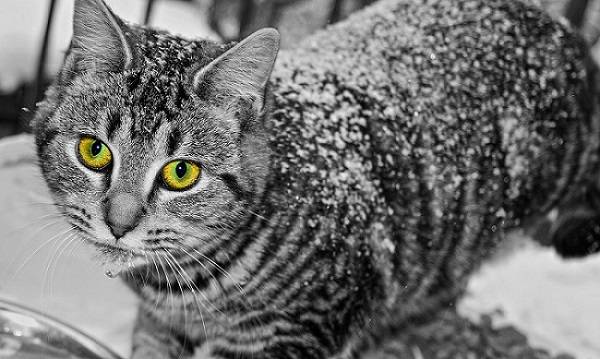
- Swimming in cold water won't go unnoticed either. Be prepared for the animal to start swimming any day now. will start sneezingThe same applies to keeping your pet outside during inclement weather: rain, snow, strong cold wind, frost.
- Don't forget about your cat's immune system. The weaker it is, the faster it gets sick. Therefore, it's crucial to remember mandatory anti-epidemic measures, a well-balanced diet, and regular veterinary visits (checkups to ensure your cat is completely healthy).
- An exhausted and weakened animal will catch a cold much faster than its well-fed counterpart.
- The density of the coat also plays a significant role. You'll agree that Sphynx cats, for example, are more susceptible to colds because their skin isn't protected by fur.
Cold symptoms in cats
The main symptoms of a cold in a cat are a runny nose, sneezing, watery eyes, coughing, and slight increase in body temperature, lethargy, loss of appetite.
However, such clinical signs are also characteristic of other diseases. Many infectious diseases can begin in a similar way. It can easily be confused with rhinotracheitis, panleukopenia, calicivirus, and pneumonia. mycoplasmosis, infectious peritonitis, and other "infections." Treatment for these "infections" is completely different, as they are life-threatening. Therefore, don't dismiss your pet's illness as a cold. It's a good idea to visit your veterinarian to make sure nothing more serious is developing.
Moreover, even a cold in cats requires treatment even at home, as there is a high risk of complications developing. Pets, just like humans, can develop bronchitis, tracheitis, pharyngitis, pneumoniaAnd treatment for these illnesses will be much more serious and complex than for a simple cold. A secondary infection (bacterial or viral) is also possible, as the immune system is weakened and unable to fight pathogens fully.
Treating a cat with a cold
Treatment for a cold in a cat should only be prescribed by a veterinarian, since many human medications are dangerous to the health and life of the animal.
But the basic principles are the same as for humans:
- Rest, get more sleep. Cats are already notorious sleepers, so all you need to do is provide a warm and cozy sleeping place, protected from drafts and cold.
- Warmth. Also, don't let a cat with a cold lie on a cold floor (tile, linoleum, or anything that might be exposed to a cold draft). You can place a heating pad nearby, cover it with a blanket, and pet it (if it allows, rub its limbs to increase blood flow). Give plenty of warm food. Of course, a cat won't drink warm water. Pets generally shouldn't drink milk (only fermented milk products, which can't be heated). Therefore, make sure both food and drink are at least room temperature. Food should be easily digestible but meet all the criteria.
- Strengthening the immune system. Vitamins and minerals are essential to help the immune system get stronger faster.
- Wipe your eyes and nose (especially if there is discharge from them) with a clean swab soaked in warm boiled water.
- If you're wondering how to treat a cat's cold, remember that medications should only be prescribed by a veterinarian after an in-person examination. In most cases, treatment doesn't require any medication; improving living conditions and feeding is sufficient.
Don't worry, colds from cats don't spread to humans. However, if the animal's illness is caused by an infectious disease, there is a risk of infection (there are many zoonotic diseases). However, humans shouldn't be afraid of the cold itself.
Preventing colds in cats
Preventing colds is not that difficult.
- Do not allow your pet to become hypothermic; protect it from wind and drafts.
- Do not allow lying on the cold floor.
- Don't let your cat out for a walk after bathing with wet fur (even around the house). Dry the fur thoroughly (and wrap the cat in the same towel).
- Ensure a well-balanced diet. Add more vitamins and minerals to your diet.
- Don't neglect anti-epidemic measures. Deworm your pet at least once every three months. Also, keep up with your vaccinations.
How to Distinguish a Cold from an Upper Respiratory Tract Infection (Hidden Causes)
A runny nose and sneezing are nonspecific. More serious pathogens that produce a similar picture include:
• feline herpesvirus (FHV-1) – often causes ulcerative keratitis, crusts on the nose/eyes, relapses during stress;
• Calicivirus (FCV) - most often causes mouth ulcers, lameness and fever;
• Bordetella bronchiseptica and Chlamydophila felis are bacteria that are more likely to escape when kept in crowded conditions;
• secondary bacterial infection - worsens the condition 3-5 days after onset.
If symptoms are not limited to sneezing and a runny nose (trouble breathing, cramps, loss of appetite, extreme lethargy, or green discharge from the eyes), it is likely not a "cold," but a bacterial or viral infection that requires diagnosis and treatment.
What tests are performed in a veterinary clinic to help determine the cause?
The clinic usually recommends a combination of tests:
- swab-culture from the nose/throat and PCR diagnostics (identification of FHV-1, FCV, Bordetella, etc.);
- cytology of secretions (assesses the presence of bacteria and inflammatory cells);
- general clinical blood test (assessment of the leukocyte formula, signs of systemic inflammation);
- chest x-ray - if pneumonia is suspected;
- ophthalmoscopy and fluorescein test - for problems with the cornea;
- in chronic processes - endoscopy/CT of the nasal passages and biopsy (to exclude polyps, chronic rhinosinusitis).
Without these tests, treatment may only be symptomatic and will not eliminate the cause.
Support and Treatment Plan - What's being done in the clinic and what can be done safely at home
The veterinary approach is based on the "diagnosis - pathogen-specific treatment - support" algorithm. The clinic may prescribe antiviral medications (for confirmed herpes), antibiotics for bacterial superinfections, local washes and drops (as indicated), fluid therapy for dehydration, and oxygen for dyspnea. Below is a list of measures that can be safely started at home before the visit (but without self-administering antibiotics):
- Air humidity: install a humidifier or steam chamber (not directly above the cat) - this helps to thin the secretion;
- "warm, quiet corner": reduce stress and save energy;
- enhanced nutrition: high-calorie, easily digestible food, heated - the smell and warmth stimulate the appetite;
- inhalation with saline solution (not medicinal) - 5-10 minutes in a closed room 1-2 times a day;
- wiping closed eyes and nasal passages with a warm, damp cloth;
- Monitor your body temperature - if it is high (>39.5°C), you should see a doctor immediately.
Important: Do not give antibiotics, drops, or antiviral medications without a veterinarian's prescription. The wrong medication or dosage will worsen the situation.
Prevention of relapses and strengthening the immune system
Some cats become "crowning" respiratory infections (frequent recurrences). What helps reduce the number of episodes:
- vaccination according to schedule (vaccines against FHV-1 and FCV reduce the frequency and severity of outbreaks);
- stress reduction: when moving, visiting a groomer, or getting a new pet, allow time for adaptation;
- nutritional quality: protein, omega-3, microelements support immunity;
- regular sanitation of the home and care of the litter tray/bedding;
- Be careful when in contact with street cats and at exhibitions.
Special risk groups and what they need to know
• kittens: often have a hard time, quickly lose warmth and appetite - require immediate help;
• elderly and chronically ill cats: immunity is weakened, the risk of pneumonia and complications is higher;
• subtle/chronic nasal symptoms: may conceal polyps, dental problems or foreign bodies – further diagnostics required.
Table - When to contact a veterinarian immediately
| Sign | Why is it important? | Owner's action |
|---|---|---|
| Difficulty breathing, muffled breathing | Risk of hypoxia, pneumonia | Take to the clinic - oxygen may be required |
| Refusal to drink/eat >24 hours (kittens - >12 hours) | Risk of dehydration and hypoglycemia | Urgent examination, infusion therapy is possible |
| High temperature >39.5 °C | Severe inflammation/infection | Go to the clinic urgently |
| Thick green/yellow discharge from eyes/nose | Bacterial infection | A prescription antibiotic is needed. |
| Convulsions, severe lethargy, collapse | Systemic damage, toxicosis | Emergency assistance |
Any questions? Our veterinarian will answer them as quickly as possible in the comments below.
Read also:


28 comments
Elena
Please help. I have two British Shorthair cats, both 7 months old. I decided to be on the safe side when they became lethargic, so I took them to the vet. The vet said they had a cold and gave them shots (they're indoor cats, they don't go outside). Their fever went down, but their tongues burst from the fever. They can't eat or drink because their tongues are swollen and bleeding. What can I do to fix this problem and how can I treat it?
Daria is a veterinarian
Hello! Were the kittens previously vaccinated against viral infections? This is the first time I've heard of tongues bursting due to fever. Were there any ulcers or blisters in the mouth or on the gums during the illness? What other symptoms were there? Was calicivirus ruled out? It would be best to buy some baby teething or stomatitis medication to relieve some pain. Give them vitamin injections, antibiotics, and antivirals. Vitamins A and E in oil form are especially important to speed up mucous membrane recovery.
Alina
Hello, my kitten (2 months old) has a runny nose, a fever of 104ºF (40ºC), and is either wet and cold or dry and hot. He's constantly shaking and sleeps a lot. What should I do? Thanks in advance.
Daria is a veterinarian
Hello! Has the kitten's mother been vaccinated against infectious diseases? Has the kitten itself been vaccinated? Is it allowed outside and in contact with other animals? What kind of nasal discharge is it: clear and runny, or purulent? Is there any discharge from the eyes? Is there a cough? Ideally, you should see the kitten and rule out infectious diseases (most often infectious rhinotracheitis). But it's also important to determine whether the kitten simply has a cold. In one case, antibiotics, antivirals, specific serum, immunostimulants, vitamins, and symptomatic medications (nose and eye drops) are recommended. In another case, antibiotics, nasal irrigation, eye drops, and a nonsteroidal anti-inflammatory drug (NSAID) are sufficient (since it also has antipyretic properties).
Angelina
Hello, my 15-year-old Siberian cat has become lethargic, one eye is watering with a clear discharge, his nose is hot and dry, his ears are moderately warm, and he has diarrhea. His appetite is normal. We can't take him to the vet because he doesn't like strangers and is very aggressive with them. Anesthesia or other treatments could be harmful to him at his age. What medications or other treatments can we give him?
At the age of 3 I suffered from urolithiasis, underwent surgery, no complications.
Daria is a veterinarian
Hello! If you can't take him there, call a vet to your home. How can you tell what to give the animal if there's no diagnosis? It could have an infectious disease (but then again, maybe antivirals or antibiotics are needed, maybe even specific serums are needed), it could be parasites (and the tears could be an allergic reaction to intestinal parasites). It could simply be a coincidence of poisoning (or a gastrointestinal disorder, such as enteritis, pancreatitis, and many other conditions) and conjunctivitis. There's no information about feeding, housing, vaccinations, deworming, or how long the animal has been suffering from this.
Nikita
Hello, my British shorthair cat has watery eyes, sneezes, and no appetite. There is purulent discharge from his nose. Could you please tell me how to treat him?
Daria is a veterinarian
Hello! How are your cat's vaccinations? Are they up to date? What's their temperature? The initial suspicion of infectious rhinotracheitis is dropping (the cat is at a susceptible age, and the first sign is purulent rhinitis). Therefore, it's advisable to have your cat examined by a vet. They will prescribe a specific serum for infectious diseases, antibiotics (to suppress pathogenic microflora), immunostimulants, antivirals, and symptomatic medications (eye drops if purulent conjunctivitis persists, nasal drops, and cleaning the eyes and nose with at least furacilin).
Julia
Hello. My cat (not a purebred) started sneezing yesterday. Today he's sneezing again and sitting with his mouth open and his head on the side. Is it a cold? Thanks for the reply.
Daria is a veterinarian
Hello! No, that doesn't seem right. Is your cat's nose so stuffy that his mouth is open? His head tilted to one side is also abnormal. He's most likely infected. Antibiotics and antiviral medications (possibly including specific serums with ready-made antibodies) are needed, along with symptomatic treatment (nasal drops, and maybe eye drops if there are signs of conjunctivitis). Take his temperature. Listen to his breathing (auscultation).
Elena
Hello, my cat is sneezing and breathing through her mouth. We called the vet and he prescribed tylosomicol. Is this correct?
Daria is a veterinarian
Hello! Well, you've been prescribed a standard first-line antibiotic—tylosin tartrate. Has the animal been examined? Have infectious diseases been ruled out? Is there any discharge from the eyes or nose? Is the body temperature normal? Has the animal been vaccinated? Should I add antibiotic nasal drops, including anandmin/maxidin and their analogues? Have you listened to the animal's breathing? Is bronchitis/pneumonia suspected? Or does the animal only have rhinitis (runny nose)?
Anonymous
My cat is sick, her nose is hot, her eyes are watery, and I can't go to the doctor right now. What medications can I give her? I have a first aid kit at home.
Daria is a veterinarian
Hello! Don't feel the nose, take the temperature. It could just be a cold, or it could be an infection that requires specific treatment (serums, antibiotics) and symptomatic treatment. It could be conjunctivitis, since the eyes are watering. How can you tell what to treat based on just one symptom? Imagine calling the clinic receptionist and saying, "My eyes are watering and my forehead is hot. I can't go to the doctor. Tell me what to do." What would they recommend? Take an antipyretic (and whatever you have in your medicine cabinet is probably not allowed for your cat, as aspirin/acetylsalicylic acid and paracetamol are strictly prohibited for cats) and apply eye drops. But this will only relieve the symptom, not the underlying cause. New symptoms will appear over time. Tell us more about your pet's symptoms, how long ago it started, what the temperature is, vaccinations, etc.
Victoria
We picked up a kitten in the cold. His third eyelid won't open all the way, his eyes are runny, he has a runny nose, and he barely eats on his own. He only eats a little when you put it right under his nose. Maybe it's because he has a runny nose that he can't feel it... he doesn't cough or sneeze. What could this be?
Daria is a veterinarian
Hello! It could be anything from a cold to a serious infectious disease. Therefore, your pet should be taken to the veterinarian. It's important to rule out infectious rhinotracheitis and other viral diseases common in unvaccinated stray animals (usually kittens). In one case, antibiotics and general tonics plus symptomatic therapy are needed; in another, antivirals, immunostimulants/modulators, or even therapeutic serums may be added. If a viral disease isn't treated promptly, the kitten will die (the mortality rate can reach up to 70%), and to cure it, an accurate diagnosis is needed based on an in-person examination and test results.
Lera
Hello, we bought a cat in warm water, and the next day he became lethargic. What could this be? He's as hungry as a lion.
Daria is a veterinarian
Hello! If you suspect your pet is sick, take it to the vet. I can only assume that after a warm bath, you didn't dry it off properly and let it out into the room immediately afterward, which caused the cold. There's no other medical history, so it's impossible to make a diagnosis without seeing the animal and knowing its background. Take its temperature, increase its food intake, and if it's eating well, add vitamins. Keep an eye on it. If it gets worse or other symptoms appear, then consult a veterinarian.
Tatiana
Hello, my 1.5-year-old (vaccinated) cat is constantly drooling. We took him to the vet, and he has no problems with his mouth. He's eating, but he's been sore all day. I read that it could be an allergy or worms. Could you please tell me what to do?
Dasha is a veterinarian
Hello! Get a complete blood count and biochemistry profile. Without this, it's impossible to determine if there's anything abnormal. "Constant"—for how long? How long ago did it start? A month, six months, since birth? What are you feeding him? Is there any tartar? Could there be a problem with his bite? Is he eating and drinking normally? Does he choke? Is his swallowing reflex intact? More specifics would be appreciated.
Natalia
Hello, my cat currently lives at the dacha, and for two days now, the third eyelid on both of his eyes hasn't closed completely; about 5-7 millimeters remain on the eye. His eyes are watery. He's also sneezing. He's eating well and is in a good mood. Could it be a cold? Or something more serious?
Dasha is a veterinarian
Hello! You need to get tested. It could be an allergy (to certain plants, for example, or to insect bites). It could also be infectious (since the animal is free-ranging and likely unvaccinated). It's impossible to diagnose without seeing the animal. An examination and further testing are needed (a complete blood count and biochemistry panel, for starters). Try keeping the cat away from the outdoors for a couple of days, give him 1/4 of a suprastin tablet, and if he feels better after a couple of hours, then it's an allergy...
Diana
Hello, my cat is sneezing and breathing more through his mouth than his nose. I haven't checked his temperature, his appetite hasn't decreased, and he has a foul odor coming from his mouth. Please advise me on what to do. Thank you.
Dasha is a veterinarian
Hello! Take your pet's temperature and assess their general condition. Is they vaccinated? Does they have access to the outdoors? How long have you been experiencing this? Is there any purulent or other discharge from the eyes or nose? Bad breath may not be related to the symptoms described above (it could be tartar, tonsillitis, stomatitis, gastritis, and many others). Sneezing and a stuffy nose are signs of both a cold and a serious infectious disease. Place your pet under your arm and have them examined by a veterinarian (especially if they have a fever and haven't been vaccinated).
Elena
The cat won't eat or drink, so I give him water with a spoon. He coughs occasionally, but it feels like something's blocking his flow. He lies down and doesn't want to move. His eyes are watery, he has no runny nose, and he doesn't have a fever yet. His breathing is 39 breaths per minute, and he's intermittent. What should I do? Please help. Thank you.
Dasha is a veterinarian
Hello! A respiratory rate of up to 40 is normal. How did you measure the temperature? With a thermometer or by touching the nose (as most owners mistakenly assume, if the nose is wet and cold, the temperature is normal)? Take your pet to the veterinarian for an in-person examination. Have the doctor listen to the lungs. Has it been a while since they've had worms? They often localize in the respiratory system (due to the peculiarity of the development cycle and migration of larvae). Could it be a foreign body? Understand that without an examination and tests, it's impossible to say exactly what your pet has. They may need emergency care.
Tatiana
Hello! My British Shorthair cat is 4 years old and was exposed to the cold for about a day. Now she's sneezing and her nose is wet and cold. She's eating normally. Could you please tell me how to treat her?
Dasha is a veterinarian
Hello! It's the same as with humans. Warm the cat and give it plenty of fluids (warm broth or warm herbal teas can be used instead of water). Vitamins: these can be added to the food in drops or by injection. Immunomodulators (for example, Immunofan or Ribotan, 0.3-0.4 ml every 2-3 days; 4-5 injections may be required). If you notice a worsening of the cat's condition, consult a veterinarian immediately. Monitor the cough and breathing (to avoid wheezing and pneumonia due to hypothermia). If bronchitis or pneumonia develops, a course of antibiotics will be required.
Add a comment