
Prostatitis in dogs: symptoms and treatment
Prostatitis is a fairly common condition in intact male dogs, so dog owners should be aware of the symptoms that may indicate prostate problems. In this article, we'll explore in detail the causes of prostate inflammation in dogs, describe the symptoms of acute and chronic prostatitis, and explain how to diagnose and treat prostatitis in dogs.
Content
Prostate
Prostate gland – an important element of the reproductive system in male dogs, the main function of which is to produce a secretion that dilutes the seminal fluid and promotes the protection and normal movement of sperm, ensuring their viability and maintaining the ability to fertilize over a certain period of time.
The photo shows where the prostate is located in the dog's body.
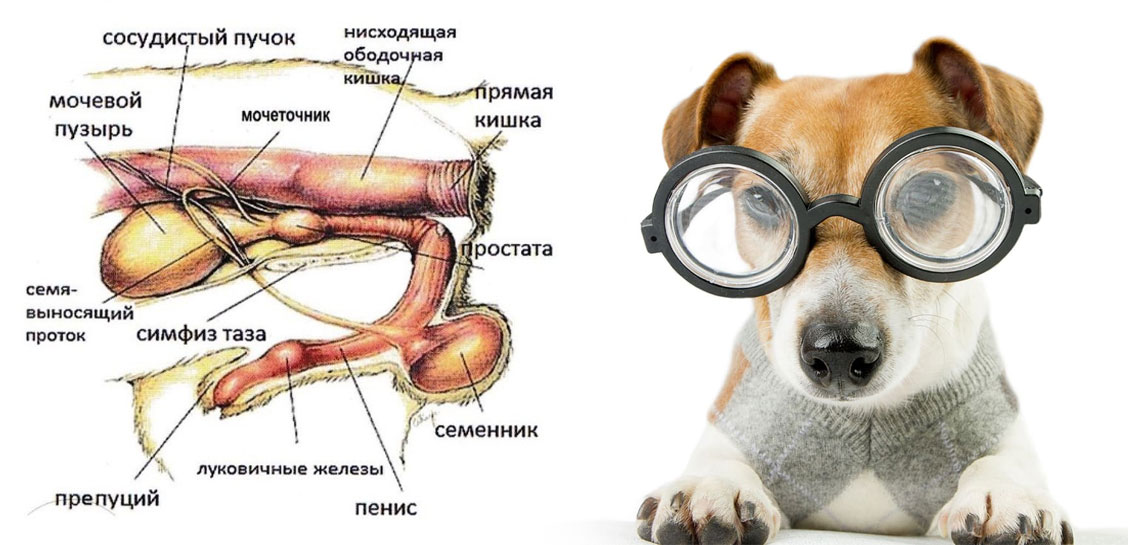
In dogs, the prostate gland surrounds the bladder neck, located in the pelvis, while numerous excretory ducts open into the prostatic urethra. Due to this structural feature, the organ is particularly susceptible to inflammatory processes occurring in the urinary tract, as well as to the effects of pathogenic microflora.
Most often, prostatitis and other prostate diseases are diagnosed in large adult intact (non-castrated) male dogs over 3 years of age.
However, prostate inflammation can also occur in small or medium-sized breeds, so it's important to recognize the first signs of illness in your pet in order to promptly detect the problem and begin treating prostatitis before the changes in your dog's body become irreversible.
Causes of prostate inflammation
Prostatitis – an inflammatory disease of the prostate gland that occurs when the organ tissue is damaged by pathogenic microorganisms (E. coli, viruses or bacteria).
Pathogens penetrate the prostate in two ways:
- Through the ducts connecting the gland to the urethra (ascending infection).
- Through the bloodstream or lymph (from the intestines and other organs located nearby).

Prostatitis most often develops as a complication of urethritis—an inflammation of the urethra that can be caused by various pathogens. However, factors that contribute to the development of prostate inflammation in dogs also include:
- infections of the genitourinary system;
- inflammatory bowel disease;
- circulatory disorder;
- decreased immunity.
Prostatitis and its symptoms
Damage to the prostate tissue results in inflammation and swelling (the prostate enlarges), which causes characteristic symptoms. Symptoms can vary significantly depending on the severity of the inflammation.
Important! Mild prostatic hyperplasia (enlargement of the prostate gland) is normal for dogs over 5 years of age and should not be considered an independent symptom of prostatitis in this patient population.
Acute prostatitis
In acute inflammation of the prostate gland in dogs, the disease is severe and manifests itself with the following symptoms:
- general depression (weakness, apathy);
- lack of appetite and constant thirst (the dog drinks a lot);
- increase in temperature;
- frequent but scanty urination;
- hematuria (blood in the urine);
- urinary retention;
- pain in the area of inflammation;
- discharge from the urethra;
- ribbon-like stool and constipation;
- stiffness of movement, lameness of the hind legs.
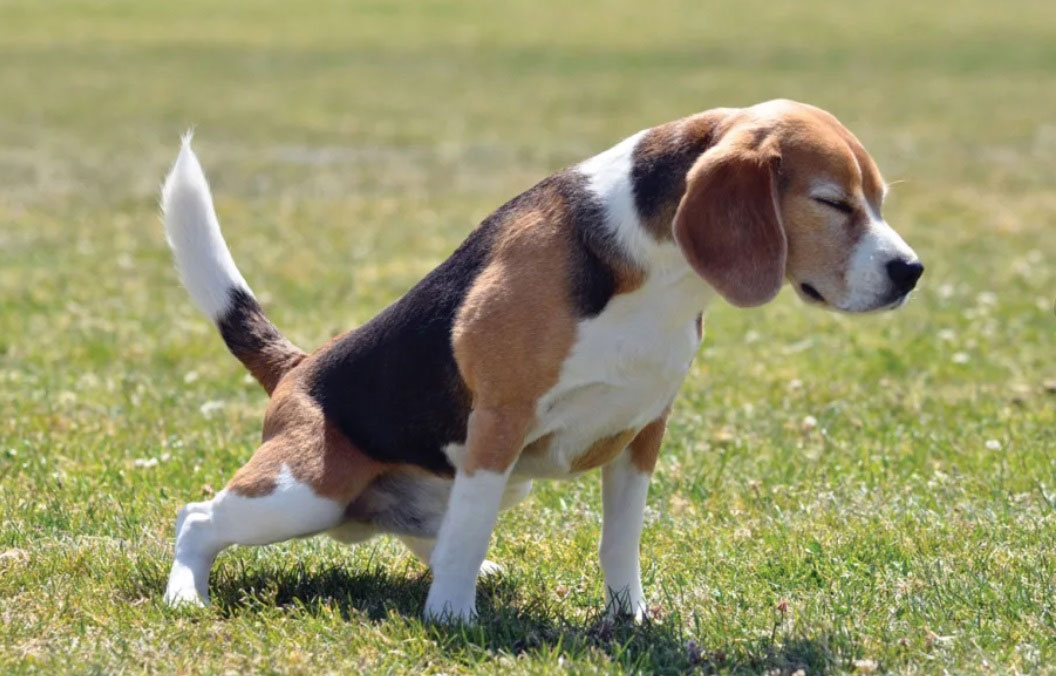
Symptoms of acute prostatitis in dogs are a reason to take your pet to the veterinarian as soon as possible, as if the inflammation is left untreated, the consequences can range from complete loss of reproductive function to the formation of a prostate abscess and peritonitis, which can be life-threatening.
Chronic prostatitis
In the chronic form of the disease, it is impossible to recognize prostatitis at home (without testing and examining the dog), because symptoms can vary from a complete absence of manifestations to mild problems that may go unnoticed by the owner.
Chronic prostatitis typically develops as a result of advanced inflammation in the genitourinary and gastrointestinal tracts. This is why it is so important to promptly identify and treat any underlying conditions.
Chronic inflammation can go undetected for years, leading to consequences such as:
- infertility;
- complications (abscesses, cysts);
- development of a tumor process (benign or malignant).
Chronic inflammation of the prostate gland in a pet can be suspected if there is a suspicion of infertility (if there have been several unsuccessful attempts to get offspring from the dog).
Diagnostics
In cases of acute prostatitis, a veterinarian may suspect the disease based on the symptoms described by the owner. However, diagnosis requires a thorough examination, as most symptoms of prostatitis are also characteristic of other prostate diseases, such as:
- benign hyperplasia;
- prostate metaplasia;
- paraprostatic cysts;
- adenoma (benign tumor);
- adenocarcinoma (malignant tumor).
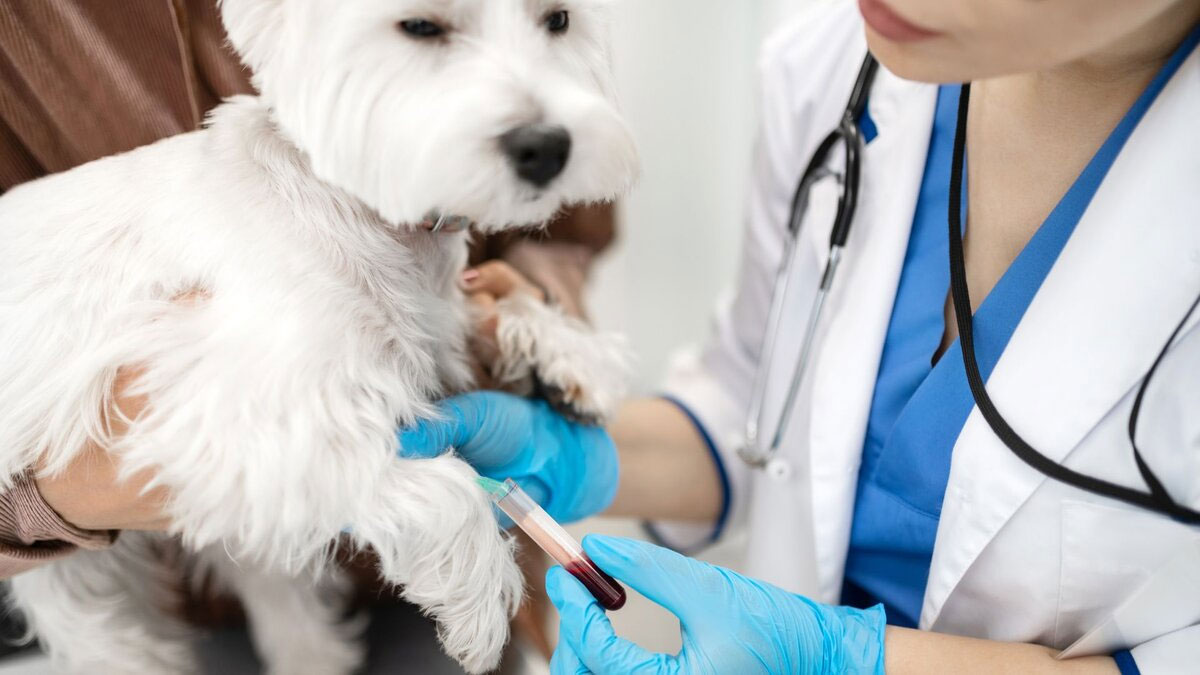
Before starting treatment for prostatitis in dogs, your veterinarian may recommend the following tests:
- blood test (general + biochemistry);
- urine analysis, including for detection of hematuria or pyuria;
- Prostate ultrasound;
- radiography;
- cytological examination of gland cells.
Only by knowing the cause of the inflammatory process in the prostate tissue can the doctor select the most effective medications.
Treatment
Based on the above, you already understand that only a doctor can tell you how to treat prostatitis in a dog, and self-medication at home is definitely not recommended, as this can lead to complications and even death of the animal.
Depending on the problems identified during the examination, the doctor may recommend:
- antibiotics (the course can last up to 4 weeks);
- anti-inflammatory and analgesic;
- supportive drugs for immunity and restoration of microflora;
- vitamins and microelements.
If the dog is not used for breeding, a veterinarian may recommend castration. After the surgery, characteristic changes in hormone levels occur, which contribute to a reduction in the size of the prostate gland.
Prevention
To prevent prostatitis and its consequences, dog owners are advised to:
- castration of pets (if the dog has no breeding value);
- regular medical examinations;
- timely detection and treatment of diseases of the urinary and reproductive systems;
- a thoughtful approach to breeding (it would be a good idea to ask for medical confirmation of the health of the prospective couple to avoid infection with sexually transmitted infections);
- ensuring the optimal level of activity for the animal.
Veterinarian's advice
For more information on the diagnosis, treatment, and prevention of prostatitis in dogs, watch this video:
Read also:
- Kidney Failure in Dogs: Symptoms and Treatment
- Uterine Prolapse in Dogs: Causes and Treatment
- After castration, the dog wets itself: why and what to do


Add a comment