
Dewclaws in dogs: what are they and should they be removed?
A fifth toe on a dog's front paw is normal and does not require treatment. If a puppy is born with a dewclaw on its hind legs, it is best to remove the defect at one week of age, when general anesthesia is not necessary. If the extra phalanx is not removed in active breeds, the pet will suffer from injuries and inflammation in the future.
Content
Dewclaws – what does it mean?
Dogs have a fifth or dewclaw on the inside of the wrist joint of their front paw. The presence of an extra digit is normal—a vestigial inheritance inherited from wolves during evolution. Therefore, the term "wolf claw" is often used instead of "dewclaw."
The rudiment does not serve any functional purpose and does not cause discomfort or pain to animals when at rest. The additional organ is firmly connected to the joint by bone tissue and ligaments and does not negatively affect exterior assessmentSometimes veterinarians recommend removing the rudiment based on individual indications.
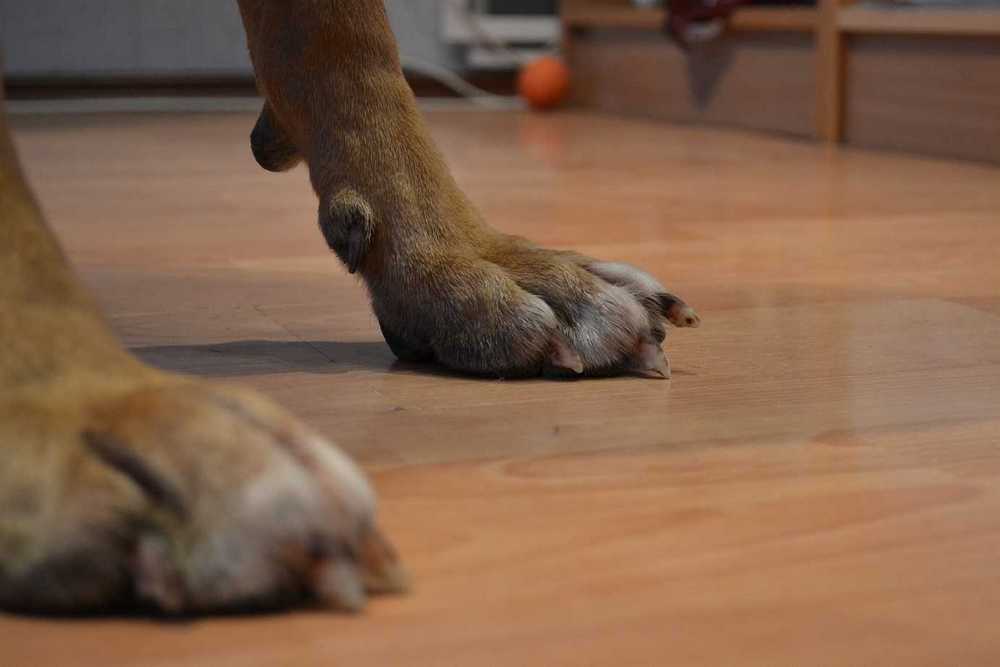
An extra toe on the hind paws is considered a pathology and is called "polydactyly." Sometimes, an animal has not a single, but a double vestige or a separate sixth one. The phalanges are underdeveloped and connected to the joint by skin. In rare cases, a vestigial organ is considered a sign of a dog's pedigree—as in Nenets Laikas, Beaucerons, Briards, and Pyrenean Mastiffs.
Should it be removed or not?
Natural defects are identified in puppies immediately after birth. If a physiological defect is clearly visible in a photograph, the owner is faced with the question of whether surgical intervention is necessary. Why is removal considered preferable?
- Despite its rudimentary nature, the phalanx remains mobile—the lack of a strong connection to the joint adversely affects the condition of the entire limb. When moving, the toe catches on snow, ground, or turf, causing injury to the hind limb. Active animals, such as German Shepherds, Jack Russell Terriers, Dachshunds, and other hunting and sporting breeds, are particularly susceptible to this defect. Even a avulsion, followed by inflammation, can occur while jogging in parks.
- Normally, the claws on the supporting toes wear down constantly. The extra toes grow freely, so owners need to trim them periodically. If the horny growths aren't trimmed promptly, the claw will grow into the skin and muscle.
- Yorkies and Chihuahuas require meticulous grooming. However, the presence of a wolf's claw makes it difficult to bathe, brush, or remove mats. Careless grooming can easily damage the claw, causing pain to the dog.
For calm dogs who enjoy leisurely walks, an extra toe poses no danger—the pet typically feels fine, and the defect doesn't hurt or cause discomfort. Therefore, removal is only resorted to when the standard is violated, such as when the animal is participating in shows. If the presence of the rudiment is unacceptable, the pet will simply be disqualified from competition. You can find out the rules at your local kennel club.
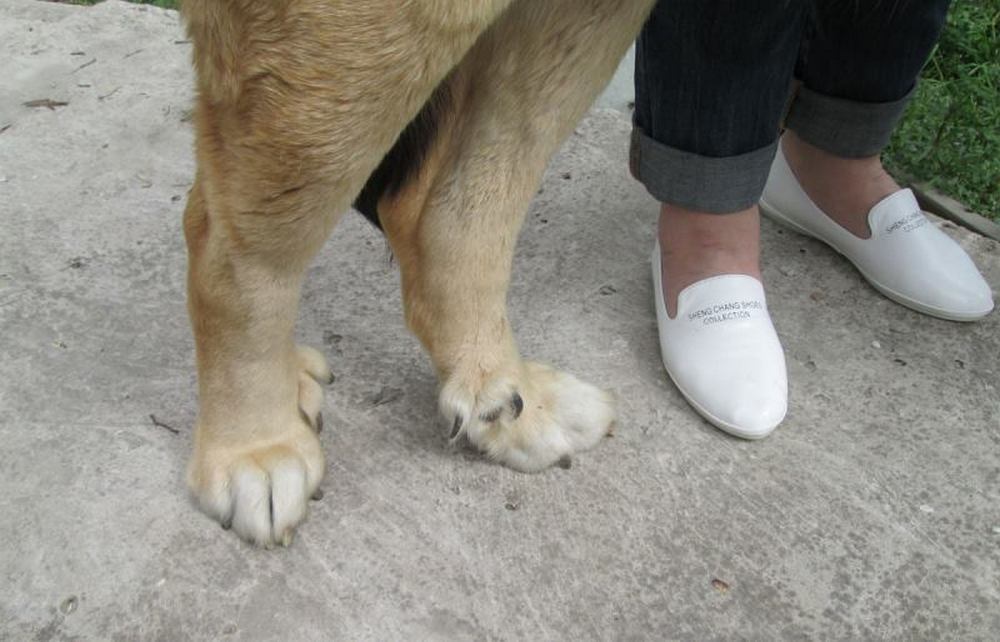
Aboriginal breeds are prohibited from having their extra phalanges removed. This decision stems from an understanding of the northern dog's purpose for having an extra organ: it allows for better grip on ice and rocks and provides good support when running on snow.
At what age is it best to amputate?
Newborn puppies have their fifth toe amputated, along with their tail docked, between 3 and 7 days of age. Puppies have a lower pain threshold, meaning the surgery can be performed without anesthesia. It's noted that the wound heals faster at an early age, with minimal bleeding. If the optimal time for amputation is missed during infancy, amputation is not recommended before 12 to 16 weeks. At this age, puppies are very sensitive to pain, necessitating the procedure under general anesthesia.
Adult pets can have their rudimentary organ removed at any age, but only after a thorough diagnosis. The following procedures are necessary:
- biochemistry and clinical blood tests to identify inflammation, disorders in the structure and function of the kidneys and liver;
- echocardiography, which shows the condition of the heart muscle and blood vessels.
It is not recommended to feed the animal before the examination. The last meal should be no later than 6-8 hours before the procedure.
Surgery and subsequent care
The type of anesthesia used during amputation depends on the type of defect, the age, and the condition of the dog. If the rudiment is firmly attached to the joint, general anesthesia is administered, and the procedure is performed under the supervision of an anesthesiologist. If the phalanx is attached only by the skin, local anesthesia is sufficient.
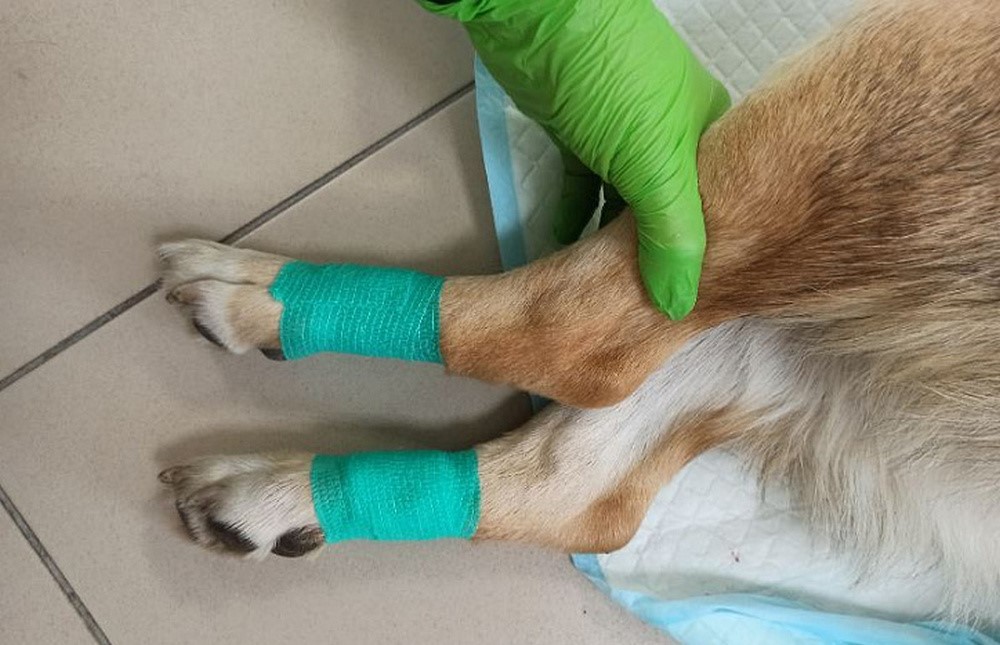
During the surgery, a hemostatic clamp is applied tightly to the metatarsus. The phalanx is cut with surgical scissors or a scalpel, sutured, and treated with an antiseptic. If general anesthesia was used, it is best to wait until the condition stabilizes at the clinic. After the procedure, the animal can be taken home immediately under local anesthesia.
Home care requires strict adherence to several rules:
- The pet's bed should be located in a quiet area where small children won't interfere with it. Ideally, the mattress shouldn't be located in a drafty area. Avoid placing small breeds on sofas and armchairs, as anesthesia can slightly impair coordination and can cause injury if the pet falls from a height.
- The dog will not be able to control urination for some time, so the bed is covered with a diaper.
- Feeding begins a few hours after the procedure, as the animal's appetite decreases after anesthesia. The diet should be easily digestible and balanced, containing all the necessary nutrients, vitamins, and trace elements. A bowl of clean water should be placed near the animal's bed.
- The scar is regularly treated with antiseptics, and the bandage is changed daily. To prevent your pet from licking the incision, a veterinary cone will need to be worn for the first few days.
Complete wound healing takes an average of two weeks, after which the sutures are removed. The surgery costs between 4,000 and 5,000 rubles. The procedure is performed in both municipal and private veterinary clinics.
Read also:
- The dog is limping: why and what to do
- Hind Limb Paralysis in Dogs: Symptoms and Treatment
- Ligament rupture in dogs: symptoms and treatment


Add a comment