
Prague Ratlik (Ratlik, Libeni Serochka)
The Prague Ratter is the national pride of the Czech Republic. While these dogs are similar in appearance to miniature pinschers, Chihuahuas, and toy terriers, they are undoubtedly a distinct breed, and a very ancient one at that. Other names for the Prague Ratter include the Libenská sernočka and the Ratlik.
Content
History of origin
Experts cannot say exactly where or when the ancestors of these miniature dogs originated, but it is certain that the Prague Ratter, formerly known as the Ratlik, was found in what is now the Czech Republic during the time of Charlemagne in the first millennium AD. According to the chronicles of a Czech historian, Boleslav the Bold was a great fan of these dogs. Ratliks were primarily kept by nobles, and they were often given as gifts to rulers of other European countries.
The Czechs believe their rat-dogs played a significant role in the fight against the plague in Europe. Rats are known to be responsible for the spread of the disease, and the Inquisition had a special attitude toward cats, so many people were wary of owning them. So who do you think was responsible for exterminating these insidious carriers? That's right, rat-dogs—or rather, small dogs of this type, which hadn't yet been classified as a separate breed at the time.
The period from the 17th to the 19th centuries can be considered a black spot in the breed's history. Most likely, Ratliks lived among farmers and city dwellers, like ordinary mongrels. At the end of the 19th century, a group of enthusiasts decided to revive the breed. They began searching for representatives in villages.
The Ratliks received significant publicity from the magazine "In the World of Animals," which published an article about the discovery of the world's smallest dog. The little one's name was Zhuzhu, she weighed less than one kilogram, and stood 11.5 cm at the withers. Ratliks regained their popularity, but not for long. In the late 19th and early 20th centuries, they were eclipsed in popularity by the Miniature Pinscher. It was decided to merge the breeds. Naturally, this led to a mixture of bloodlines and an increase in the variety of colors in the Prague dogs. In the early 1970s, a new era began for the Ratliks. Czechs began collecting data and reviving the breed.
Participation in exhibitions
Prague Ratters are not yet recognized by the FCI, the leading canine association, and therefore cannot earn the title of Interchampion at international shows or compete in the Best in Show competition. However, they can be shown and receive CACs in most countries, and are also eligible for the prestigious title of National Champion.
Video about the Prague Ratter breed:
https://youtu.be/X-cXgF1ujHc
Appearance and standards
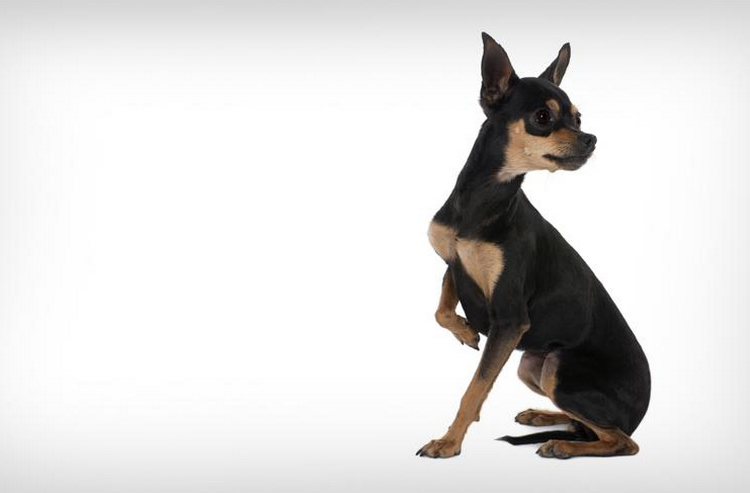
The Prague Ratter is a compact, short-haired dog with a square body. According to the breed standard, this breed has the shortest height at the withers among dwarf dogs—20–23 cm. Its weight is not officially established, but is typically around 2.5 kg.
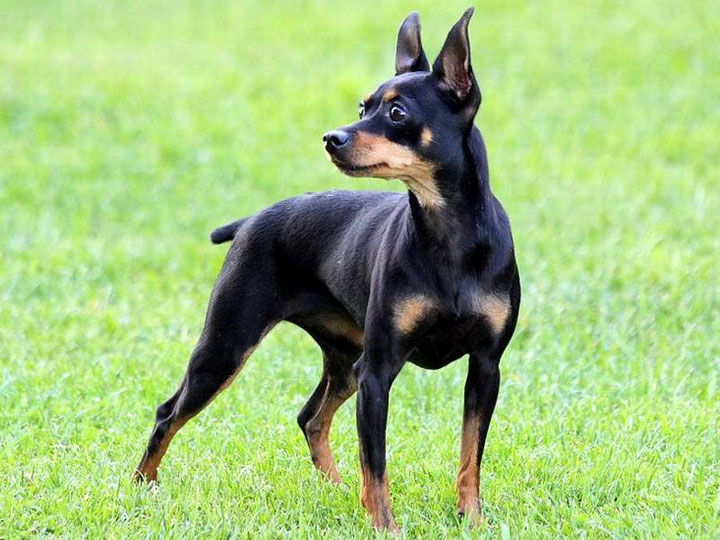
The Ratter's head is pear-shaped with a prominent occipital protuberance. The forehead is slightly convex, with a distinct vertical furrow between the eyes. The eyes are dark, round, medium in size, slightly convex, and moderately wide apart. The eyelids are tightly fitting and well pigmented. The skin on the forehead is taut, with a noticeable stop. The nose is colored to match the base coat, and the lips are dry, firm, and tightly fitting. The jaws are well developed, symmetrical, and form a blunt wedge at the nose. A scissor bite is preferred, with a full set of teeth. The ears are triangular, relatively large, and set wide apart, with the tips pointing toward each other due to the angle of the auricle.
The neck is long and arched with a noble curve. The topline is level, the back is short and strong, and the withers are slightly defined. The tail is straight and carried low, but may be raised above the topline when moving. The chest is oval and moderately wide, with a tucked-up underline and a clearly defined stop. The forelimbs are set wide apart, while the hindquarters are straight and parallel, with well-defined muscles. The toes are close and well-arched, and the nails are dark.
The tail may be docked, but cropping the ears is not accepted.
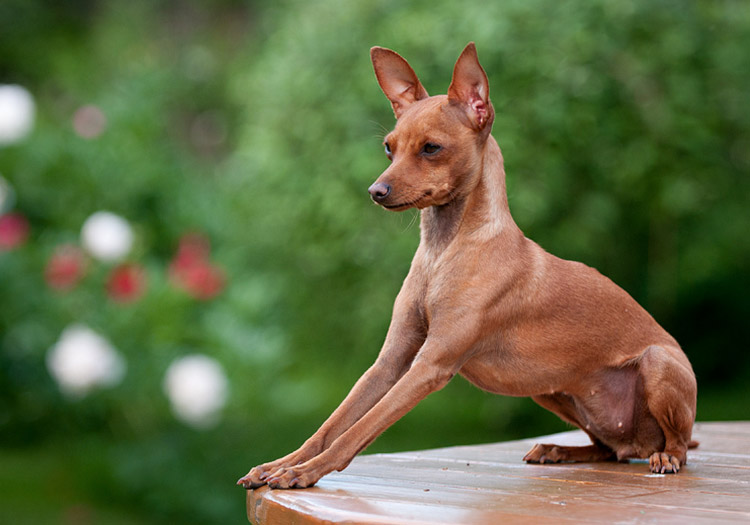
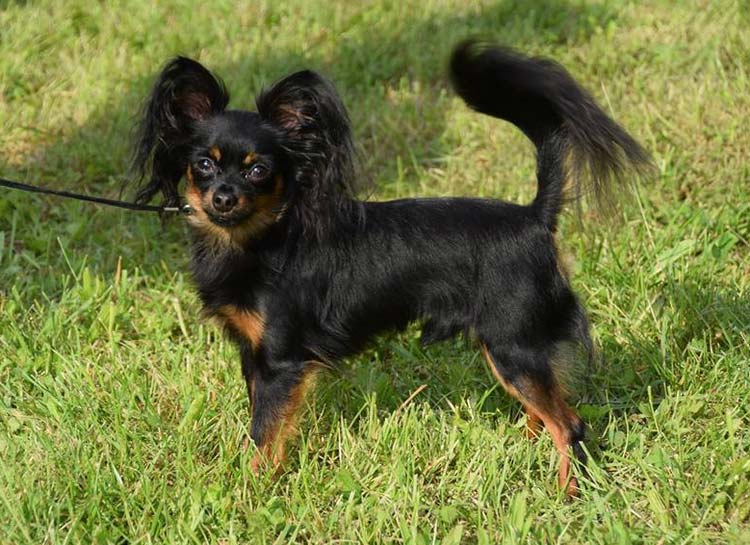
The skin is tightly attached to the body, elastic, and pigmented according to the color of the dog. The coat is short, without bald patches, and lies close to the body. On the head, the coat is less dense and slightly shorter. The semi-longhaired variety has longer hair on the body, and the ears, limbs, tail, and chest are covered with feathering. You can see the appearance of short-haired and long-haired Krysariks in the photo.
The following colors are distinguished:
- black and tan;
- solid fawn;
- marble (very rare).
The tan markings should be bright and not washed out. The markings are located on the cheeks, above the eyes, on the chest, on the inner thighs, and under the root of the tail. It is desirable for the colored triangles on the chest not to merge.
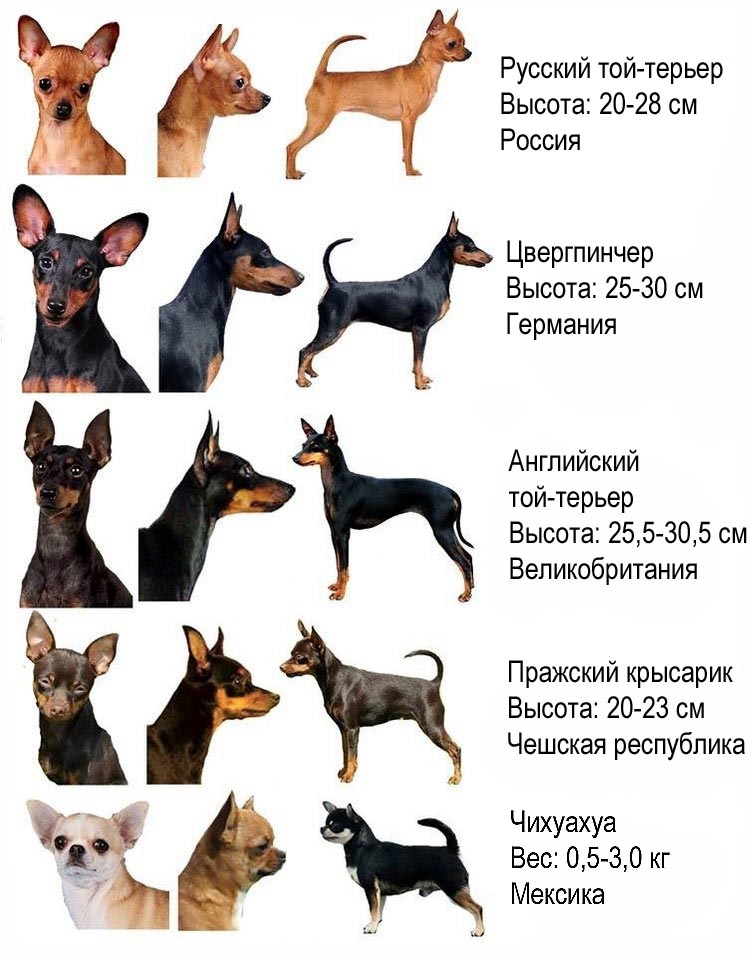
How does the Rat Terrier differ from other dwarf breeds?
The table clearly shows how the Prague Ratters differ from other dwarf breeds with which they are often confused (Russian Toy Terrier, miniature pinscher, Chihuahua, English Toy Terrier).
Character
The Prague Ratter is an inquisitive, attentive, playful, and affectionate dog that forms a strong bond with its owner. It is friendly with all family members and can be a great companion for an older child who is comfortable handling this fragile animal.
Prague Ratters are very temperamental and sensitive to their owner's mood, as well as to praise and criticism. These dogs are very alert, making them excellent watchdogs. Their bells instantly respond to outside noises and promptly alert their owner to the arrival of guests. They are very wary of strangers. Prague Ratters get along well with other pets, but prefer to be the most important and beloved.
Improper upbringing and spoiling usually negatively impact the character of the ratter – small dog syndrome develops.
On the one hand, it's fascinating to watch how miniature creatures try to assume a dominant position, becoming leaders over people and animals. But on the other hand, the syndrome can cause a variety of problems, from disobedience to aggressive attacks against larger dogs.
Content Features
The Prague Ratter is an ideal apartment dweller. They are small, shed little, are very obedient, clean, and moderately energetic. Their trainability is a definite plus. These miniature dogs are just as good at passing OKD exams as their larger counterparts. Ratters can be seen competing in agility, freestyle, coursing, obedience, and even tracking. With the arrival of the first cold weather, they need to be well-insulated. Clothing should be chosen according to their size. It should not be too loose or restrict the dog's movements.
Early socialization is very important to prevent a dog from growing up overly aggressive or fearful. It is important to introduce it to other animals, sounds, smells, and people while still a puppy.
In terms of physical activity, Prague Ratters are adaptable dogs. If they have the opportunity to run a lot or participate in various sports, they will be very active, energetic, and resilient. If a Prague Ratter lives with elderly or sedentary people, they will be content with leisurely walks and will not require more.
Care
It's best to brush a Replica's coat several times a week. Bathe as infrequently as possible. Some dogs have oilier skin and require bathing once a month. Others have dry skin and can be bathed every 2-3 months. Regularly inspect the ears and clean as needed. The teeth are a weak point. From an early age, accustom your dog to regular teeth cleaning, thus preventing many oral diseases. Nails should be trimmed as they grow.
Prague Ratter puppies begin to shed their coat for the first time at around three months of age, while other dog breeds begin shedding closer to six months. The shedding process is unusual, with the fur falling out in clumps, which is unusual for smooth-coated breeds. As the dog matures, the shedding process becomes more gradual.
Feeding and diet
A proper diet plays a key role in the health and well-being of any dog breed, including the Prague Ratter. An improperly formulated diet can not only be unhealthy but also harmful to your pet.
The best option is to develop a nutrition plan with a veterinary nutritionist. The specialist will consider:
-
dog breed;
-
pet's age;
-
presence of chronic or acute diseases;
-
level of physical activity.
For example, if the Prague Ratter is prone to being overweight, the calorie content of its diet should be reduced.
There are two main approaches to nutrition: natural products and prepared industrial feeds.
A natural diet requires knowledge and skill: it's necessary to calculate the balance of proteins, fats, carbohydrates, and the calorie content of each serving. For a beginner, this can be a challenging task, and improperly following the proportions can lead to nutrient deficiencies.
Prepared foods are a simpler and more convenient option. They are fully balanced, include essential vitamins and minerals, and allow for easy dosing without constant counting. Complete diets eliminate the need for additional vitamin supplements.
It's especially important to avoid table feeding. Prague Ratters are prone to weight gain, and frequent treats can lead to begging and increase the overall calorie intake of their diet.
Properly selected food and portion control will help maintain the health and well-being of your pet.
Health and life expectancy
Prague Ratters are generally healthy and hardy, but there are several health issues that are more common within the breed than others. These are generally common to all dwarf breeds:
- patellar dislocation;
- hydrocephalus;
- non-closure of the fontanelle;
- hypothyroidism;
- epilepsy;
- dental diseases, including abnormal replacement of baby teeth with permanent teeth;
- bone fractures.
Rat dogs must be vaccinated against major infectious diseases according to the standard schedule. They are regularly treated for external and internal parasites. Their lifespan is typically 12-14 years.
Choosing a puppy. Price
Prague Ratters are extremely rare not only in Russia but also worldwide. Experts estimate their number to be no more than 2,500. This explains the difficulty of acquiring a puppy, as well as their high cost. Don't risk buying a dog from someone. Truly good puppies can only be found in breeders. The breeder must provide documentation to prove their origin.
In the Czech Republic, Prague Ratters cost an average of 5,000 Czech crowns, or approximately 13,000 rubles. Shipping costs should also be included in this price. In Russia, Prague Ratter puppies start at 20,000 rubles.
Photos
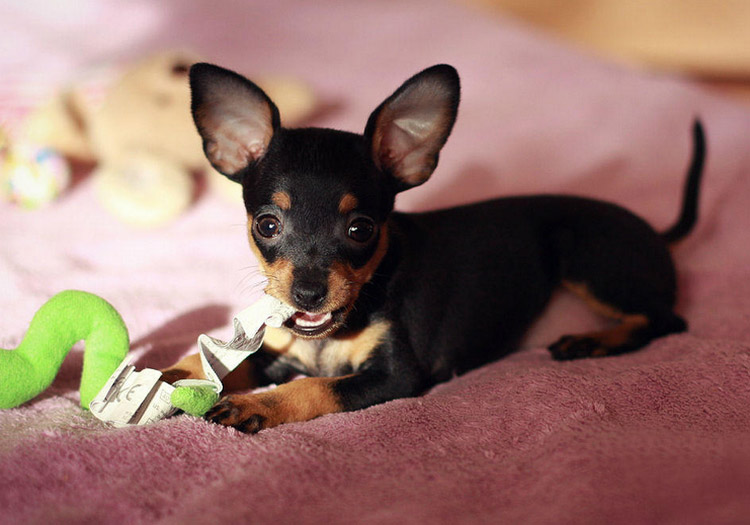
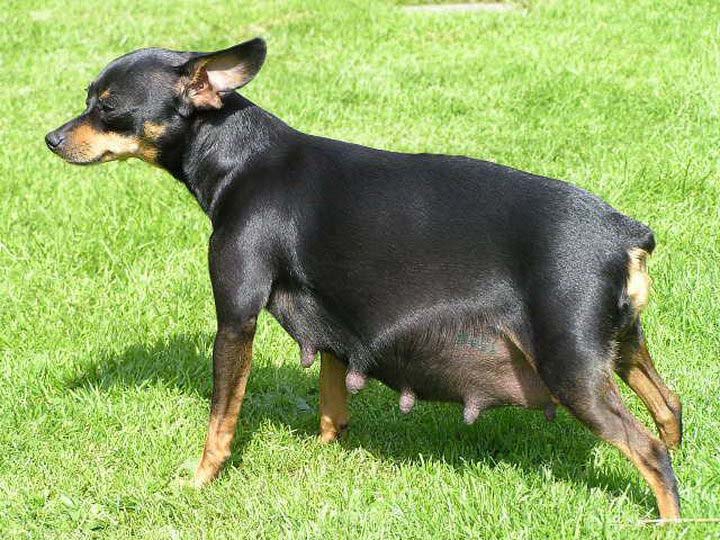
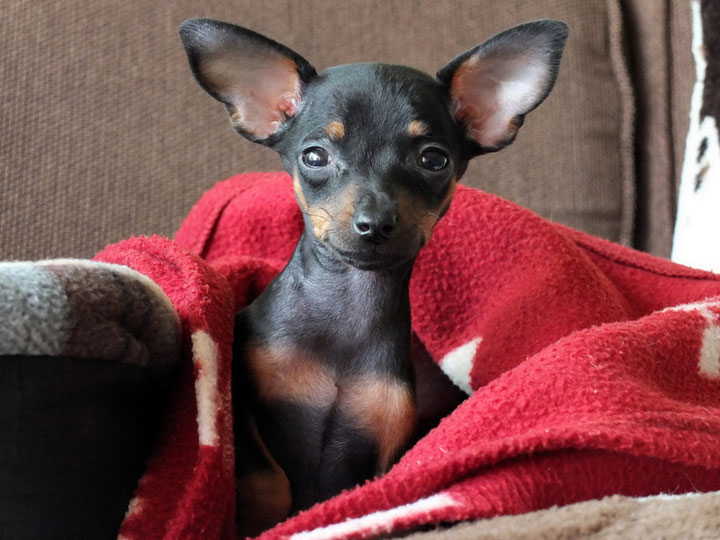
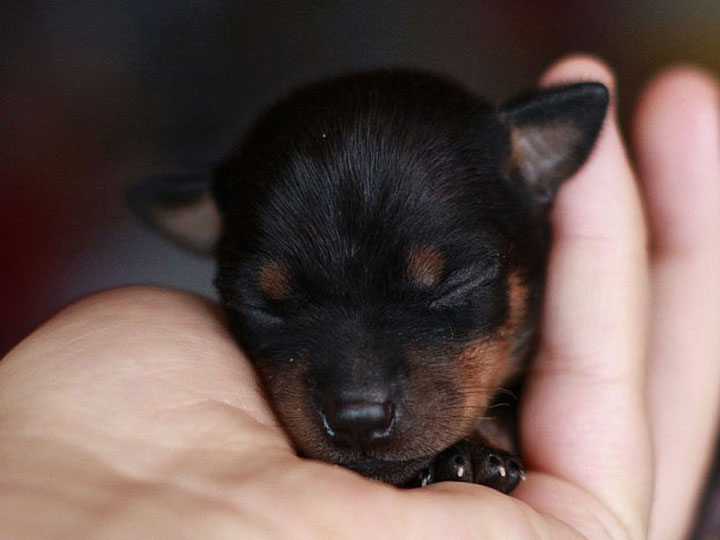
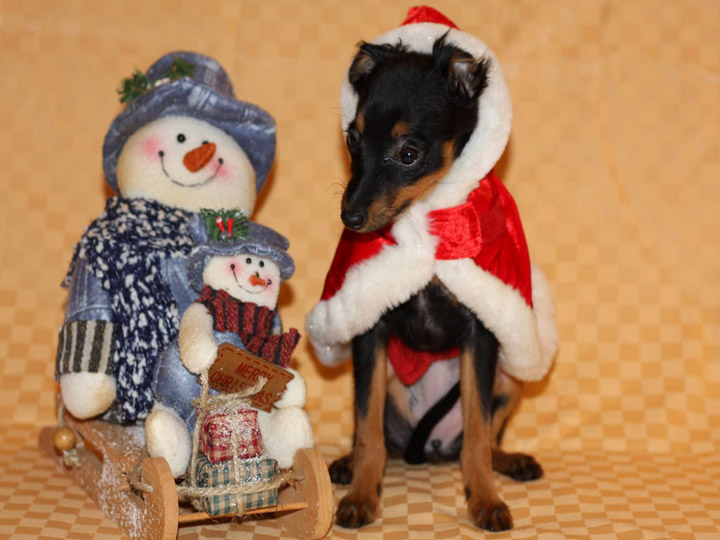
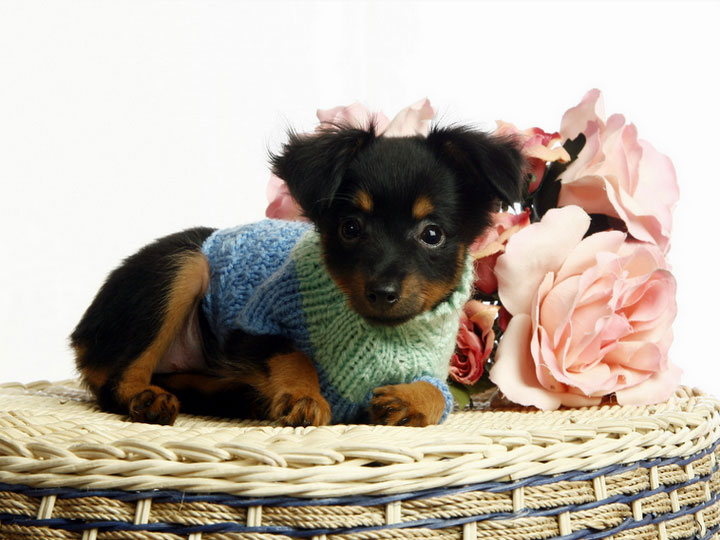
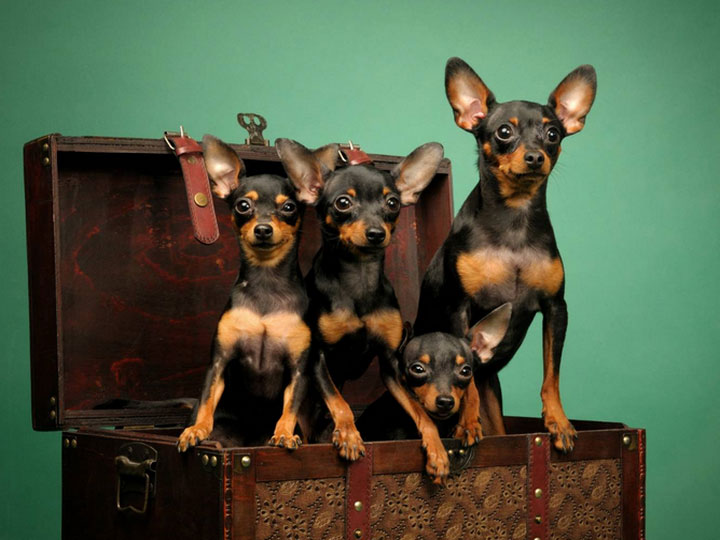
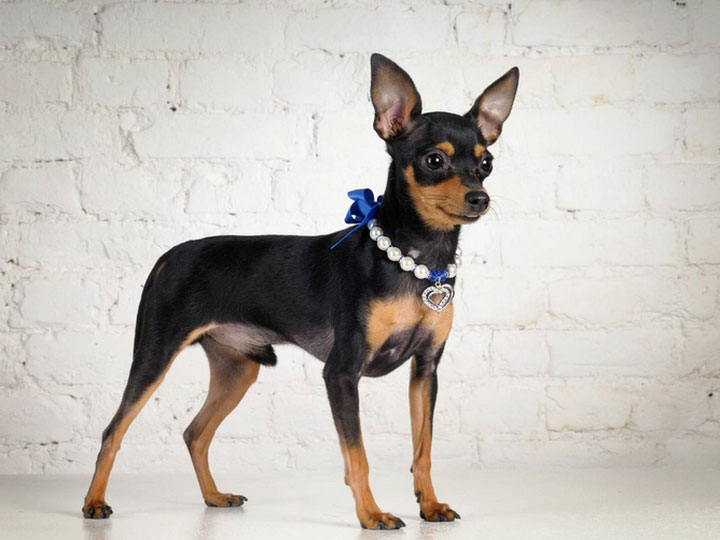
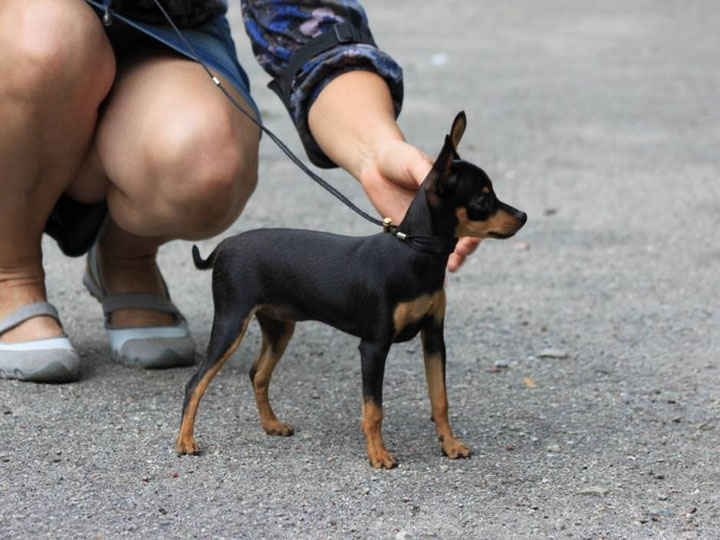
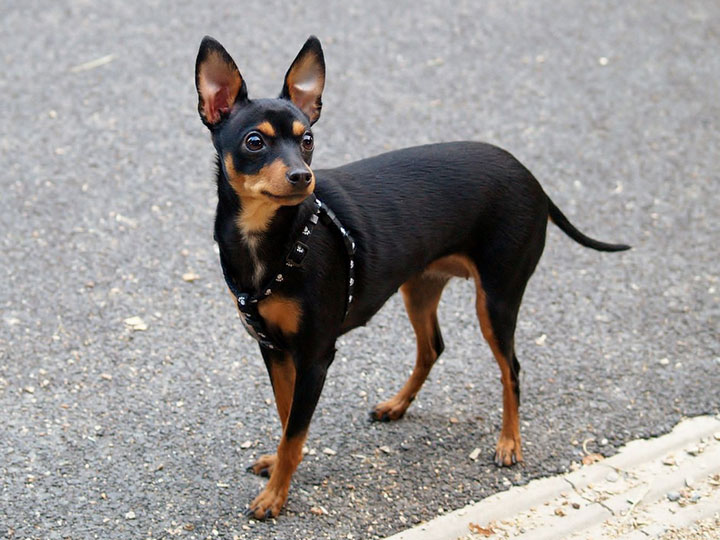
Vivid photos of representatives of the Prague Ratter breed:
Read also:


1 comment
Elena
"In Russia, Prague Ratter puppies cost from 20,000 rubles."
Tell me, where can I buy one for this price? I'll run right away. Nurseries are asking 80,000-100,000 rubles, and Avito is selling for 50,000 rubles with no guarantees.
Add a comment