
Proper nutrition for cats
Proper nutrition for cats at home is the foundation of their healthy life. After all, if something is wrong with their diet, it will inevitably affect their health. Cats and humans have lived under the same roof for thousands of years. During this time, we've learned a lot about these amazing animals, and much remains a mystery. What do we know about cats? They have a tail, four legs, fur, and they need to be fed. Let's focus on the latter. What are the specifics of proper cat nutrition? What should you pay attention to?
Every pet owner's goal is to provide their pet with a complete, nutritious, and healthy diet that fully satisfies their nutritional needs. A deficiency in even one of these components can lead to a variety of, sometimes very serious, illnesses.
Content
Features of digestion
Domestic cats rarely hunt for their own food, yet they remain predators by nature. This is evidenced not only by their hunting habits but also by the structure of their teeth, which are designed for grasping and tearing raw meat. Cats lack molars, which are found in omnivores.
Cats eat calmly and deliberately, carefully sorting and chewing their food. Even in a nearly uniform meal, they're sure to find something they don't like. These characteristics have earned them a reputation as fussy and picky eaters. Therefore, cat food, both homemade and commercial, is made from higher-quality ingredients than, say, dog food. Furthermore, cats prefer warm food. This is due to their carnivorous nature. In the wild, these predators eat only fresh meat. Smell and taste are extremely important to cats.
Conservative in food and habits, they are reluctant to try new foods. To attract gourmets, the industry adds special flavorings. Cats are indifferent to sweets because they simply cannot distinguish them. Moisture, consistency, firmness, and the size of the ingredients are crucial factors in making cat food appealing.
Energy and nutrients
Proper nutrition for cats at home requires ensuring they receive all the necessary nutrients. Energy and nutritional needs are influenced by age, body weight, constitution, physiology, and, to a lesser extent, ambient temperature. Metabolism and heat exchange are closely linked, and in smaller animals, both processes are more intense. For example, a young cat weighing 3-4 kg should receive at least 1350-1500 kJ per day, which equates to approximately 350 kJ per kg of body weight.
For comparison, a woman of normal build aged 25-30 should consume 200-250 kJ per 1 kg of body weight. Naturally, the needs of pregnant and subsequently lactating cats are significantly higher. During pregnancy The energy value of the diet should be 40-50% higher, and during the period of feeding kittens - almost 4 times higher, compared to normal needs.
Squirrels
Protein plays an invaluable role in animal diets. Cats' protein requirements are significantly higher than, say, dogs'. Dogs adapt to protein deficiencies, while cats produce specialized enzymes that break down their own cells, thereby obtaining the missing protein.
Proteins are made up of molecules called amino acids. There are nonessential amino acids, which the body obtains from plant-based foods, and essential amino acids, which are found only in animal proteins, such as meat. Both are required in strictly defined quantities. A deficiency of even one amino acid leads to disruption of one or more metabolic processes. This leads to various, sometimes irreversible, changes in the body and weakens the overall immune system, significantly increasing the risk of infection and leading to the development of pathogenic bacteria.
Fats
Nutritional value and palatability depend largely on the animal fats contained in the food. It's worth noting that vegetable oils and fats are less appealing to cats.
Fats replenish fat-soluble vitamins and essential and non-essential fatty acids, which are essential for proper metabolism. The ideal fat content in a cat's diet should be at least 20% for kittens and 15% for adults.
Carbohydrates
Carbohydrates are equally important. They are classified as easily digestible and difficult to digest. The difficult to digest category includes sugar and starch. They provide the body with energy. A daily diet should contain 2-3 grams of them. Excess easily digestible carbohydrates lead to fat deposition and increase the risk of diabetes. Fiber is a difficult to digest carbohydrate. Its key role is in stool formation, thus preventing diarrhea and constipation. The amount of fiber in the diet should not be less than 0.3 grams.
Minerals and vitamins
It is very important to properly balance the diet in terms of mineral content and vitaminsFor young animals, pregnant and lactating cats, the amount of these substances doubles.
Deficiencies of any vitamins and minerals immediately affect health. They require additional supplements, but only as prescribed by a veterinarian. In the bodies of most animals and humans, the carotene found in carrots is converted enzymatically into vitamin A. This does not occur in cats, so liver, the primary source of this vitamin, must be included in the diet.
Ready-made feeds
You probably know that all commercial pet foods are divided into two types: wet (canned) and dry. The only difference between them is their moisture content, or, in other words, the amount of water.
Canned food
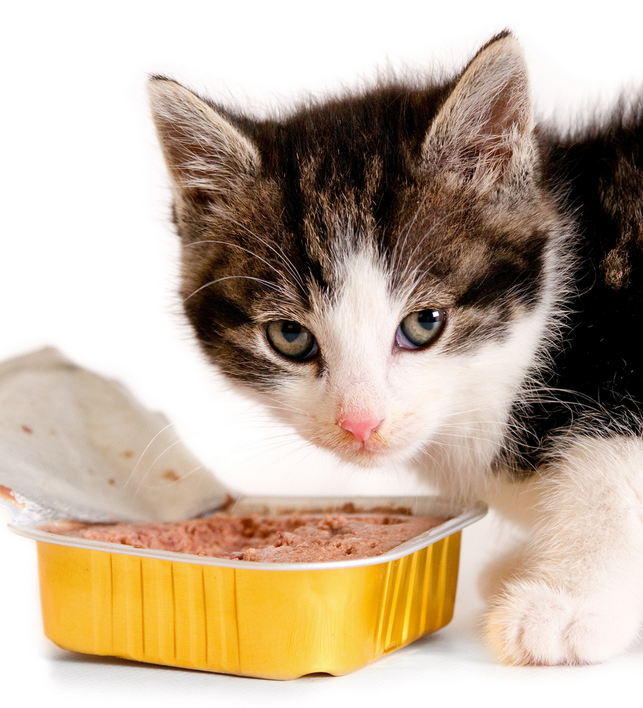
Wet food is always sold in cans or sealed bags. After cooking, the packaging must ensure that bacteria and mold do not enter the food throughout its shelf life. When choosing a product, it's important to check the integrity of the container. If it's a can, it should be free of dents, rust, and bulges. The ingredients typically include various types of meat and fish, offal, blood, bone meal, legumes, and grains, which are additionally mixed with essential minerals and vitamins. Canned cat food is much more appealing than dry food. Regardless of the manufacturer, canned food should always have a label stating the ingredients, production date, and, of course, the expiration date.
Please note that the product must be marked as complete or not., that is, does it satisfy all the nutritional needs of the cat or is it only a supplement to the main diet.
Dry food
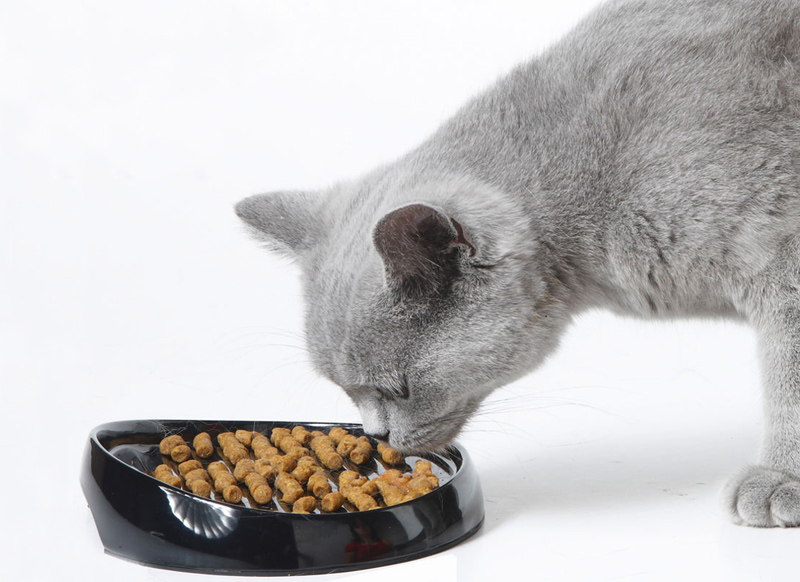
Dry food is produced in the form of pellets. The ingredients are similar to those used for wet food. Almost all dry food is considered complete nutrition. Providing your cat with enough water is crucial.
Veterinary diets are foods that differ from regular diets in their nutrient profile and balance. They are used only as prescribed by a doctor for the prevention or treatment of allergies, obesity, diabetes, kidney stones, and diseases of the digestive system, kidneys, liver, and other organs. Some promote intestinal hair removal and are recommended for long-haired breeds. Based on their composition and price, foods are divided into classes: economy, premium, super premiumThe lower the price, the more plant-based ingredients are included, and, accordingly, super and premium foods contain a higher proportion of meat and fish products.
It is worth remembering that if a cat eats a balanced and complete diet, then “pampering” it with treats such as milk, fish, raw offal Or you shouldn't eat meat. This could disrupt the established nutritional balance. Please also note that each food has its own daily intake, which is indicated on the packaging. Many people think this isn't enough and increase the daily dose many times over. They say, "Nothing is too much for a beloved cat." While that's fine, it can easily harm your pet.
For many pet owners, prepared foods have become a lifesaver. Not everyone has the time to create a menu for their cat. But here, they're ready-made, packaged, and balanced. Plus, they come in a variety of flavors, allowing your pet to choose their favorite.
Natural food
Creating a high-quality, healthy, and nutritious diet requires some knowledge and patience from the owner. However, you can consult with specialists or use ready-made diets, after consulting with a vet. As mentioned, cats are conservative eaters and don't require a varied diet. A properly formulated diet can be used almost continuously, with only minor adjustments needed depending on their physiological state or illness. You can also make your own formula at home.
To do this, all ingredients are mixed and passed through a meat grinder or chopped in a blender, and bone meal is added.
- Meat and offal are the main source of essential amino acids, iron, fats, and B vitamins. They have excellent taste. Any meat can be fed, except fatty pork.
- Fish isn't as tasty as meat for most cats, but its protein quality is just as good. It's also high in phosphorus and calcium, and rich in vitamins A and D.
Any meat or fish should be thoroughly cooked before consumption, as they may contain parasites. Avoid feeding bones to your pet, as they can damage the delicate intestinal or stomach lining.
- Milk and milk products should be given to cats very carefully. Some animals cannot digest lactose (milk sugar) or digest it poorly, leading to upset stomachs. In other cases, feed approximately 60-80 ml per day.
- Eggs are used primarily for feeding kittens. They contain a lot of protein, folic acid, and vitamins A, D, and B. It's best to boil the eggs first.
- Grains should be well-milled and cooked, as this significantly improves their digestibility. Whole grains contain up to 15% protein, 5% fat, and the rest carbohydrates. Sprouted grains are beneficial for cats; they contain protein, fat, vitamin E, and thiamine, an important amino acid.
- Vegetables are a storehouse of B vitamins. However, they are destroyed by boiling. Suitable vegetables for cats include carrots, zucchini, pumpkin, cucumbers, cabbage, and tomatoes. However, beets and potatoes are best avoided or given very rarely in small quantities.
Advertising never ceases to convince us that our beloved kitty would definitely buy delicious commercial food. But let's face it, natural food is healthier and safer. The key is to avoid feeding just any old "table scraps" and instead create a proper, balanced diet that can be changed from time to time, substituting one food for another if necessary.
We are making a diet
Creating a balanced diet for your cat isn't as difficult as it might seem. The key is to ensure it meets the animal's needs at this stage of its life. The main daily portion should be given in several meals. This will prevent overloading the digestive system and allow it to fully digest and absorb all the nutrients.
The structure of the animal's diet should look like this:
- Proteins – 35%.
- Carbohydrates – 35% (of which 5% are cereals and vegetables).
- Fats 30%.
Features of feeding kittens
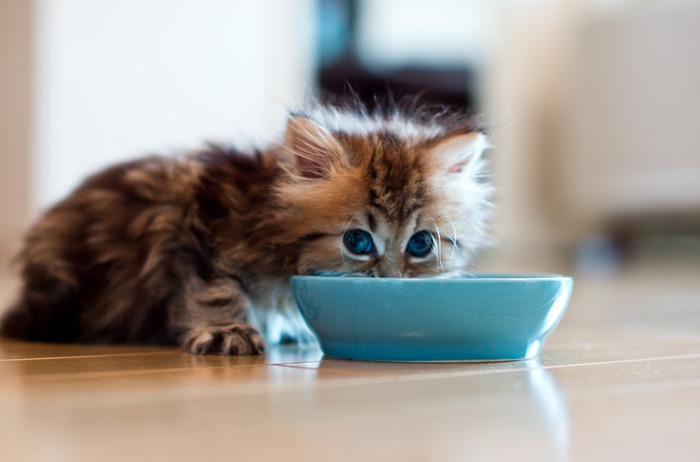
Kittens are fed differently depending on their age. Each kitten has its own diet and unique needs.
Newborns
How to feed newborn kittensFrom the moment of birth, a mother cat assumes full responsibility for her litter. Kittens receive everything they need from their mother's milk. Your only job is to monitor the process, provide the mother with clean water and high-quality food, change the litter regularly, and ensure the kittens gain at least 100 grams per week.
Young cats sometimes reject their kittens; their milk supply is insufficient or inadequate, and the kittens are lagging behind in development and need supplemental feeding. To do this, thoroughly whisk a liter of low-fat milk with one chicken egg and heat the mixture to 37°C (98.5°F). It's important not to overheat it, otherwise the egg white will curdle. You can also use ready-made formulas sold in pet stores. The formula is diluted with warm, boiled water, following the temperature instructions on the packaging. Be sure to maintain short intervals between feedings, about 3-4 hours.
The kittens are 1 month old
By this age, kittens have begun to walk, explore the world, and will certainly show interest in their mother's food bowl. It's crucial to keep them away from the mother's food. Instead, you can offer oatmeal or rice porridge cooked in milk.
To increase the energy value, add cream or chicken egg to the cereal. After a week, you can introduce lean meat and fish. Manufacturers of commercial cat food are not lagging behind here either, offering complete diets for kittens. If all is well and the food doesn't cause any upset, you can safely wean the kittens and transition them to a complete natural or commercial diet.
Kittens from 2 months
By 7-8 weeks, a kitten should weigh 600-800 grams. Much depends on the breed and heredity; female kittens weigh slightly less than male kittens. Gradually reduce the number of feedings per day. Currently, it should be around 5-6 times. Sometimes, unlimited access to the bowl is given, as kittens at this age are less likely to overeat.
Features of feeding adult animals
What are the key features of a healthy diet for adult cats? An adult cat should receive approximately 200 grams of food per day. Meat, fish, or, at a minimum, offal should make up 60-70% of the diet. The remaining 30-40% should be cereals and eggs, vegetables, and dairy products. If dry food is not part of the diet, try to monitor the condition of the cat's teeth. Soft foods do not help clean tooth enamel, and it is crucial to detect the onset of tartar early. If necessary, perform an ultrasonic cleaning or, if a machine is not available, a mechanical cleaning at the clinic.
The diet of neutered animals also requires special attention. If the animal gains excess weight, its daily ration should be reduced by 15-25%.
Feeding guidelines for pregnant cats
You'll immediately notice how, after a successful mating, your cat's body type begins to change. She rounds out, gradually at first, and then more rapidly. She becomes calmer, but more demanding. A cat's pregnancy lasts 60-65 days. The number of kittens in a litter ranges from 2 to 6, very rarely 7-8. Now, her energy requirements almost double, as do her mineral, vitamin, and fluid needs. Her water bowl should be changed several times a day.
The number of feedings per day increases to 3-4.
It is very important to completely exclude gas-forming and heavy ingredients from the food during this period if you are preparing it yourself. In the last two weeks, the fat content is increased, which helps to increase the body weight and vitality of newborn kittens, and also provides them with a normal amount of milk after birth.
Features of feeding after childbirth
All owners expecting kittens to arrive in their home should know the specifics of healthy nutrition for cats after birth.
When you see your cat preparing for labor, looking for a place to lay, and perhaps staying close to you, limit her food intake, although she likely won't ask for anything on her own. Place clean drinking water near the prepared area. After labor, your cat may show no interest in food; her appetite usually returns after 12-24 hours. Increase the nutritional value of the diet depending on the number of kittens in the litter. Increase the nutritional value of each kitten by 1% for each kitten. It's best to choose liquid food, as it will stimulate milk production. Access to food can be unlimited, as the mother cat already has less free time to eat.
Feeding older animals
Once your pet reaches a mature age of 8-9 years, portions are gradually reduced and the frequency of feedings is increased accordingly. Food should have an appealing aroma and contain up to 10 grams of carbohydrates. It's important to keep feeding intervals short, and regular feedings are essential, otherwise liver problems can occur. Dental problems can develop in pets of this age, so food should be moistened and finely ground. Unlimited access to water is essential.
Read also:


6 comments
uras65
so... I have 3 cats, a female cat and a kitten, they eat... for example, today's dinner... BORSCHT.. I pour a deep bowl of fresh borscht... with cabbage and potatoes... well, maybe there are some meat fibers.. but rarely.. I give it to them... I can roll a piece of bread in the borscht, not everyone, but they eat it... while I eat surrounded by cats, I throw in pieces of potato from it... everyone eats.. how... the owner gave... VASKA... he has been voiceless since childhood.. stands on his hind legs.. pushes me with his front paws like give me.. after borscht PANCAKES... Vaska, 1.8 years old, eats almost a pancake Masik, 10 years old, half a pancake KUZYA-KOZYULYA, small, 3 months, 1/4 pancake Kuzka's mother Masya, 18 years old, 1/4 pancake, old Taras, 18 years old, eats crumbs, pancakes, we add lard during dinner Pieces... the skins are especially prized with dinner... in the morning my wife pours a handful of Kitekat for everyone, while I drink tea I give Masik and Vasik a piece with half a teaspoon of butter... all my cats love boiled potatoes... well, yesterday, herring giblets, well, there are skins, intestines, heads... tails... anchovy with bones... when I cut up a chicken, naturally the chicken butt is divided into Masik and Vasik, as well as hanging chicken skin and pieces of chicken fat
TO EVERYONE...when the chicken is cooked, naturally the cartilage and bits from the legs and bones are fried. My son loves fried seeds or halva...I clean the fish...all the guts...the tail and feathers, the fish heads too.
I drink tea, share cookies with them... drink beer. I share. They eat squid or dried fish, even the skin. Naturally, during my lunches and dinners, I always treat them to what I eat myself: cutlets, vareniki with potatoes, dumplings... fried potatoes. Now it's winter, they bring home fat mice... and rats... sometimes woodpeckers. From the garden... the cats' skin is shiny.
Catherine
Our kitten eats a diet of organ meats, vegetables, and porridge. She also gets fermented milk products and eggs. Both she and I are happy with this.
elena2788
I'd love to feed the little one homemade food, but she'll barely eat anything except Whiskas, preferably wet. Sometimes she'll eat a boiled egg and loves cottage cheese. She even turns her nose up at meat.
Galina
Get off Whiskas immediately! My cat also only ate that (the packets)—and I'm glad it was cheap and convenient. We're currently treating her liver. The vet strongly recommended switching to premium food, otherwise...
Catherine
That's true—it's about Whiskas. A pet food saleswoman at the market told me how she gave Whiskas to her cat, and he died suddenly at age three, without any warning. They did an autopsy, and it turned out his liver had decomposed. Georgia has an official ban on importing Whiskas.
But other commercial foods aren't much better either; they're loaded with carbohydrates, which cats can't digest. Cats are pure carnivores—they need natural protein. Gradually, you need to transition your cat to a more natural diet, adding natural protein to the commercial food.
Add a comment